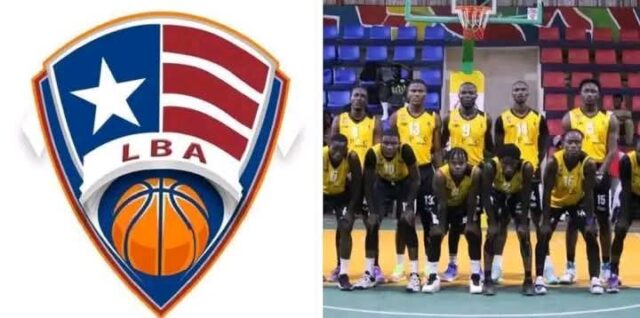
The Liberia Basketball Association (LBA) may have acted too hastily and mishandled communication in its recent standoff with the National Port Authority (NPA) Sports Association, a dispute that led to the abrupt end of the 2025 First Division Finals and the automatic crowning of LPRC Oilers as champions.
Documents seen by Liberian Sports International show that the NPA Pythons had formally complained twice, first on October 2, and again on October 11, 2025 about what they described as bias and poor officiating by referees Abraham Freeman and Zwannah Taylor.
The team clearly requested the Liberia Basketball Association to remove those referees from officiating the remaining Finals games and to appoint neutral officials.
Despite these concerns, the LBA chose to proceed with Game Four as scheduled without addressing the issues raised. In an official response dated October 12, the LBA acknowledged receiving the complaints but insisted that the game schedule “stands,” citing limited time ahead of the Road to BAL 2025 tournament.
𝐓𝐡𝐚𝐭 𝐃𝐞𝐜𝐢𝐬𝐢𝐨𝐧 𝐏𝐫𝐨𝐯𝐞𝐝 𝐂𝐨𝐬𝐭𝐥𝐲
When the NPA Pythons refused to appear for the match at the SKD Gymnasium, the LBA immediately declared LPRC Oilers champions and issued a press statement describing NPA’s absence as “without official justification.”
However, evidence from NPA’s letters contradicts that claim, showing the association had clearly outlined reasons for its protest before the scheduled game.
By overlooking those letters and proceeding without meaningful dialogue, the LBA failed to de-escalate a preventable situation.
Instead of creating space for mediation or temporarily postponing the game, the governing body prioritized scheduling over fairness, a move that raises serious questions about transparency and governance in Liberian basketball.
Even though the LBA has now launched an investigation through its Grievance and Ethics Committee, the credibility of that process may already be under public scrutiny, given the association’s initial communication gaps and quick decision to award the title.
In essence, the LBA was procedurally right to enforce competition rules but morally and administratively wrong in how it handled NPA’s grievances.
By failing to respond with empathy, engagement, and fairness, the Association missed an opportunity to reinforce trust among teams and fans.