MONROVIA, Liberia — The World Bank has described the Excellence in Learning in Liberia (EXCEL) Project as the largest education investment in the history of its partnership with Liberia, warning that weak learning outcomes among primary school children pose a serious threat to the country’s long-term development.
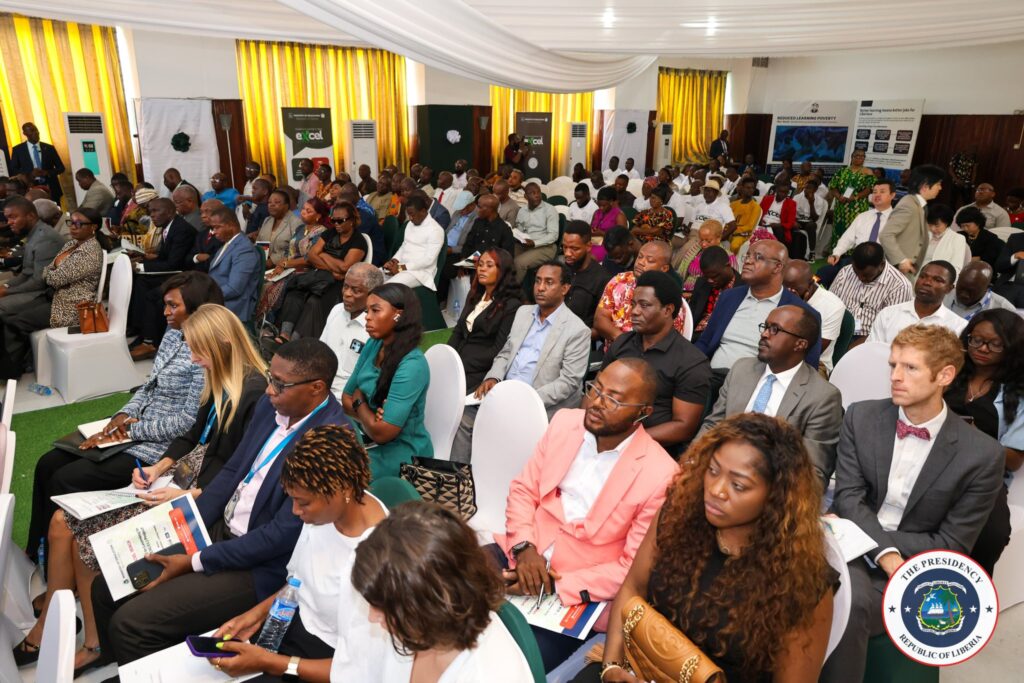
Speaking at the official launch of the EXCEL Project on Tuesday, World Bank Liberia Country Manager Georgia Wallen said Liberia stands at a pivotal moment where education—particularly foundational literacy and numeracy—will determine whether the country can achieve lasting transformation.
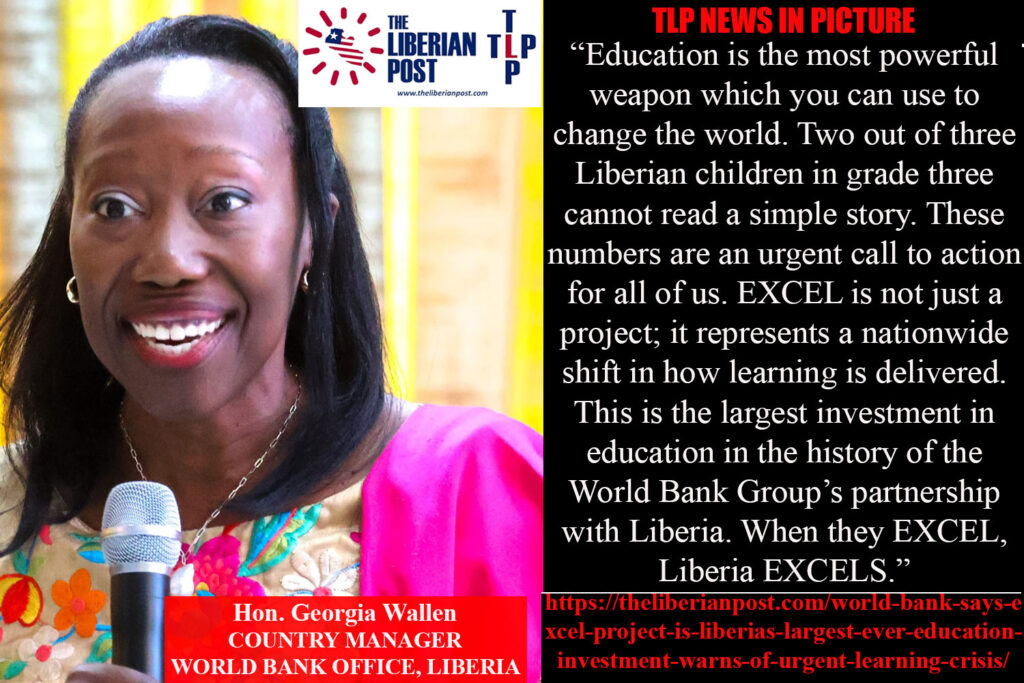
“Education is the most powerful weapon which you can use to change the world,” Wallen said, quoting former South African President Nelson Mandela, as she framed education as the cornerstone of Liberia’s development ambitions.

Two Out of Three Children Cannot Read
Wallen delivered a stark assessment of the state of learning in Liberia’s primary schools, citing test results that show deep learning gaps.
“Today, two out of three Liberian children in grade three cannot read a simple story, and four out of five struggle with basic numeracy skills,” she said. “These numbers are an urgent call to action for all of us.”
She emphasized that the problem is not a lack of ability among children, but rather systemic challenges related to education quality, teaching methods, and learning environments.
EXCEL Targets Foundational Skills Nationwide
According to Wallen, the EXCEL Project is designed to confront learning poverty directly by refocusing the education system on reading, writing, and mathematics from early childhood education through all six grades of primary school.
“EXCEL will bring a renewed focus on the essential skills every child needs,” she said. “It will help position Liberia’s education system so that every child builds the skills needed for life.”
She echoed Education Minister Jarso Maley Jallah’s characterization of the initiative, stressing that the program goes beyond a traditional project framework.
“EXCEL is not just a project,” Wallen said. “It represents a nationwide shift in how learning is delivered.”
The initiative aims to improve classroom teaching methods, strengthen teacher support, enhance school environments, and upgrade data and accountability systems across the education sector.
Aligned With National Development Agenda
Wallen said the EXCEL Project is fully aligned with the ARREST Agenda for Inclusive Development, particularly its focus on Access, Accountability, and Institutional Development (AAID). She also noted its consistency with Liberia’s Education Sector Plan and the Partnership Compact.
“Education is at the center of the ARREST Agenda,” she said. “EXCEL supports national priorities by investing in access, quality, equity, and system capacity to deliver results.”
US$88 Million Mobilized for Education Reform
The World Bank Country Manager disclosed that EXCEL represents a US$88.7 million investment, anchored by US$60 million in International Development Association (IDA) financing, complemented by a US$28.7 million grant from the Global Partnership for Education (GPE).
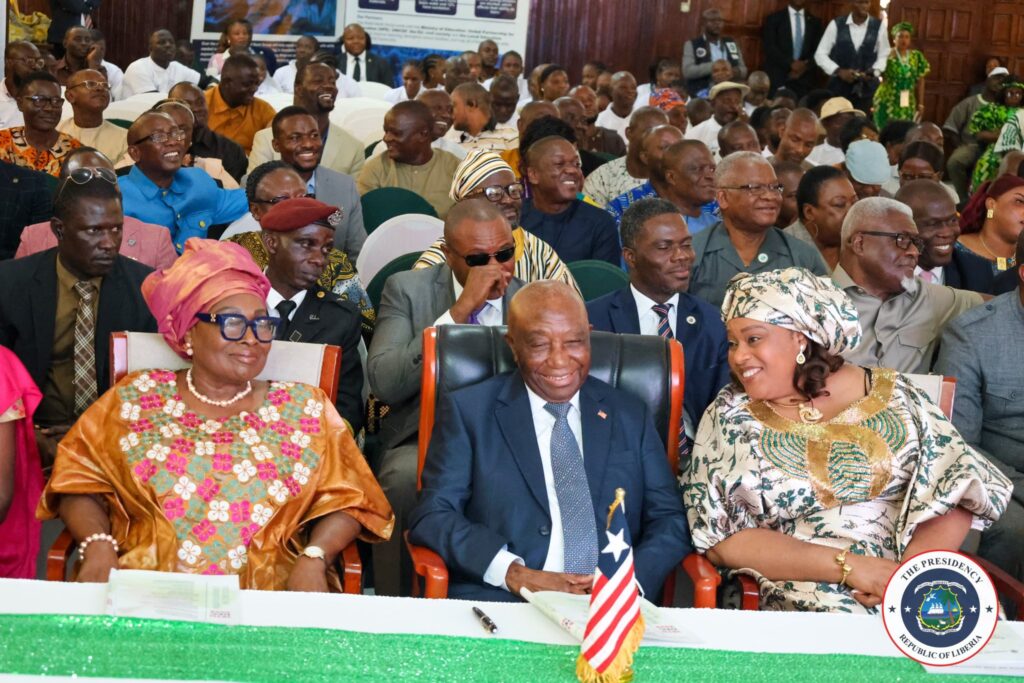
“This is the largest investment in education in the history of the World Bank Group’s partnership with Liberia,” Wallen said.
She added that the project has attracted strong alignment from development partners, including UNICEF, the European Union, bilateral agencies, and non-governmental organizations, which are coordinating technical assistance and complementary investments to strengthen implementation.
Building Foundations for Jobs and Opportunity
Wallen said EXCEL will serve as a cornerstone of the World Bank Group’s five-year Country Partnership Framework, which has a single overarching objective: building the foundations for more and better jobs.
“Through EXCEL, we commit to help reduce learning poverty,” she said. “That is a critical building block for creating opportunity for Liberia’s youth.”
Praise for Government and Legislature
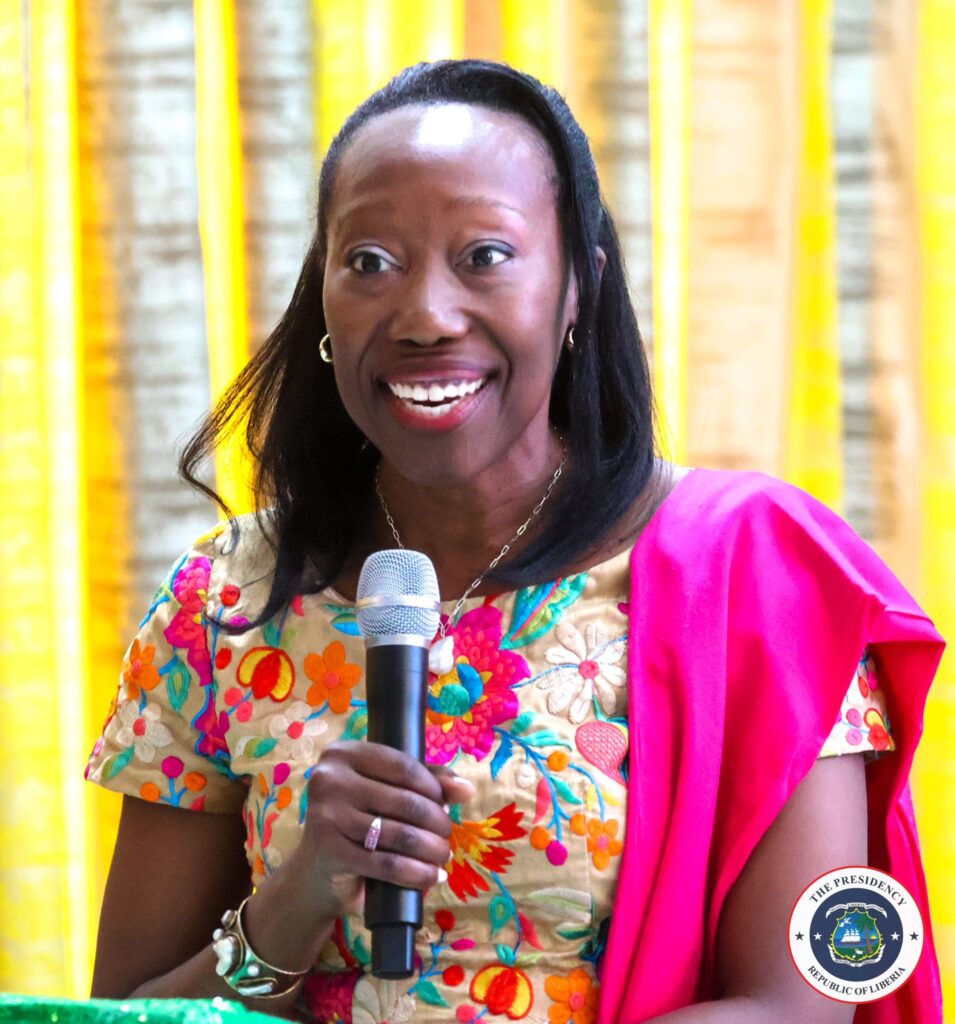
The World Bank official commended the Boakai administration, the Ministry of Finance and Development Planning, and the Ministry of Education for placing education at the center of national development policy. She also praised the Liberian Legislature for its support of the project, noting its nationwide reach.
“Your continued support will be important,” Wallen told lawmakers and policymakers present at the launch.
She further acknowledged teachers, school administrators, county and district education officers, parents, and students as the frontline actors who will translate policy into real learning gains.
A Vision for the Future
In closing, Wallen said the EXCEL Project represents a long-term investment in Liberia’s future prosperity.
“Together, we will help Liberia’s children learn more, stay in school, and build the skills to thrive,” she said. “When they EXCEL, Liberia EXCELS.”
The EXCEL Project will be implemented nationwide over the next five years, targeting improvements in teaching quality, student learning outcomes, and system accountability across Liberia’s primary education sector.