MONROVIA — The International Monetary Fund has confirmed that Liberia’s economy grew by 5.1 percent in 2025, reflecting strengthening macroeconomic stability and improved fiscal discipline under the country’s ongoing reform program supported by the Fund’s Extended Credit Facility (ECF).
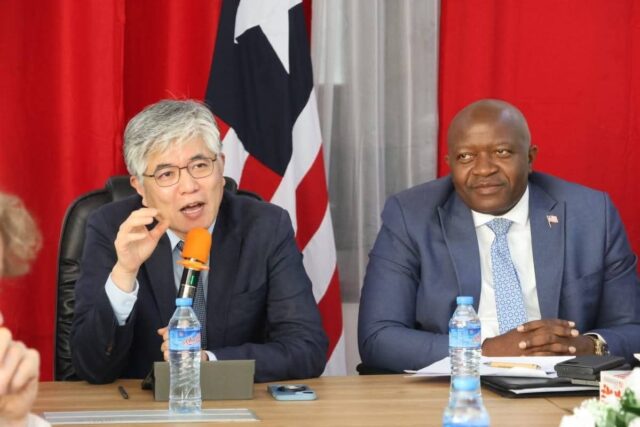
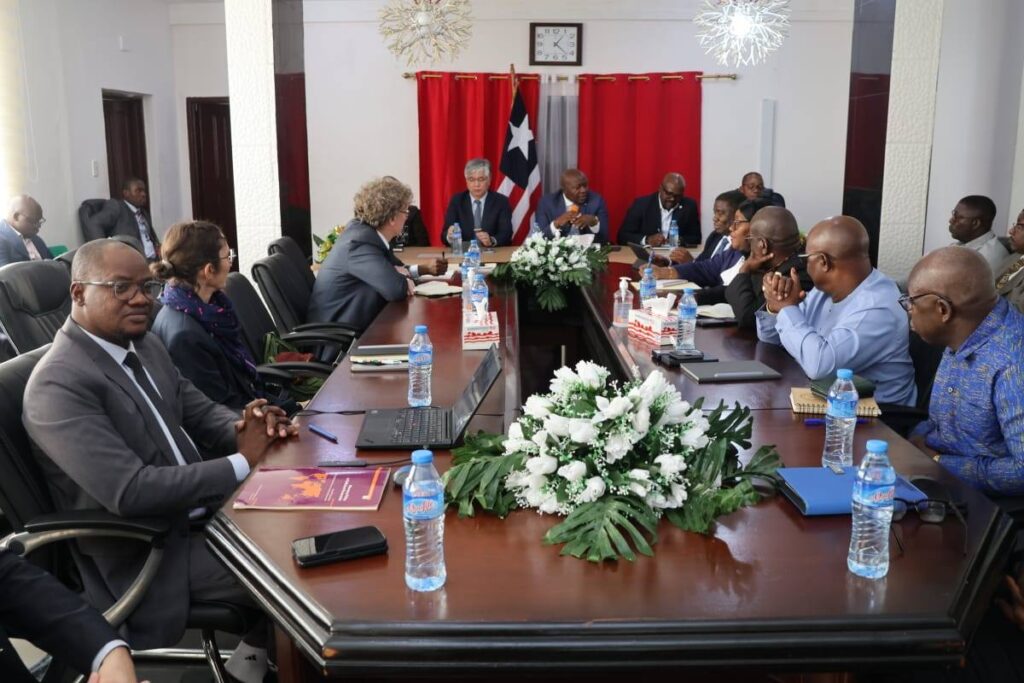
The confirmation followed the successful conclusion of discussions under the Third Review of Liberia’s ECF Arrangement, after an IMF staff mission led by Daehaeng Kim visited Monrovia from January 7 to January 20, 2026. The mission reached a staff-level agreement with the Government of Liberia, subject to approval by the IMF Executive Board.
Liberia’s ECF program, approved by the IMF Executive Board on September 25, 2024, provides total access of SDR 155 million (approximately US$210 million) over a 40-month period, aimed at restoring macroeconomic stability, strengthening governance, and supporting inclusive growth.
Growth Driven by Mining, Agriculture, and Services
In its assessment, the IMF reported that Liberia’s economic performance continues to improve, supported by robust mining activity and moderate expansion in agriculture and services. Growth in 2025 marks a notable increase from 4.0 percent in 2024, underscoring the gradual recovery of the economy following years of fiscal stress and external shocks.
At the conclusion of the mission, Mr. Kim stated that Liberia’s reform momentum remains on track.
“Liberia’s economic and financial reforms continue to progress, supported by favorable macroeconomic outcomes,” Kim said. “Real GDP growth is estimated at 5.1 percent in 2025, driven by strong mining activity and moderate expansion in agriculture and services.”
Inflation Falls, Exchange Rate Stabilizes
The IMF noted a sharp decline in inflation, which averaged 4.4 percent in the fourth quarter of 2025, down from 12.5 percent in the first quarter of the year. The Fund also reported that the exchange rate remained broadly stable, a key indicator of improved confidence in Liberia’s macroeconomic management.
These developments reflect tighter monetary policy, improved coordination between fiscal and monetary authorities, and better liquidity management by the Central Bank of Liberia.
Stronger Fiscal Performance
Fiscal discipline remained a highlight of the review. According to the IMF, Liberia recorded a primary fiscal surplus (excluding grants) of 1.4 percent of GDP in 2025, improving from 1.3 percent in 2024 and exceeding the program target of 1.1 percent.
The Fund credited improved domestic revenue mobilization, stronger expenditure controls, and enhanced public financial management systems for the positive outcome.
Reform Momentum Still Critical
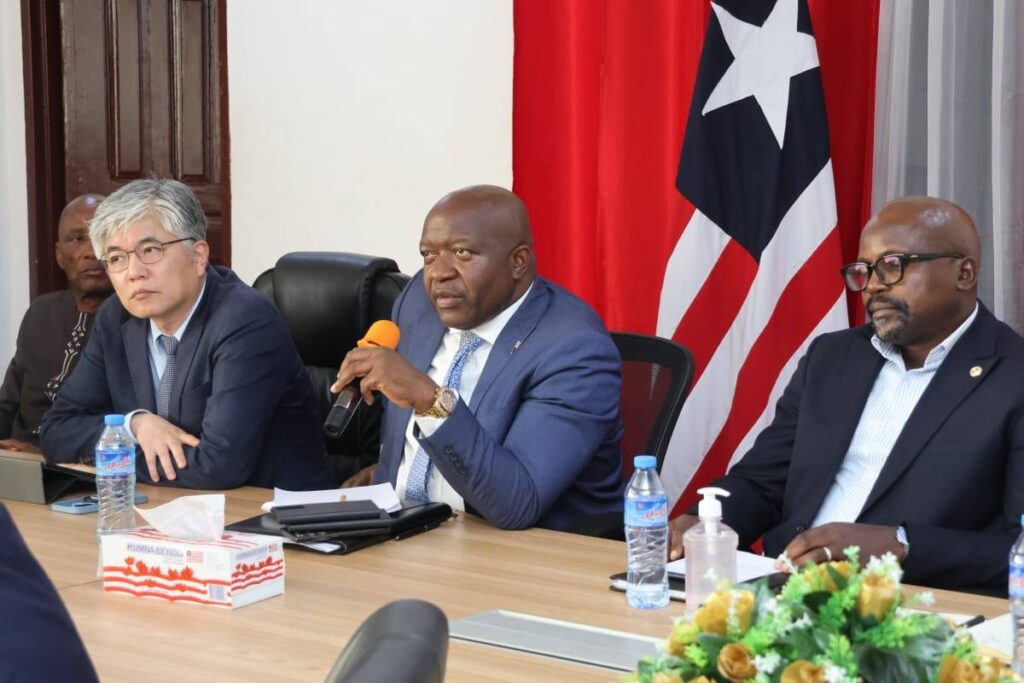
Despite the encouraging performance, the IMF emphasized that sustained reform implementation remains essential to consolidate gains, reduce debt vulnerabilities, and strengthen Liberia’s financial sector.
The Fund stressed the importance of continued prudent fiscal policies, enhanced domestic revenue collection, stronger public financial management, and improved monetary policy transmission to support development priorities under the government’s ARREST Agenda for Inclusive Development.
High-Level Engagements
During the mission, IMF officials held consultations with Joseph Nyuma Boakai, members of the National Legislature, Augustine Kpehe Ngafuan, and Henry F. Saamoi, as well as senior government officials and development partners.
The successful completion of the Third ECF Review positions Liberia to unlock additional disbursements under the program, reinforcing international confidence in the country’s reform trajectory and macroeconomic management.
Follow The Liberian Post on Facebook and X (formerly twitter)