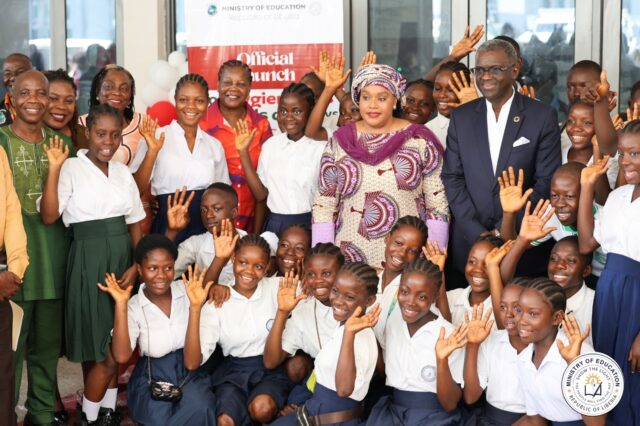
MONROVIA, Liberia — The Government of Liberia has announced plans to distribute school health and hygiene kits to at least 10,000 at-risk students across the country, in a move aimed at improving school attendance, protecting student health, and removing barriers to learning—particularly for adolescent girls.
The announcement was made on Monday, January 26, 2026, by Dr. Jarso Jallah, Minister of Education, during the official launch of the School Health and Hygiene Program at the Ellen Johnson Sirleaf Ministerial Complex in Congo Town.
Hygiene as a Foundation for Learning
Speaking at the launch, Minister Jallah underscored the direct link between hygiene and educational outcomes, noting that poor access to basic health and hygiene supplies continues to undermine consistent school attendance for thousands of children nationwide.
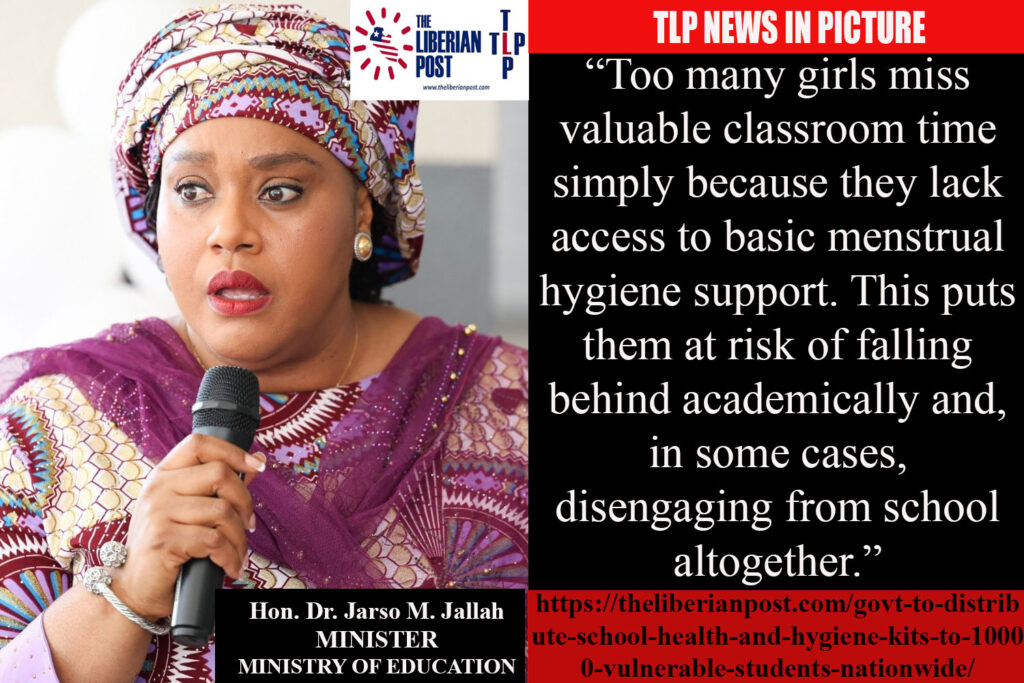
She highlighted menstruation as a major but often overlooked factor contributing to absenteeism among adolescent girls.
“Too many girls miss valuable classroom time simply because they lack access to basic menstrual hygiene support,” Minister Jallah said. “This puts them at risk of falling behind academically and, in some cases, disengaging from school altogether.”
She explained that the initiative will provide comprehensive hygiene kits, including sanitary pads for girls and essential hygiene materials for boys, with priority given to students in vulnerable and underserved communities.
According to the Education Minister, the program reflects the government’s broader commitment to inclusive education, gender equality, and the removal of non-academic barriers that prevent children from reaching their full potential.
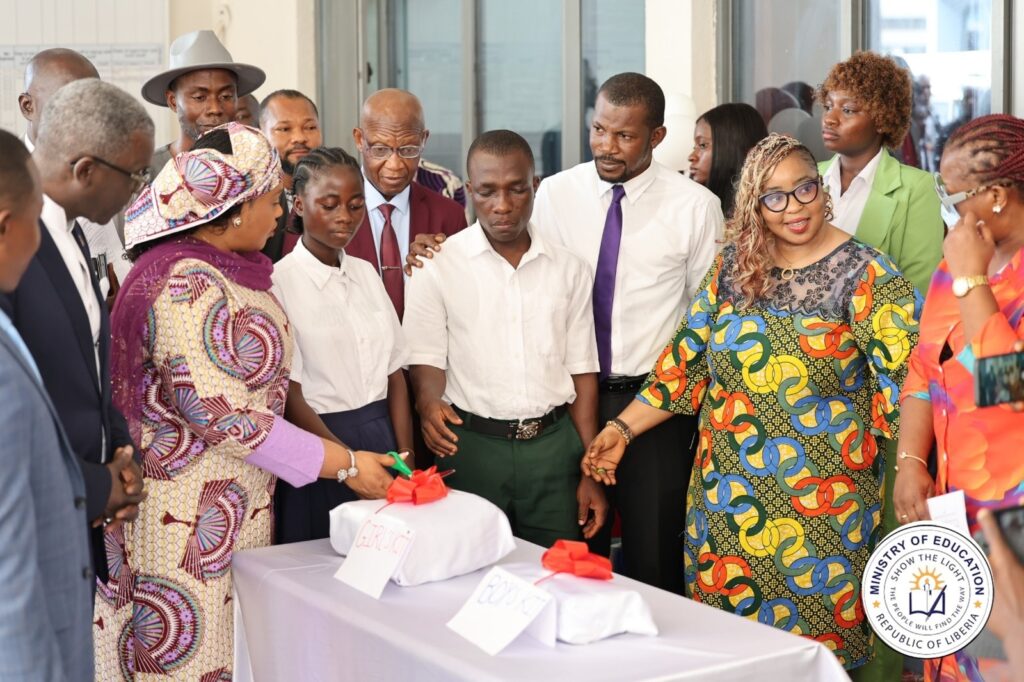
Gender Ministry Backs Menstrual Health Initiative
Also speaking at the ceremony, Gbeme Horace Kollie, Minister of Gender, Children, and Social Protection, described menstrual hygiene as an issue of dignity, equity, and human rights, stressing that access to sanitary products should never determine whether a girl remains in school.
“No girl should be forced to miss school because of a natural biological process,” Minister Kollie said. “Ensuring access to sanitary pads and eliminating stigma around menstruation are essential steps toward keeping girls in school and promoting gender equality.”
She reaffirmed her ministry’s commitment to supporting the initiative through advocacy for free sanitary pads, community awareness campaigns, and sustained efforts to dismantle cultural stigma surrounding menstrual health.
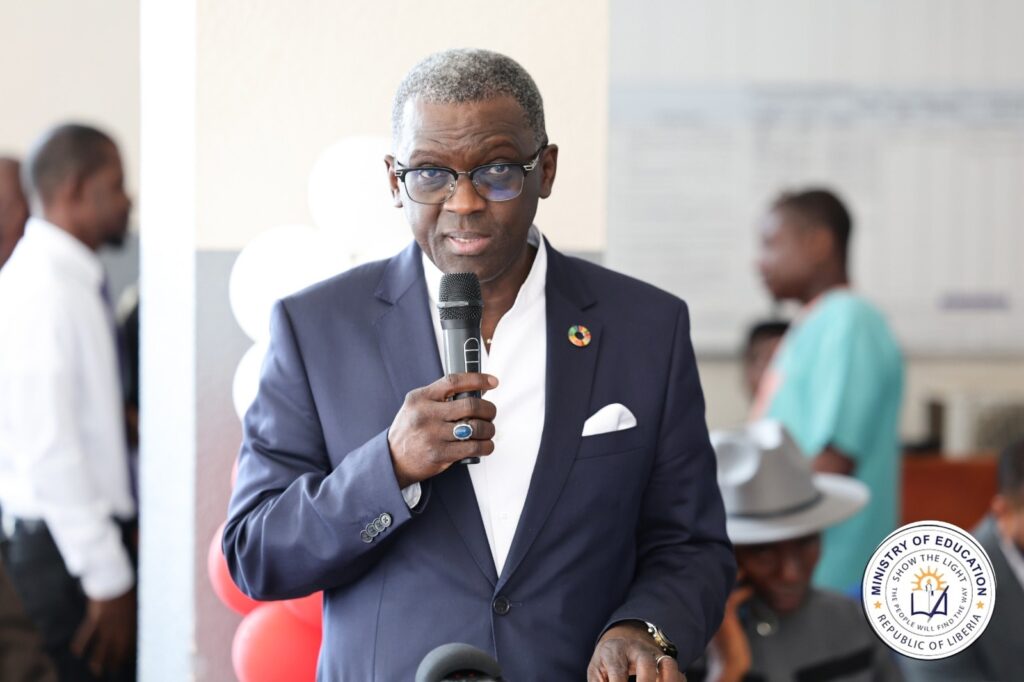
A Broader Push for Equity in Education
Minister Kollie emphasized that menstrual hygiene management is not only a health issue but also a development and equity concern, noting that when girls are supported to stay in school, communities and the nation benefit as a whole.
She added that the program aligns with the government’s broader goal of creating a learning environment where every child—regardless of gender or economic background—has an equal opportunity to succeed.
The School Health and Hygiene Program is expected to roll out nationwide in phases, targeting public schools and high-risk populations, while complementing other education and adolescent health initiatives being implemented by the government and its partners.
Education stakeholders at the launch welcomed the initiative, describing it as a practical and timely intervention that addresses real-life challenges faced by students and helps translate policy commitments into tangible impact.
Follow The Liberian Post on Facebook and X (formerly twitter)