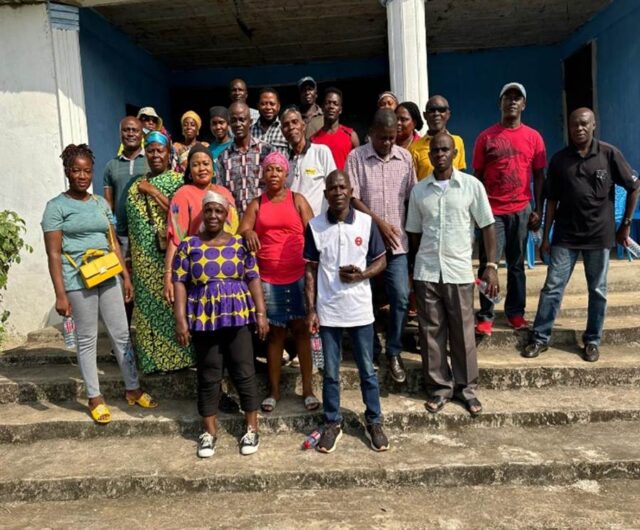
MONROVIA, Liberia – The Liberia Electricity Sector Strengthening Access Project (LESSAP) continues to deepen its ties with communities as part of its mission to expand electricity access across Liberia. On January 23, 2026, Communication Consultant Jarlawah A. Tonpo convened a one-day stakeholders’ engagement meeting in Lot One of District 17, Montserrado County. The purpose of the meeting was to mobilize community leaders to promote responsible electricity use and strengthen cooperation with the Liberia Electricity Corporation (LEC).
The meeting, which was initially planned for 15 participants, drew more than 24 community leaders. This turnout reflected the growing enthusiasm and commitment of local leadership to the success of LESSAP and the broader electrification agenda.
During the engagement, Mr. Tonpo urged leaders to conscientize their residents to work closely with LESSAP and LEC staff in safeguarding newly installed transformers and meters. He emphasized that protecting these assets is critical to ensuring a reliable electricity supply and long-term benefits for the communities.
He also explained the Resettlement Action Plan (RAP), a safeguard mechanism designed to ensure that Project Affected Persons (PAPs) are properly identified, consulted, and compensated. Mr. Tonpo encouraged leaders to sensitize their communities about RAP processes, including the removal of “Life Trees” (fruit trees) where necessary, to facilitate smooth project implementation.
The consultant further highlighted the dangers of power theft, stressing that illegal electricity connections are not only unlawful but also life-threatening. He noted that power theft can cause fires, electrocution, transformer damage, blackouts, and higher electricity bills. Economically, it undermines national development by reducing revenue for the utility and creating instability in power supply. By contrast, lawful electricity use ensures safer homes, stable supply, lower costs, and greater opportunities for schools, health facilities, and businesses.
Mr. Tonpo reminded leaders that accountability and enforcement are central to LESSAP’s mission. He warned that anyone caught stealing electricity would face disconnection, fines, and possible prosecution. He urged communities to unite against power theft, emphasizing that protecting electricity infrastructure is a shared responsibility that benefits all.
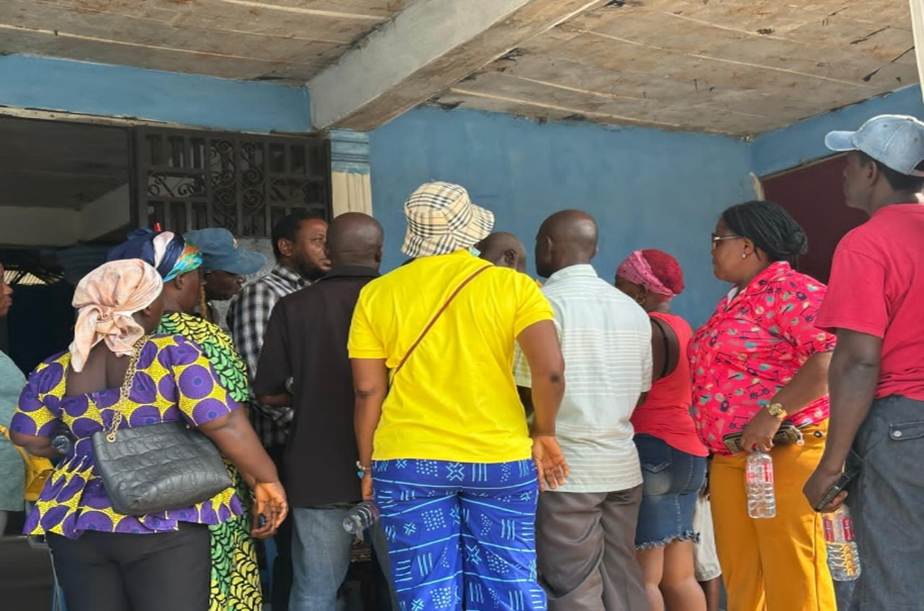
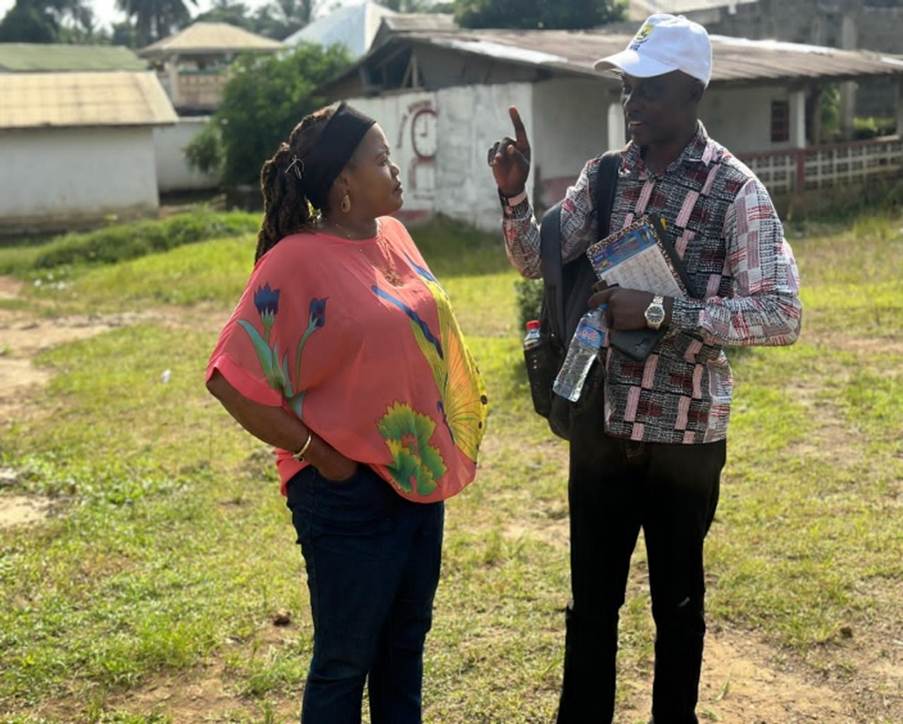
Community Leaders in discussion
Community leaders expressed both excitement and concerns during the meeting. Comfort Tumbay, Chairlady of Bay Community, remarked, “We are overly excited about LEC coming into our communities, but it is long overdue.” Similarly, Hawa Freeman, Chairlady of Success Community, acknowledged the dangers of power theft but raised accountability concerns, stating, “We recognize the consequences of power theft, but it is the same LEC staff that can encourage it. We will play our role, but LEC must act swiftly whenever there is a problem on their lines and transformers.”
The most pressing question came from Peddi Russ, Chairman of Back Settlement Community, who asked, “We have attended meetings upon meetings, but when we leave here, what our community dwellers want to know is: when is the current coming?” His question captured the central concern of residents — the urgency of timely access to electricity.
In response, Mr. Tonpo encouraged leaders to remain patient and resilient, assuring them that LEC and its partners are working diligently to deliver electricity to their communities. He reaffirmed LESSAP’s commitment to ensuring that households benefit equitably from Liberia’s expanding power infrastructure. “Electricity is more than light; it is the power to transform lives, strengthen communities, and build a brighter future for Liberia. Together, with patience and cooperation, we will ensure that every household enjoys the benefits of safe and reliable power,” Mr. Tonpo concluded.
Community Leaders deciding on the way forward
The Liberia Electricity Corporation (LEC), as the implementing agency of LESSAP, recognizes that community involvement is essential to the success of electrification initiatives. LESSAP’s Community Engagement Plan (CEP) provides a strategic framework to ensure stakeholders are informed, consulted, and actively involved in both implementing and sustaining the project’s objectives. By addressing challenges such as power theft, affordability, and infrastructure gaps, the CEP promotes open communication and collaboration between the project and communities. This approach fosters trust, discourages harmful practices, and builds shared responsibility for electrification. Through inclusive dialogue and targeted outreach, the plan transforms community enthusiasm into long-term support for LESSAP’s goals.
“Community ownership of project activities is vital to the long-term success and sustainability of LESSAP’s electrification efforts. When community dwellers and their leaders take active responsibility for safeguarding infrastructure, promoting lawful electricity use, and supporting project goals, they help ensure that the benefits of reliable power reach every household. Community ownership fosters a sense of pride and accountability, encouraging residents to protect assets, report issues promptly, and discourage harmful practices such as power theft,” said Dadley Toe, the LESSAP Manager.
By empowering communities to participate in decision-making and oversight, LESSAP not only builds trust but also creates lasting partnerships that strengthen resilience and drive positive change. This collaborative approach transforms beneficiaries into stewards of progress, ensuring that electrification delivers enduring value for all.
About LESSAP: The Liberia Electricity Sector Strengthening Access Project (LESSAP) is a national initiative designed to expand electricity access, improve infrastructure, and strengthen community engagement in Liberia. Through partnerships with the Liberia Electricity Corporation (LEC) and local stakeholders, LESSAP aims to deliver safe, reliable, and affordable electricity to households, businesses, schools, and health facilities, driving economic growth and social development.