By Salimatu Gilayeneh, UNDP Inclusive Green Growth Pillar Head
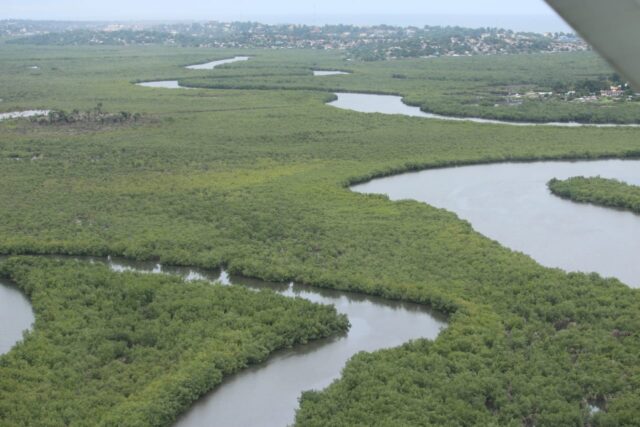
Monrovia, Liberia – There was a time when Liberia’s wetlands were places of wonder. Communities gathered crabs, kiss-meat, and oysters at dawn. Wetlands were not simply resources—they were companions, woven into the rhythm of everyday life.
Today, much has changed. Where water once flowed freely, concrete now rises. Where mangroves once stood tall, piles of waste grow higher. Where elders once shared knowledge, many of today’s youth see only flooded roads, polluted trenches, and land marked for development.
On February 2, Liberia joined the global community in celebrating World Wetlands Day an occasion that often passes quietly, yet carries profound significance for our nation. This year’s global theme, “Wetlands and Traditional Knowledge: Celebrating Cultural Heritage,” could not be more fitting for a country whose ecological richness is inseparable from its identity, history, and traditional wisdom.
Here in Liberia, the Environmental Protection Agency (EPA), alongside national partners, adopted a local theme that resonates deeply: “Protecting Wetlands, Conserving Cultural Heritage.” This reflects a growing understanding that conservation is not about nature in isolation; it is about people, livelihoods, history, and the cultural practices that have allowed communities to coexist with fragile ecosystems for generations.
Liberia’s Wetlands Are Shrinking Under Urban Pressure
Recent assessments show that wetlands in and around Monrovia are experiencing accelerated degradation driven by settlement expansion, indiscriminate dumping, and mangrove cutting. A 2024 investigation across Paynesville, Doe Community, and Caldwell Township revealed persistent waste dumping, mangrove destruction, and land conversion severely undermining the ecological integrity of the Mesurado Wetland and other urban wetlands.
Beyond Monrovia, sea-level rise and shoreline retreat are accelerating the loss of coastal wetland ecosystems. A UNDP-supported climate resilience assessment notes that urban encroachment and coastal erosion jointly threaten the sustainability of the Mesurado Wetland and its fisheries, affecting nearly 250,000 direct beneficiaries and up to one million people indirectly. Liberia’s wetlands are approaching a critical tipping point.
Traditional Knowledge: Liberia’s Untapped Conservation Strength
Too often, traditional knowledge is dismissed as a relic of the past. In reality, it is a cornerstone of resilience. Communities in Grand Cape Mount, Sinoe, Margibi, and Montserrado have long practiced forms of wetland management rooted in respect, restraint, and ecological understanding. Local fishing methods protect breeding cycles, while sacred wetlands remain untouched due to cultural taboos areas that, in modern environmental language, would be described as biodiversity protection zones.
As development accelerates, we risk losing not only ecosystems, but also the wisdom that has safeguarded them for generations. Protecting wetlands, therefore, is inseparable from protecting the cultural heritage that has sustained them.
Urban Wetlands: The Frontline of Climate Resilience
The SKD Boulevard and Police Academy wetlands, where this year’s celebrations are centered, tell a powerful story. Once thriving natural buffers, they now face mounting pressure from rapid settlement expansion, waste disposal, and encroachment. Yet they remain critical for flood control, water quality, and disaster-risk reduction in Monrovia.
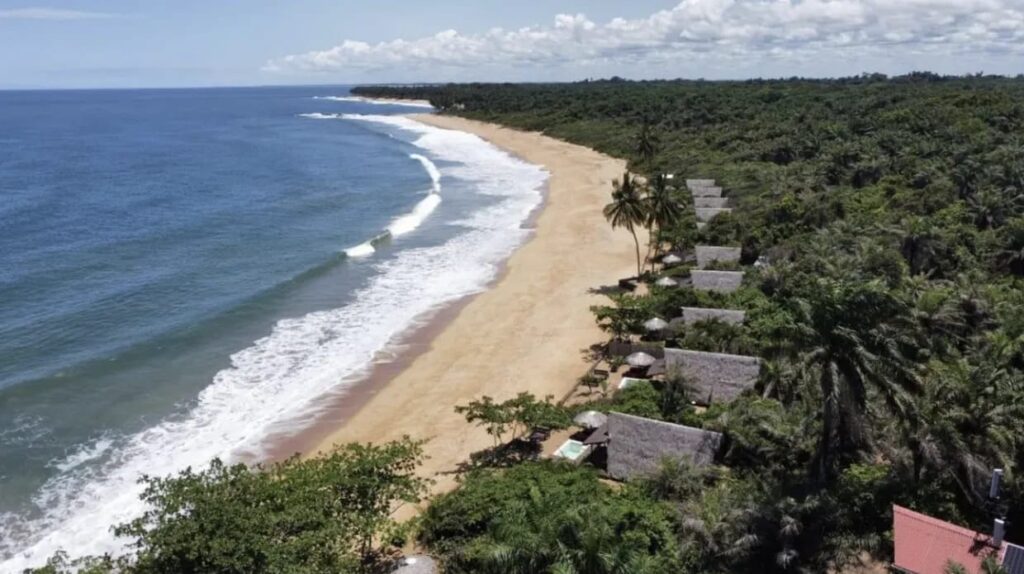
Restoring these wetlands is not only an act of environmental responsibility—it is an act of cultural preservation and practical climate resilience. As sea levels rise and extreme rainfall intensifies, Liberia cannot afford to lose the natural systems that protect lives and property.
Investing in wetlands is not a cost; it is a savings on flooding, disaster response, public health, and future infrastructure damage. Restoring wetlands means restoring more than land and water. It means reviving the experiences that shaped us and giving future generations the chance to know the serenity, the stories, and the sense of belonging that wetlands once offered so freely.
Conservation Is a Shared Responsibility
Government action alone will not be enough. Conservation requires the collective commitment of residents, development partners, civil society, and the private sector.
UNDP continues to support Liberia in strengthening environmental governance, promoting ecosystem restoration, advancing community-based adaptation, and developing tools such as the Natural Capital Atlas of Liberia a reminder that wetlands contribute not only ecologically, but economically.
Yet the true guardians of these ecosystems are the people who live around them. Empowering communities especially women and youth must remain at the center of national conservation efforts.
A Call to Action
On this World Wetlands Day, Liberia must act with urgency and shared responsibility. We must:
Elevate traditional knowledge as a legitimate and essential contributor to conservation science.
Strengthen protection of remaining wetland areas, particularly in urban centers.
Invest in restoration not only where wetlands are visibly degraded, but also where early interventions can prevent future loss.
Integrate wetlands into national planning, budgeting, and infrastructure development.
Promote community-led stewardship, ensuring those who depend on wetlands are also those who protect them.
Conclusion
Protecting our wetlands is not merely an environmental obligation it is a cultural, economic, and moral commitment. The story of Liberia’s wetlands is the story of Liberia itself: resilient, life-giving, culturally rich, and full of potential.
As we celebrate World Wetlands Day 2026, let us remember: to lose these ecosystems is to lose a part of who we are. Protecting wetlands means protecting our past, securing our present, and safeguarding our future.
Follow The Liberian Post on Facebook and X (formerly twitter)