Liberia’s national conversation on citizenship has once again taken center stage following remarks by former President Ellen Johnson Sirleaf before the House of Representatives and the swift reaction from diaspora advocate Alfred Sieh.
At the heart of the debate are two related but distinct issues: the controversial Article 27(b) of the Liberian Constitution, which restricts citizenship to persons “of Negro descent,” and the long-standing demand by Liberians abroad for dual citizenship rights for natural-born Liberians.
The intersection of these issues has reopened one of the most emotionally charged national conversations about identity, belonging, and the future of Liberia.
Sirleaf’s Call for Constitutional Reform
Speaking to lawmakers, Sirleaf urged Liberia to confront what she described as outdated constitutional provisions that no longer reflect the country’s modern aspirations.
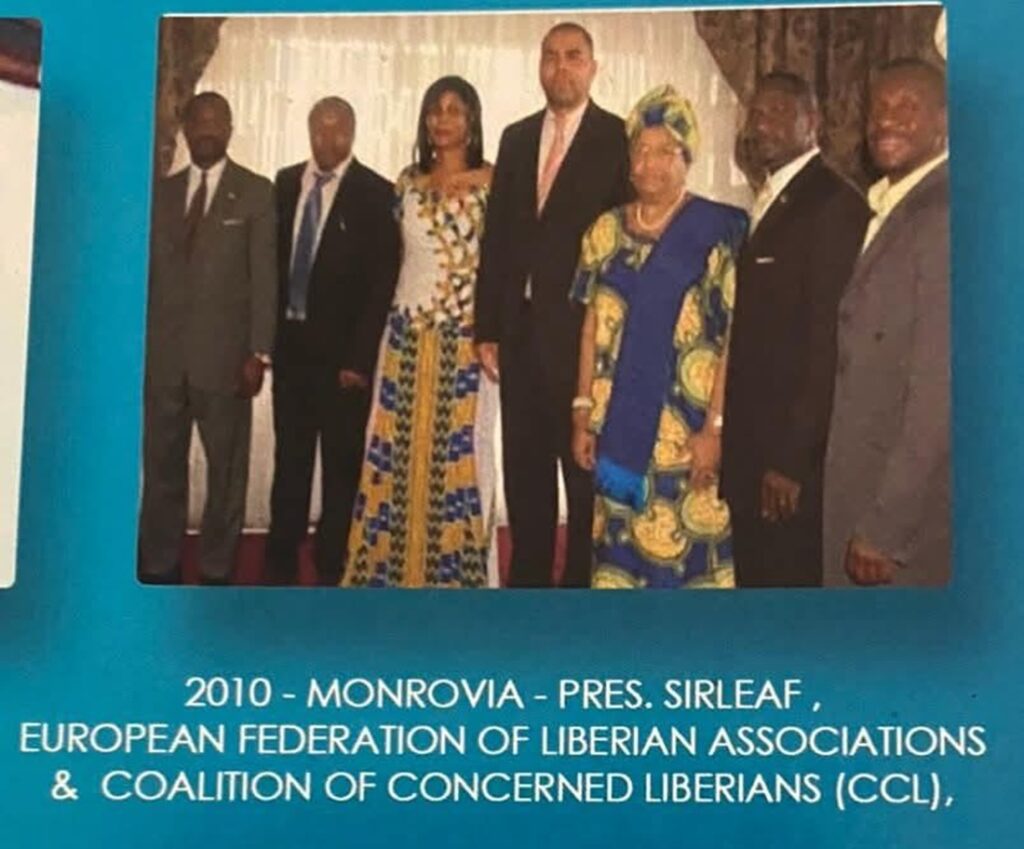
Her call to revisit Article 27(b) was framed as part of broader structural reforms needed to move Liberia forward in an increasingly globalized world.
The former president argued that Liberia must now consider constitutional changes that would allow the country to join other African nations that have modernized citizenship laws to attract investment, talent, and global engagement.
Her comments, however, quickly triggered criticism from some members of Liberia’s diaspora community.
Diaspora Frustration Resurfaces
Among the most vocal critics has been Alfred Sieh, a prominent diaspora advocate and Special Envoy on Out-of-Country Voting for the Union of Liberian Associations in the Americas (ULAA).
Sieh expressed deep disappointment that Sirleaf is now advocating citizenship reforms while, according to him, failing to support diaspora calls for dual citizenship during her twelve years in power.
For many Liberians abroad, this grievance runs deep.
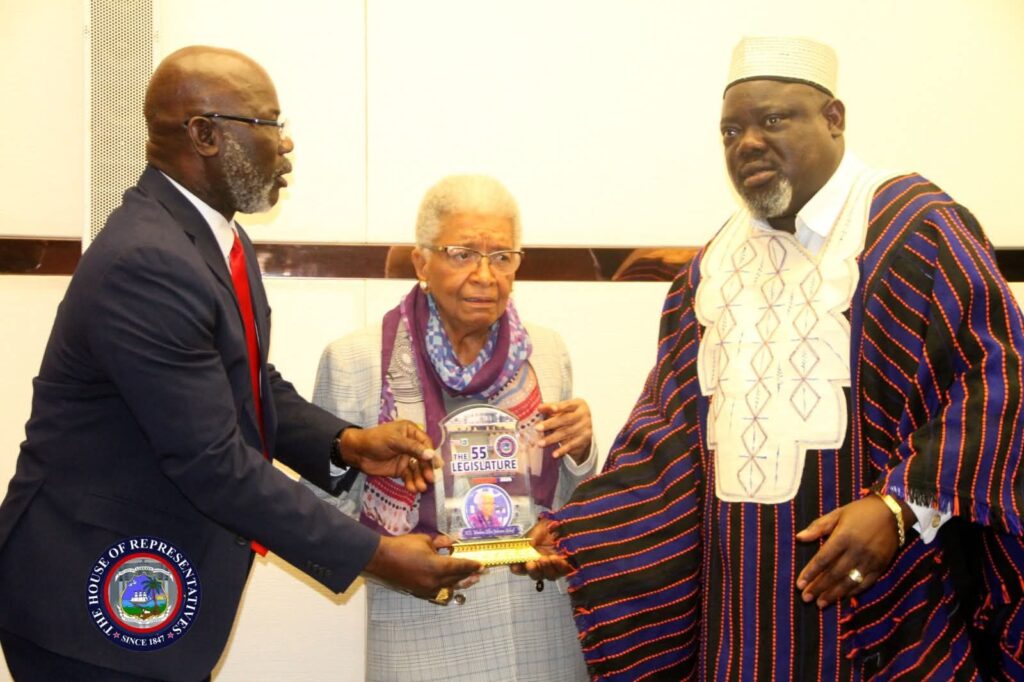
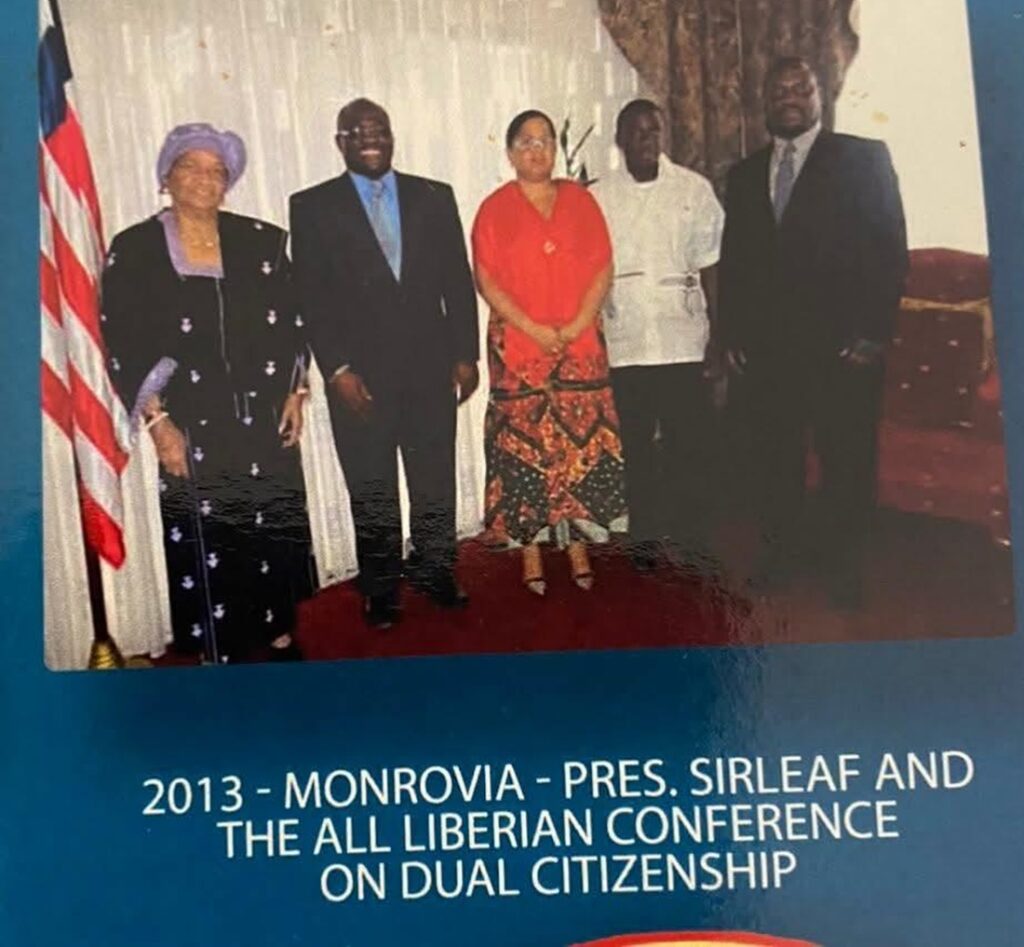
During the Sirleaf administration, diaspora organizations lobbied strongly for constitutional reforms that would allow natural-born Liberians who had acquired foreign citizenship to retain their Liberian nationality.
Despite repeated discussions and several reform initiatives, the issue remained unresolved by the time Sirleaf left office in 2018.
Today, many diaspora Liberians still feel that their contributions — through remittances, investment, and advocacy — have not been matched by political recognition at home.
A Debate Bigger Than Personalities
Yet reducing this important national discussion to a dispute between Sirleaf and diaspora critics would be a mistake.
The reality is that Liberia has avoided a comprehensive and honest debate about citizenship for decades.
Two fundamental questions remain unanswered:
- Should Liberia maintain its historic constitutional restriction on citizenship based on race?
- Should natural-born Liberians be allowed to hold dual citizenship?
These questions cannot be answered through political accusations or emotional exchanges.
They require thoughtful national dialogue grounded in law, history, economics, and national identity.
The Diaspora Factor
Liberia’s diaspora community today represents one of the country’s most important strategic assets.
Every year, remittances from Liberians abroad contribute hundreds of millions of dollars to the national economy — supporting families, education, health care, and small businesses.
Beyond remittances, diaspora Liberians are also influential voices in international policy, academia, business, and diplomacy.
Recognizing their place within Liberia’s national framework is not simply a matter of sentiment; it is a matter of national development.
At the same time, the debate must also address legitimate concerns about land ownership, political participation, and economic control that many citizens within Liberia continue to raise.
The Time for Clarity
What Liberia needs now is not political blame but constitutional clarity.
The Legislature must take the lead in initiating a structured national conversation that includes:
- Diaspora organizations
- Civil society groups
- constitutional scholars
- youth and women’s organizations
- traditional leaders and local communities
Only through such a dialogue can Liberia reach a consensus on how citizenship should evolve in the 21st century.
A Nation Still Defining Itself
Liberia was founded on the idea of freedom and belonging. Yet nearly two centuries later, the country is still defining the meaning of citizenship.
The exchange between Ellen Johnson Sirleaf and Alfred Sieh may be contentious, but it has served an important purpose: it has forced Liberia to confront a conversation that cannot be postponed indefinitely.
The real question now is whether the country will seize this moment to resolve the issue through thoughtful reform — or once again allow the debate to fade into political noise.
Liberia deserves a clear answer.
And the Liberian people — both at home and abroad — deserve to be part of shaping it.
Follow The Liberian Post on Facebook and X (formerly twitter)