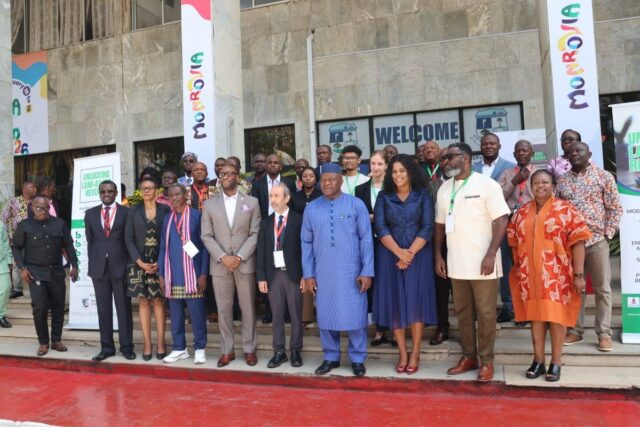
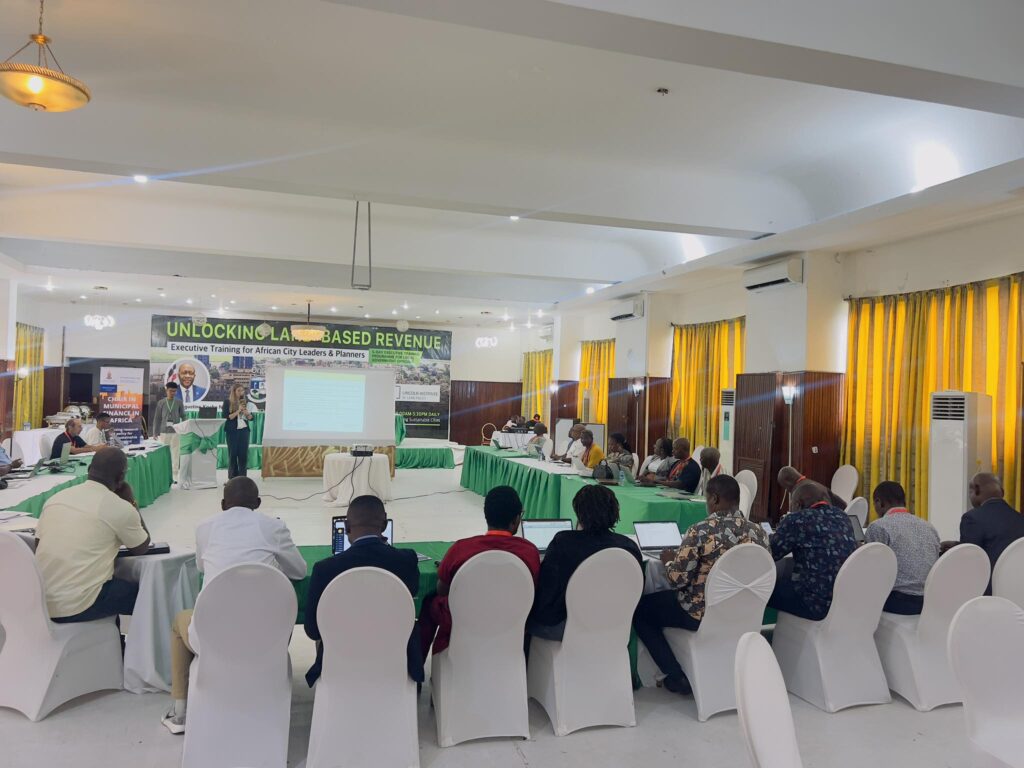
MONROVIA — The Monrovia City Corporation (MCC) is expected to conclude today a five-day executive training program aimed at helping African cities unlock land-based revenue to finance infrastructure, strengthen governance, and improve service delivery.
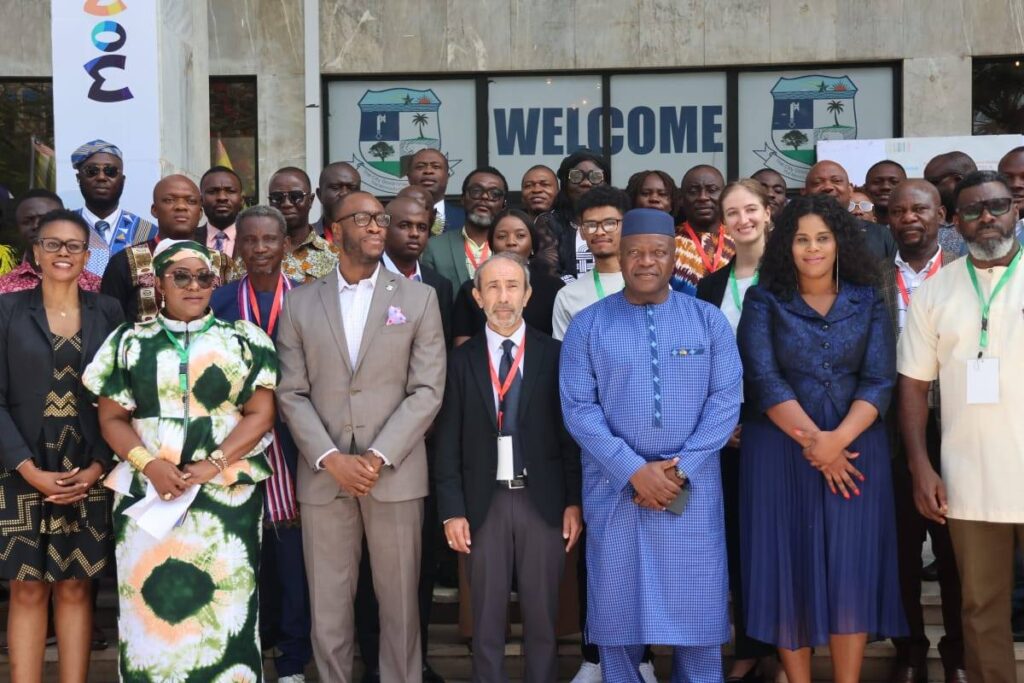
The training, which runs from March 9–13 in Monrovia, brings together city leaders, planners, and municipal finance experts from Liberia and across Africa. The program is organized by the Monrovia City Corporation in partnership with the Lincoln Institute of Land Policy and the University of Pretoria Public Policy Hub.
Participants include officials and experts from Liberia, South Africa, Nigeria, Malawi, Sierra Leone, and the United States.
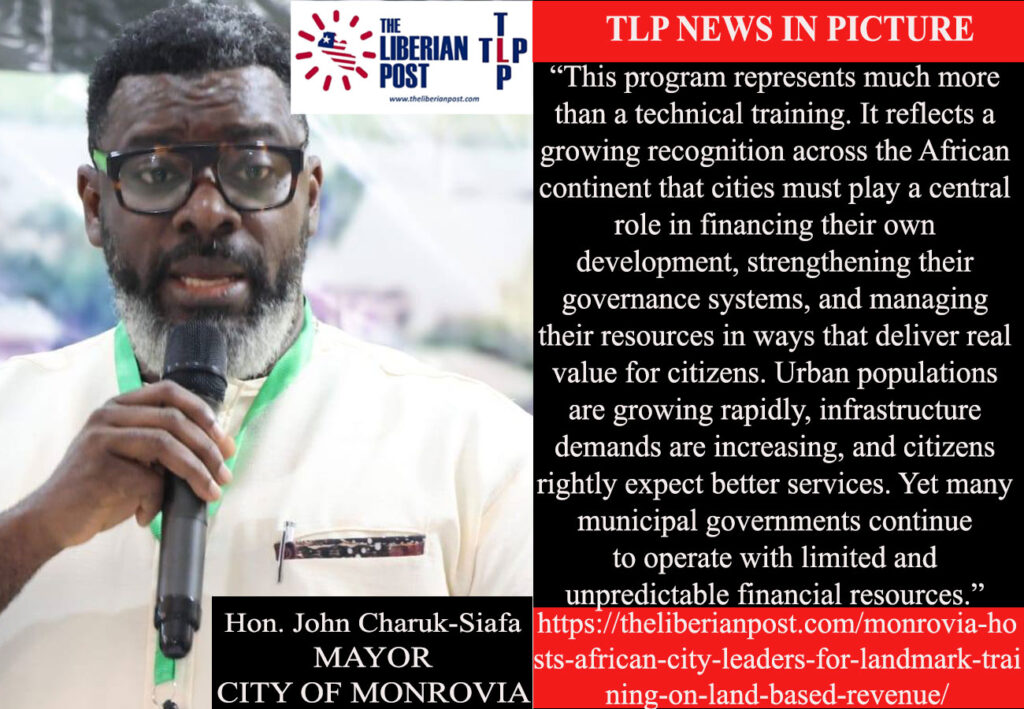
Speaking at the opening ceremony, Monrovia City Mayor John Charuk-Siafa said the initiative reflects a growing recognition across Africa that cities must develop new strategies to finance development as urban populations continue to expand.
“This program represents much more than a technical training,” the mayor said. “It reflects a growing recognition across the African continent that cities must play a central role in financing their own development, strengthening their governance systems, and managing their resources in ways that deliver real value for citizens.”
Mayor Charuk-Siafa emphasized that rapid urbanization across the continent has placed enormous pressure on municipal governments to provide infrastructure, sanitation, housing, and economic opportunities, often with limited financial resources.
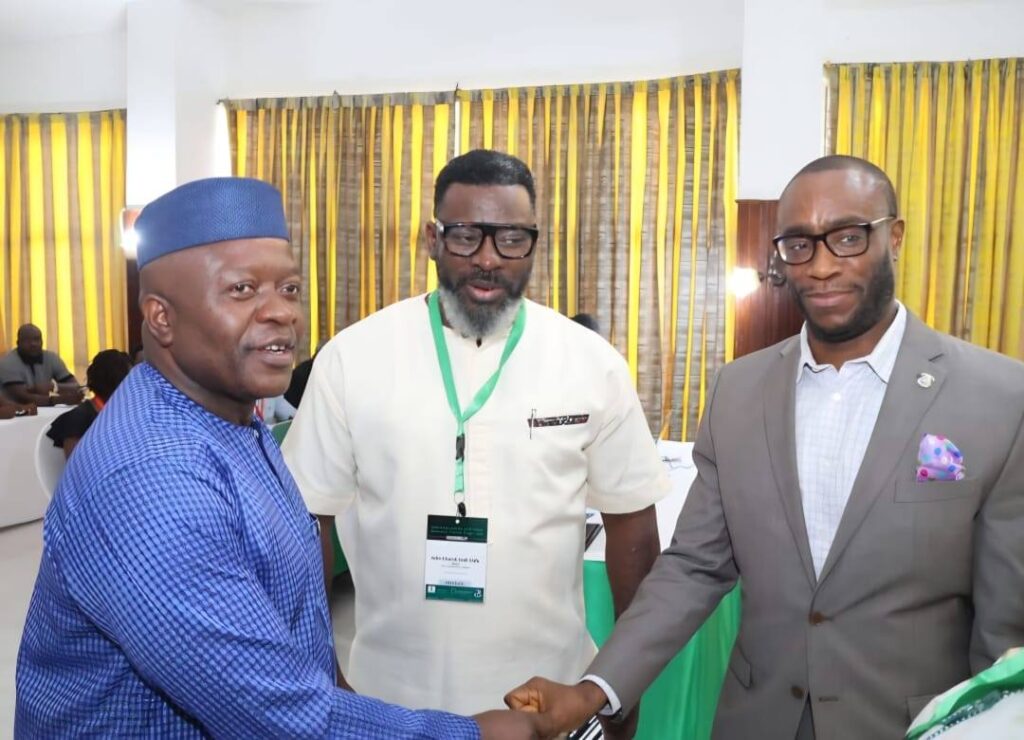
“Urban populations are growing rapidly, infrastructure demands are increasing, and citizens rightly expect better services,” he said. “Yet many municipal governments continue to operate with limited and unpredictable financial resources.”
He noted that one of the most significant untapped resources available to cities is land.
“Land, when governed effectively, becomes far more than a physical space,” Charuk-Siafa said. “It becomes an economic engine capable of financing infrastructure, supporting municipal services, strengthening local economies, and promoting inclusive urban development.”
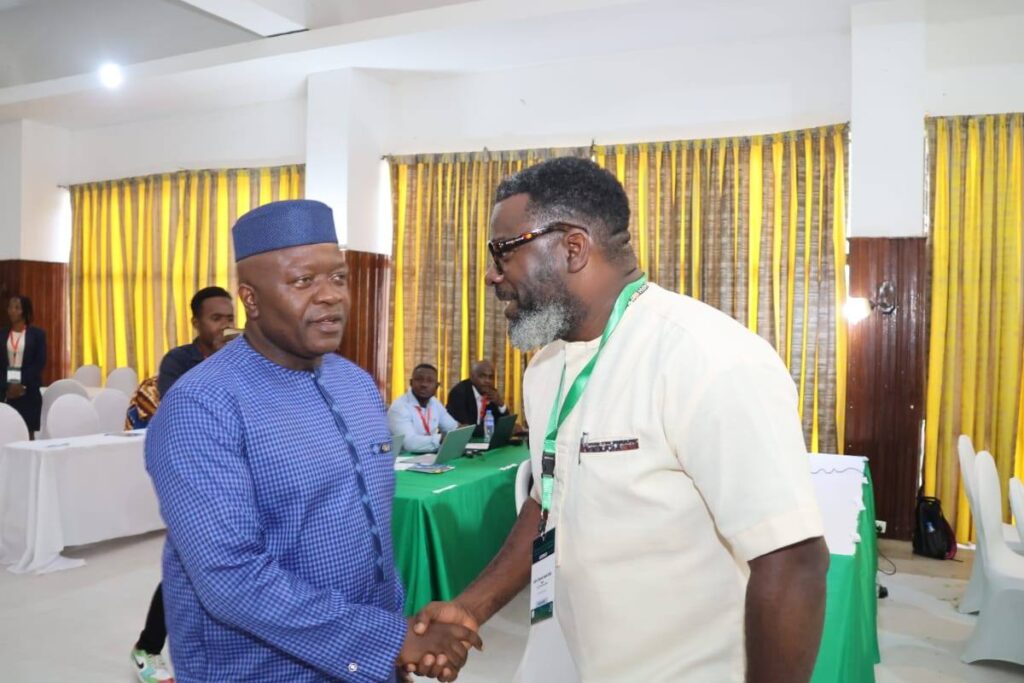
The mayor stressed that African cities must adopt modern systems of land governance, including transparent valuation, responsible land management, and effective property taxation, in order to unlock the financial potential of urban land.
“Land is in many ways the single largest collective asset belonging to the people of our cities, and it must therefore be harnessed more effectively to support sustainable urban transformation,” he added.
Liberia’s Minister of Finance and Development Planning, Augustine Kpehe Ngafuan, who officially launched the training program on March 9, 2026, described the initiative as part of a broader effort to strengthen municipal finance systems across Africa.
Ngafuan noted that many African cities face mounting demands for infrastructure and public services but lack the financial mechanisms necessary to support long-term development.
“Our continent is urbanizing faster than any other region in human history,” the minister said. “By 2050, Africa’s urban population will triple, creating urgent demands for infrastructure, housing, sanitation, transportation, and public services.”
However, he warned that traditional financing methods are insufficient to address the scale of urban development required.
“Traditional financing models relying on national transfers, donor support, and unsustainable borrowing cannot meet this scale,” Ngafuan said. “The question before African city leaders is whether urbanization will become a driver of prosperity or a source of weakness.”
According to the Finance Minister, land-based revenue systems—such as property taxation, land value capture, and development charges—offer a sustainable path for cities to finance their own growth.
“Land is one of the most valuable resources cities possess, yet it remains largely underleveraged across our continent,” Ngafuan said. “When managed effectively, land-based revenue systems can generate sustainable financing for urban development.”
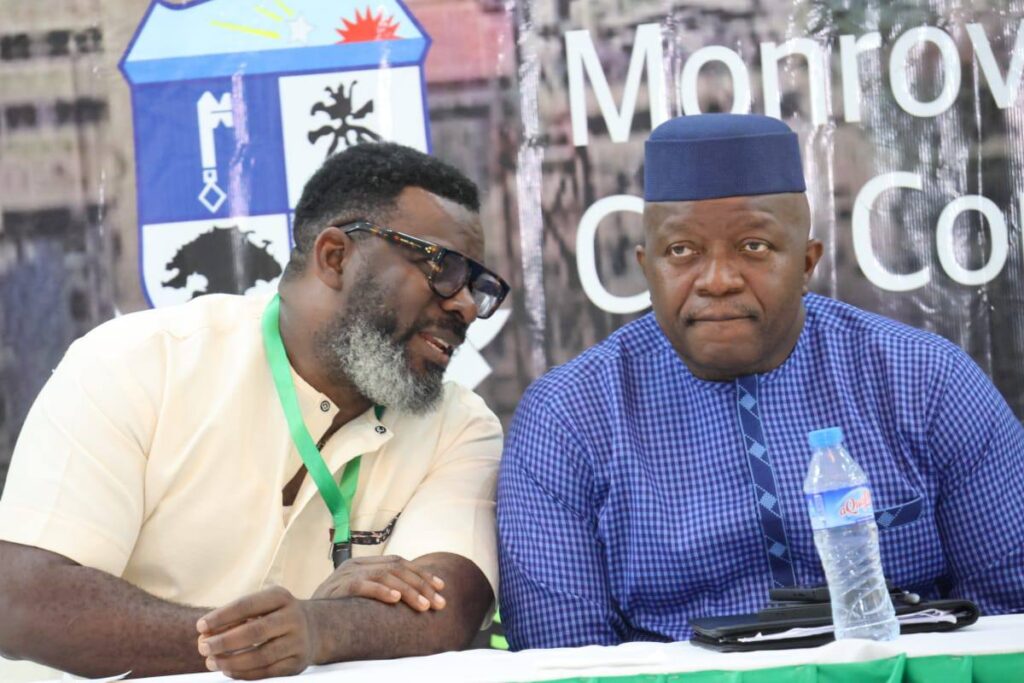
Part of the training program was to introduce participants to practical tools for strengthening municipal revenue systems, including property tax administration, land valuation techniques, and strategies for managing municipal land assets.
Officials say the initiative was to also create a platform for collaboration among African city leaders, allowing them to exchange experiences and develop practical solutions to common urban challenges.
Mayor Charuk-Siafa said the conversations taking place in Monrovia could shape urban policy reforms across the continent.
“The ideas shared during this session can influence policies, inspire reforms, and strengthen capacities across the cities of our continent,” he said.
The training is expected to conclude today March 13 with participants developing policy recommendations and practical strategies that can be implemented in their respective cities.
Follow The Liberian Post on Facebook and X (formerly twitter).