MONROVIA — Monrovia City Mayor John Charuk-Siafa says African cities must harness the economic potential of land if they are to finance infrastructure, improve services, and sustain long-term urban growth.
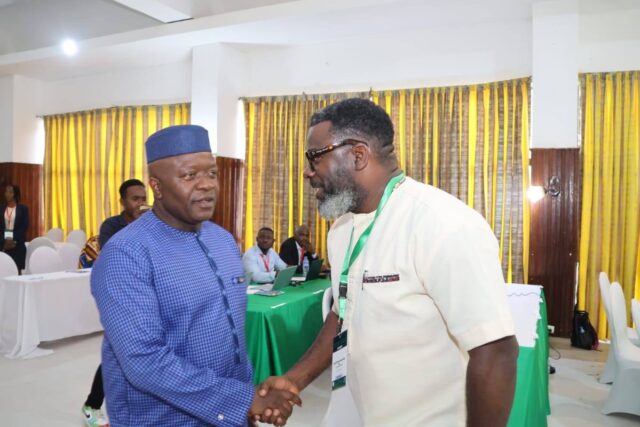
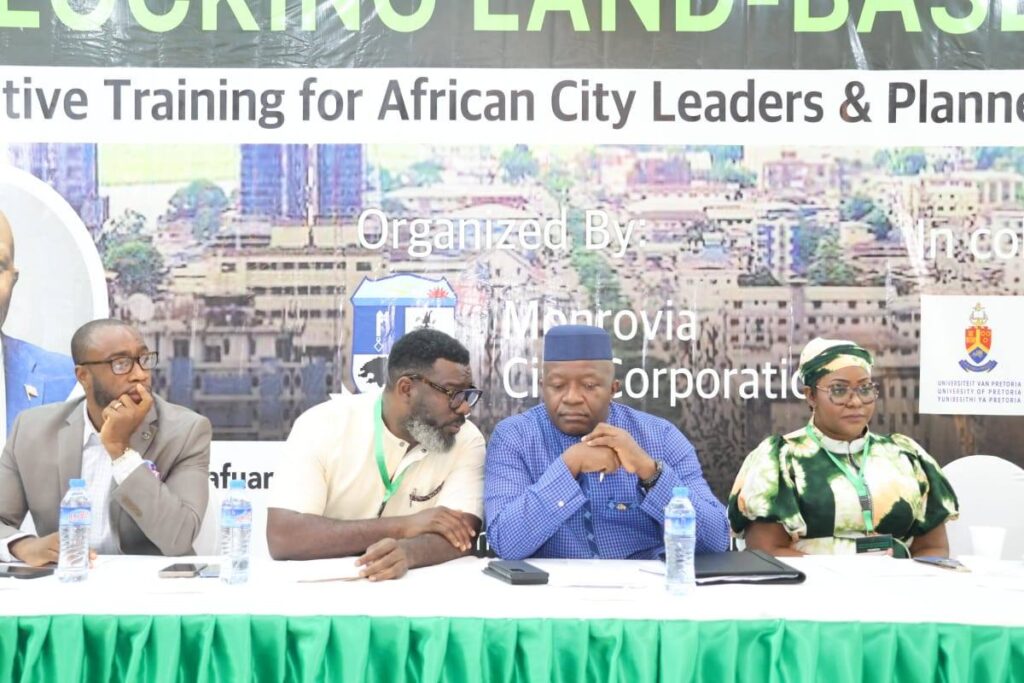
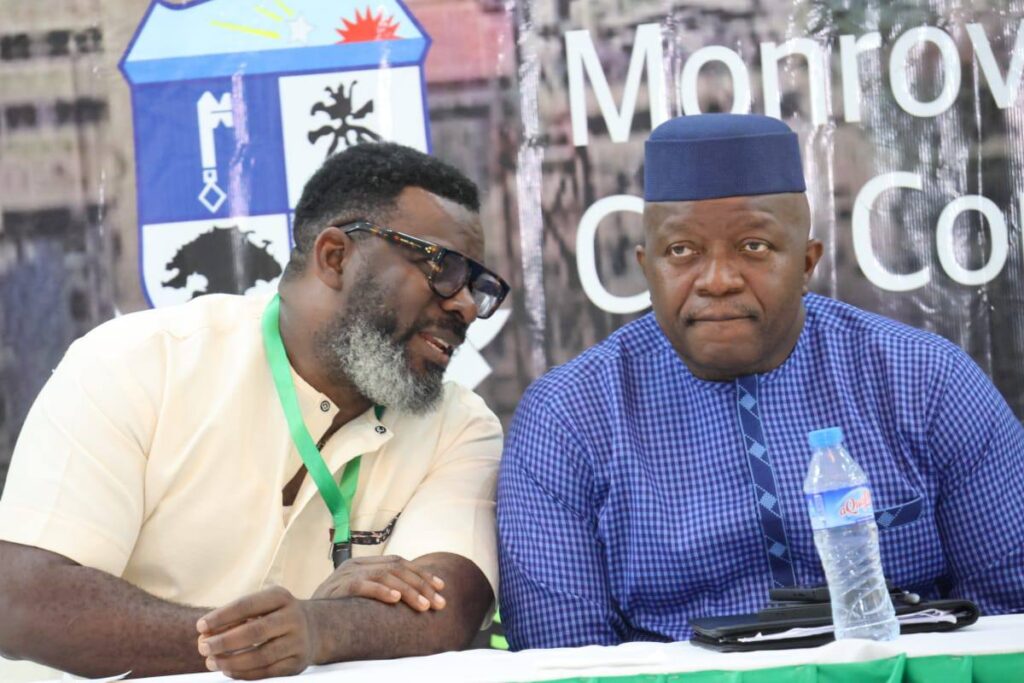
The mayor made the remarks during the opening of a five-day executive training program on unlocking land-based revenue for city leaders and planners, held at Monrovia City Hall.
The program, organized by the Monrovia City Corporation (MCC) in partnership with the Lincoln Institute of Land Policy and the University of Pretoria Public Policy Hub, brings together municipal leaders from across Africa to explore innovative approaches to financing urban development.
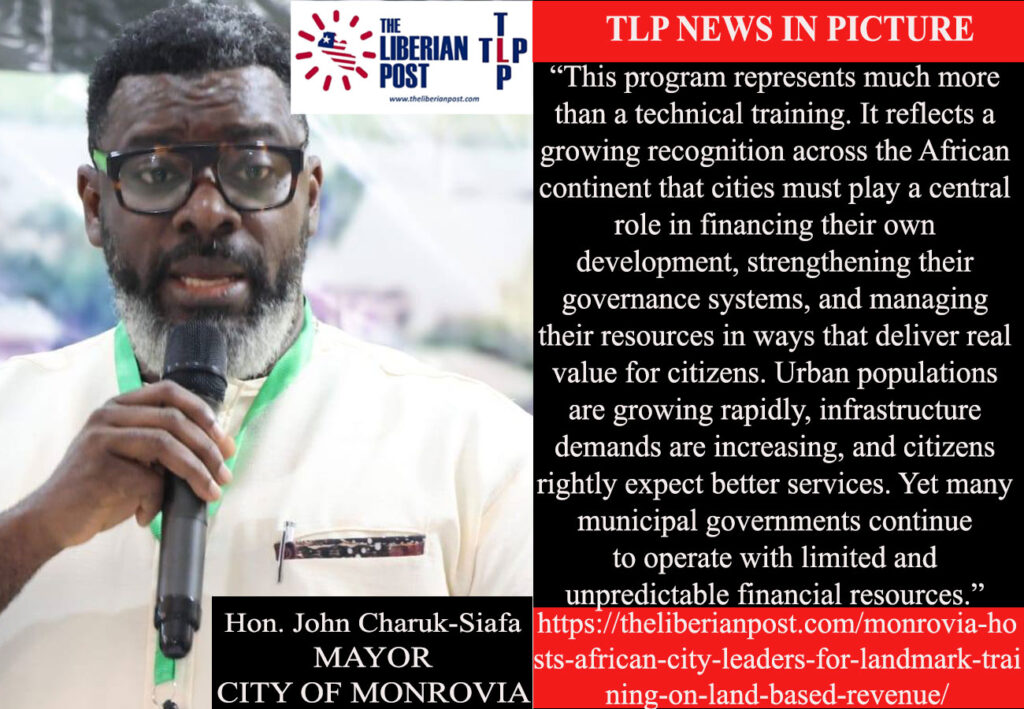
Charuk-Siafa said African cities are experiencing rapid urban growth, placing increasing pressure on municipal governments to deliver services and infrastructure.
“Urban populations are growing rapidly, infrastructure demands are increasing, and citizens rightly expect better services and improved public spaces,” he said.
However, he noted that many municipal governments struggle to meet these demands because of limited and unpredictable revenue streams.
“For municipal governments such as ours, own-source revenue generation remains one of the greatest challenges we face,” the mayor said.
According to Charuk-Siafa, one of the main reasons cities face financial constraints is not necessarily the absence of resources, but the failure to effectively utilize existing assets.
“In many African cities, the challenge is simply not the absence of resources,” he said. “It is often the underutilization of the resources that already exist within our jurisdictions.”
Among those resources, he said, land stands out as the most valuable.
“Land, when governed effectively, becomes far more than a physical space,” he said. “It becomes an economic engine capable of financing infrastructure, supporting municipal services, strengthening local economies, and promoting inclusive urban development.”
The mayor emphasized that transparent valuation systems, responsible land management, and effective property taxation can help cities unlock significant revenue.
“Through transparent valuation systems, fair property taxation, responsible land management, and sound urban planning, cities can unlock significant resources that allow them to invest in their own future,” he said.
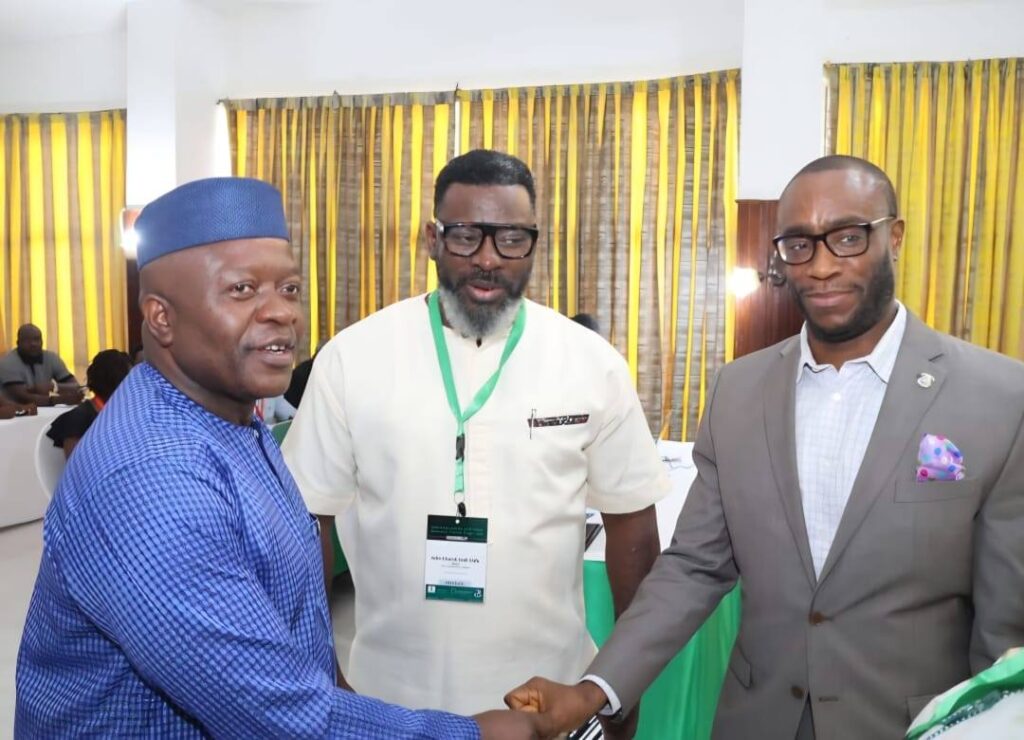
Liberia’s Finance Minister Augustine Kpehe Ngafuan, who officially launched the program, supported the mayor’s position, describing land as a critical but underutilized financial resource for cities.
“Land is one of the most valuable resources cities possess, yet it remains largely underleveraged across our continent,” Ngafuan said.
He noted that effective land governance can help cities generate revenue, strengthen local economies, and finance infrastructure.
“When public investments increase land values, a portion of that gain should return to the public to finance further growth,” the minister said.
Ngafuan also highlighted Liberia’s broader strategy to strengthen urban governance and municipal finance systems as part of its national development agenda.
“Strong cities are essential to national economic transformation,” he said.
Mayor Charuk-Siafa said the training program in Monrovia offers city leaders an opportunity to exchange ideas and develop practical solutions for urban governance challenges.
“The conversation we begin here in Monrovia today has implications far beyond this room,” he said.
The Mayor added that lessons from the training could help cities across Africa develop stronger municipal finance systems and improve the quality of life for residents.
“If African cities are to meet the demands of the future, we must unlock new sources of revenue, strengthen our governance systems, and manage our land resources in ways that generate long-term public value,” he said.
Follow The Liberian Post on Facebook and X (formerly twitter).