MONROVIA — The Law Reform Commission (LRC) has taken a significant step toward strengthening Liberia’s justice system with the convening of a high-level consultative dialogue aimed at establishing the country’s first-ever Family Court.
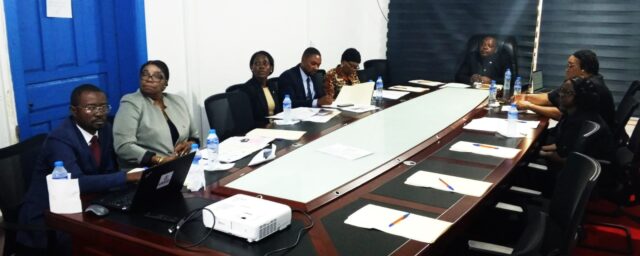
The one-day engagement, held at the Commission’s headquarters in Mamba Point, brought together a broad cross-section of legal and policy stakeholders, including representatives from the Ministry of Justice, the Liberia National Bar Association, the Louis Arthur Grimes School of Law, the Association of Female Lawyers of Liberia, and the Office of President Joseph Nyuma Boakai, among others.
Addressing Longstanding Gaps
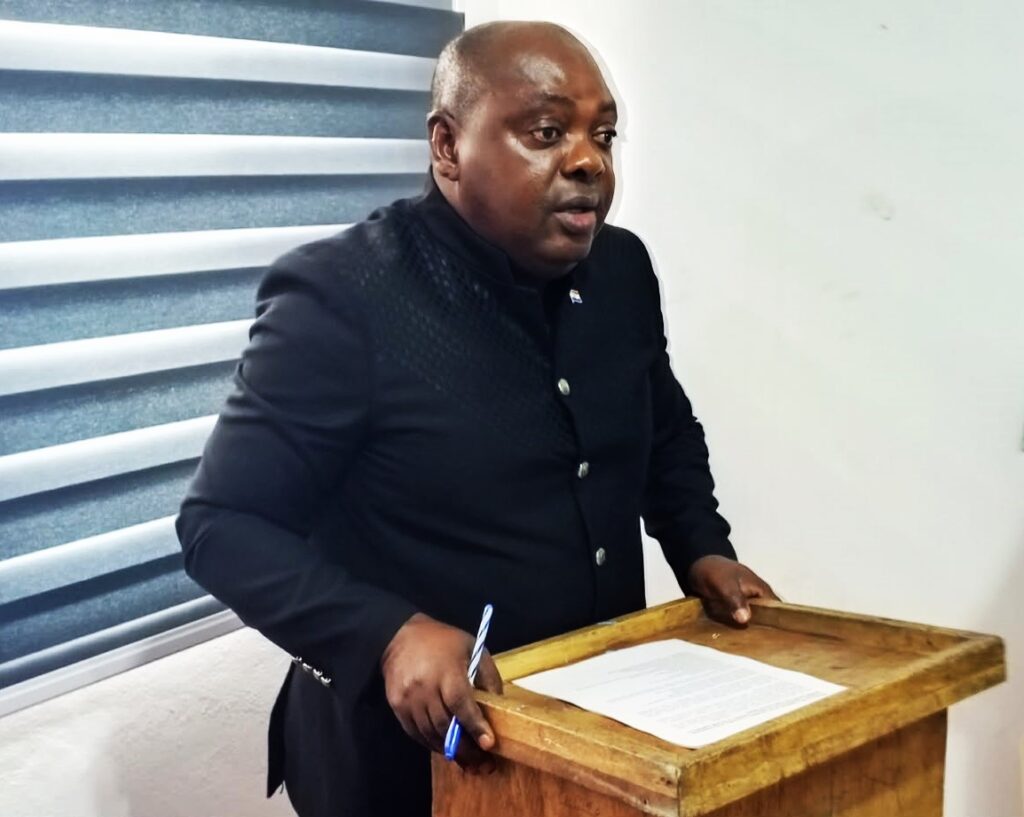
Providing an overview of the initiative, LRC Chairperson Bornor M. Varmah said the move represents a “major milestone” in Liberia’s justice sector reform agenda.
“For decades, family-related disputes such as child custody, divorce, domestic violence, and inheritance have been handled by general jurisdiction courts,” Varmah noted. “While these courts have served the nation, the growing complexity and sensitivity of such cases demand a more specialized and responsive approach.”
He explained that the proposed Family Court would provide a dedicated forum to ensure timely resolution of disputes, promote the welfare of children, and guarantee fair and equitable treatment for all parties.
A Specialized and Inclusive Approach
According to the LRC, the envisioned court will be modeled on international best practices while remaining adaptable to Liberia’s legal and cultural realities.
Key features are expected to include specialized jurisdiction, child-friendly and victim-centered procedures, the integration of alternative dispute resolution mechanisms, and stronger collaboration with social services.
Varmah stressed that the initiative would enhance access to justice, strengthen protections for vulnerable groups, and promote gender equality.
Stakeholders Back Reform Push
Participants at the dialogue widely welcomed the initiative, describing it as long overdue.
Representing the Liberia National Bar Association, Cllr. Mariah Yeakula Kokpor praised the LRC for leading the process but urged stakeholders to ensure that the reform is both practical and sustainable.
“The need for a family law court cannot be overemphasized,” she said, while cautioning that the process must be carefully executed to achieve lasting results.
At the Ministry of Justice, legal consultant Atty. Prince Kolvah also commended the Commission’s leadership and called for broader consultations to ensure inclusivity.
Meanwhile, Dean of the Louis Arthur Grimes School of Law, Cllr. Dr. Neveda Ricks, pledged institutional support and emphasized the importance of establishing rehabilitation services for women and children affected by family disputes.
Government Signals Support
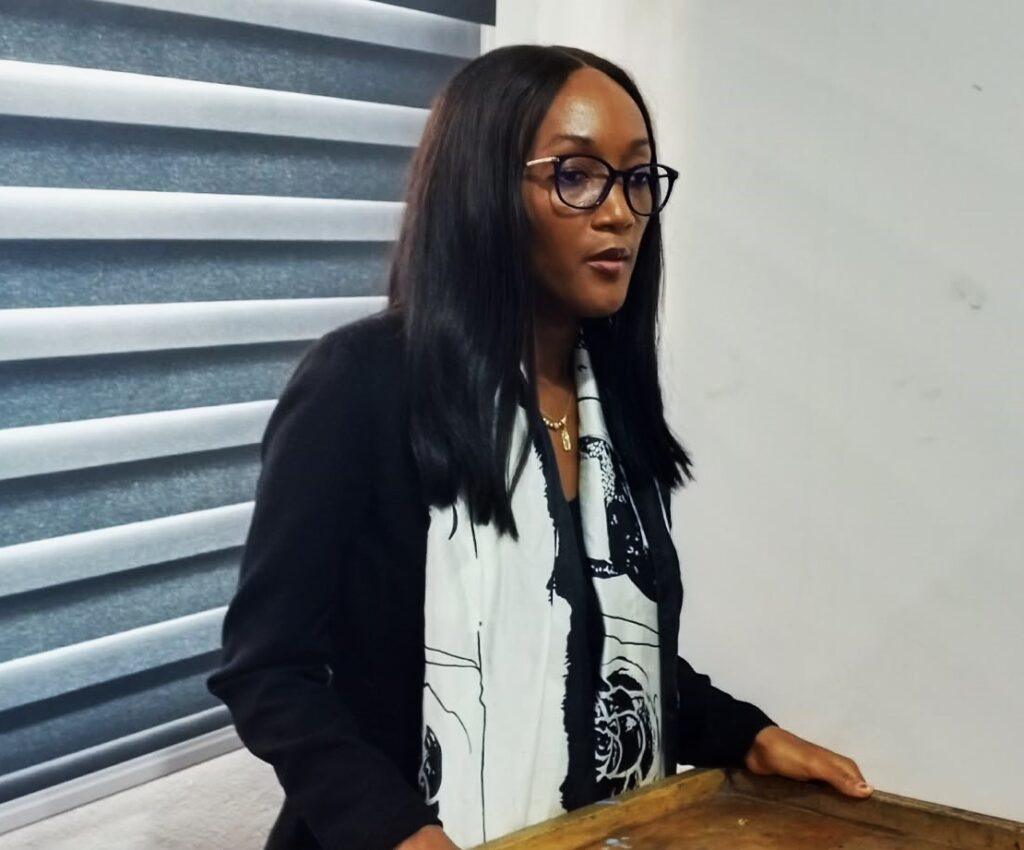
From the Executive Mansion, Lovette Fahnbulleh, speaking on behalf of President Boakai’s Legal Office, reaffirmed the government’s commitment to addressing family-related issues nationwide.
She described the gathering of legal professionals to chart a path for the Family Court as “commendable” and assured stakeholders of the administration’s backing.
Next Steps
The LRC disclosed that it has already conducted extensive consultations with the judiciary, civil society, traditional leaders, and international partners, and is now finalizing draft legislation and policy recommendations to guide the court’s establishment.
Vice Chairperson Felicia V. Coleman, a former Associate Justice of the Supreme Court, is leading technical efforts to shape the proposed legal framework.
A Transformative Reform
Varmah described the establishment of a Family Court as a “bold and necessary step” toward a more inclusive and effective justice system.
“It underscores the Government’s commitment to upholding the rights and dignity of all citizens, particularly the most vulnerable,” he said.
If realized, the Family Court is expected to significantly improve how Liberia handles sensitive domestic cases, marking a transformative shift in the country’s legal landscape.
Follow The Liberian Post on Facebook and X (formerly twitter)