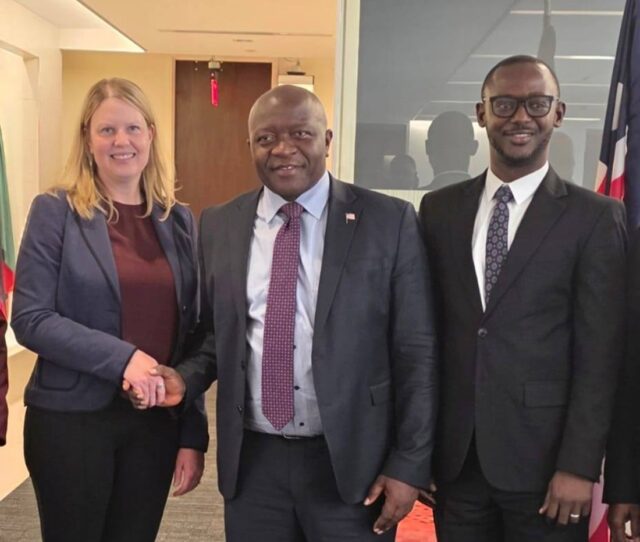
WASHINGTON, D.C. — Liberia has taken a significant step toward securing a second Millennium Challenge Corporation (MCC) Compact, as a high-level government delegation led by Finance and Development Planning Minister Augustine Kpehe Ngafuan held strategic talks with senior officials of the Millennium Challenge Corporation (MCC) on the sidelines of the ongoing IMF/World Bank Spring Meetings.
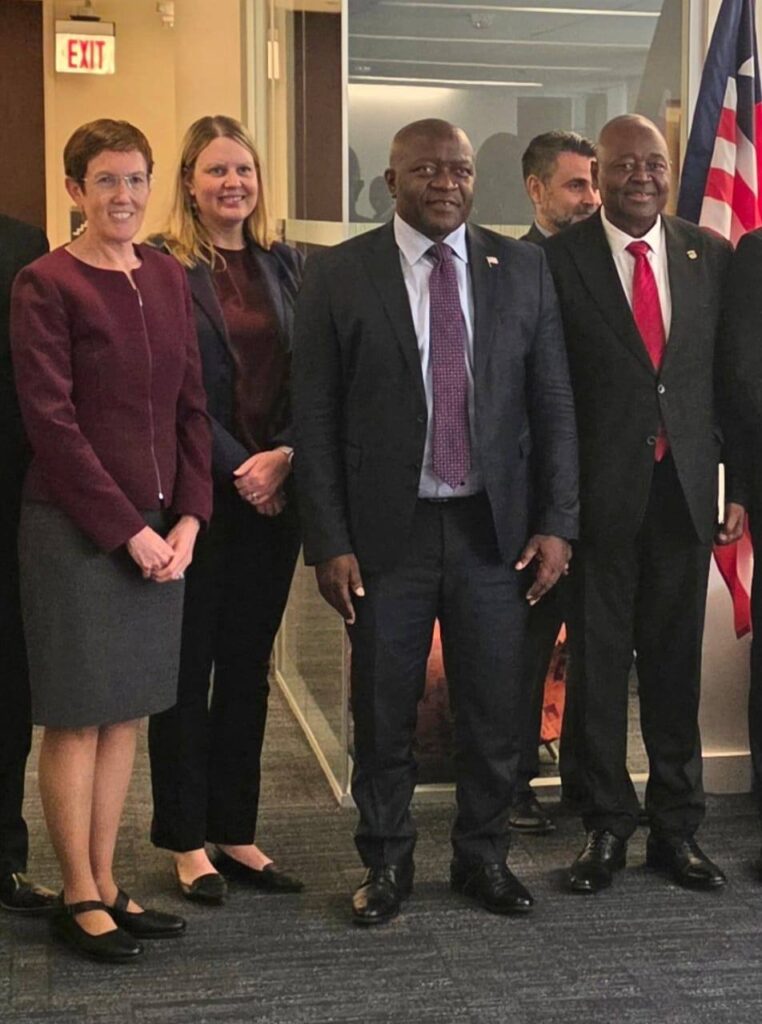
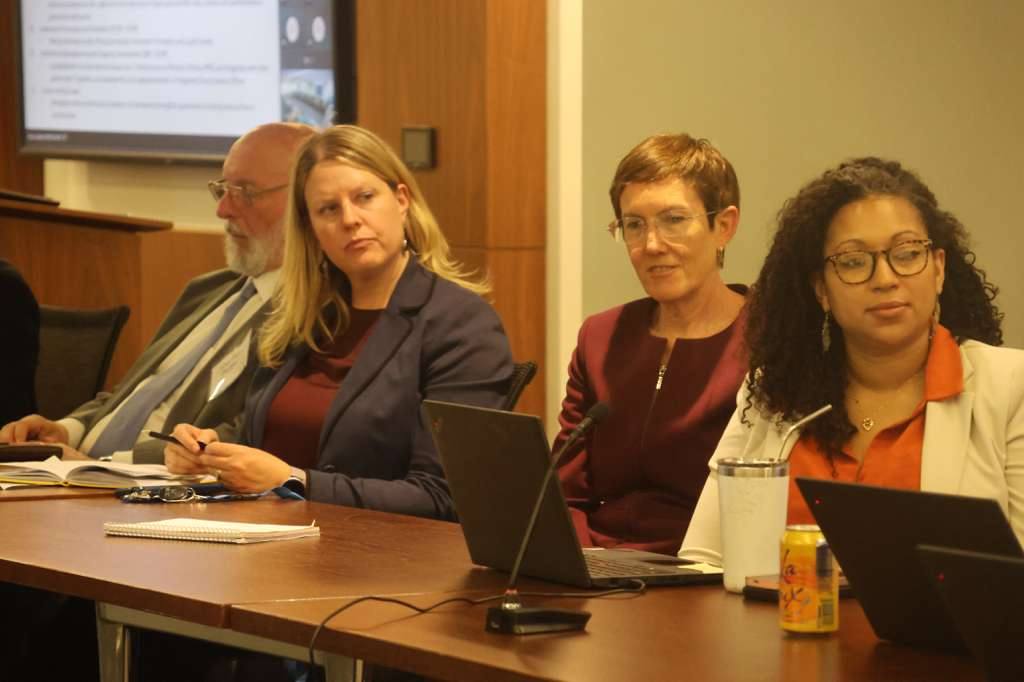
The Liberian delegation met with MCC Managing Director for Africa, Carrie Monahan, and her team in a session that featured an in-depth technical presentation outlining potential areas of investment under Liberia’s proposed second compact—particularly in the energy and mining sectors.
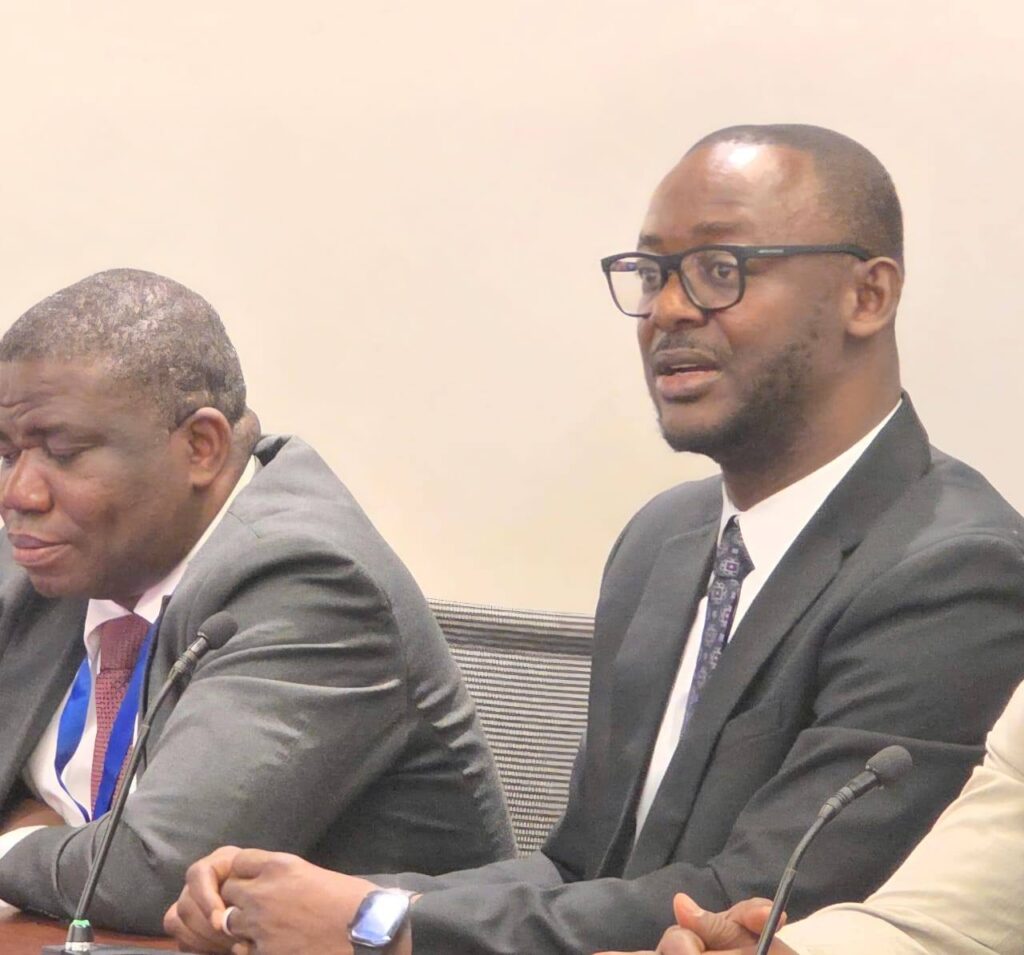
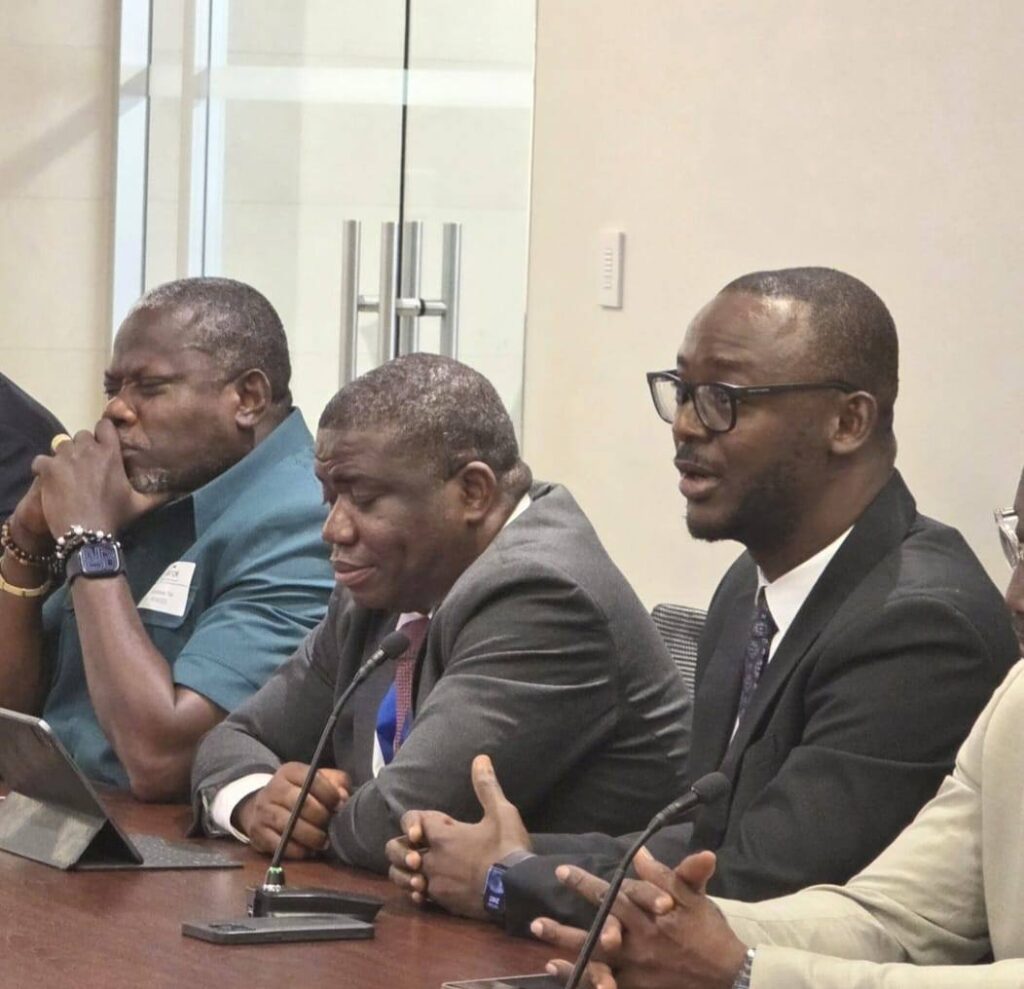
The engagement marked the culmination of more than two days of intensive technical discussions between the Government of Liberia and MCC experts. These sessions, led by Deputy Finance Minister for Economic Management Dehpue Zuo and MCC National Coordinator Alieu Fuad Nyei, focused on identifying priority projects and refining strategic objectives for the compact.
Also participating in the technical process were Deputy Mines and Energy Minister William Hines, Deputy Energy Minister Charles Umehai, and Deputy Managing Director of the Liberia Electricity Corporation (LEC) Mohammed Sow, reflecting the centrality of Liberia’s power and extractive sectors to the proposed program.
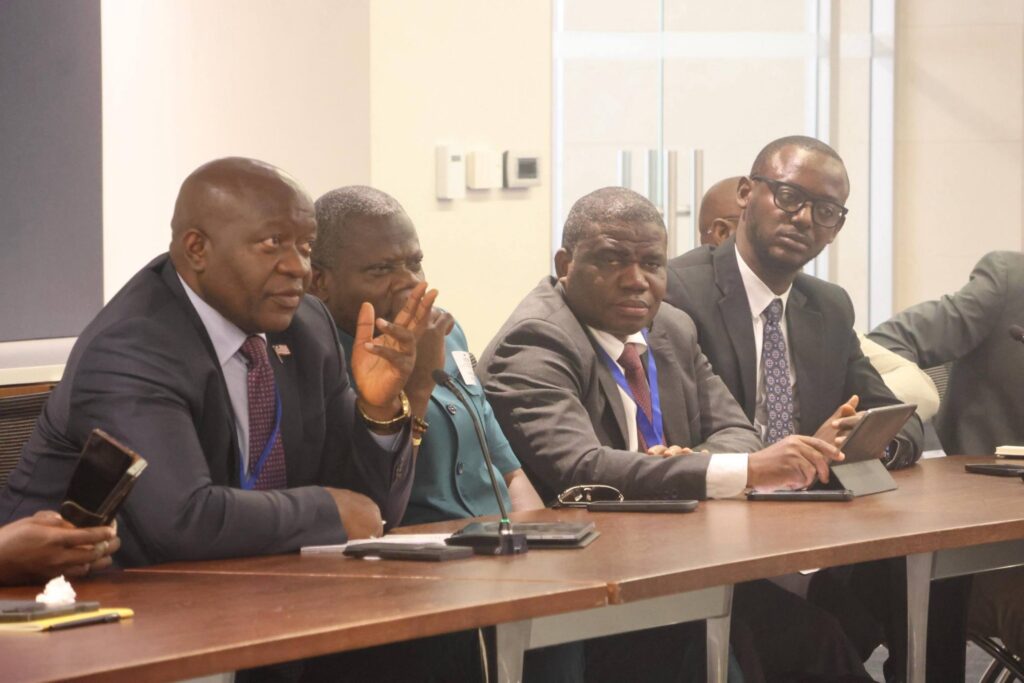
At the high-level meeting, Minister Ngafuan was joined by Public Works Minister Roland Giddings, Information Minister Jerolinmek Piah, LEC Managing Director Mohammed Sheriff, and Liberia’s Ambassador to the United States Al-Hassan Conteh, underscoring a coordinated, whole-of-government approach to the negotiations.
Discussions centered on validating the outcomes of the technical sessions and aligning both sides on the next phase of compact development. Officials reviewed preliminary findings, assessed sector priorities, and agreed on a roadmap toward finalizing Liberia’s second MCC Compact.
The proposed compact is expected to focus heavily on energy access and infrastructure—two critical constraints to Liberia’s economic growth—as well as governance and efficiency in the mining sector.
Liberia’s pursuit of a second compact follows the successful implementation of its first MCC Compact (2016–2021), a US$257 million program that prioritized electricity sector reform and road infrastructure, including the rehabilitation of the Mount Coffee Hydropower Plant and improvements to the country’s transmission network.
While the first compact significantly expanded generation capacity and improved grid stability, access to electricity remains limited, with a large portion of the population still without reliable power. The second compact is therefore expected to build on these gains by expanding distribution, strengthening institutions, and improving sector sustainability.
In addition, the inclusion of the mining sector signals a broader strategy to enhance resource governance and ensure that Liberia derives greater value from its natural wealth—an issue that has gained increasing public attention in recent months.
The MCC, a U.S. government agency, provides grant-based assistance to countries that demonstrate strong performance in governance, economic freedom, and investment in people. Liberia’s continued eligibility reflects ongoing efforts to strengthen policy reforms and institutional accountability.
Officials say the latest engagement represents a critical milestone in the compact development process, with both sides expressing optimism about the direction of discussions.
As negotiations progress, attention will focus on how quickly Liberia can finalize the compact and translate it into tangible investments that expand energy access, improve infrastructure, and support sustainable economic growth.
Follow The Liberian Post on Facebook and X (formerly twitter)