The controversy surrounding Senator Amara Konneh’s remarks in the Senate has exposed a deeper, more consequential question: how does a democracy protect national security without undermining freedom of expression—and vice versa?
This is not a trivial dilemma. It sits at the heart of governance.
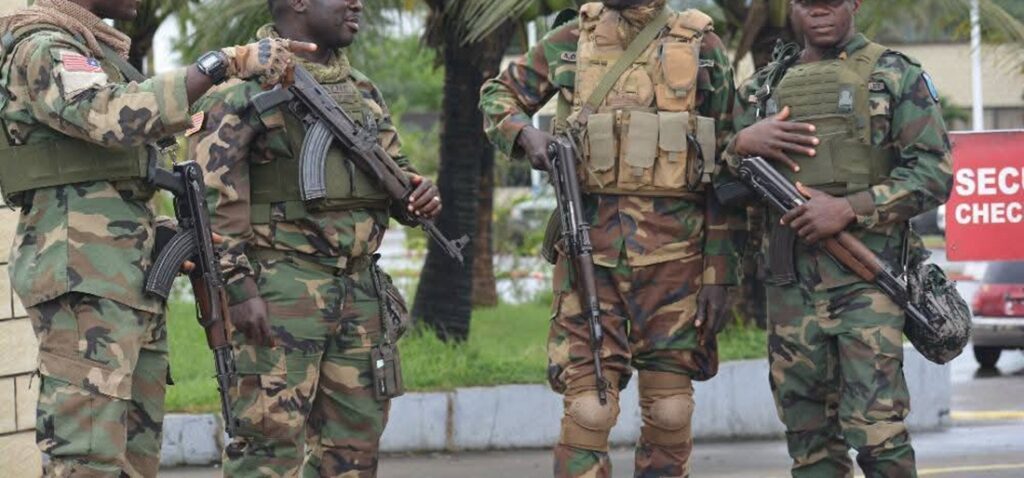
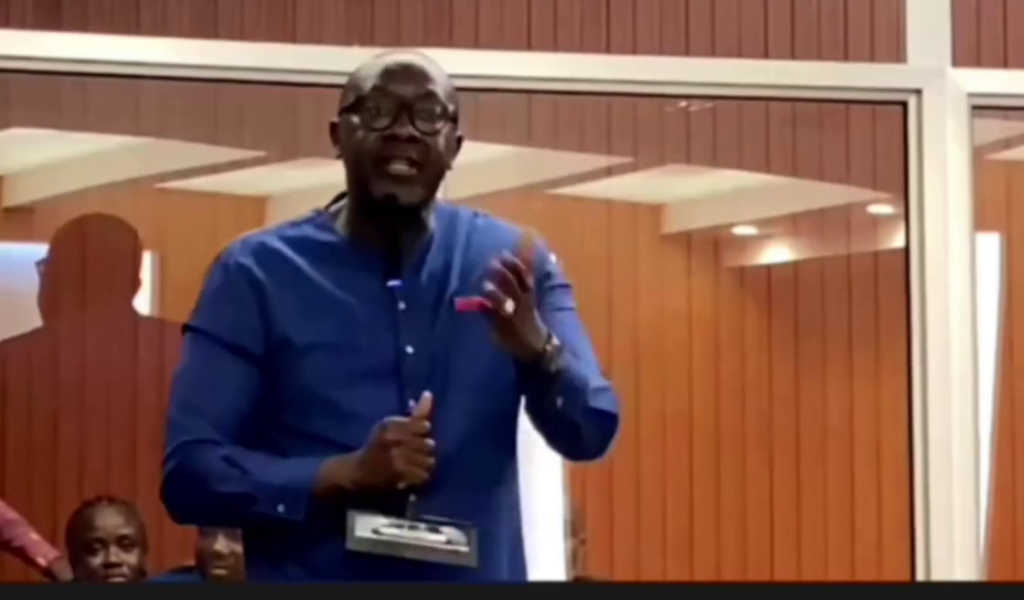
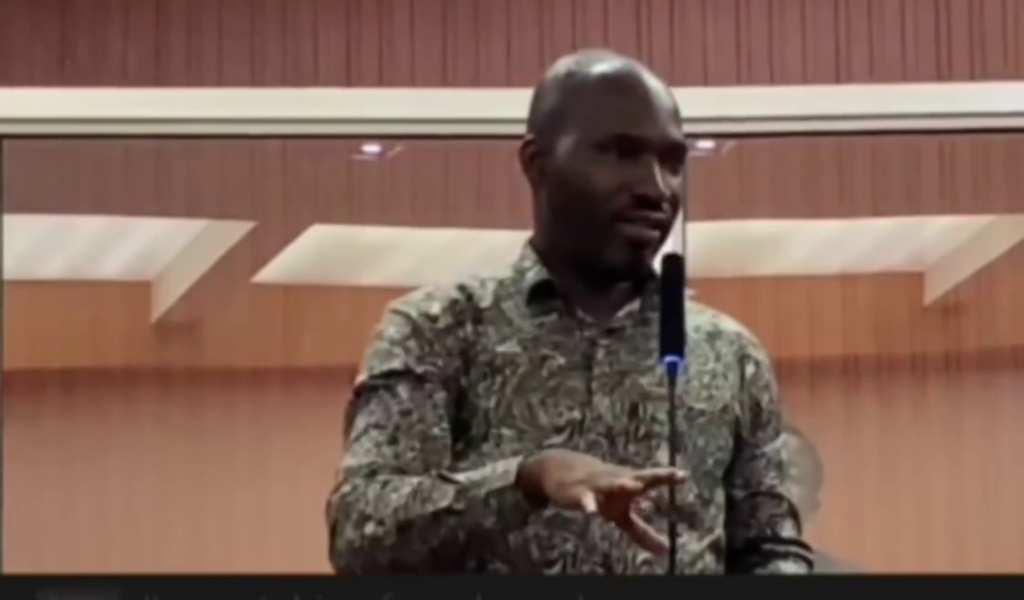
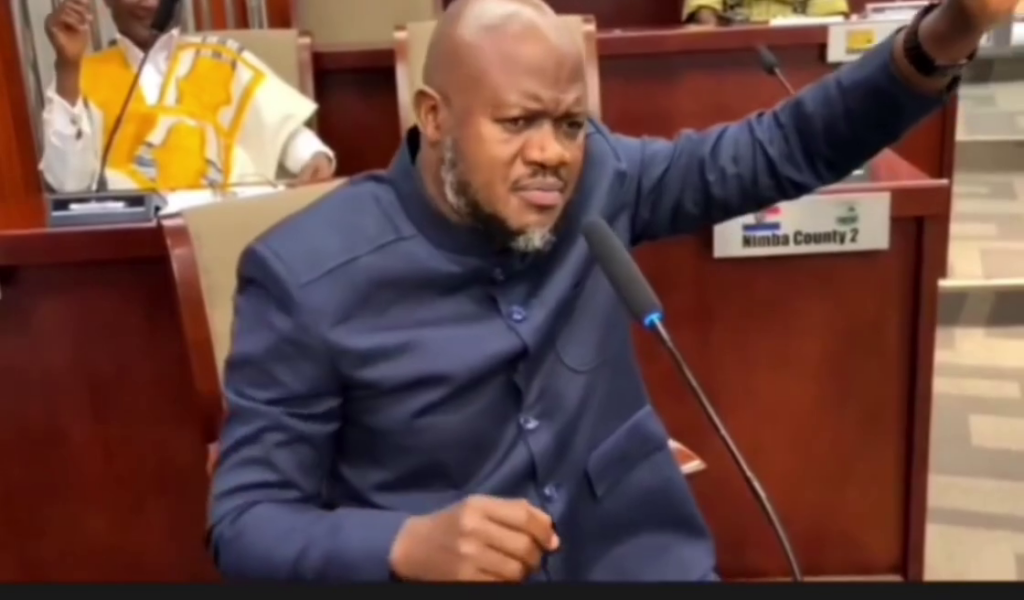
On one side, critics—led by voices like Nimba County Senator Nya D. Twayen Jr. and River Gee Senator Francis Saidy Dopoh —raise a legitimate concern. National security is not ordinary information. Military strength, capabilities, and vulnerabilities are sensitive for a reason. Even when fragments of such information exist in the public domain, their confirmation or articulation by senior officials carries a different weight. It can legitimize data, signal weaknesses, and potentially expose the state to risk.
They are right to insist that public officials must exercise restraint.
But the opposing argument is equally compelling—and equally dangerous to ignore.
Supporters of Senator Konneh point to constitutional protections, particularly the principle that lawmakers must speak freely to perform oversight. Without that freedom, legislative debate becomes hollow, accountability weakens, and critical issues—like the underfunding of the Armed Forces—remain buried under silence.
They are also right.
So where does the balance lie?
The False Choice Between Security and Freedom
The current debate risks framing the issue as a binary: either protect national security or protect free speech. That is a false choice.
A mature democracy does both—but with discipline.
Freedom of expression, especially within the Legislature, is not optional. It is the engine of accountability. If lawmakers cannot openly question the strength, readiness, or funding of national institutions, then meaningful oversight collapses.
Yet freedom without responsibility becomes recklessness.
The problem is not that Senator Konneh spoke about defense weaknesses. The problem, as critics argue, may lie in how those concerns were framed—whether sensitive details were unnecessarily exposed, and whether national interest was carefully weighed.
A Framework for Balance
Our country does not need to choose between secrecy and transparency. It needs a structured approach to managing both.
First, clear classification protocols must be strengthened. What constitutes sensitive national security information should not be left to individual judgment in the heat of debate. Lawmakers must know—clearly and consistently—what can be said publicly and what must be discussed in closed session.
Second, the Legislature should institutionalize closed-door security briefings. Issues involving military capacity, intelligence, or vulnerabilities can and should be debated—but in secure settings where oversight does not become exposure.
Third, there must be internal accountability mechanisms within the Legislature. Constitutional immunity, while essential, should not be mistaken for absolute license. It protects lawmakers from prosecution—not from ethical responsibility or institutional discipline.
Fourth, the Executive must do its part by ensuring that information flows responsibly to lawmakers. When legislators are inadequately briefed, they are more likely to rely on fragmented or public sources—sometimes leading to exactly the kind of controversy now unfolding.
Respecting Both the Soldier and the Citizen
There is also a moral dimension that must not be overlooked.
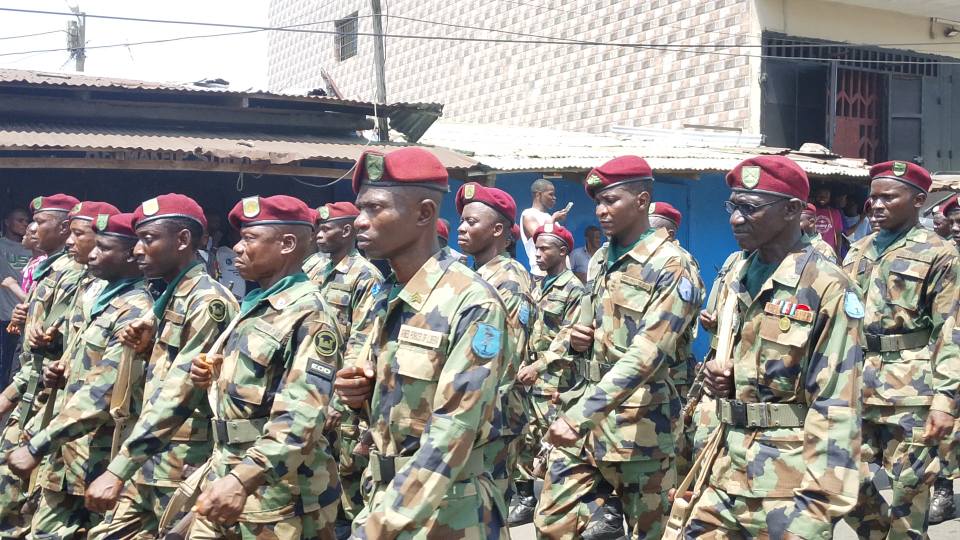
Critics have taken issue not only with the disclosure itself, but with the tone—particularly the characterization of Liberia’s military as “mere.” That concern is valid. Words matter. In a country where security institutions are still evolving, public confidence and morale are critical.
But so too is honesty.
If the Armed Forces of Liberia are under-resourced, under-equipped, or underfunded, that reality must be confronted—not concealed. Silence does not strengthen a military; investment and reform do.
The Way Forward
What Liberia needs now is not escalation, but reflection.
This moment should lead to clearer rules, better discipline, and stronger institutions—not a chilling effect on speech or a reckless disregard for security.
The Senate must resist the temptation to turn this into a political spectacle. Instead, it should use this episode to define standards that will guide future debates.
Because ultimately, the question is bigger than one senator or one statement.
It is about whether this nation can build a democracy that is both secure and free—a country where leaders speak boldly, but wisely; where information is protected, but not weaponized; and where accountability does not come at the expense of national safety.
That balance is not easy. But it is necessary.
Follow The Liberian Post on Facebook and X (formerly twitter)