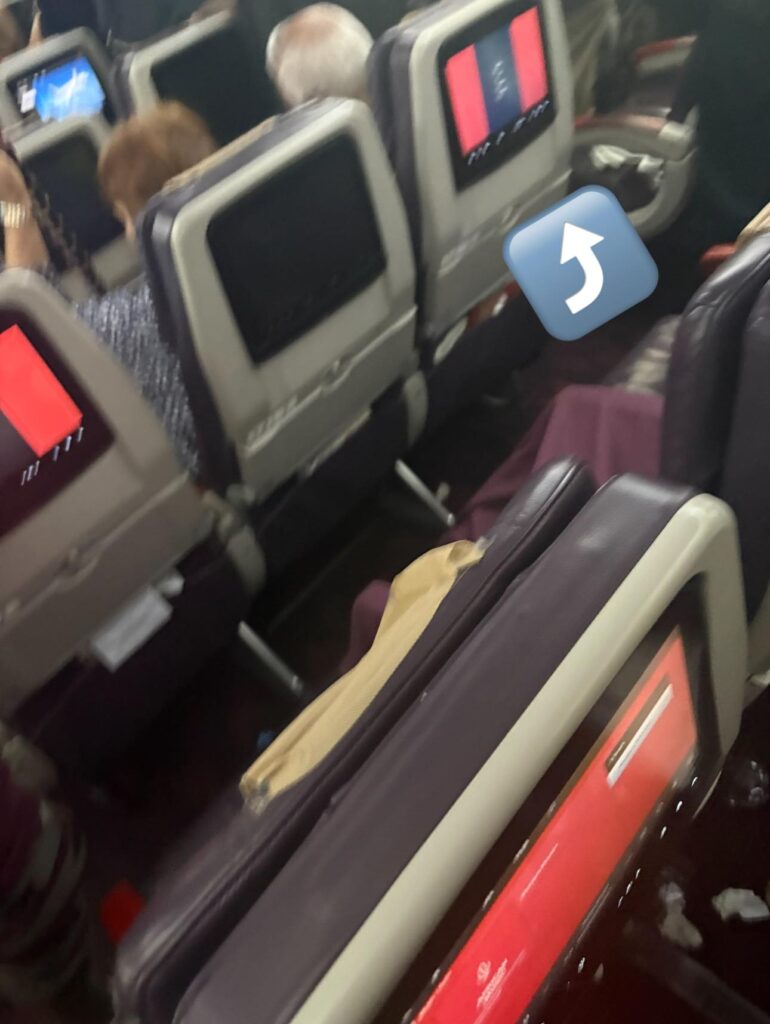
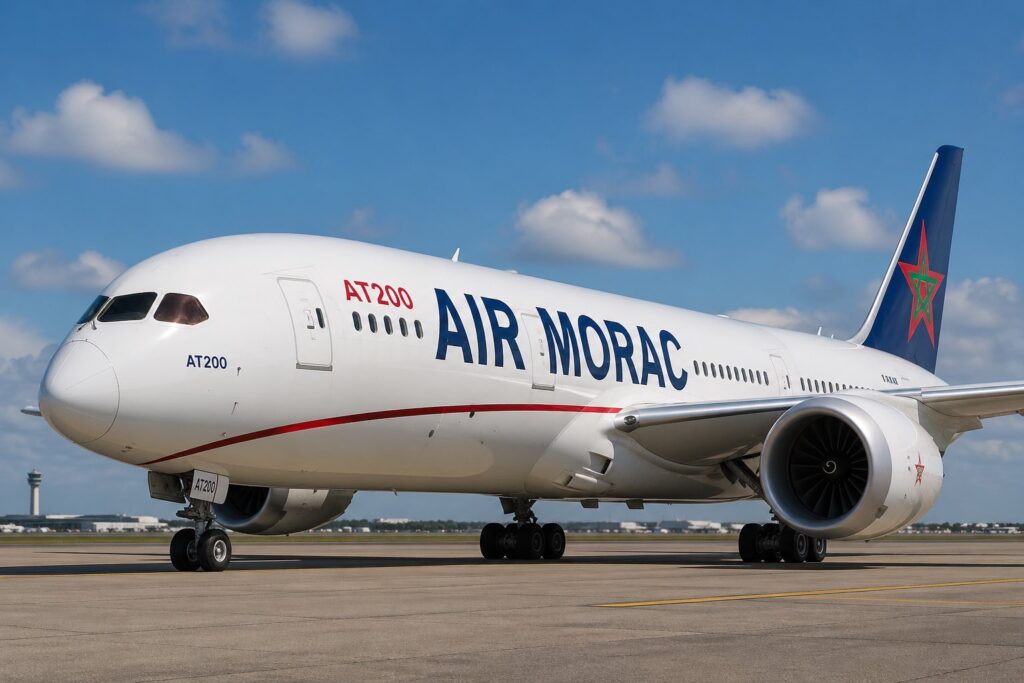
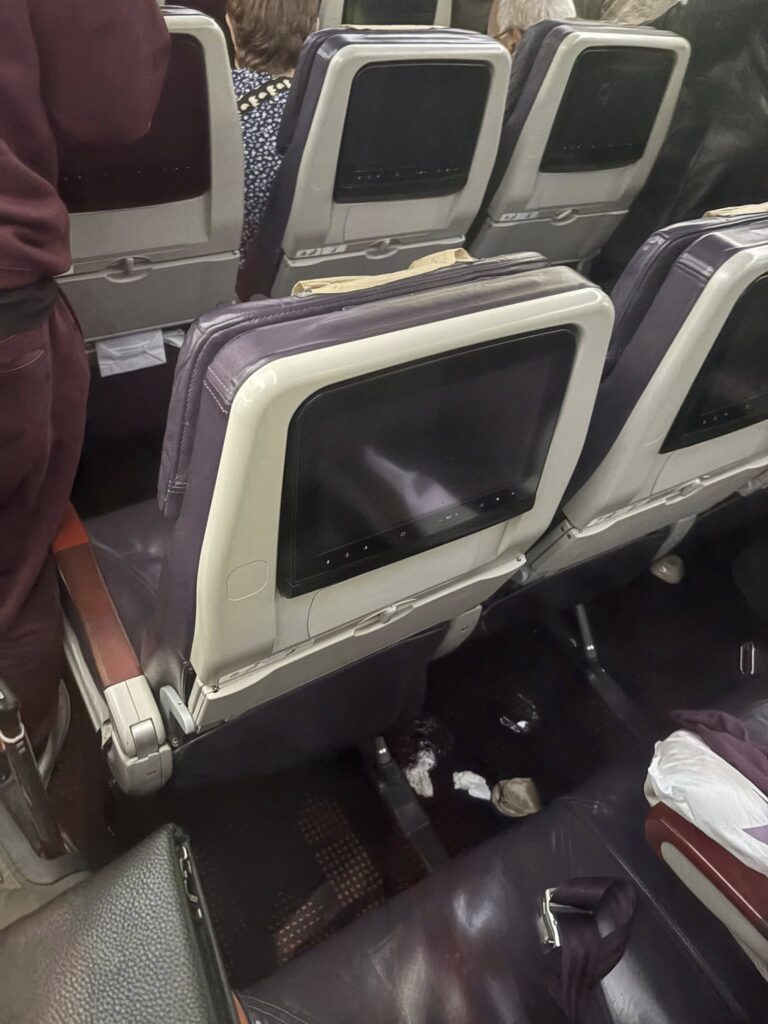
The tragic passing of George Solo aboard a transatlantic flight is more than a moment of grief—it is a moment of reckoning.
A man once at the center of Liberia’s political machinery, a mobilizer within the Congress for Democratic Change, did not die in a hospital surrounded by advanced care. He died mid-air—between continents, between systems, between hope and reality.
That image alone should unsettle us.
A System That Sends Its Citizens Away to Survive
Solo was not traveling for leisure. He was traveling for treatment. And therein lies the first uncomfortable truth: in Liberia today, too many citizens board flights not to explore opportunity, but to escape limitation.
Medical travel has become normalized—quietly accepted as the price of survival. Those who can afford it leave. Those who cannot, stay—and hope.
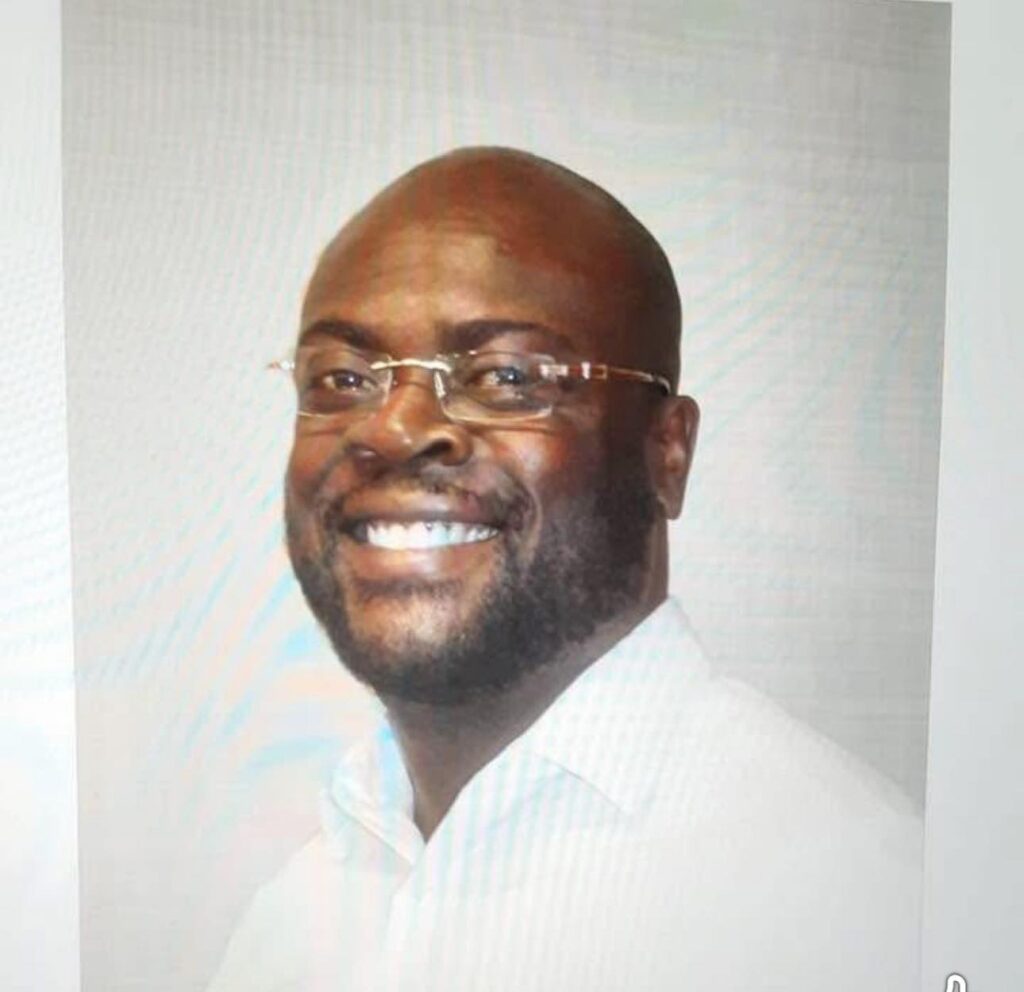
If a prominent figure could not secure timely, effective care within reach, what does that say for the ordinary Liberian?
This is not just a healthcare gap. It is a national indictment.
Power Does Not Guarantee Protection
There is a dangerous illusion in our society—that influence insulates, that power protects. Solo’s death shatters that illusion.
At the end of the day, the body does not recognize status. Illness does not negotiate with political history. A failing system does not discriminate.
When leaders themselves become victims of the systems they helped shape or inherit, the argument for reform ceases to be abstract. It becomes urgent. It becomes personal.
The Silence That Kills
Equally haunting are the reports that Solo repeatedly insisted he was “fine,” even as his condition worsened.
This, too, is a national story.
Too many Liberians endure pain quietly. Too many delay seeking help—out of fear, pride, cost, or cultural conditioning. We minimize symptoms. We normalize suffering. We say “I’m okay” when we are not.
And sometimes, that silence becomes fatal.
Public health is not only about infrastructure. It is also about awareness, behavior, and the courage to seek help early.
Compassion in the Absence of Systems
Yet, amid this tragedy, there was humanity.
A fellow Liberian—unknown, unconnected—stepped forward. He noticed. He cared. He acted.
In that moment, where systems were limited and options constrained, compassion became the first line of response.
That matters.
It reminds us that while institutions may falter, the moral responsibility of citizens does not disappear. Liberia’s greatest strength has always been its people—the instinct to help, to stand with one another, even in the most uncertain circumstances.
But let us be clear: compassion should complement systems, not replace them.
Beyond Politics, Toward Humanity
George Solo’s life, like many in Liberia’s political space, was defined by loyalty, contestation, and public debate. But in death, those divisions fade.
What remains is a human story—a man in distress, a journey cut short, a nation reflecting.
This is not a moment for partisan scoring. It is a moment for collective introspection.
From Reflection to Reform
The danger now is not grief. The danger is forgetfulness.
Liberia has witnessed tragedies before—moments that stirred outrage, conversation, and promises. Too often, those moments fade without producing lasting change.
This must not be one of them.
A death in the sky must trigger action on the ground:
- Strengthening healthcare infrastructure so fewer Liberians are forced abroad
- Improving emergency response systems—both domestically and in transit
- Expanding public health awareness to combat late intervention
- Encouraging transparency and accountability in health policy
This is not optional. It is necessary.
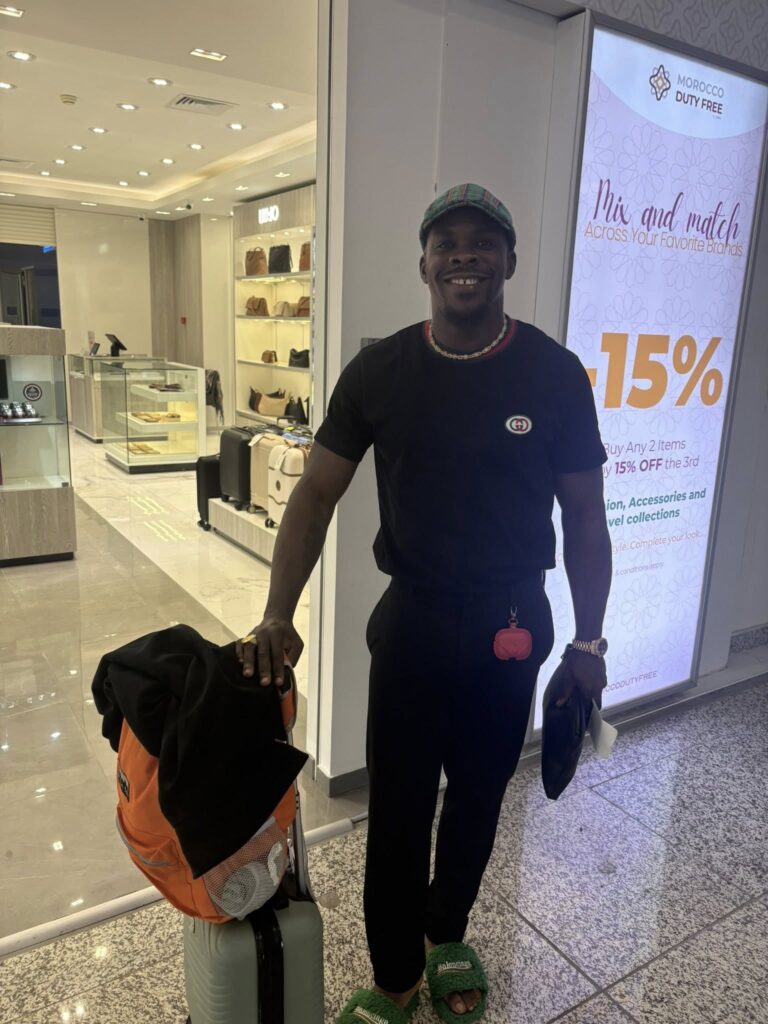
A Defining Moment
George Solo’s passing is painful. But it also offers clarity.
It tells us where we are failing.
It shows us what we are ignoring.
It demands that we do better.
If this moment passes without reform, then it becomes just another story—another headline, another loss absorbed into national memory.
But if it sparks action—real, measurable, sustained—then his death will not be in vain.
The choice is ours.
Follow The Liberian Post on Facebook and X (formerly twitter)