MONROVIA — Vice President Jeremiah Kpan Koung has firmly ruled out any possibility of military confrontation between Liberia and Guinea, emphasizing that all disputes between the two neighboring countries will be resolved through diplomacy and regional cooperation.
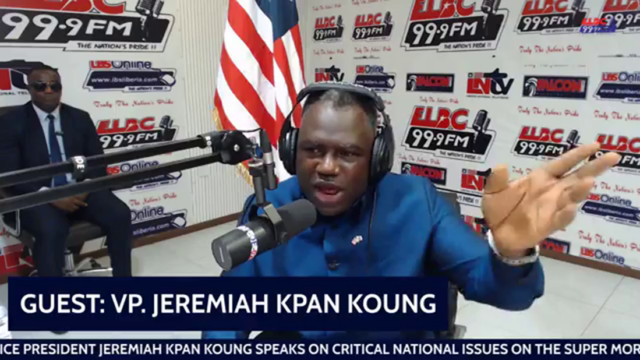
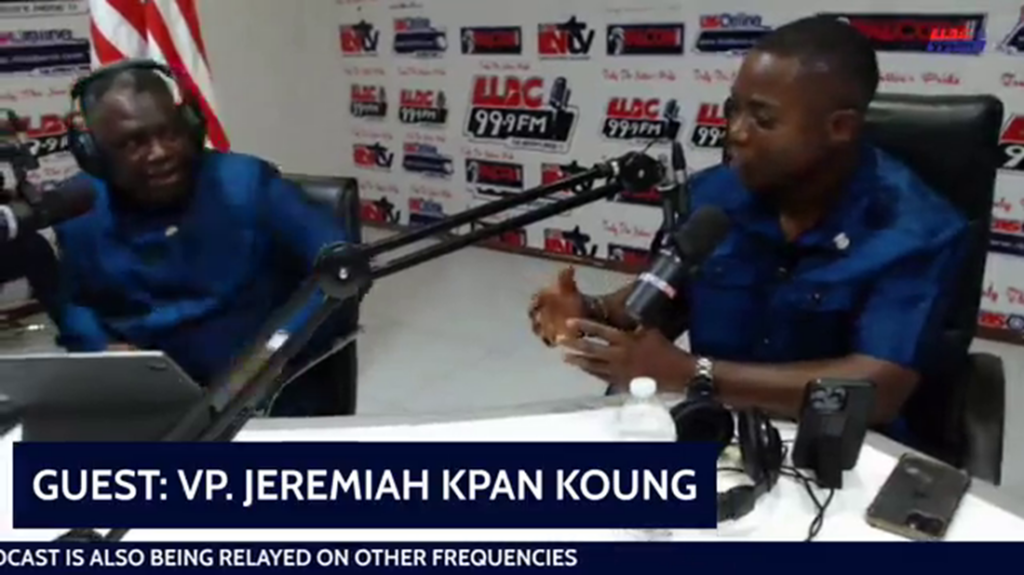
Speaking Monday, April 27, on ELBC 99.9 FM, the state broadcaster, Koung sought to calm rising public concern following reports of border tensions in Lofa County, where Guinean soldiers were recently accused of crossing into Liberian territory and erecting a flag in Sorlumba.
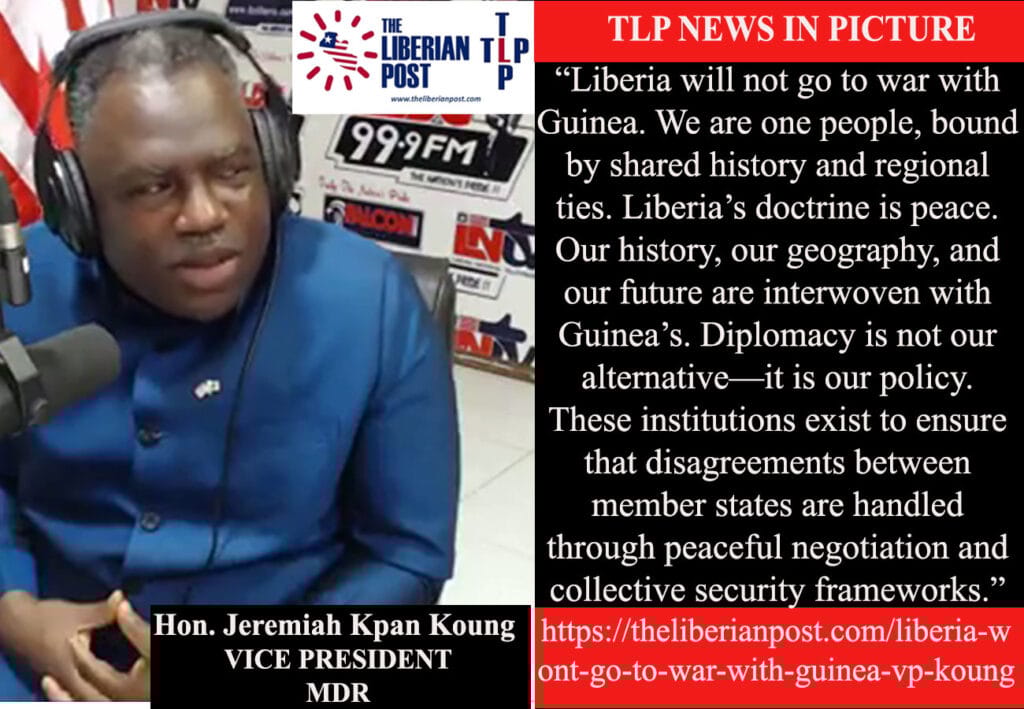
“Liberia will not go to war with Guinea. We are one people, bound by shared history and regional ties,” the Vice President said during the live radio interview.
His remarks come amid growing public discourse over the incident, which has reignited long-standing sensitivities along the Liberia-Guinea border. Residents of Sorlumba in Lofa County have reported that Guinean troops entered the area and allegedly laid claim to portions of land, prompting concern among local communities and national authorities.
Diplomacy Over Conflict
Koung stressed that the administration of President Joseph Nyuma Boakai remains committed to peaceful engagement with Guinea, noting that Liberia’s foreign policy is anchored on dialogue rather than confrontation.
“Liberia’s doctrine is peace,” he said. “Our history, our geography, and our future are interwoven with Guinea’s. Diplomacy is not our alternative—it is our policy.”
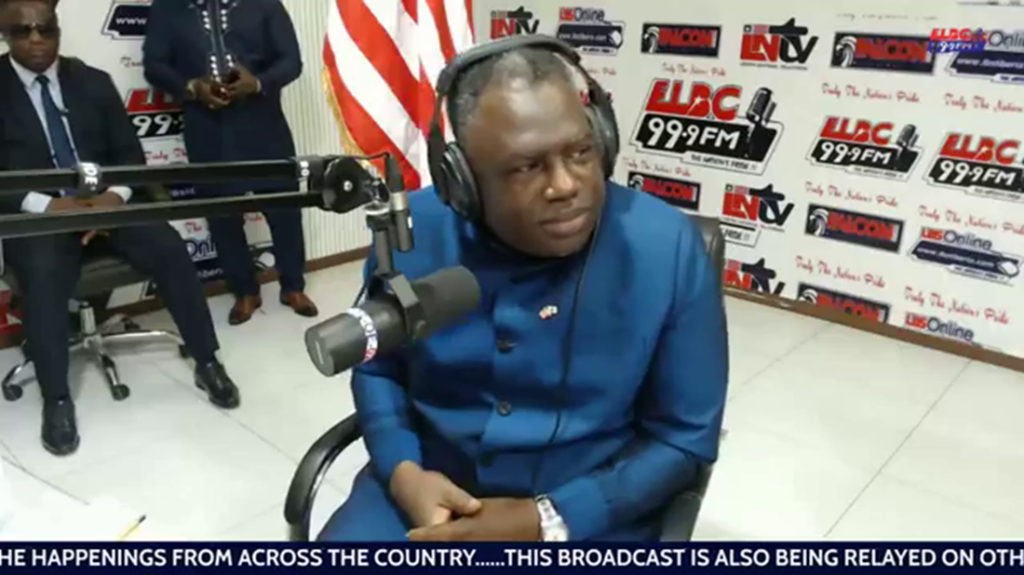
He further disclosed that the government is actively engaging Guinean authorities through diplomatic channels to resolve the situation, adding that constructive dialogue remains the most effective path forward.
The Vice President also pointed to Liberia’s participation in regional bodies such as the Economic Community of West African States and the Mano River Union as critical mechanisms for addressing cross-border disputes.
“These institutions exist to ensure that disagreements between member states are handled through peaceful negotiation and collective security frameworks,” he noted.
Border Tensions and Regional Context
The Liberia-Guinea border has historically experienced periodic disputes, often linked to unclear demarcations and local land use claims. However, both countries have largely maintained peaceful relations, reinforced by shared membership in ECOWAS and the Mano River Union.
The recent situation in Sorlumba has drawn attention due to reports that Guinean soldiers not only crossed into Liberian territory but also symbolically asserted control by raising their national flag—an action that has been widely discussed on social and traditional media.
While addressing broader national issues during the interview, Koung made indirect reference to the tensions, warning about the risks of overdependence on neighboring countries, particularly in areas such as electricity supply.

“Guinea… they’re putting a flag in front of the border… your power cannot be dependent on other countries,” he said, using the example to underscore Liberia’s vulnerability to external pressures.
Though framed within an economic context, the statement reflected underlying concerns about sovereignty and regional dynamics.
Call for Calm and Cooperation
The Vice President’s comments appear aimed at de-escalating tensions while reassuring Liberians that the government is handling the matter through appropriate diplomatic channels.
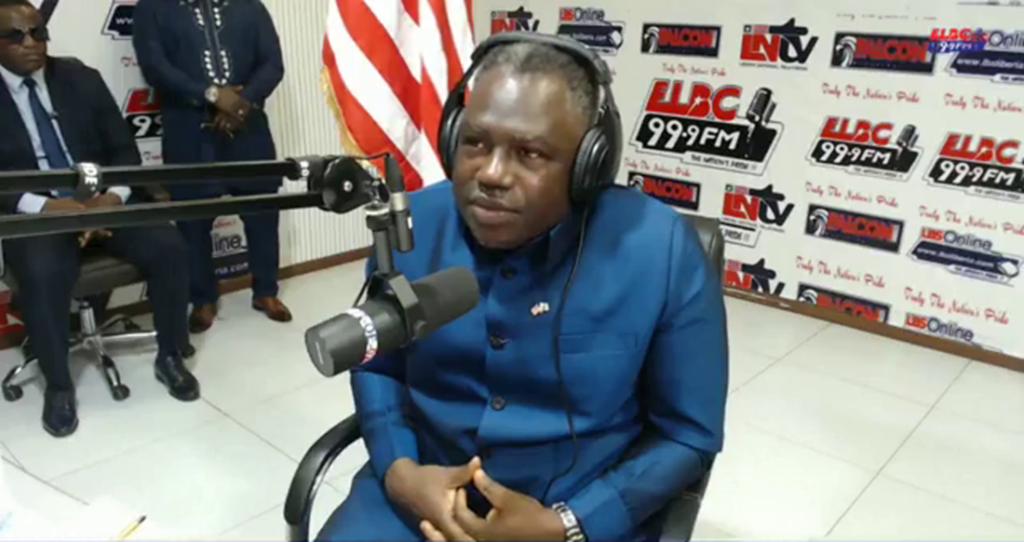
Analysts say the administration’s stance aligns with Liberia’s long-standing commitment to peacebuilding, particularly given its own history of civil conflict and its role in promoting stability within the Mano River basin.
Koung urged citizens to remain calm and avoid inflammatory rhetoric, emphasizing that maintaining peaceful relations with neighboring countries is essential for regional development and security.
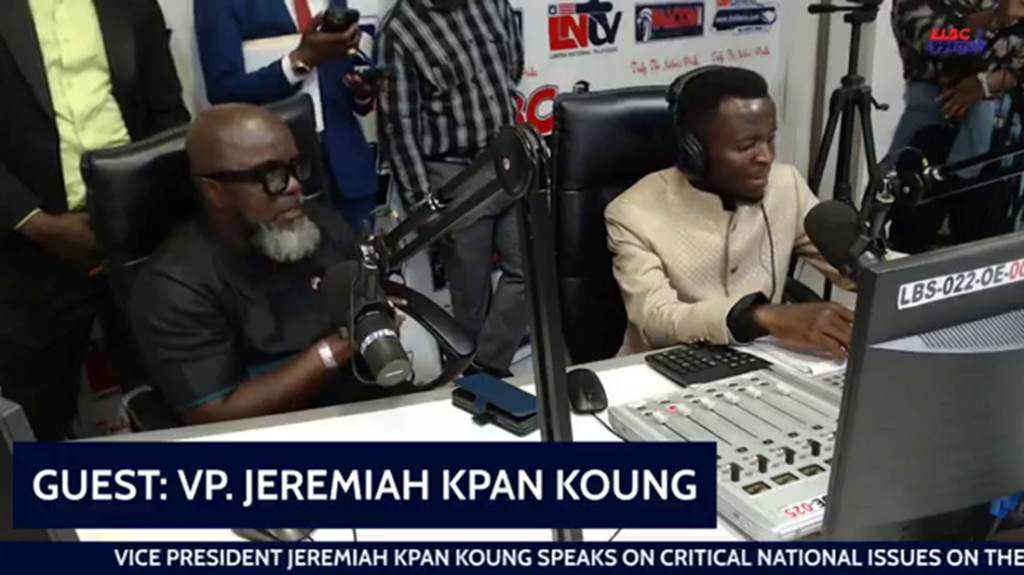
“Our approach is clear,” he said. “We will engage, we will talk, and we will resolve our differences peacefully.”
As discussions continue between Monrovia and Conakry, attention now turns to how both governments will manage the situation and prevent further escalation, while reinforcing mechanisms for border cooperation and dispute resolution.
Follow The Liberian Post on Facebook and X (formerly twitter)