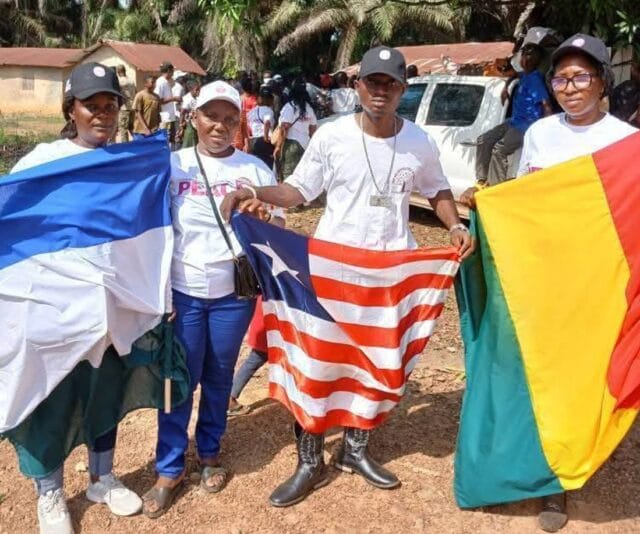
SORLOMBA TOWN, Lofa County — Members of the Kissi ethnic community across Liberia, Guinea, and Sierra Leone have staged coordinated peaceful demonstrations, calling for urgent diplomatic intervention to resolve longstanding border disputes that continue to disrupt lives across the tri-national region.
The marches, held on April 24 and 25, took place simultaneously in Sorlomba Town along the Liberia–Guinea border and Yenga Town, a historically contested area between Sierra Leone and Guinea. Participants described the demonstrations as a unified appeal for peace, coexistence, and respect for shared cultural identity.
Peaceful Mobilization Rooted in Shared Identity
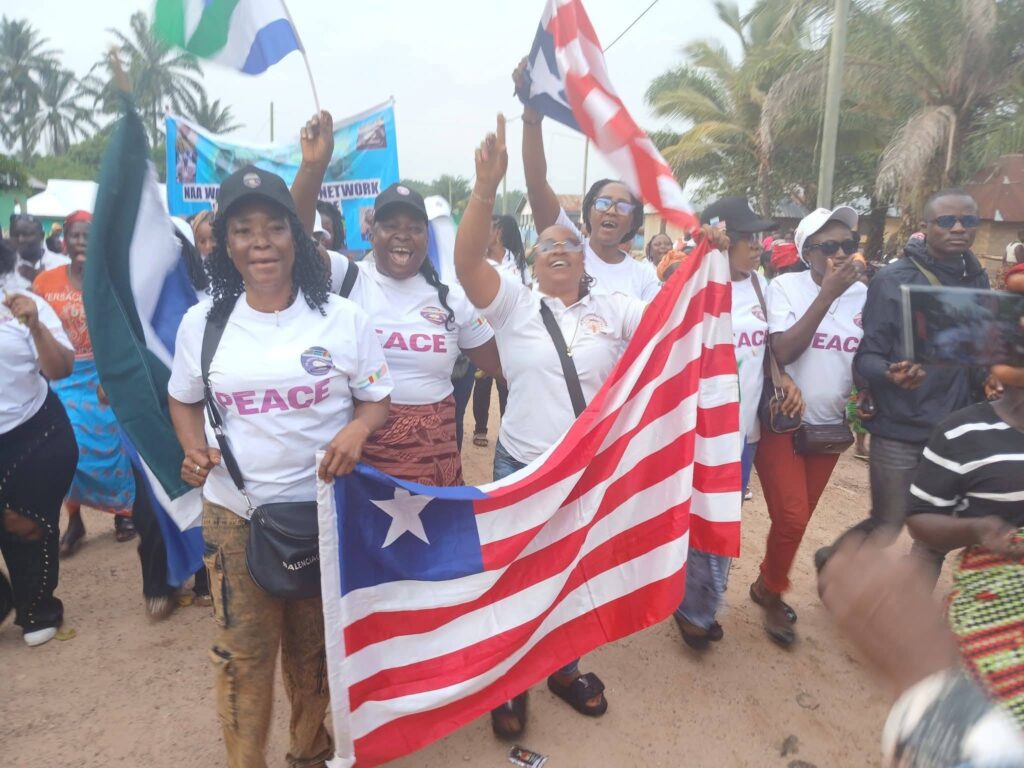
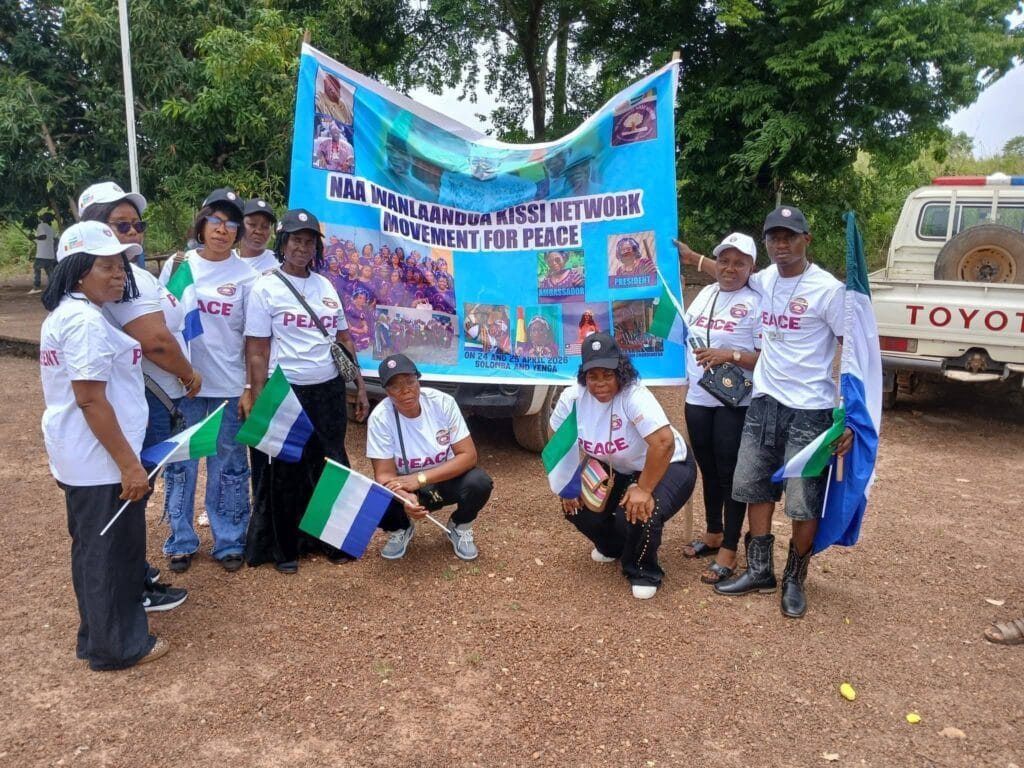
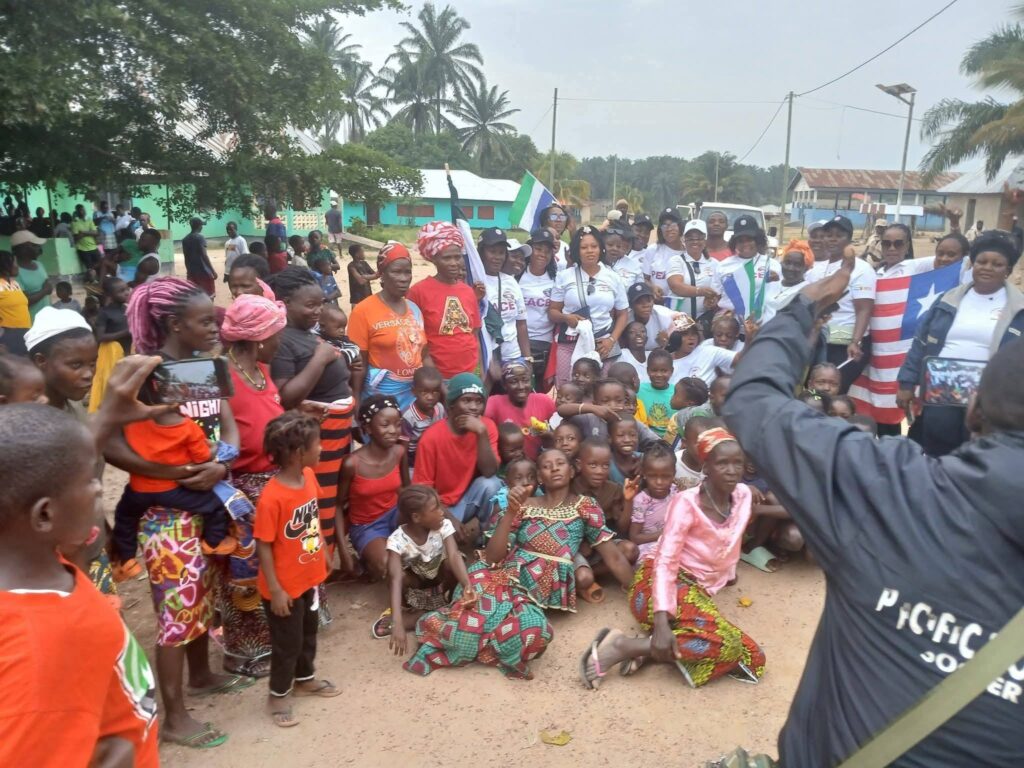
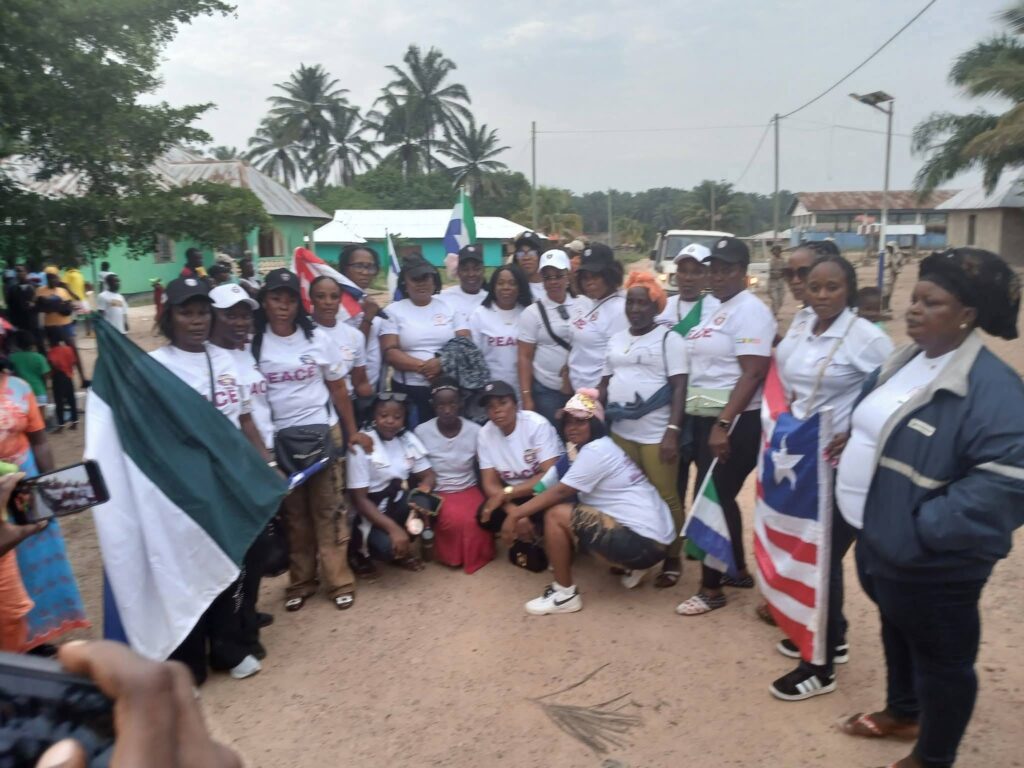
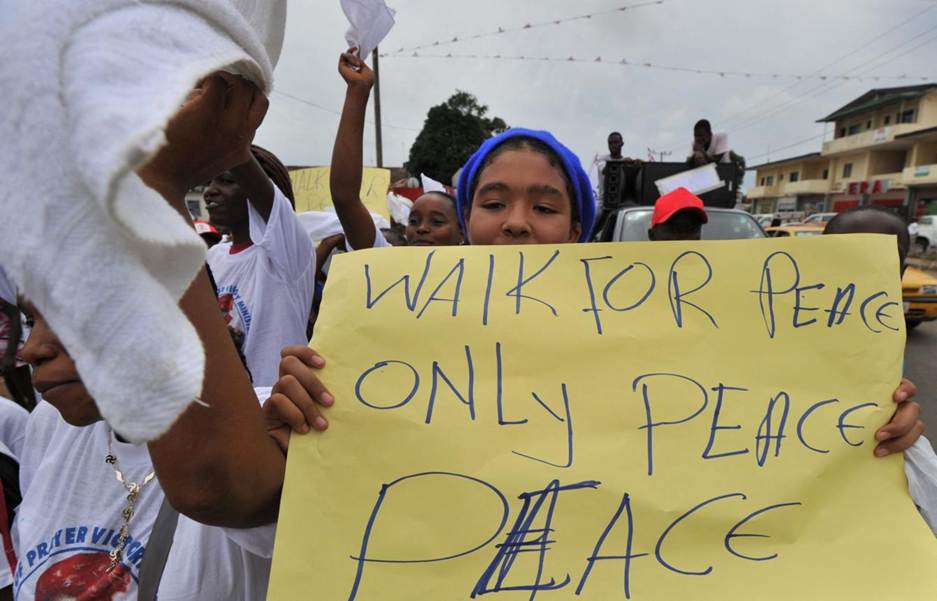
Dressed largely in white T-shirts emblazoned with the word “PEACE,” demonstrators—many of them women—marched through rural communities waving national flags of Liberia, Sierra Leone, and Guinea. The visual symbolism underscored their central message: that the Kissi people remain one community despite colonial-era borders dividing them.
Banners carried by participants identified the movement as the “Naa Wanlaandu Kissi Network Movement for Peace,” reinforcing the grassroots nature of the initiative and its focus on unity across borders.
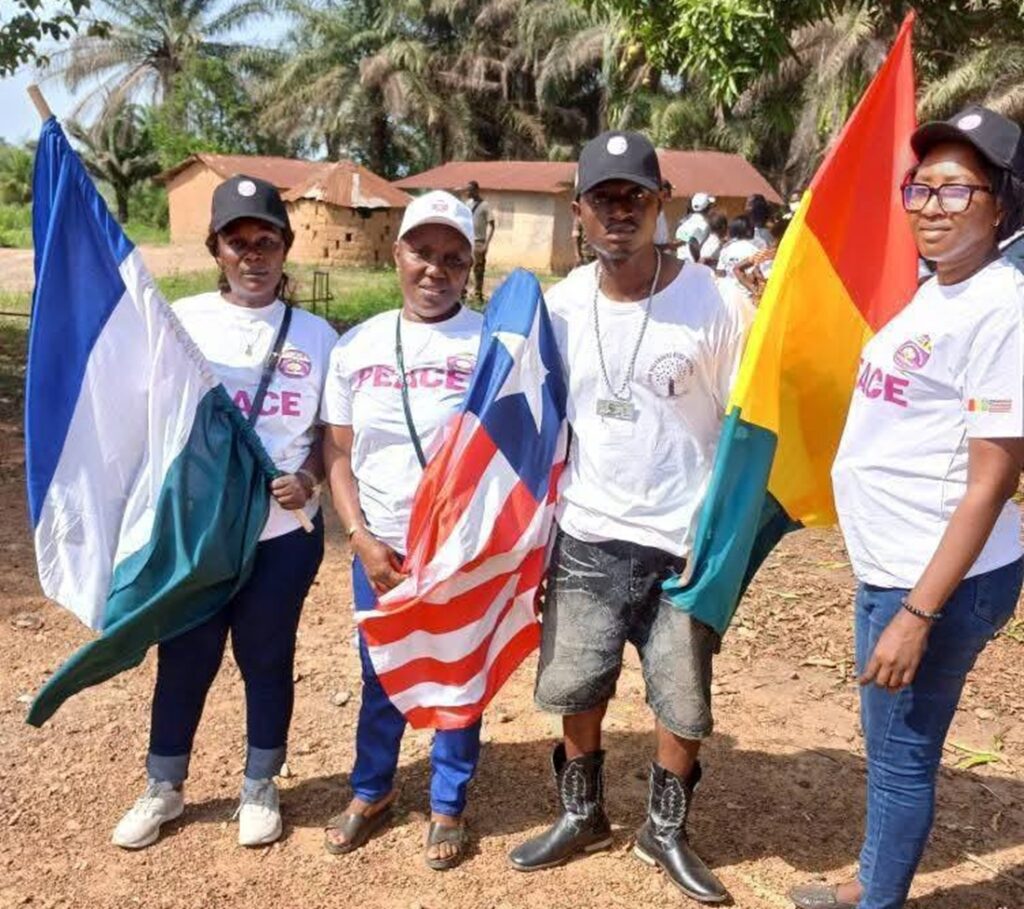
In several scenes, groups gathered for solidarity photos alongside community members, including women and children, highlighting the broad local participation and the human dimension of the ongoing dispute.
Background: Border Tensions Resurface
The demonstrations come against the backdrop of renewed tensions along the Liberia–Guinea border, particularly in Lofa County. Recent reports indicate that Guinean soldiers crossed into Liberian territory in Sorlomba and allegedly erected a flag, raising concerns over territorial encroachment.
The Liberia-Guinea border, like many in West Africa, was shaped during colonial rule and has remained loosely demarcated in several areas. Communities such as the Kissi—whose ancestral lands span all three countries—have long faced challenges related to identity, land ownership, and cross-border movement.
Similarly, Yenga Town has for decades been a flashpoint between Sierra Leone and Guinea, with disputes occasionally escalating into diplomatic tensions.
Call for Diplomacy Over Division
Participants in the marches emphasized that their actions were not political protests but rather community-driven appeals for peaceful resolution.
“We are one people,” one marcher was heard chanting during the procession. “Let peace lead us, not conflict.”
Organizers urged the governments of Liberia, Guinea, and Sierra Leone to prioritize dialogue, strengthen border cooperation mechanisms, and ensure that local populations are not caught in geopolitical disputes.
The protests remained peaceful throughout, with no reports of violence or confrontation.
Women and Youth Lead the Movement
A striking feature of the demonstrations was the strong presence of women and youth, many of whom took leading roles in organizing and mobilizing participants. Observers say this reflects the disproportionate impact border tensions have on families, traders, and rural livelihoods.
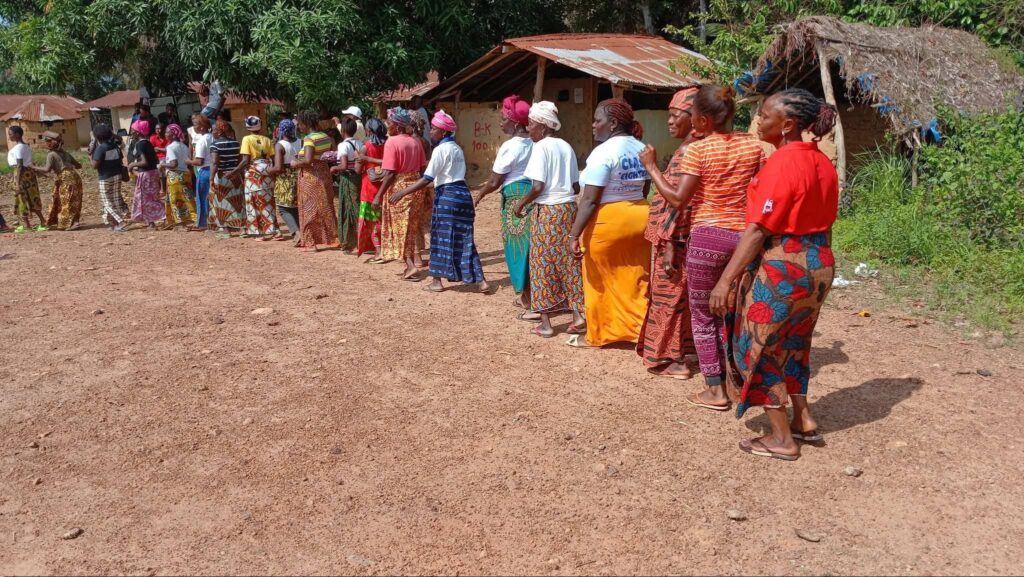
Women in particular were seen carrying flags, leading chants, and coordinating groups—signaling a growing grassroots leadership in peace advocacy across the region.
Uncertain Next Steps
While no formal statement has yet been issued by community leaders, participants indicated that further advocacy efforts could follow if governments fail to respond swiftly.
Analysts note that such grassroots mobilization could place additional pressure on regional bodies like ECOWAS and the Mano River Union to intervene diplomatically and help resolve lingering border disputes.
For now, the message from Sorlomba and Yenga is clear: amid rising tensions, local communities are choosing peace—and calling on their governments to do the same.
Follow The Liberian Post on Facebook and X (formerly twitter)