

MONROVIA – President Joseph Nyuma Boakai has reaffirmed his administration’s commitment to strengthening Liberia’s media sector, emphasizing the critical role of responsible journalism, public broadcasting, and digital communication in national development and democratic governance.
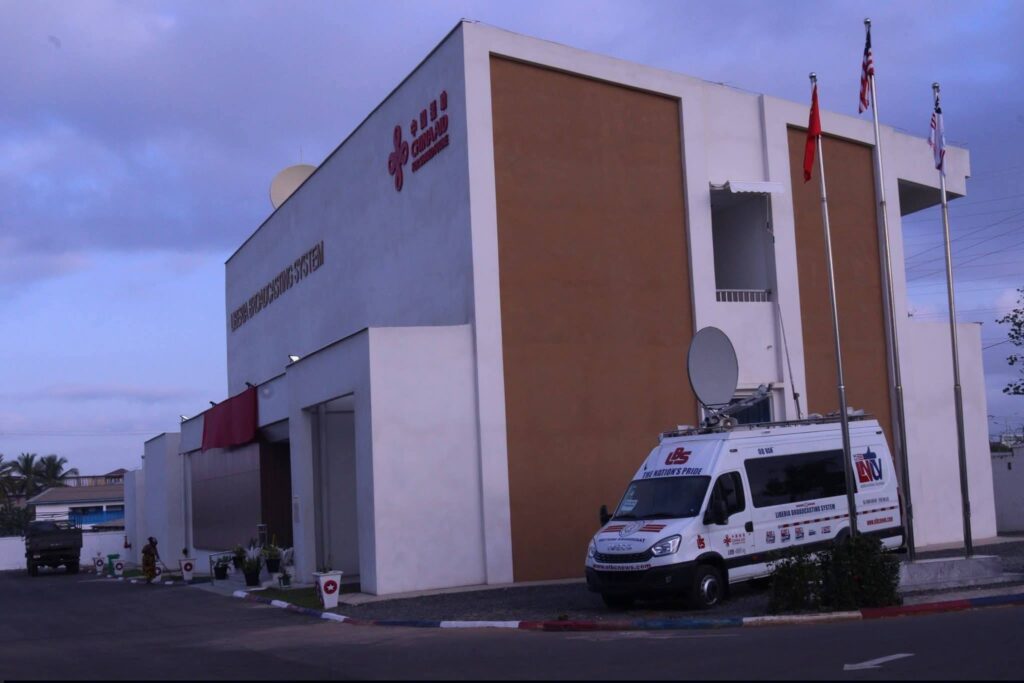
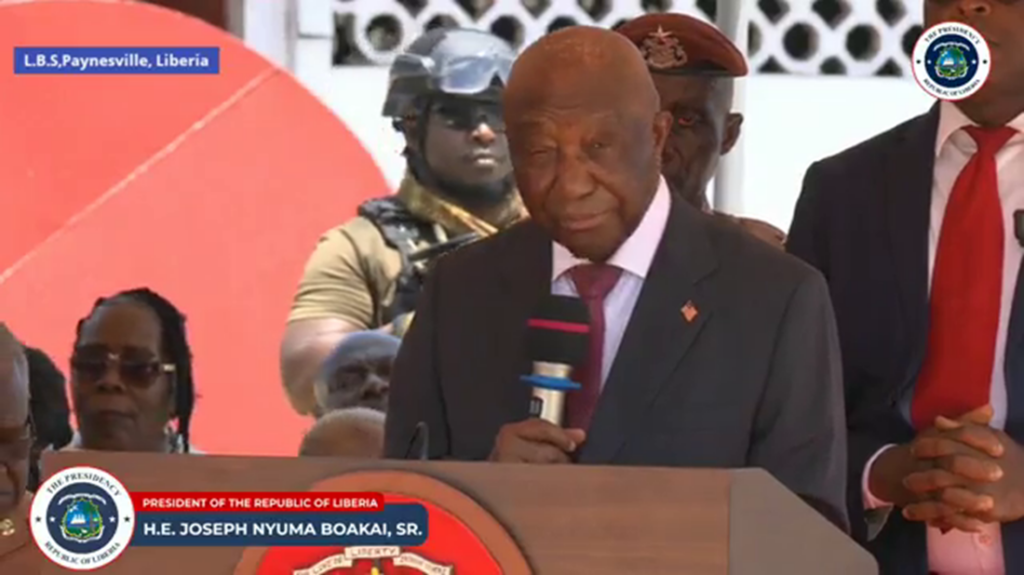
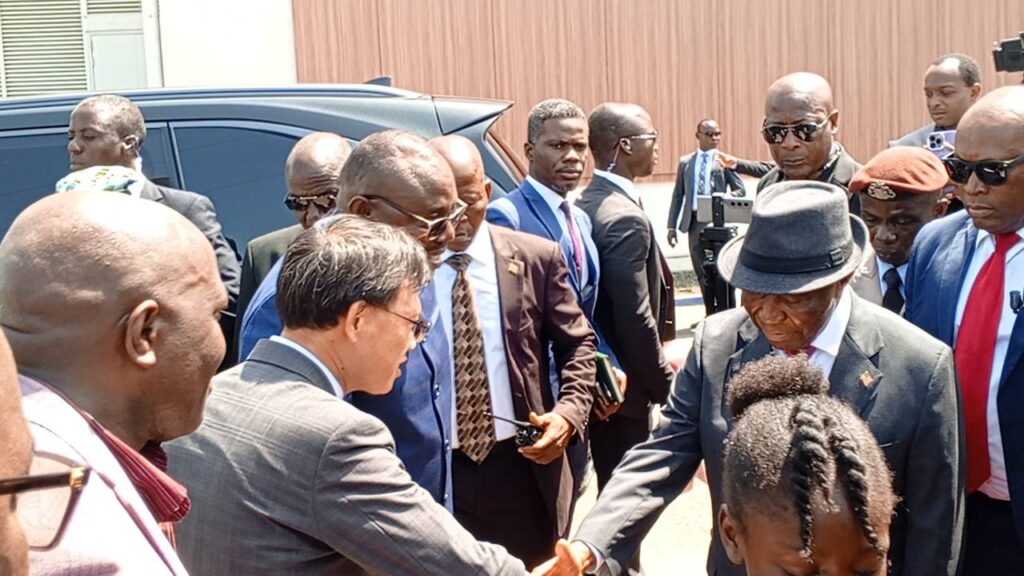
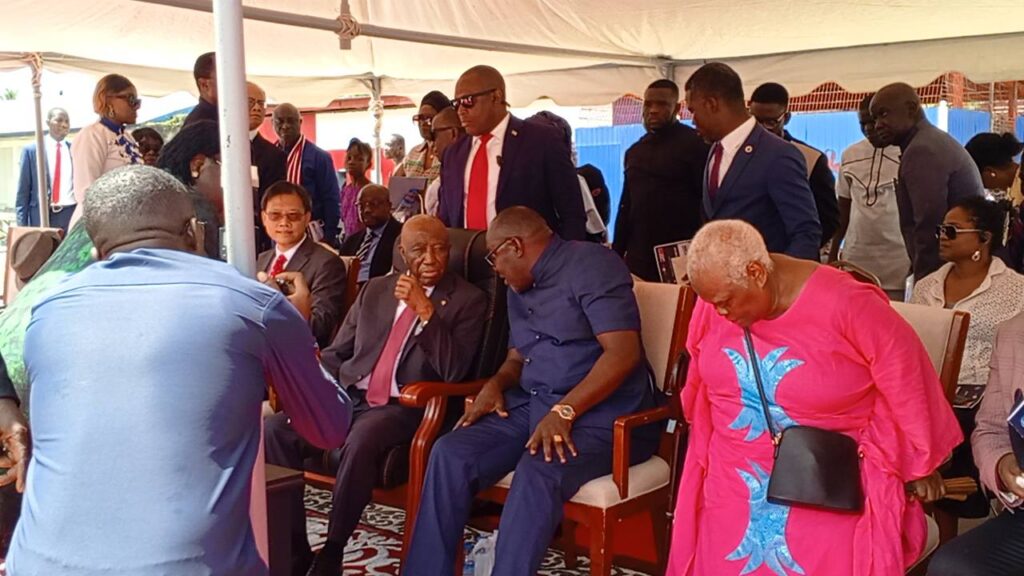
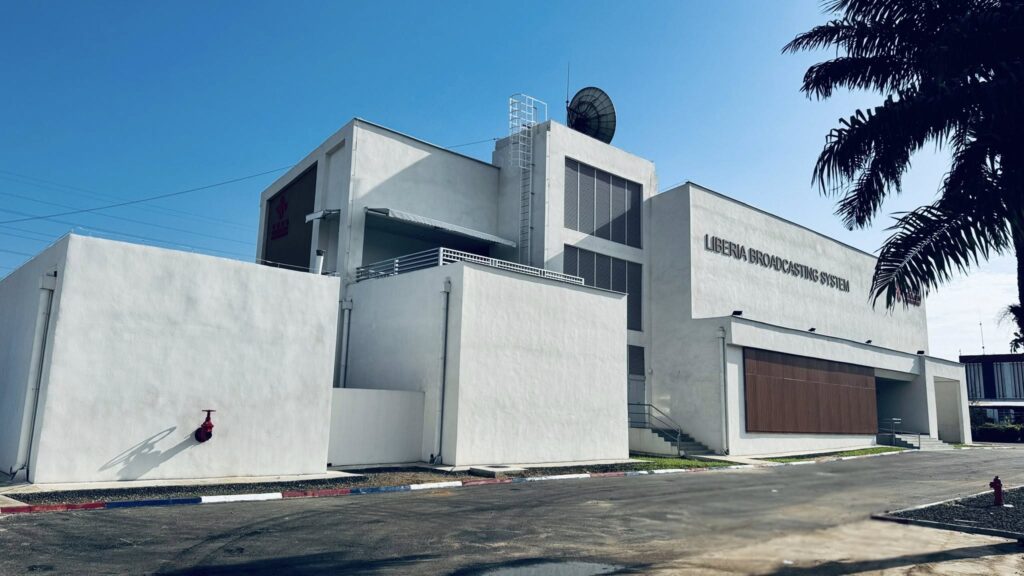
Speaking during the dedication of the new state-of-the-art complex of the Liberia Broadcasting System in Paynesville and later during his fourth Cabinet meeting at the Executive Mansion, President Boakai underscored the importance of the media in informing the public, promoting accountability, and projecting Liberia’s image positively both at home and abroad.
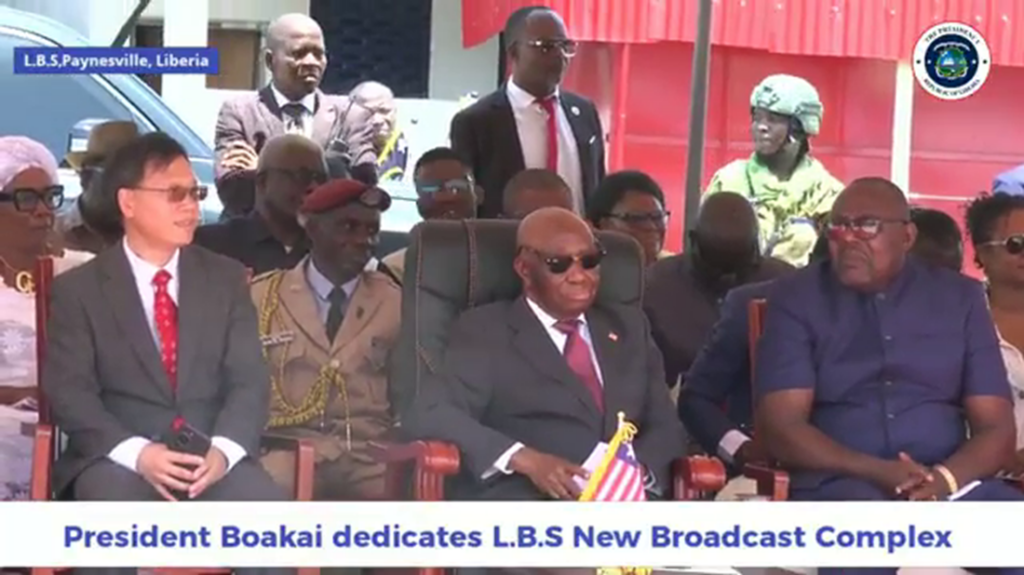
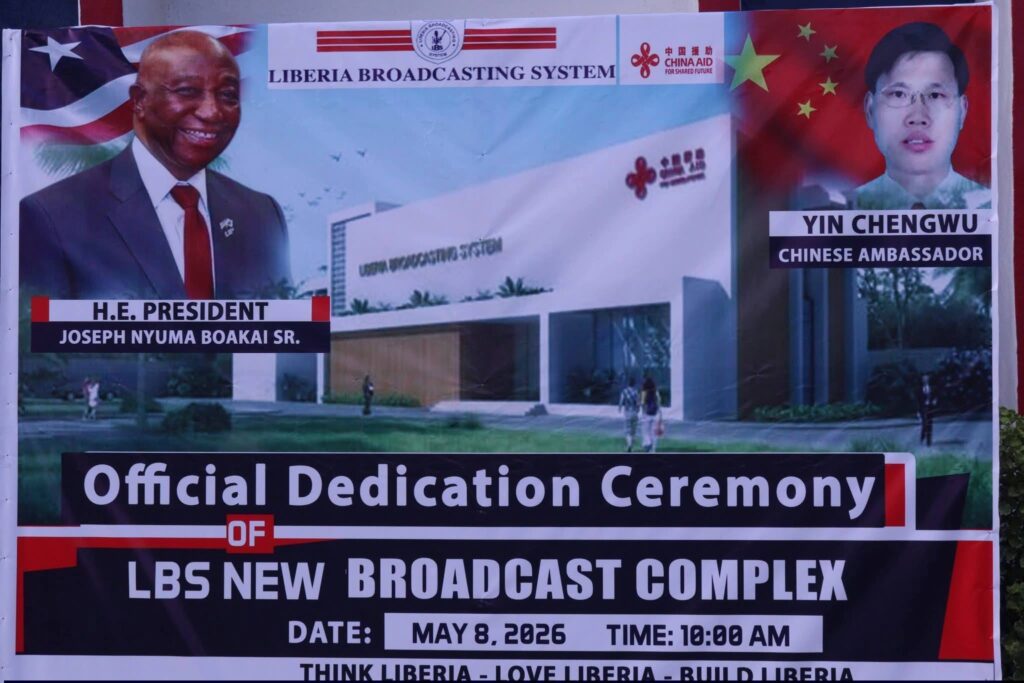
At the official dedication ceremony of the new LBS complex on May 8, the President described the media as an essential pillar of governance and national development.
According to the Executive Mansion’s live commentary during the event, President Boakai “doesn’t joke about the media because there are people who disseminate information to the wider audience out there.”
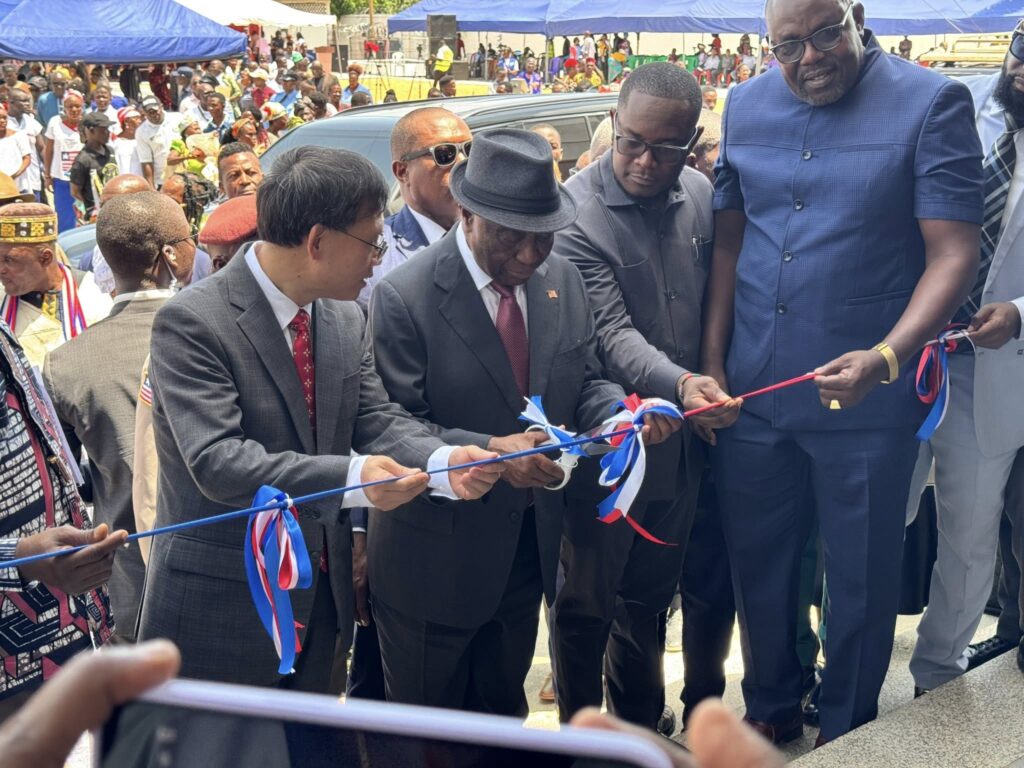
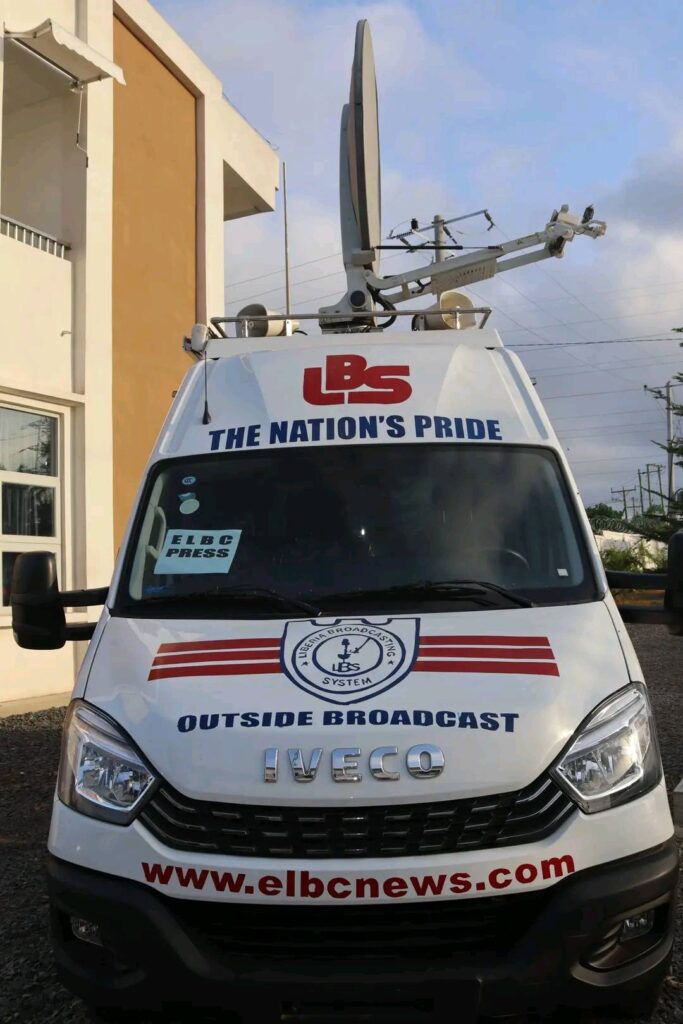
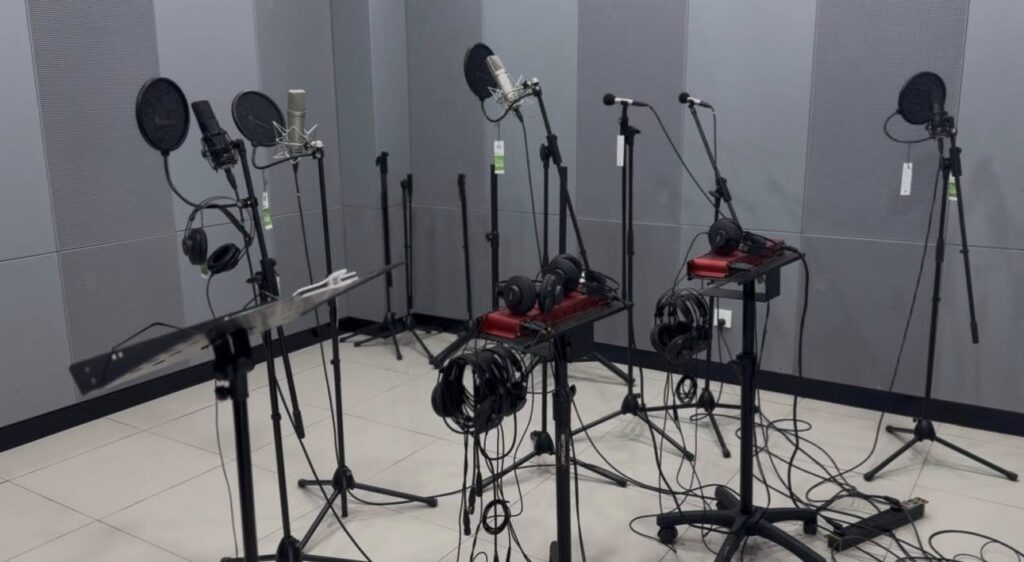
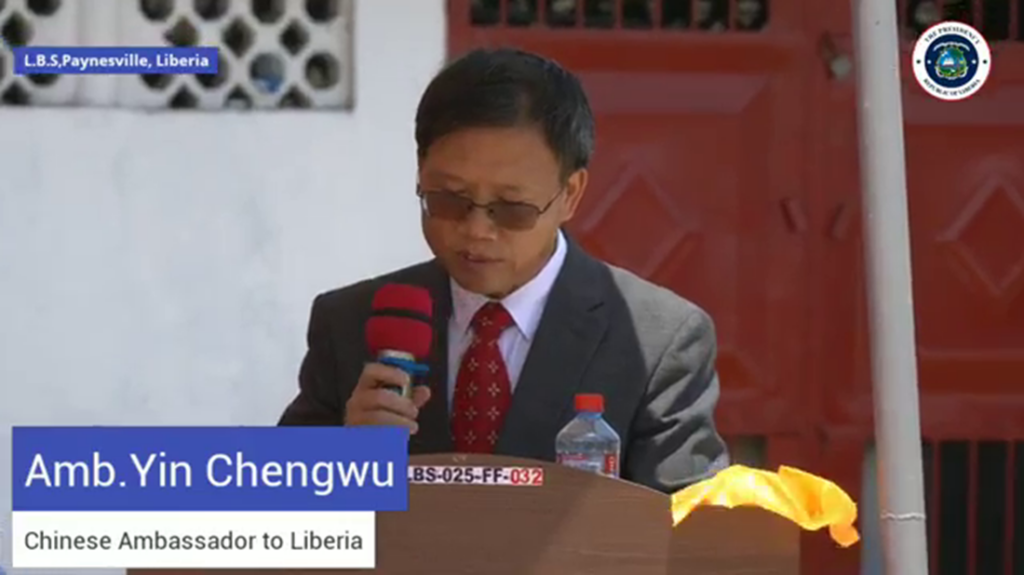
The modern broadcasting complex, constructed with support from the People’s Republic of China, represents one of the largest recent investments in Liberia’s public broadcasting infrastructure. The facility includes multiple digital radio studios, television production units, recording studios, and advanced transmission systems intended to improve information dissemination across Liberia.
President Boakai said access to credible information remains essential to Liberia’s democratic growth and development, especially in ensuring that citizens across the country remain informed about government activities and national issues.
The President’s remarks came amid broader efforts by his administration to modernize government communication systems and accelerate Liberia’s digital transformation agenda.
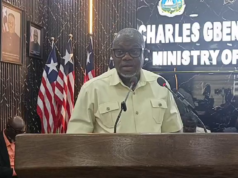
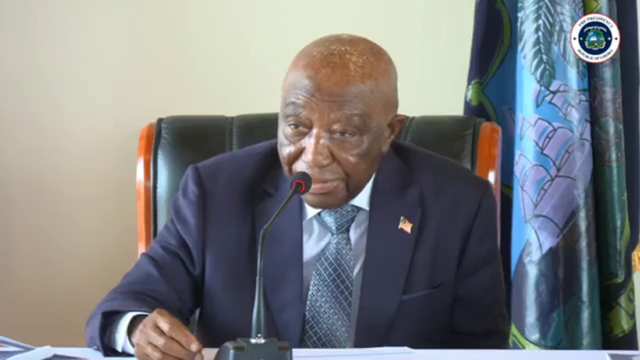
During the Cabinet meeting held at the Tea House of the Executive Mansion, Boakai again stressed the importance of communication and digital media in governance, noting that modern economies are increasingly driven by digital systems and rapid information exchange.
He emphasized that Liberia must transition from outdated systems toward a more digital and data-driven society where information and public services become more accessible to citizens.
“The world is moving very fast towards a digital age,” the President said, while discussing efforts to modernize government systems and improve digital access across sectors.
Boakai also praised the media for what he described as fair and practical reporting on national issues while encouraging journalists to remain professional and constructive in their coverage.
“The media, to some extent, have been generous, but in some cases, I like a media that is practical,” the President stated during the Cabinet meeting.
He acknowledged that while some journalists and commentators may hold differing opinions, the government remains focused on ensuring that its work and development initiatives speak for themselves.
“We appreciate their contribution,” Boakai said. “Some of them might have their own opinion, but I think if we do well, we will be judged properly.”
The Liberian leader further stressed that Liberia’s image internationally depends significantly on how Liberians portray their own country, particularly through public communication and media engagements.
“People look at what they see,” he said, adding that Liberia’s progress is increasingly being recognized internationally through media exposure and direct observation by foreign partners and Liberians in the diaspora.
Boakai also warned public officials, diplomats, and government representatives to exercise caution and responsibility in their public statements, especially on international and political matters.
“You’re not speaking for yourself. Whatever you say now represents Liberia,” the President cautioned.
At the LBS dedication ceremony, Director General Eugene Lenn Nagbe Fahngon credited President Boakai for providing the leadership and support that made the transformation of the state broadcaster possible.
Fahngon disclosed that during a private breakfast meeting before he assumed office, President Boakai instructed him to ensure that “LBS will not be the same.”
“What you see before you today is not a government project,” Fahngon declared. “It is a fulfilled prophecy.”
According to him, the modernization of the institution demonstrates that public institutions in Liberia can function effectively despite financial and operational challenges.
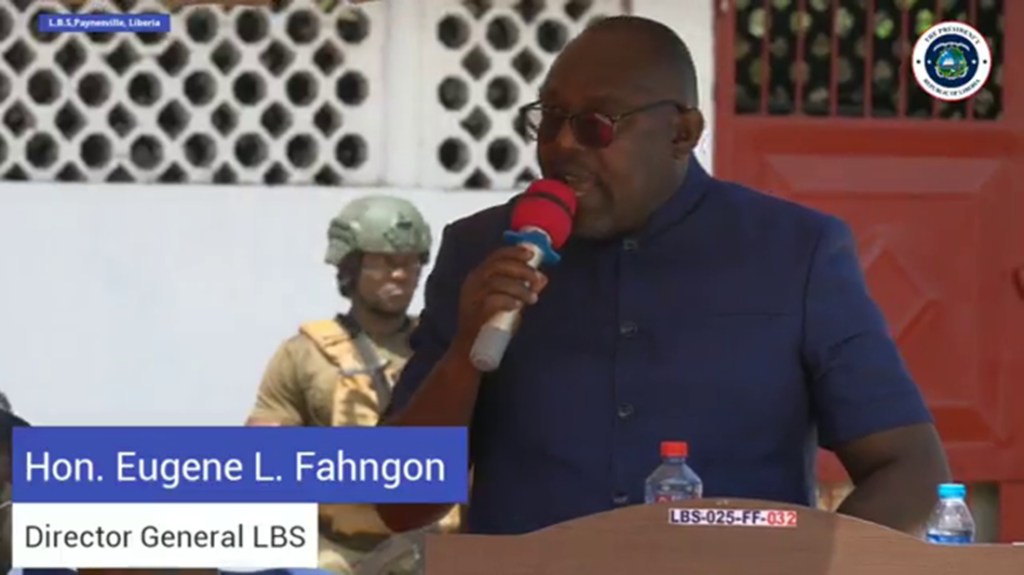
Fahngon also revealed that LBS significantly expanded its transmission strength, television reach, staffing, digital infrastructure, and county-level broadcasting operations under the current administration.
He noted that the broadcaster now reaches parts of Côte d’Ivoire, Guinea, and Sierra Leone, while television broadcasts have expanded into several Liberian counties.
The Director General further described public broadcasting as central to national development, saying communication serves as “the software to national development.”
President Boakai’s renewed focus on media development comes as his administration intensifies efforts to improve government transparency, public communication, digital governance, and citizen engagement under the ARREST Agenda for Inclusive Development.
Follow The Liberian Post on Facebook and X (formerly twitter)