MONROVIA – The Liberia Anti-Corruption Commission says it is intensifying efforts to strengthen its prosecutorial capacity amid growing public criticism and increasing demands for more effective anti-corruption enforcement in Liberia.
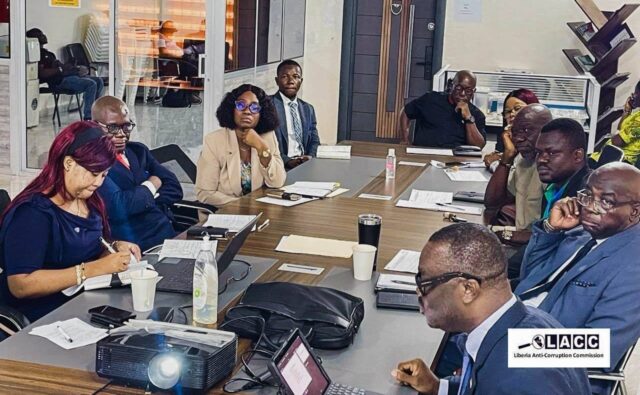
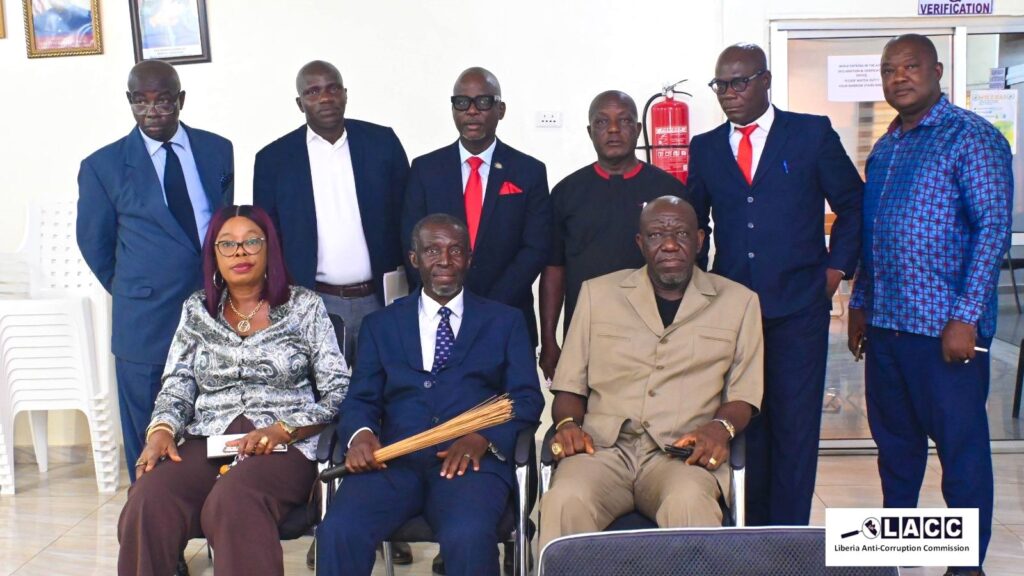
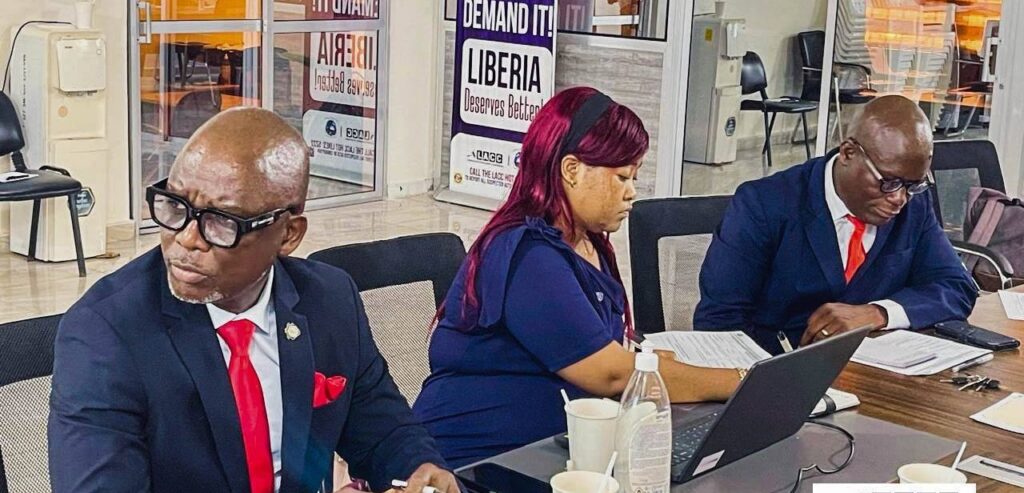
The Commission on Wednesday, May 13, 2026, held a one-day Quarterly Review Session for prosecutors and legal practitioners under the theme, “Widening the Horizon for Effective Prosecution,” at its headquarters on Old Road in Sinkor.
The training session brought together LACC prosecutors, legal officers, and oversight officials to enhance courtroom strategies, improve legal coordination, and strengthen prosecutorial effectiveness in corruption-related cases.
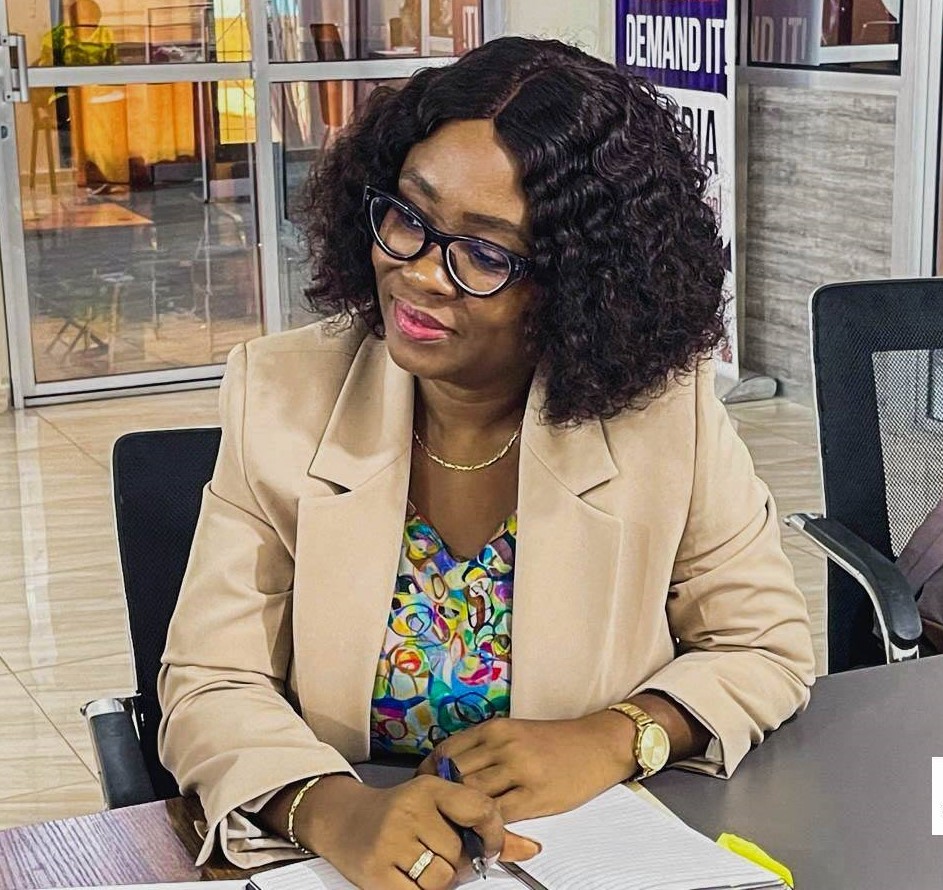
The initiative comes at a time when the Commission continues to face mounting scrutiny over recent high-profile corruption cases, including the controversial US$6.2 million Joint Security funds trial involving former senior government officials.
Zoe Acknowledges Challenges, Defends Progress
Speaking during the opening of the session, LACC Executive Chairperson Alexandra K. Zoe emphasized the importance of continuous professional development for prosecutors tasked with handling increasingly complex corruption cases.
According to Cllr. Zoe, corruption schemes are becoming more sophisticated, making it necessary for prosecutors to constantly evolve legally and technically.

“The success of the Commission depends heavily on the technical proficiency, preparedness, and readiness of our prosecutorial team,” she stated.
The LACC boss also praised the Commission’s legal team for its collaboration with the Ministry of Justice during the recent Financial Intelligence Agency trial.
Reflecting on the mixed verdict in the case, Zoe acknowledged that the Commission did not secure all the outcomes it had hoped for but argued that obtaining guilty verdicts against several senior officials still represented significant progress.
“While we did not receive the full verdict we anticipated, securing guilty verdicts against high-ranking officials is a significant step forward,” she declared.
“This serves as a powerful reminder that the wheels of justice are turning and accountability is within reach,” Zoe added.
Judges, Senior Lawyers Lead Technical Sessions
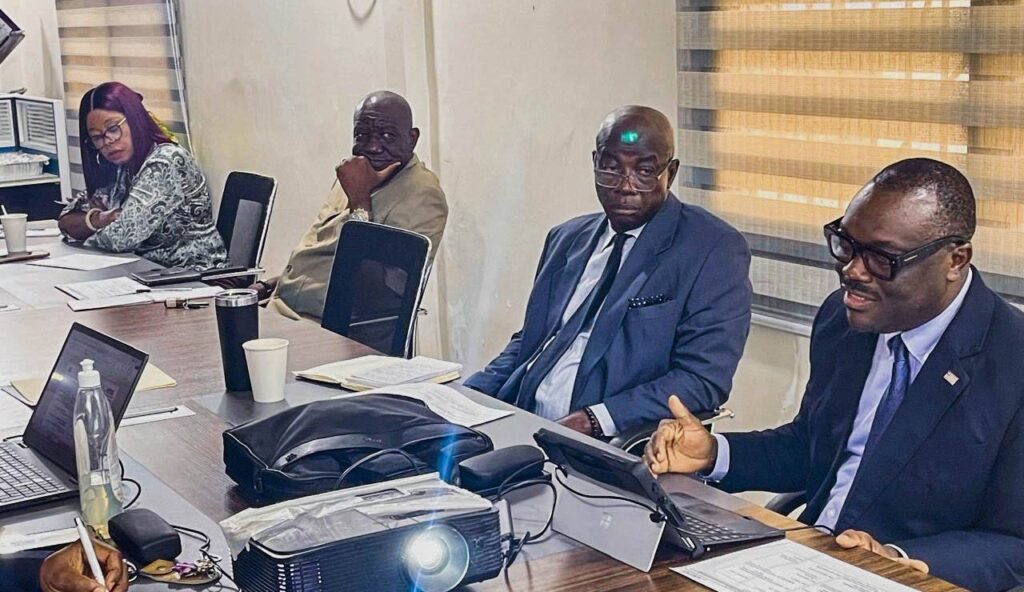
The review session featured presentations from senior legal experts and members of the judiciary aimed at sharpening prosecutorial skills and reducing technical weaknesses in corruption prosecutions.
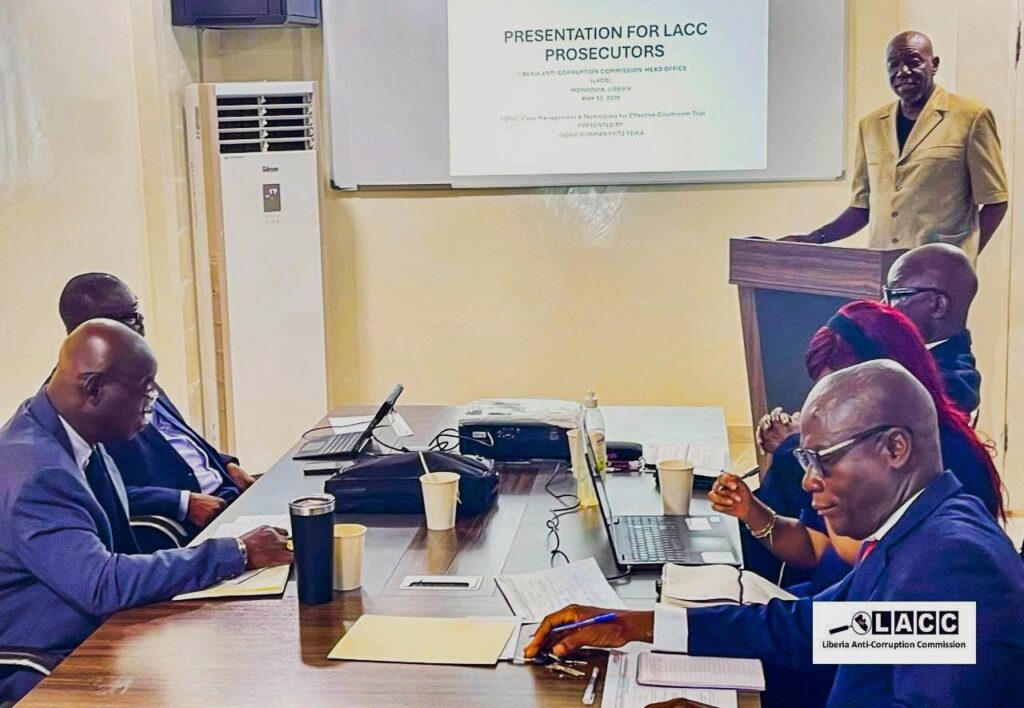
Presiding Judge Ousman Feikai facilitated a major session on “Case Management and Techniques for Effective Courtroom Trial.”
Drawing from the perspective of the bench, Judge Feikai provided practical guidance on courtroom organization, evidence presentation, and trial management.
According to him, successful prosecution depends not only on evidence, but also on discipline, preparation, and professional courtroom conduct.
“A successful trial is built on organization and the clear, respectful presentation of facts,” Judge Feikai emphasized.
His presentation covered critical issues including preparing indictments, proving criminal cases, presenting documentary and testimonial evidence, understanding appeals procedures, and avoiding common legal mistakes that could weaken prosecutions.
Meanwhile, veteran Liberian lawyer M. Wilkins Wright guided prosecutors through the technical aspects of appeals and post-trial procedures.
He warned that procedural errors and technical lapses during appeals could undermine months of investigative and courtroom work if not properly managed.
Another presentation was delivered by prominent human rights lawyer Tiawan S. Gongloe, who stressed the importance of preparing airtight, evidence-driven indictments.
“A case is only as strong as its foundation and the evidence presented in support of it,” Gongloe told participants.
He encouraged prosecutors to focus on precision, legal consistency, and factual clarity when preparing corruption indictments.
Pressure Mounting on Anti-Corruption Institutions
The review session comes amid increasing pressure on Liberia’s anti-corruption institutions from civil society organizations, development partners, and sections of the public demanding stronger accountability measures and more successful prosecutions involving senior public officials.
Despite repeated anti-corruption promises by successive governments, critics continue to argue that convictions involving powerful political figures remain relatively rare, while prolonged trials, weak investigations, and inconsistent prosecution strategies often undermine public confidence in the justice system.
Recent mixed verdicts in major corruption cases have further intensified public debate over the effectiveness of anti-graft institutions and the broader fight against corruption under the Boakai administration.
Still, LACC officials insist the Commission remains committed to strengthening its institutional capacity and improving prosecution outcomes.
The technical sessions also provided an opportunity for prosecutors and Oversight Commissioners to openly discuss operational challenges, improve internal coordination, and build what organizers described as “a more cohesive prosecutorial team capable of speaking with one voice in the fight against corruption.”
For many observers, the latest review session signals that the Commission is now under increasing pressure not only to investigate corruption aggressively, but also to secure stronger courtroom victories capable of restoring public confidence in Liberia’s anti-corruption campaign.
Follow The Liberian Post on Facebook and X (formerly twitter)