MONROVIA – The Economic Community of West African States, through its Regional Centre for Surveillance and Disease Control, has issued a major health alert to member states following the declaration of a new Ebola Virus Disease outbreak in Central Africa, warning that West Africa faces a significant risk of imported cases due to increasing regional and international mobility.
In an official briefing note issued from Abuja, Nigeria, on May 17, 2026, ECOWAS disclosed that the Ministry of Health of the Democratic Republic of the Congo officially declared its 17th Ebola outbreak on May 15 after laboratory analysis confirmed eight positive Ebola cases out of thirteen tested samples involving the Bundibugyo strain of the virus.
The regional body revealed that the presumptive index case was a male healthcare worker residing in the Rwampara Health Zone in Ituri Province, Democratic Republic of Congo, who reportedly developed symptoms including fever, hemorrhage, vomiting, and severe malaise before dying at a medical center in Bunia.
More Than 100 Deaths Reported
According to the ECOWAS Regional Centre for Surveillance and Disease Control, as of May 16, authorities in the Democratic Republic of Congo had already recorded 393 suspected cases and 105 deaths, including four confirmed Ebola-related deaths, across nine health areas in Ituri Province.
The report further disclosed that unusual clusters of community deaths with symptoms consistent with Ebola Virus Disease are also being investigated in other health areas within Ituri and North Kivu provinces.
Meanwhile, neighboring Uganda has already confirmed imported Ebola cases linked to the outbreak in Congo.
ECOWAS stated that Ugandan health authorities confirmed, posthumously, the first imported case involving a 59-year-old Congolese national who had been admitted to Kibuli Muslim Hospital in Kampala with fever, abdominal pain, breathing difficulties, and urinary complications before later dying after developing hemorrhagic symptoms.
The regional body also disclosed that a second imported case was confirmed in Kampala on May 16 involving another traveler returning from Congo, although no local transmission had yet been identified in Uganda.
WHO Declares International Public Health Emergency
The outbreak has now escalated into a global health concern after the World Health Organization officially declared the Ebola outbreak a Public Health Emergency of International Concern (PHEIC).
According to ECOWAS, WHO Director-General officials reached the determination following consultations with affected states under the International Health Regulations framework.
The WHO reportedly classified the risk level associated with the outbreak as “very high” nationally within Congo and neighboring countries, while describing the risk level for the rest of Africa as “moderate.”
However, ECOWAS warned that West Africa remains vulnerable due to strong travel and trade connections with Central Africa.
“Within ECOWAS, the risk of importing cases into our region is important, due to the intensity of air travel and the high mobility of populations with Central Africa,” the statement warned.
Liberia, Mano River Region Remain on Alert
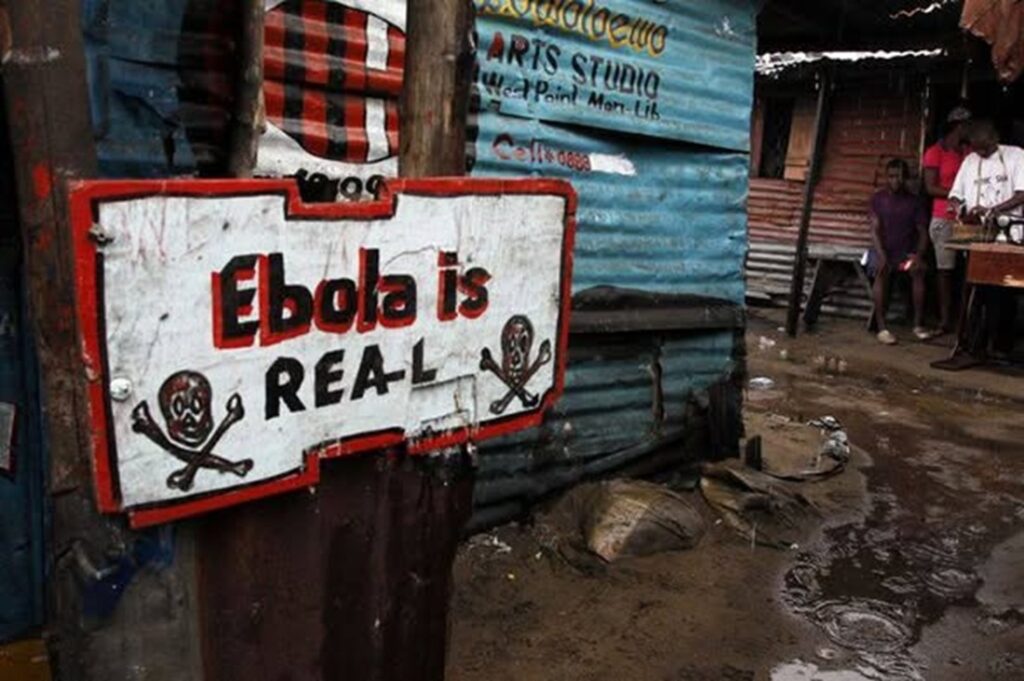
The latest alert comes as Liberia and countries within the Mano River Union continue maintaining heightened vigilance because of painful memories associated with the devastating 2014–2016 Ebola outbreak that killed thousands across Liberia, Sierra Leone, and Guinea.
Liberia alone lost more than 4,800 people during the epidemic, which severely overwhelmed the country’s fragile healthcare system and triggered widespread social and economic disruption.
Since then, Liberia has significantly strengthened disease surveillance systems, emergency preparedness mechanisms, laboratory capacity, and border health monitoring programs in collaboration with international partners.
Only days ago, Liberia’s Ministry of Health of Liberia also issued a national health alert assuring the public that no confirmed Ebola case has been detected in Liberia but emphasizing that authorities remain on high alert.
ECOWAS Issues Strong Recommendations
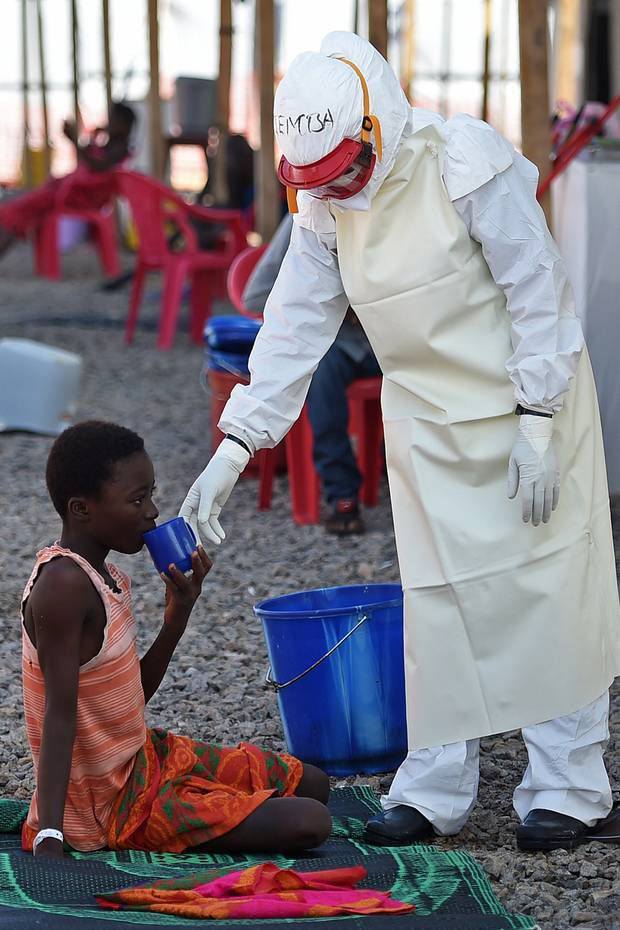
In response to the outbreak, the ECOWAS Regional Centre for Surveillance and Disease Control has urged member states to immediately strengthen surveillance and early warning systems, particularly at airports and border entry points handling passengers arriving from Central Africa.
The organization also called for:
- stronger rapid response teams,
- improved laboratory readiness,
- enhanced infection prevention and control systems,
- increased risk communication,
- and the preparation of specialized Ebola treatment and referral facilities.
At the same time, ECOWAS advised member states not to impose border closures or unnecessary travel restrictions despite the outbreak.
Public Urged to Remain Vigilant
The regional health body further urged citizens across West Africa to strictly follow preventive health measures, including frequent handwashing, avoiding contact with bodily fluids, refraining from handling suspicious corpses, and avoiding bushmeat or contact with sick wild animals.
ECOWAS warned that Ebola symptoms can initially resemble common illnesses but may rapidly progress into severe hemorrhagic disease.
The organization also reminded the public that Ebola’s incubation period ranges from two to twenty-one days and that infected individuals only become contagious after symptoms appear.
The briefing note was signed by Mamadou Diarrassouba, who assured member states that the regional disease control center will continue monitoring the situation closely and issuing regular updates as developments unfold.
Follow The Liberian Post on Facebook and X (formerly twitter)