Long Overlooked Public Works Professionals Receive Historic Boost, But Expectations Will Rise Alongside Salaries
MONROVIA – For years, Liberia’s Resident Engineers have occupied one of the most important yet least appreciated positions in government service.
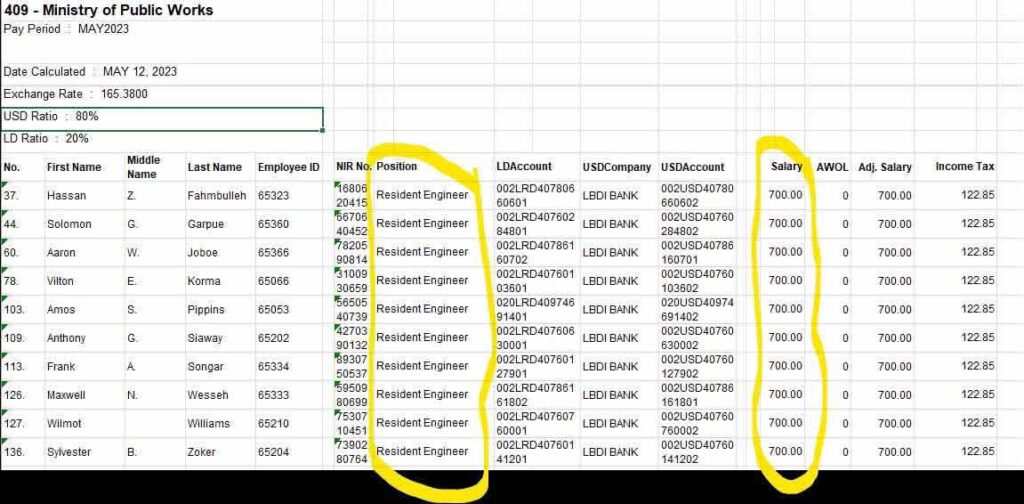
Tasked with overseeing road construction, bridge projects, public buildings, drainage systems, and other critical infrastructure initiatives across the country’s 15 counties, many of these engineers operated under challenging conditions while earning salaries that many professionals considered inadequate for the responsibilities they carried.
That reality has now changed.
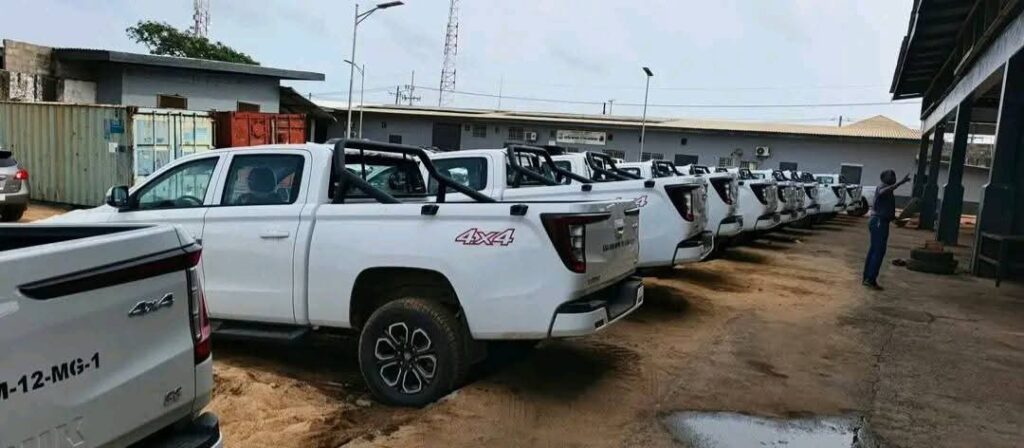
The Ministry of Public Works’ recent decision to increase the salaries of Resident Engineers from US$250 to US$1,000 per month, coupled with the provision of brand-new pickup trucks and expanded operational authority, represents one of the most significant public-sector compensation reforms in Liberia’s engineering and infrastructure sector in recent years.
The announcement has generated widespread discussion among engineers, public servants, and development stakeholders, many of whom view the move as long overdue.

But beyond the celebration, the development raises an important question: Will better compensation translate into better roads, stronger oversight, and improved infrastructure delivery across Liberia?
The Forgotten Frontline of Infrastructure Development
Outside Monrovia, Resident Engineers serve as the Ministry of Public Works’ highest-ranking technical representatives in each county.
They are responsible for supervising contractors, monitoring government projects, conducting technical assessments, ensuring compliance with engineering standards, and reporting on the condition of public infrastructure.
Yet for many years, numerous engineers privately complained that their salaries and operational support were out of sync with the scale of their responsibilities.
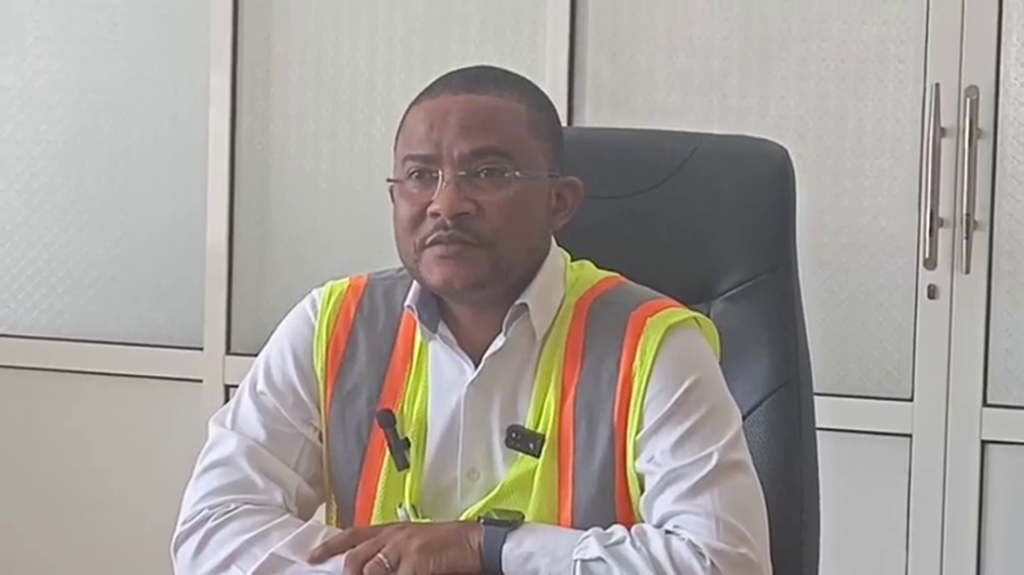
Several former and current public-sector engineers have publicly and privately argued that expecting professionals responsible for multimillion-dollar infrastructure projects to function effectively on US$250 per month created significant challenges.
The situation often forced engineers to rely on personal resources to perform official duties, especially in counties where transportation and logistics remain difficult.
The recent salary increase appears to be a direct acknowledgment by government that the old system was no longer sustainable.
The Tambah Factor
Within the Ministry of Public Works, much of the credit for the reform is being attributed to Deputy Minister for Technical Services Prince D. Tambah.
Engineers familiar with internal ministry discussions describe Tambah as one of the strongest advocates for strengthening technical capacity and improving conditions for engineering personnel.
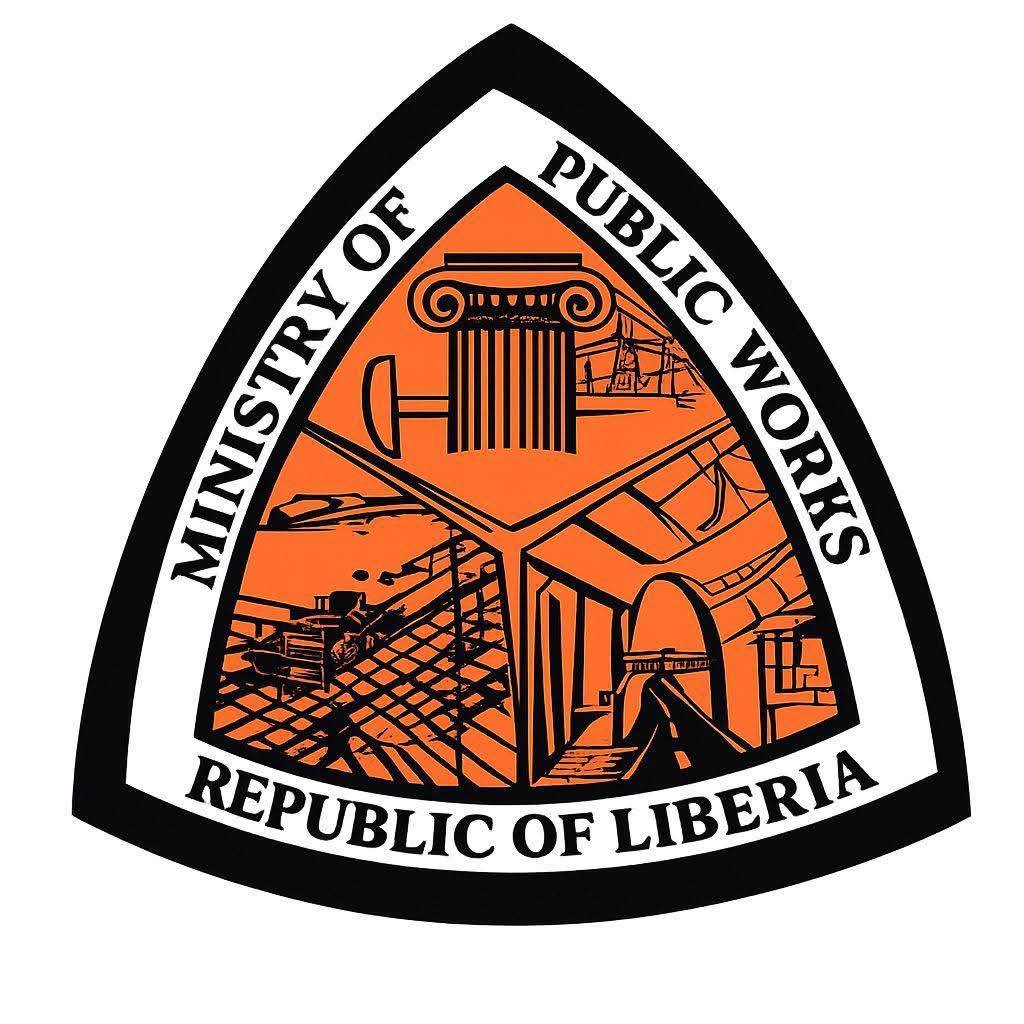
His argument reportedly centered on a simple principle: if government expects accountability and performance, it must also provide the resources necessary for professionals to perform.
The Ministry’s recent restructuring exercise, which includes the reassignment of Resident Engineers, the deployment of county vehicles, and the introduction of new performance benchmarks, appears consistent with that philosophy.
Observers note that the salary increase is not occurring in isolation but as part of a broader effort to professionalize county-level operations within the Ministry of Public Works.
A Strategic Shift by the Boakai Administration
The pay increase also aligns with President Joseph Nyuma Boakai’s emphasis on infrastructure development under the ARREST Agenda.
Since taking office, the administration has repeatedly identified roads and connectivity as critical components of economic growth.
Projects such as the Mendikorma-Voinjama Highway, the ongoing rehabilitation of feeder roads, and the expansion of yellow machine operations have become central pillars of government policy.
However, infrastructure development requires more than equipment and financing.
It requires qualified personnel capable of supervising projects, enforcing standards, and ensuring value for money.
In that context, the salary increase can be viewed as an investment in human capital rather than merely an adjustment in payroll.
What the Increase Means for Accountability
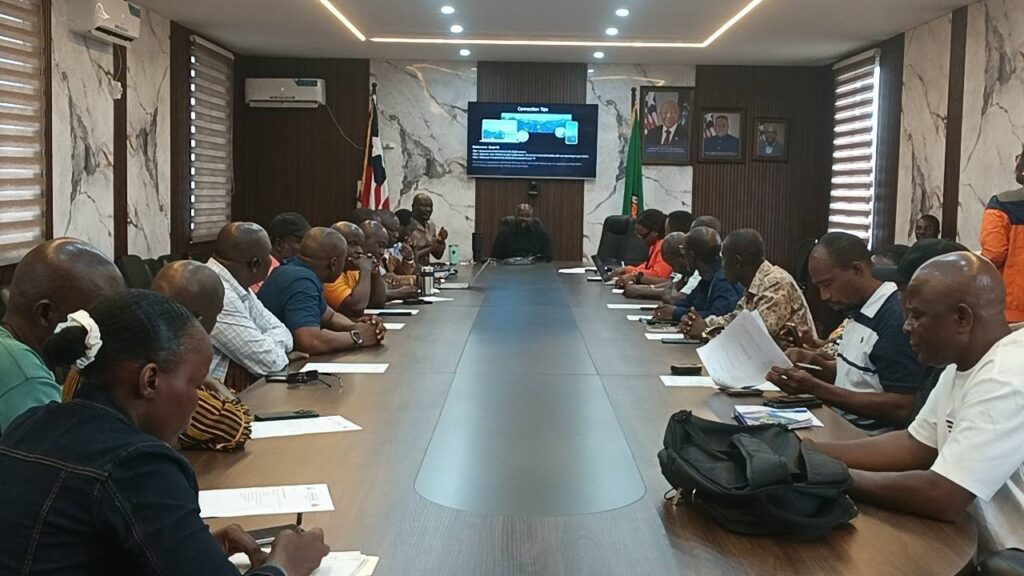
While many engineers have welcomed the move, the increase also changes expectations.
A Resident Engineer earning US$1,000 per month and provided with an official vehicle will likely face greater scrutiny from both government and citizens.
County residents increasingly expect timely responses to infrastructure concerns, stronger monitoring of contractors, and improved oversight of public projects.
The Ministry of Public Works has already signaled that performance will become a major factor in future assignments and evaluations.
In effect, the new compensation package creates a new social contract: better pay in exchange for better performance.
Potential Ripple Effects Across Government
The decision may also have implications beyond the Ministry of Public Works.
Professionals in other sectors—including agriculture, health, education, and environmental management—could point to the Resident Engineers’ adjustment as evidence that government is capable of addressing longstanding disparities in public-sector compensation.
If successful, the reform could become a model for strengthening other critical technical institutions across government.
However, it may also increase pressure on policymakers to address similar concerns among other categories of skilled professionals.
The Road Ahead
The true impact of the salary increase will not be measured by paychecks alone.
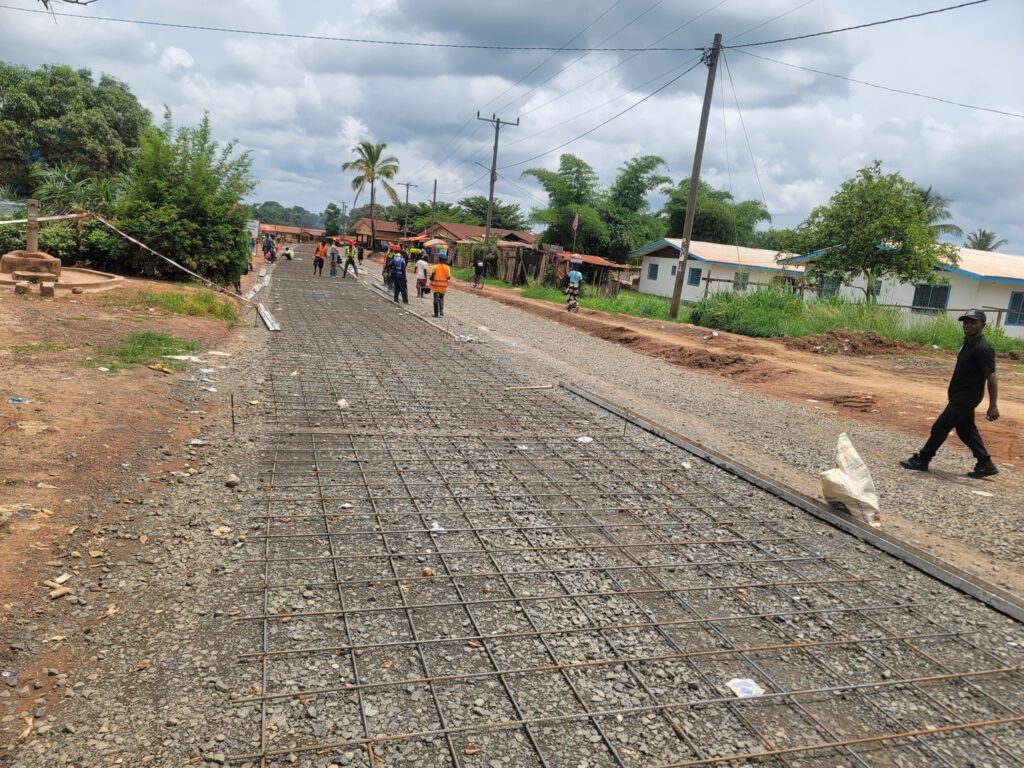
Its success will ultimately depend on whether citizens begin to see tangible improvements in project supervision, road maintenance, contractor accountability, and infrastructure delivery.
For decades, Liberians have complained about unfinished projects, poor construction standards, and weak oversight.
The government’s latest investment in its engineering workforce provides an opportunity to address those concerns.
If Resident Engineers are empowered, supported, and held accountable, the reform could become a turning point in Liberia’s infrastructure development story.
For now, one thing is clear: the era of expecting county engineers to oversee multimillion-dollar public works projects on US$250 per month appears to be over.
The challenge now is ensuring that this historic increase delivers equally historic results.
Follow The Liberian Post on Facebook and X (formerly twitter).