-Government, UNDP and Global Environment Facility Unite to Support Sustainable Livelihoods Across Seven Counties
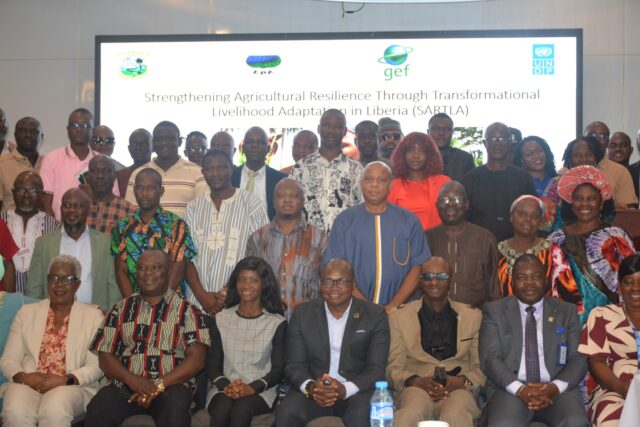
MONROVIA, Liberia – The Government of Liberia, through the Environmental Protection Agency (EPA), in partnership with the United Nations Development Programme (UNDP) and with funding from the Global Environment Facility (GEF), has officially launched the Strengthening Agricultural Resilience Through Transformational Livelihood Adaptation in Liberia (SARTLA) Project, a major initiative aimed at building climate resilience and improving livelihoods across the country.
Valued at approximately US$103.9 million, the five-year project will run from 2025 to 2030 and is expected to strengthen food security, restore ecosystems, enhance climate adaptation, and create sustainable economic opportunities for vulnerable communities in seven counties.
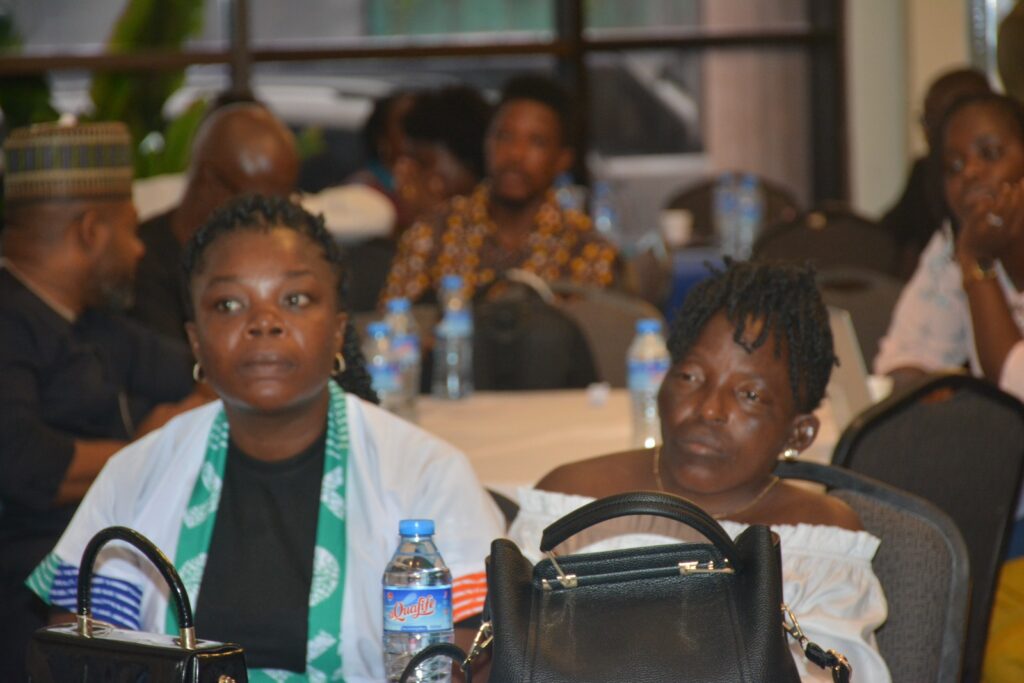
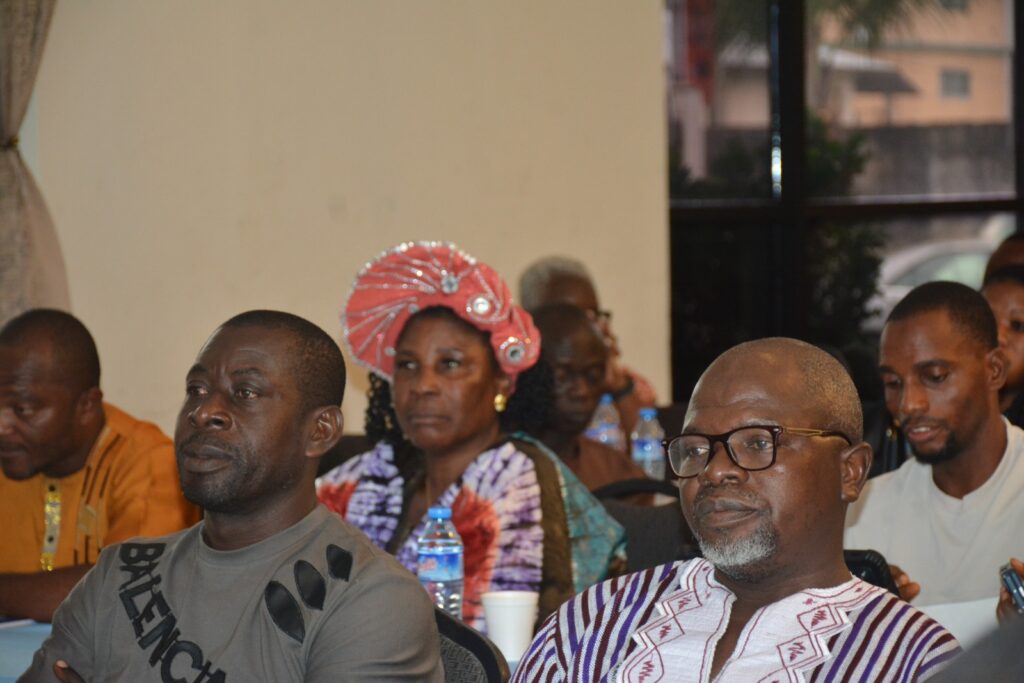
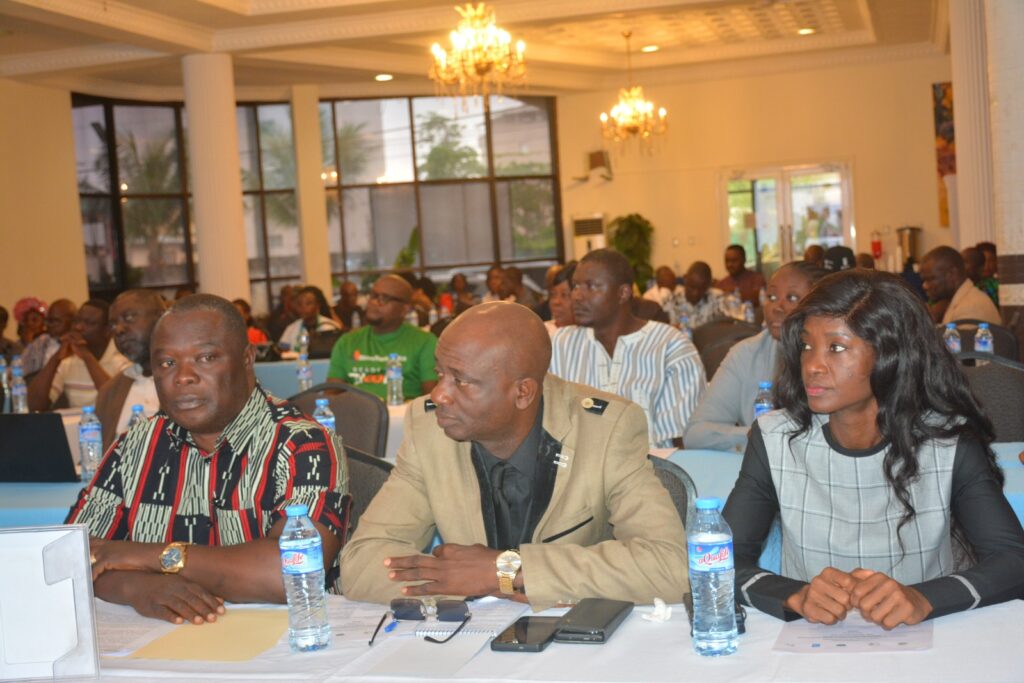
The official launch brought together senior government officials, development partners, farmer organizations, civil society representatives, private-sector actors, and community stakeholders, underscoring a shared commitment to advancing sustainable development and inclusive economic growth.
Climate Change a Growing Threat
Delivering special remarks on behalf of the Government of Liberia, EPA Deputy Executive Director for Administration Anthony S. Kollie emphasized the urgent need for coordinated climate action.
“Climate change is no longer a distant conversation confined to international forums,” Kollie said. “It is a lived reality affecting our farmers in Bong and Lofa Counties, our fisherfolk along the coasts of Grand Cape Mount and Montserrado, and vulnerable communities across Maryland, Margibi, and Nimba Counties.”
He noted that rising temperatures, unpredictable rainfall patterns, coastal erosion, and environmental degradation continue to threaten livelihoods, food production, and economic stability across the country.
“Today marks more than the launch of a project,” Kollie added. “It marks the beginning of a renewed national commitment to climate resilience, sustainable livelihoods, environmental stewardship, and inclusive development for the people of Liberia.”
Transforming Livelihoods and Ecosystems
Speaking on behalf of UNDP Liberia, Deputy Resident Representative Louis Kuukpen described SARTLA as a transformative investment in Liberia’s future.
“SARTLA represents a strategic and timely investment in Liberia’s future,” Kuukpen said. “It is not about incremental change, but about transforming how livelihoods, ecosystems, and markets interact to build long-term resilience.”
He stressed that the project places people at its center, particularly smallholder farmers and communities whose livelihoods depend heavily on natural resources.
“At the core of this project are people, especially smallholder farmers and natural resource-dependent communities,” he noted. “We must ensure that women, youth, and vulnerable groups are fully engaged while upholding environmental and social safeguards throughout implementation.”
Economic Benefits Highlighted
The Ministry of Finance and Development Planning also underscored the project’s economic significance.
Senior Economist ZayZay F. Sillah described SARTLA as a strategic investment capable of generating long-term returns for the country.
“Every dollar invested in resilient farming, storage, processing, and market access multiplies returns in jobs, nutrition, and stability,” Sillah said.
He assured stakeholders that project resources would be managed transparently and accountably to ensure measurable benefits for Liberian farmers, agribusinesses, and households.
“We will ensure that resources are used transparently and accountably, delivering results where they matter most—on Liberian farms, in local agribusinesses, and at household tables,” he added.
Strong Support from Key Sectors
The Director General of the National Fisheries and Aquaculture Authority (NaFAA), J. Cyrus Saygbe Jr., welcomed the initiative and highlighted its alignment with the institution’s Ten-Year Strategic Plan.
“The project strongly aligns with our vision for a resilient, productive, and sustainable fisheries sector,” Saygbe said. “NaFAA stands ready to contribute technical expertise and leadership to ensure effective and timely implementation while strengthening livelihoods and food security.”
Assistant Agriculture Minister Francis Mulbah, who serves as the Ministry of Agriculture’s focal person for the project, described SARTLA as a critical investment in Liberia’s agricultural future.
“This project represents more than agricultural support,” Mulbah stated. “It is an investment in Liberia’s farmers, rural communities, and national food systems.”
Representing farmers across the project counties, Mohammed V. Kamara, President of the National Rice Federation of Liberia, welcomed the initiative and pledged the support of local farming communities toward its successful implementation.
Similarly, Princess Cooper, Director General of the Liberia National Tourism Authority (LNTA), assured partners that her institution would work closely with stakeholders to help achieve the project’s objectives.
Key Areas of Intervention
The SARTLA Project will focus on several critical areas, including:
- Climate-smart agriculture;
- Sustainable fisheries development;
- Ecosystem restoration;
- Improved coastal and land management;
- Access to climate finance;
- Livelihood opportunities for women, youth, and vulnerable groups; and
- Strengthened institutional collaboration and knowledge-sharing systems.
The initiative is also expected to promote innovative approaches to resilience-building while helping communities adapt to the growing impacts of climate change.
Building Partnerships for Sustainable Development
Project stakeholders emphasized that no single institution can effectively address the interconnected challenges of climate change, food insecurity, environmental degradation, and rural poverty.
As such, the launch of SARTLA represents a major example of how partnerships between government, development agencies, local communities, and the private sector can drive sustainable solutions.
With more than US$100 million committed to strengthening resilience and livelihoods, officials say the project has the potential to transform agricultural production, improve environmental stewardship, and create lasting economic opportunities for thousands of Liberians over the next five years.
Follow The Liberian Post on Facebook and X (formerly twitter).