MONROVIA – A senior official of the Unity Party-led government has outlined what he described as a growing list of achievements under President Joseph Nyuma Boakai’s administration, pointing to major investments in infrastructure, healthcare, energy, governance reforms, international diplomacy, and youth development during the government’s first two years and five months in office.
Patrick Honnah, Deputy Commissioner for Consumer and Public Affairs at the Liberia Telecommunications Authority (LTA), recently cataloged several ongoing and completed initiatives which he said demonstrate the administration’s commitment to delivering on its development agenda.
While acknowledging that significant challenges remain, Honnah argued that the country is making measurable progress in key sectors.
“Have we arrived? No. Are there still challenges? Yes. But honestly, we are not where we used to be,” he noted.
Infrastructure Takes Center Stage
Among the projects highlighted was the reconstruction of the historic C.H. Rennie Hospital in Margibi County, a major healthcare facility that was severely damaged by fire and is now undergoing rebuilding efforts aimed at restoring critical health services to thousands of residents.
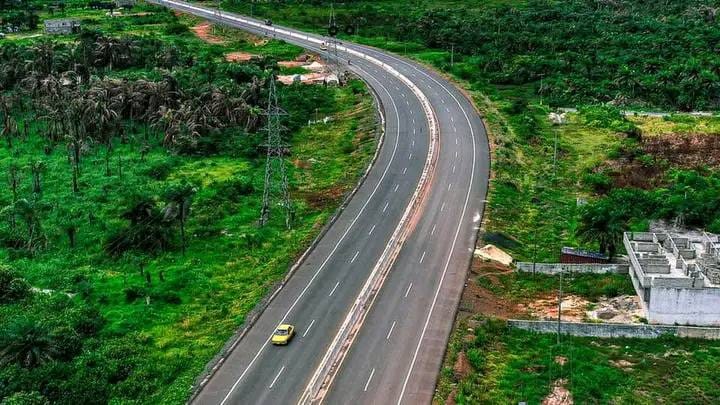
The administration has also prioritized several strategic road projects intended to improve regional connectivity and stimulate economic growth.
These include the Robertsport-Madina Corridor in Grand Cape Mount County, the Barclayville-Sasstown Road in Grand Kru County, and the Tappita-Zwedru Road linking Nimba and Grand Gedeh counties. The projects are expected to improve access to markets, reduce travel times, and strengthen trade corridors across the country.
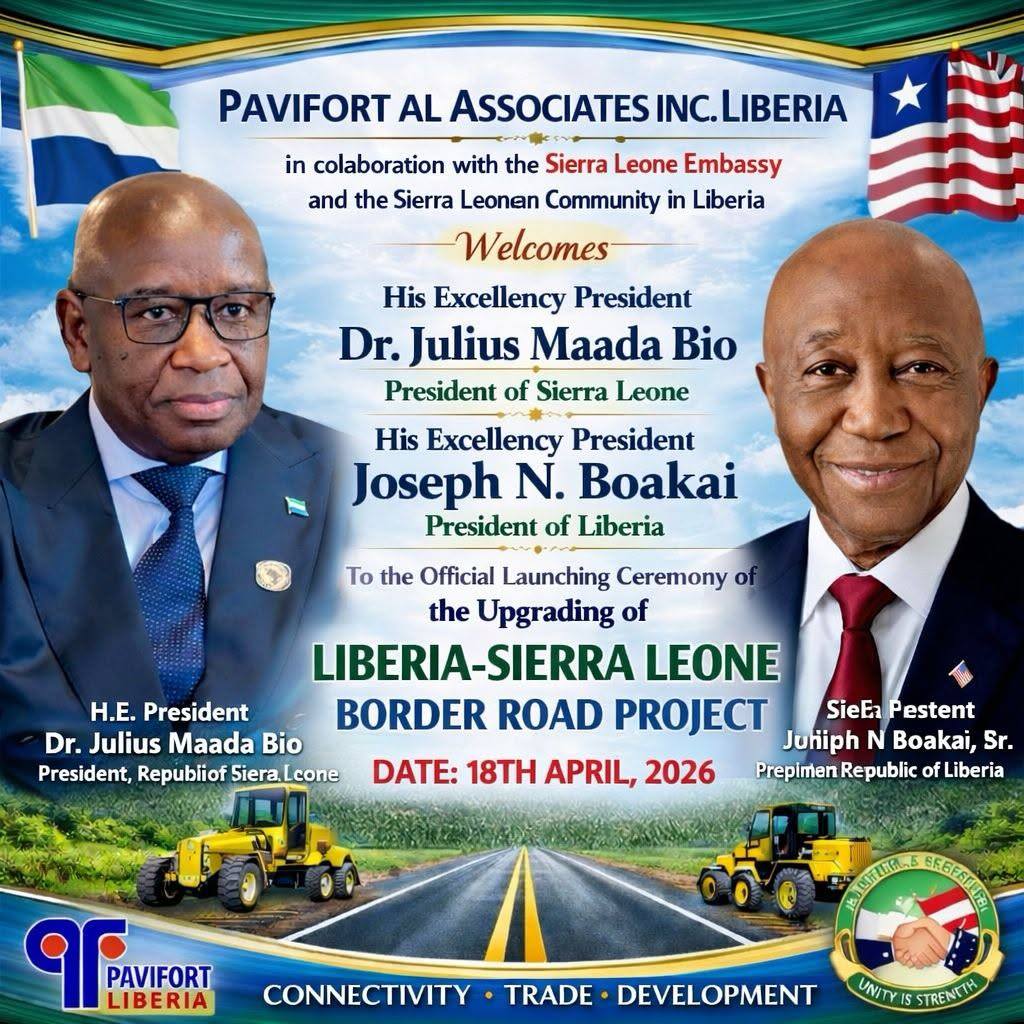
Another project attracting public attention is the planned four-lane highway expansion through Bomi County, which government officials believe will ease traffic congestion and improve transportation between Monrovia and western Liberia and will connect with Bo Waterside on the border with neighboring Sierra Leone.
In addition, work is progressing on major bridge projects, including a bridge linking parts of Bong and Gbarpolu counties and Liberia’s participation in the Mano River Union bridge project connecting Maryland County to neighboring Côte d’Ivoire. Officials say the cross-border infrastructure project will strengthen regional integration and facilitate trade between the two countries.
Energy Expansion Reaches Rural Liberia
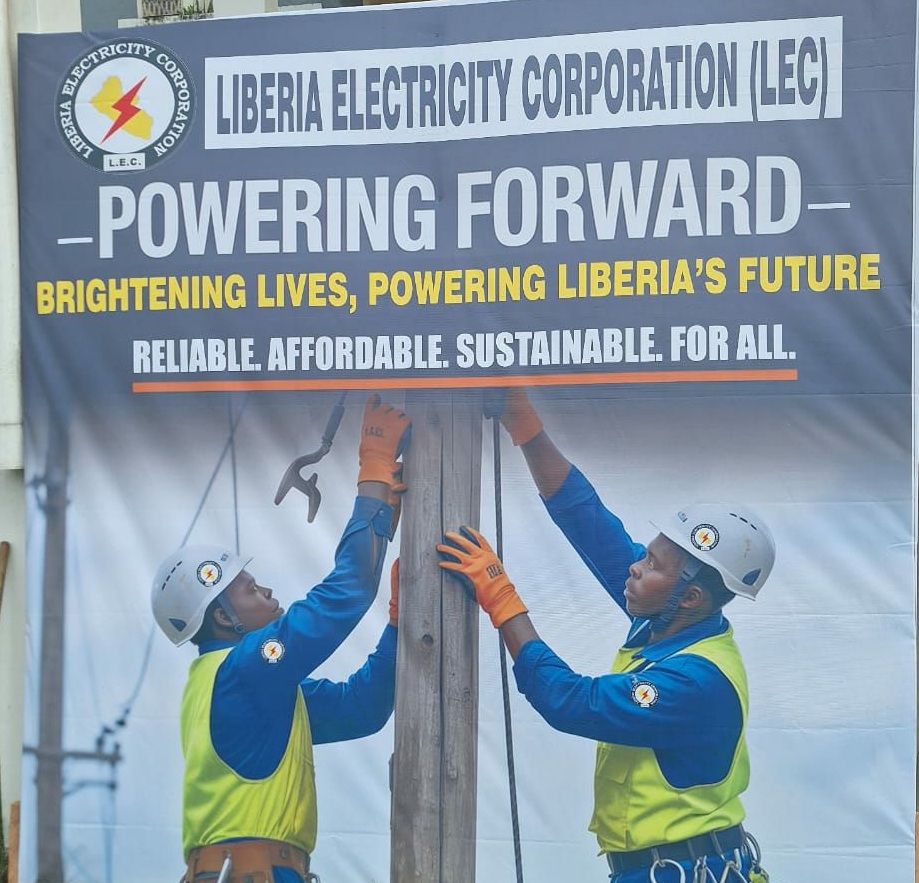
The Boakai administration has also emphasized expanding access to electricity, particularly in rural and under-served communities.
Among the flagship initiatives is the development of a solar energy farm in Lofa County, designed to improve access to renewable energy and reduce dependence on costly diesel-generated power.
Government officials have likewise pointed to ongoing efforts to expand electricity access in Grand Bassa County and other parts of Liberia as part of a broader national electrification strategy.
Energy experts have long argued that increased access to affordable electricity remains one of the most important requirements for economic growth, industrial development, and job creation.

Focus on Youth and Sports Development
The administration’s development agenda has also extended to youth empowerment and sports.
One of the projects highlighted by Honnah is the establishment of a football academy in Montserrado County, an initiative aimed at nurturing young talent and creating opportunities for aspiring athletes.
Supporters of the project argue that investment in sports infrastructure can contribute to youth development, reduce social vulnerability, and help identify future national team players.
Governance and Accountability Reforms
Beyond physical infrastructure, the government has sought to advance long-standing governance and accountability initiatives.
Among the most significant developments is the submission of legislation seeking the establishment of a War and Economic Crimes Court and a specialized anti-corruption court.
The move has been welcomed by many civil society organizations and international partners who have long advocated for accountability for crimes committed during Liberia’s civil conflicts and for stronger mechanisms to combat corruption.
If enacted, the proposed courts would represent one of the most consequential justice reforms since the end of Liberia’s civil war.
Diplomatic Gains
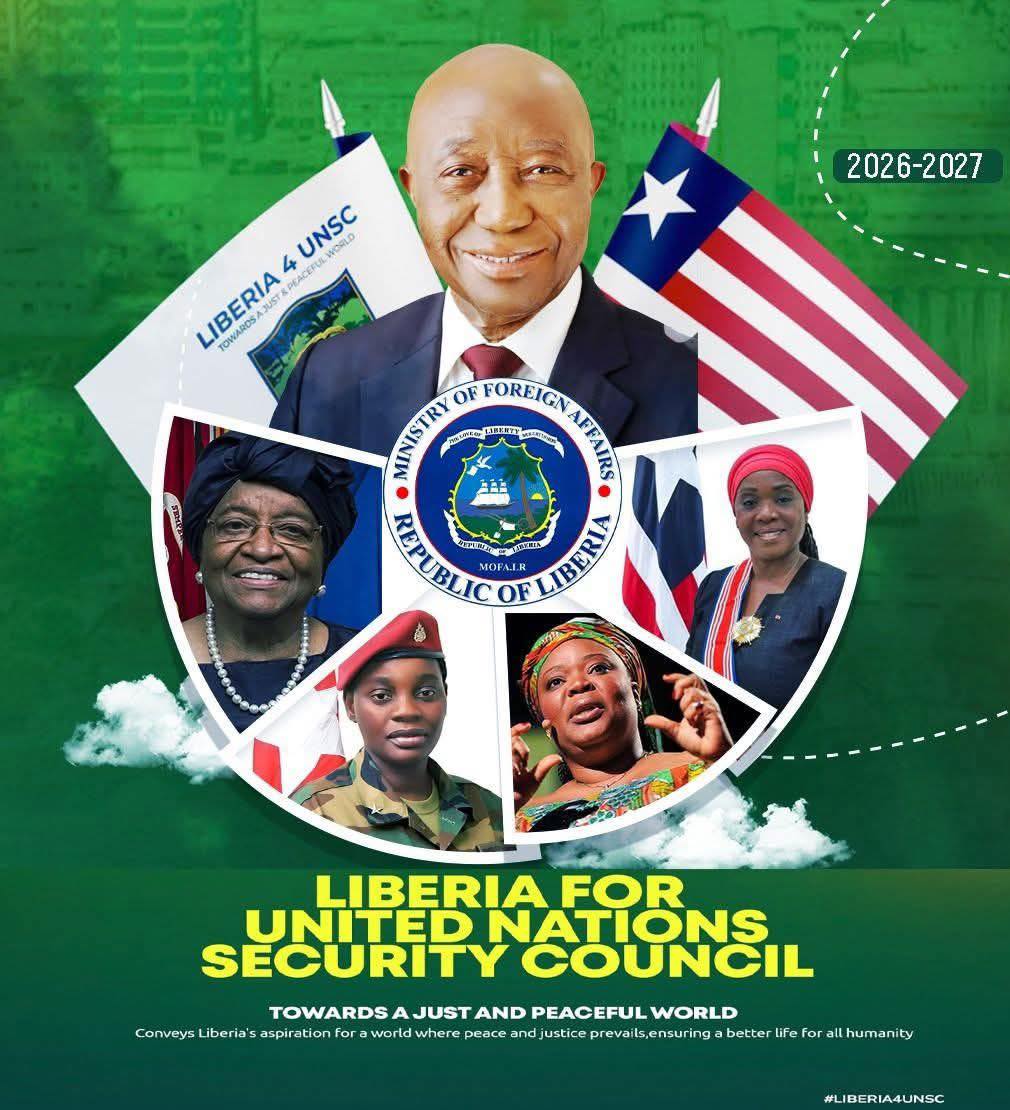
On the international front, the Boakai administration has celebrated Liberia’s successful election to a non-permanent seat on the United Nations Security Council for the 2026-2027 term, a development widely viewed as a major diplomatic achievement for the country.
Government officials have described the election as evidence of renewed international confidence in Liberia’s leadership and its role in regional and global affairs.
The administration has also welcomed changes to United States visa policies that now allow many Liberian travelers to obtain visas with longer validity periods, a move seen as beneficial for businesspeople, students, and families maintaining ties between both countries.
Modernizing Public Works
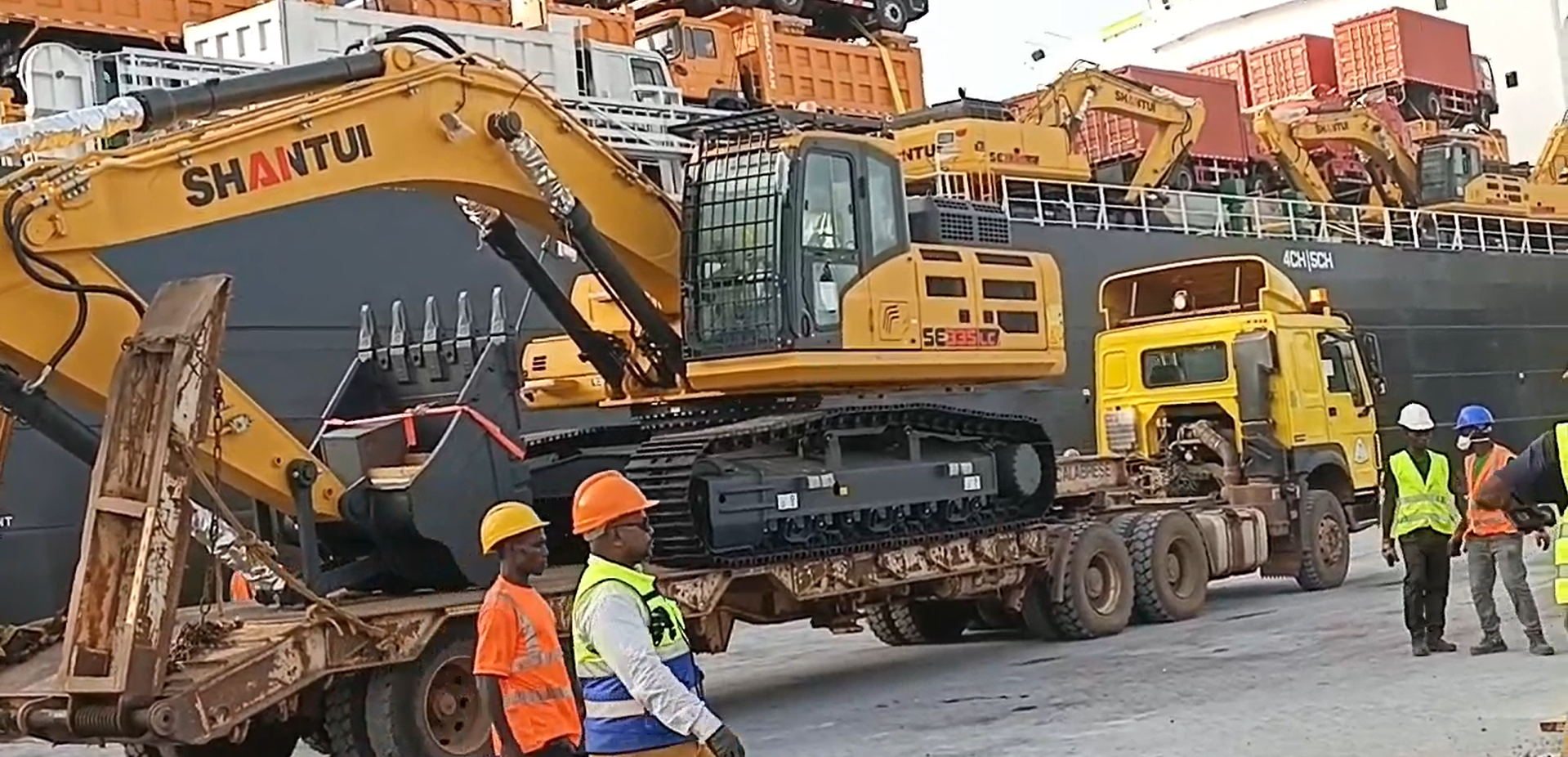
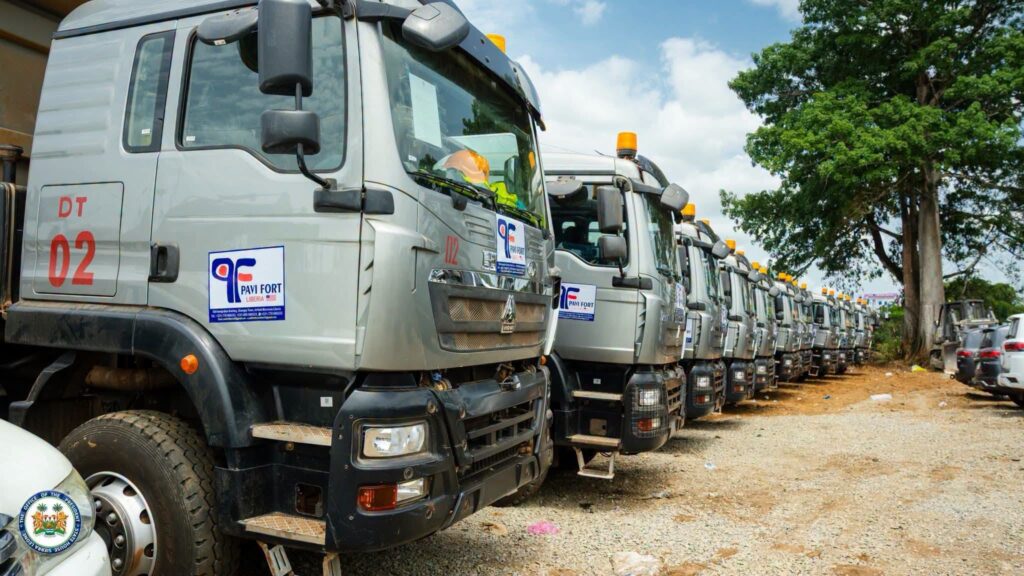
Another major undertaking highlighted by government officials is the procurement of 285 pieces of earth-moving equipment intended for deployment across Liberia’s 15 counties.
Authorities say the equipment will support road construction, maintenance, drainage improvement, and other public works projects, particularly in rural communities that have historically struggled with limited infrastructure.
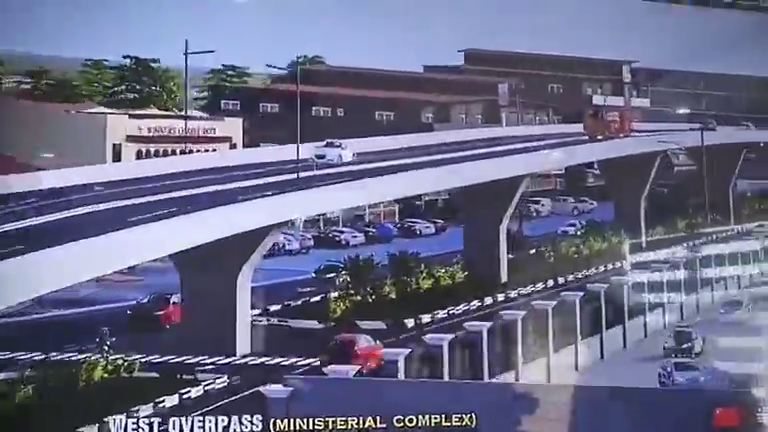
The government is also overseeing the construction of double overhead bridges in the Monrovia metropolitan area as part of efforts to improve traffic flow and modernize urban transportation infrastructure.
Measuring Progress
Political analysts note that many of the projects cited by Honnah are at different stages of implementation, with some completed, others under construction, and several still in the planning or procurement phase.
Nevertheless, the breadth of the initiatives reflects the administration’s effort to demonstrate tangible progress under its ARREST Agenda for Inclusive Development.
For supporters of President Boakai, the projects collectively represent evidence that the government is laying the foundation for long-term growth and national transformation.
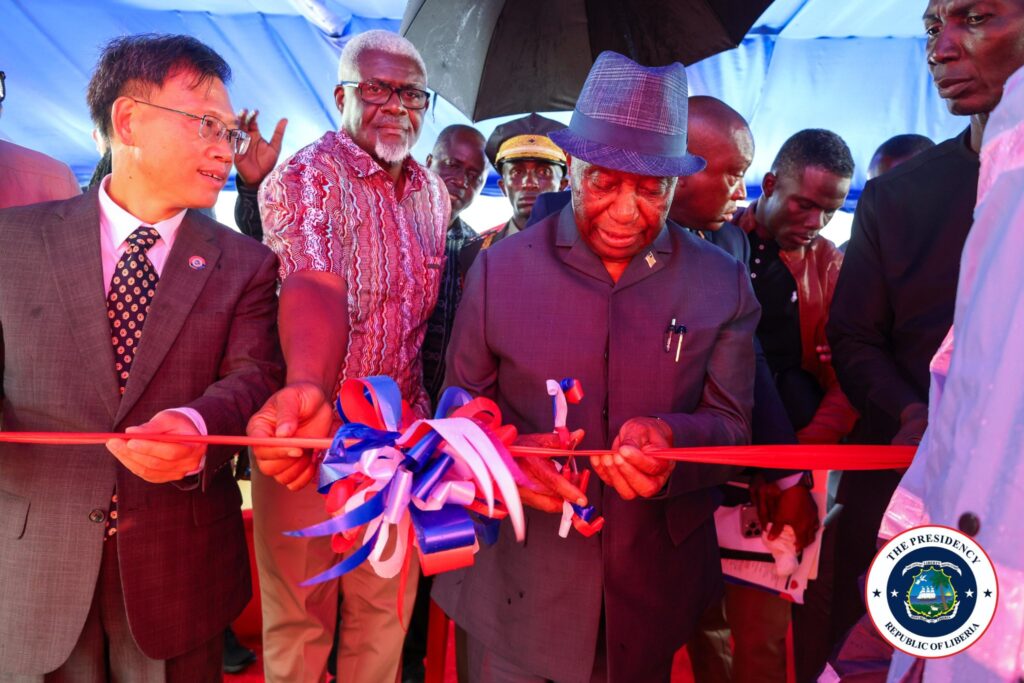
Critics, however, argue that the true measure of success will depend not on announcements but on the timely completion of projects and their impact on the daily lives of ordinary Liberians.
As the administration approaches the midpoint of its six-year mandate, the debate over its performance is likely to intensify. Yet there is little disagreement that infrastructure development, energy expansion, governance reform, and international engagement have become central pillars of the Boakai government’s vision for Liberia’s future.
Follow The Liberian Post on Facebook and X (formerly twitter)