-Major Overhaul of U.S. Visa Operations Planned Across Africa
MONROVIA – The United States government is reportedly preparing to significantly reduce the number of American embassies and consulates across Africa authorized to process visa applications, a move that could reshape how millions of Africans access U.S. consular services.
According to a report by the Associated Press (AP), the U.S. State Department plans to reduce the number of embassies and consulates handling visa applications on the continent from nearly 50 to just 20 designated regional hubs.
The proposed restructuring, expected to take effect in the coming weeks, was outlined in an internal State Department memorandum obtained by the Associated Press and confirmed by U.S. officials familiar with the matter.
If implemented, the changes would represent one of the most significant reorganizations of American consular services in Africa in recent years.
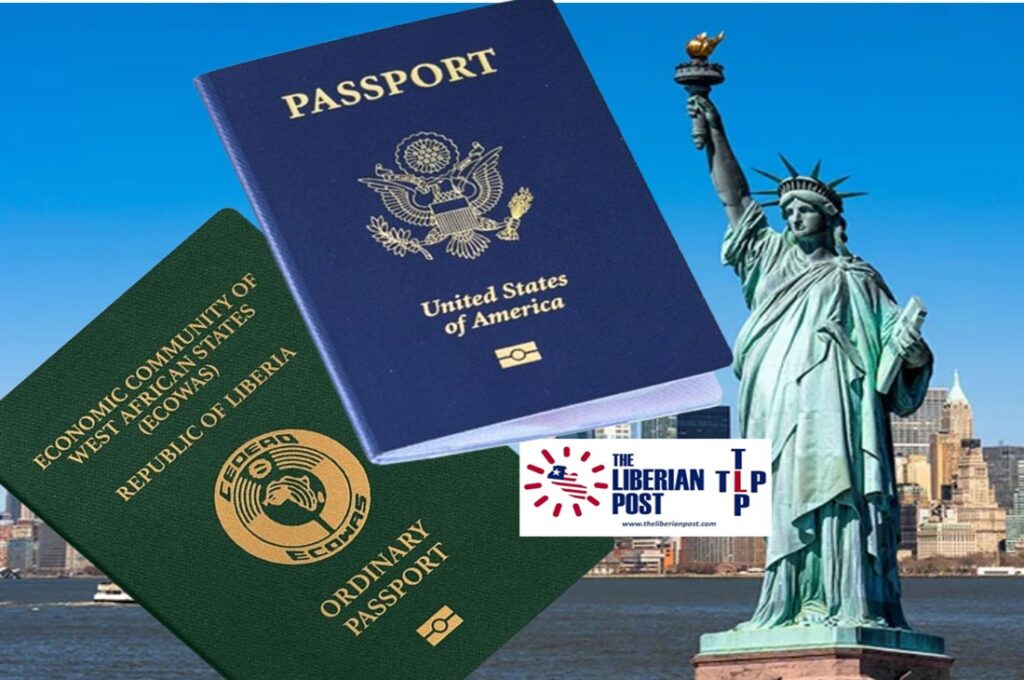
Part of Broader U.S. Immigration Policy
The move is part of the Trump administration’s broader immigration and border security agenda aimed at tightening visa issuance procedures, strengthening security screening, and reducing visa overstays.
According to reports, U.S. diplomats and consular officials were informed during a recent conference call that visa services across Africa would be consolidated into a smaller network of strategically located processing centers.
Under a directive reportedly approved by U.S. Secretary of State Marco Rubio, only 20 designated locations across Africa will continue offering comprehensive visa-processing services, while other diplomatic missions will see their visa operations significantly scaled back.
The decision comes amid a series of immigration policy adjustments that have affected visa applicants globally, including enhanced vetting requirements, increased security reviews, and tighter enforcement measures.
What the Changes Mean for Africa
For many African travelers, students, businesspeople, tourists, and families seeking to visit the United States, the new arrangement could create additional challenges.
Citizens of countries that lose full visa-processing authority may be required to travel to another nation to submit applications, attend interviews, or complete other consular procedures.
Observers say this could increase travel costs, place additional burdens on applicants, and potentially lengthen waiting times for visa appointments.
While embassies and consulates in non-hub countries are expected to remain open, their functions will largely be limited to assisting American citizens, handling emergency consular matters, processing diplomatic visas, and supporting special national-interest cases.
The State Department has defended the restructuring as part of a broader effort to align resources with U.S. national interests while maintaining rigorous standards for security screening and visa adjudication.

Liberia Among Select African Countries Retaining Full Visa Services
Amid the sweeping changes, Liberia has emerged as one of the few African nations selected to retain full U.S. visa-processing capabilities.
Under the proposed framework, the U.S. Embassy in Monrovia will remain a designated regional visa-processing hub, placing Liberia among an exclusive group of countries that will continue offering comprehensive visa services.
The countries expected to retain full visa-processing authority include Liberia, Côte d’Ivoire, Ghana, Ethiopia, South Africa, Senegal, Tanzania, Djibouti, Uganda, Rwanda, the Democratic Republic of Congo, Nigeria, Togo, Angola, Equatorial Guinea, Kenya, Mauritius, Cape Verde, Cameroon, and other approved locations identified in the State Department’s restructuring plan.
For Liberia, the decision is being viewed as a significant diplomatic and administrative achievement, reflecting confidence in the operational capacity and effectiveness of the U.S. Embassy in Monrovia.
Monrovia Poised to Become Regional Visa Hub
The designation could significantly enhance Monrovia’s importance within the region.
Diplomatic observers note that applicants from neighboring countries that lose full visa-processing authority may be required to travel to one of the designated hubs, potentially increasing visa-related traffic through Liberia.
As a result, Monrovia could emerge as an important regional destination for visa applicants seeking access to U.S. consular services.
The development also strengthens Liberia’s standing as a strategic partner of the United States and reinforces the country’s growing profile within regional diplomatic and administrative circles.
For many Liberians, the decision means continued direct access to U.S. visa services without the inconvenience and expense of traveling to another country.

A Global Trend Toward Consolidated Consular Services
Beyond Africa, the planned restructuring reflects a broader trend in international diplomacy and immigration management.
Governments around the world are increasingly reviewing consular operations to improve efficiency, reduce costs, centralize services, and strengthen security procedures.
Supporters of regional visa-processing hubs argue that concentrating resources in strategically located centers allows for more effective screening, improved operational performance, and better management of growing application volumes.
Critics, however, contend that reducing the number of processing centers may create unnecessary barriers for legitimate travelers, students, investors, and families seeking to visit or study in the United States.
The debate comes at a time when countries worldwide are reassessing immigration policies in response to concerns about border security, irregular migration, labor mobility, and changing global travel patterns.

Strategic Importance for Liberia and the Region
Against this backdrop, Liberia’s inclusion among the limited number of African countries retaining full visa-processing authority carries significance beyond the immediate benefits of consular services.
The decision places Monrovia within a select network of strategically important diplomatic centers through which the United States intends to conduct a substantial portion of its visa operations on the continent.
Analysts say the move could contribute to increased regional engagement, strengthen Liberia’s international profile, and further underscore the country’s importance within U.S.-Africa relations.
Although American officials have yet to announce a formal implementation date, the proposed changes are already generating considerable interest across Africa, particularly in countries that may lose direct access to comprehensive visa-processing services.
For Liberia, however, the development stands out as a rare bright spot amid a broader tightening of U.S. immigration policies—one that could position Monrovia as a key gateway for American consular services in West Africa for years to come.
Follow The Liberian Post on Facebook and X (formerly twitter)