-Fatima Bio’s Candid Assessment of Sierra Leone Reflects Challenges Familiar Across Liberia and Much of Africa
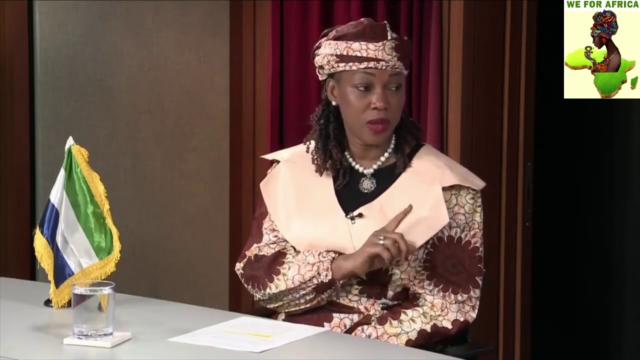
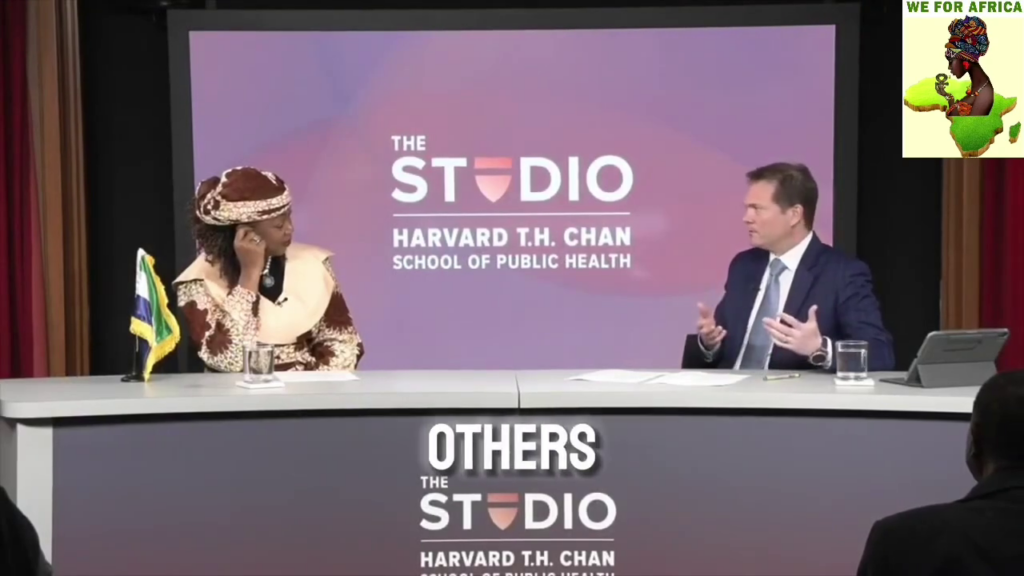
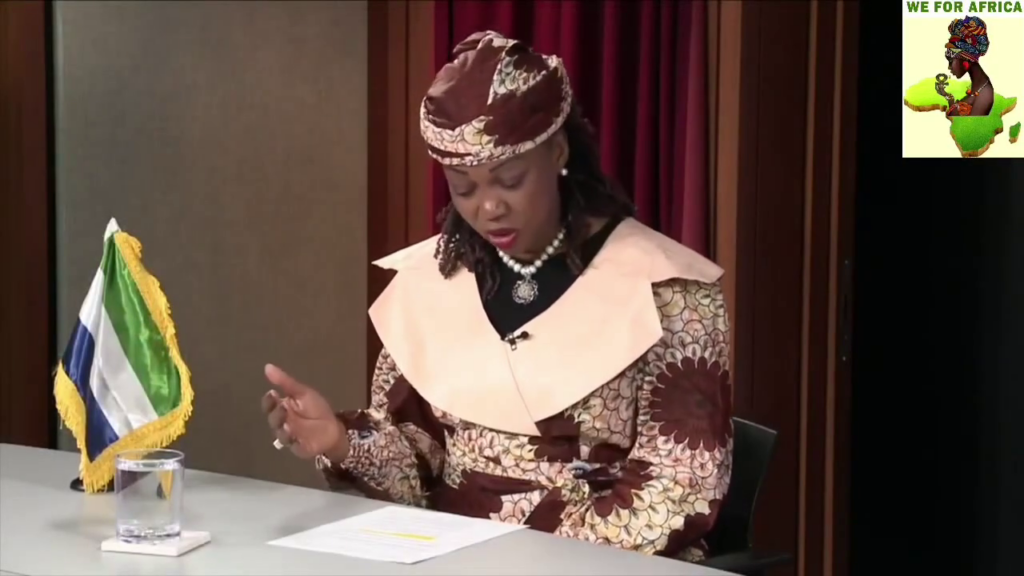
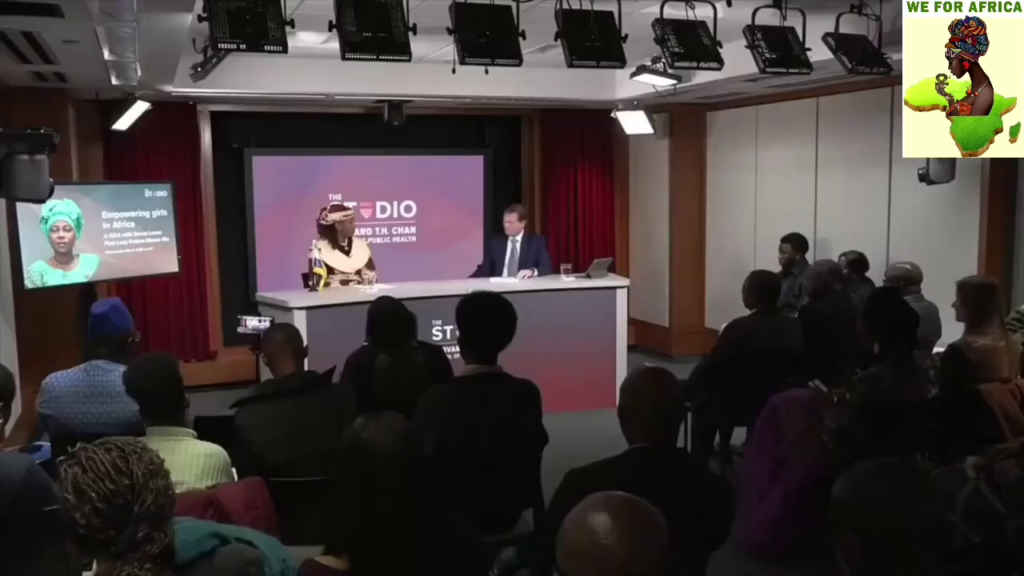
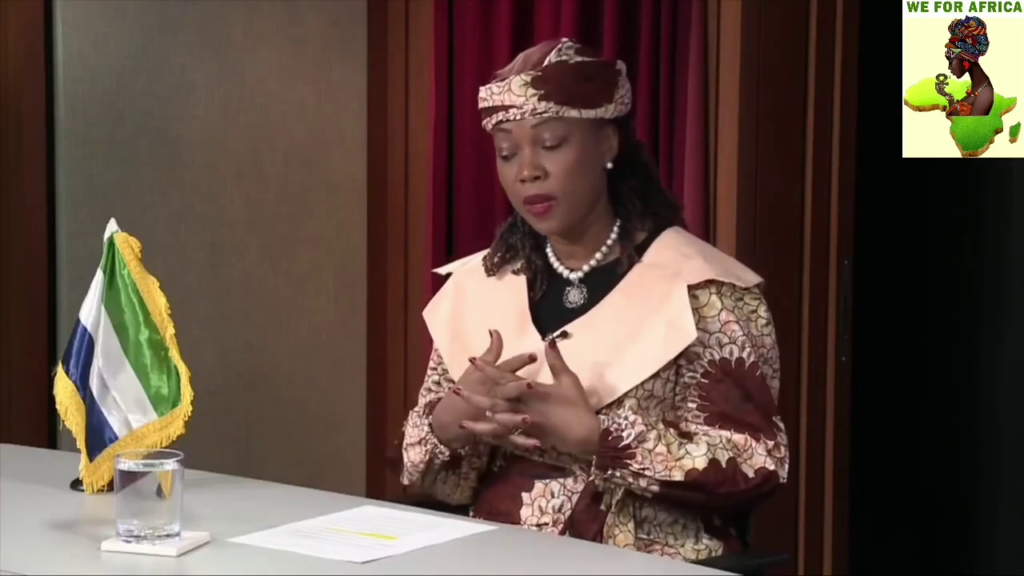
MONROVIA, Liberia – In a candid and wide-ranging interview that has continued to generate discussion across Africa, Sierra Leone’s First Lady, Fatima Maada Bio, delivered a passionate critique of the global political and economic systems she believes have hindered Africa’s development despite the continent’s vast natural wealth.
Speaking openly about Sierra Leone’s struggles with poverty, infrastructure deficits, healthcare challenges, education gaps, and foreign control of natural resources, the First Lady painted a picture that many Liberians and Africans would find strikingly familiar.
Her remarks touched on issues that have long dominated political discourse throughout Africa: who truly benefits from the continent’s natural resources, why resource-rich countries remain poor, and whether African nations have genuine control over their own development paths.
“We Should Not Have a Single Poor Person”
At the center of Fatima Bio’s argument was Sierra Leone’s vast mineral wealth.
The First Lady contended that the country’s abundant natural resources should be sufficient to provide a decent standard of living for all its citizens. Yet, she argued, the benefits of those resources have historically flowed elsewhere rather than improving the lives of ordinary Sierra Leoneans.
“When you look at what Sierra Leone has to offer, when you come to our mineral resources, the kind of mineral resources we have in our country is enough to take care of everybody in that country,” she said. “We should not have a single poor person in Sierra Leone.”
According to her, foreign interests have traditionally exercised significant influence over the exploitation and management of African resources, leaving governments with limited room to negotiate arrangements that fully benefit their populations.
Resource Wealth, But Persistent Hardship
The First Lady questioned why countries endowed with diamonds, gold, iron ore, bauxite, and other valuable resources continue to struggle with basic development indicators.
She pointed to challenges that remain prevalent in Sierra Leone, including unreliable electricity, inadequate water systems, weak healthcare infrastructure, and shortcomings in the education sector.
Her comments mirror concerns frequently raised in Liberia, where despite significant reserves of iron ore, gold, diamonds, timber, and rubber, many communities continue to grapple with poor roads, inadequate electricity, limited access to clean water, and underfunded public services.
Fatima Bio argued that meaningful development cannot occur without peace, stability, and greater national control over economic resources.
Challenging Africa’s Relationship with Global Powers
Beyond Sierra Leone, the First Lady broadened her criticism to encompass Africa’s relationship with major global powers.
She suggested that African countries are often pressured to align themselves with competing international interests rather than pursuing development strategies tailored to their own needs.
According to her, ordinary Africans are less concerned about geopolitical rivalries and more interested in practical issues such as quality education, functioning healthcare systems, democratic governance, and economic opportunities.
“We’re fighting for our daily bread,” she said, emphasizing that African citizens want the same opportunities and public services enjoyed elsewhere in the world.
Call for Equal Partnerships
One of the strongest themes emerging from the interview was the First Lady’s call for a new relationship between Africa and the international community.
Rather than aid-dependent arrangements, she advocated partnerships built on mutual respect, fairness, and shared benefits.
She argued that African nations should no longer be viewed merely as sources of raw materials but as equal partners whose interests deserve protection and respect.
“You cannot be coming to our country and take everything that will make us develop, and then you still treat us as inferior people,” she asserted.
Criticism of Global Governance Structures
The Sierra Leonean First Lady also expressed frustration with international governance institutions, particularly the representation of African countries within global decision-making bodies.
She questioned why a continent of 54 countries lacks permanent representation and veto power on the United Nations Security Council, arguing that Africa’s voice remains disproportionately weak in institutions that influence global affairs.
Her comments reflect longstanding calls by African leaders for reforms to international institutions established in the aftermath of World War II.
For decades, African governments have argued that global governance structures do not adequately reflect contemporary geopolitical realities and often fail to provide the continent with meaningful influence over decisions affecting its future.
“Africans Should Decide Africa’s Future”
Perhaps the most powerful message from the interview was Fatima Bio’s insistence that Africa’s development challenges can only be solved by Africans themselves.
She argued that no foreign government, institution, or organization understands Africa’s priorities better than Africans and called for greater self-determination in shaping the continent’s future.
“I believe that Africa’s issues can only be enhanced when Africans decide to do that,” she said. “No one will know what Africa needs better than Africans.”
A Message That Resonates Beyond Sierra Leone
While Fatima Bio repeatedly clarified that she was speaking in her personal capacity and not on behalf of the Government of Sierra Leone, her remarks have resonated far beyond her country’s borders.
Across Liberia and much of Africa, debates continue over resource ownership, economic sovereignty, governance reforms, infrastructure development, youth unemployment, and the continent’s place within the global economy.
For many observers, the First Lady’s comments reflect frustrations that have long been voiced by citizens, activists, policymakers, and scholars who argue that Africa’s immense wealth has yet to translate into broad-based prosperity for its people.
Whether one agrees with all of her conclusions or not, Fatima Bio’s message has reignited an enduring conversation about Africa’s future—a conversation centered on a simple but profound question: how can a continent so rich in resources become equally rich in opportunity, development, and human progress?
Follow The Liberian Post on Facebook and X (formerly twitter)