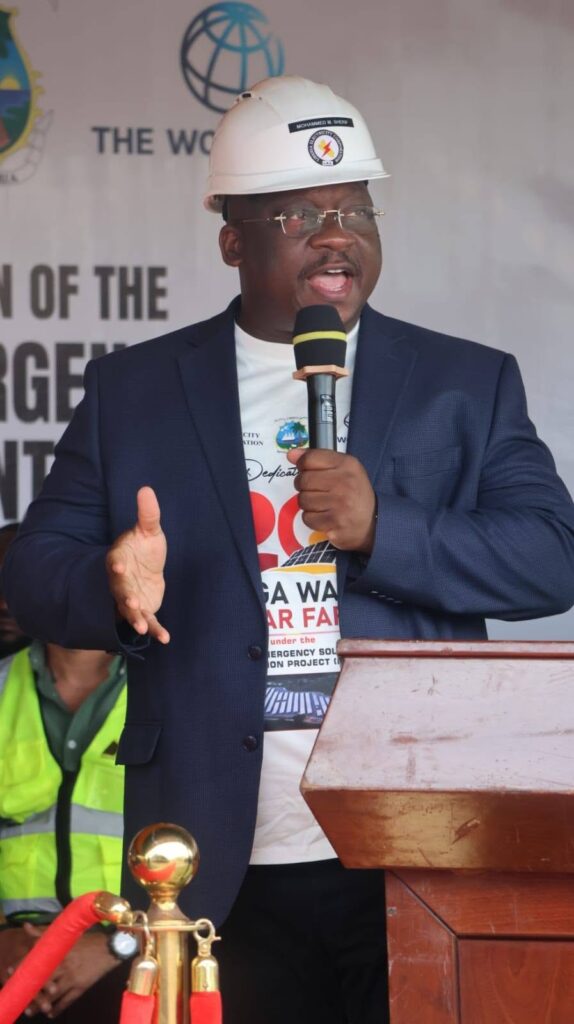
Liberia’s commissioning of its first utility-scale, grid-connected 20-megawatt solar power plant should be viewed for what it truly is: a significant national achievement.
For far too long, electricity has been one of this country’s greatest development challenges. Successive governments have spoken about expanding access to affordable and reliable power, yet millions of us Liberians continue to live in communities where electricity remains either unavailable, unreliable, or unaffordable.
That is why Friday’s commissioning ceremony in Harrisburg Township deserves attention beyond the political slogans, social media debates, and partisan talking points that have dominated public discourse since the event.
At its core, this project is about development.
It is about creating the conditions necessary for businesses to grow, hospitals to function efficiently, students to study after dark, entrepreneurs to expand their operations, and communities to improve their quality of life.
Finance and Development Planning Minister Augustine Kpehe Ngafuan was correct when he described energy as the engine of the private sector. Every serious discussion about economic transformation eventually returns to the same question: how can a country industrialize, create jobs, attract investment, and improve living standards without reliable electricity?
The answer is simple—it cannot.
No nation has successfully transformed its economy while leaving its people in darkness.
This is why the commissioning of the solar facility represents more than the addition of 20 megawatts to the national grid. It signals a recognition by policymakers that energy infrastructure is not a luxury; it is a prerequisite for development.
The figures announced during the ceremony are equally encouraging.
The restoration of Mount Coffee’s damaged turbine, bringing the hydropower facility back to its full 88-megawatt capacity, demonstrates that existing assets are being rehabilitated rather than neglected. Plans to expand Mount Coffee by an additional 42 megawatts and increase the new solar plant’s capacity to 30 megawatts suggest that Liberia’s energy sector may finally be entering a period of sustained growth.
The announcement of approximately US$125 million in additional financing from the World Bank for energy, digital connectivity, and road infrastructure further strengthens that outlook.
These are not insignificant developments.
Yet while celebrating these achievements, Liberians must also maintain perspective.
Twenty megawatts alone will not solve Liberia’s electricity crisis.
Many communities across the country remain disconnected from the national grid. Businesses continue to face some of the highest electricity costs in the region. Rural electrification remains a challenge. Distribution losses, illegal connections, and aging infrastructure continue to undermine service delivery.
In short, there is still considerable work ahead.
This is why the real measure of success will not be the commissioning ceremony itself. The real test will be whether ordinary Liberians experience meaningful improvements in their daily lives.
Will electricity become more affordable?
Will service become more reliable? Will rural communities finally gain access to power? Will businesses expand because energy costs have fallen? Will students have more opportunities to study at night?
Will hospitals provide better services because power interruptions have become less frequent? These are the questions that matter.
President Joseph Nyuma Boakai’s remarks to opposition critics generated considerable attention on social media. His statement that opponents should “get used to” hearing about development projects has been interpreted in different ways depending on one’s political perspective.
But beyond the politics lies an important truth.
Development should never be viewed as a victory for one political party and a defeat for another.
When a road is built, it serves all Liberians. When a hospital is improved, it treats all Liberians. When electricity reaches a community, it benefits all Liberians.
Development does not carry a party card.
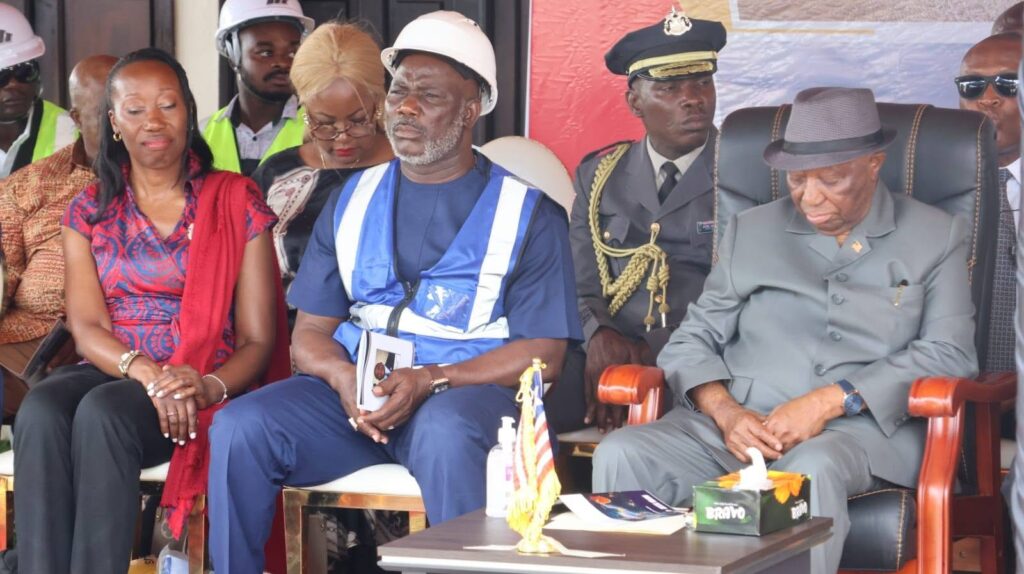
As Senator Edwin Snowe aptly observed during the ceremony, electricity does not ask whether one belongs to the ruling party or the opposition. It simply serves those connected to it.
That principle should guide national discussions moving forward.
The Liberian Post believes that governments should be commended when they deliver tangible results. At the same time, governments must also be held accountable for promises made and outcomes achieved.
Friday’s commissioning ceremony represents a promising step in the right direction.
It demonstrates what is possible when government, international partners, technical experts, and development institutions work together toward a common goal.
But it must not become an isolated success story.
Liberians deserve a comprehensive energy revolution—one that extends beyond Monrovia and reaches every county, district, town, and village.
The solar panels standing today in Harrisburg should not simply symbolize electricity.
They should symbolize possibility.
They should symbolize a future in which Liberia’s development is no longer constrained by darkness.
For now, one thing is certain: the lights are beginning to come on.
The challenge before the nation is ensuring they stay on.
Follow The Liberian Post on Facebook and X (formerly twitter)