–As the Senate Reviews Liberia’s Electoral Laws Ahead of 2029, Lawmakers Must Prioritize Consensus, Transparency, Inclusion, and Constitutional Integrity Over Speed and Political Expediency.
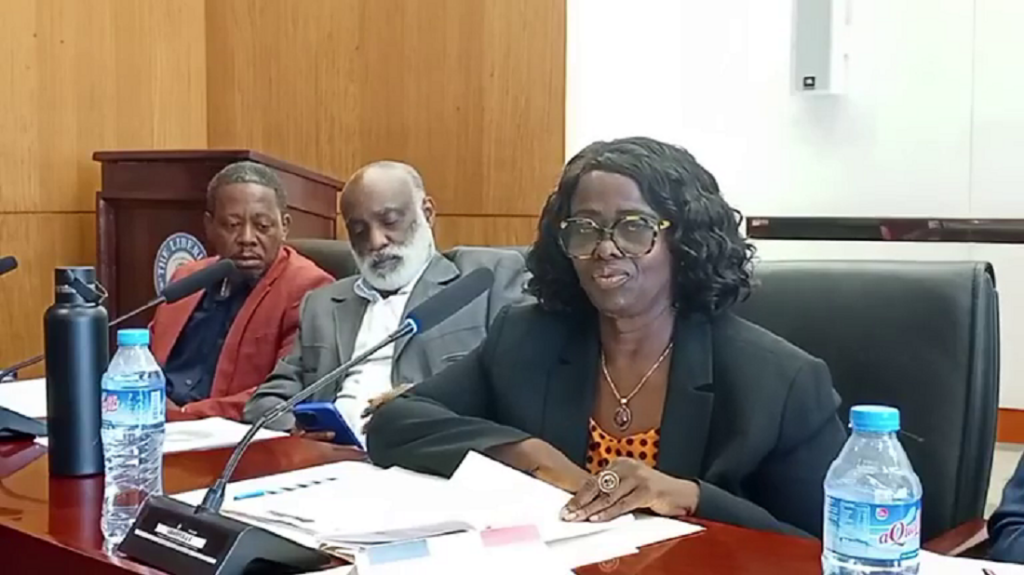
The Senate’s ongoing hearings on proposed amendments to Liberia’s election laws may ultimately prove to be one of the most consequential democratic exercises undertaken since the country’s return to constitutional governance.
What began as a technical review of election procedures has evolved into a broader national conversation about the future of Liberian democracy, the independence of the National Elections Commission (NEC), the inclusion of women and the diaspora, voter participation, and the constitutional safeguards that underpin free and fair elections.
If there was one clear message emerging from Monday’s hearing, it is that electoral reform is necessary. But equally important is the growing consensus that reform must not come at the expense of transparency, participation, accountability, or public confidence.
The stakes could not be higher.
The 2029 General and Presidential Elections will be the first national elections conducted after Liberia’s historic 2023 democratic transition, which demonstrated both the resilience of the country’s institutions and the maturity of its electorate. Any changes made today will shape how Liberians vote, how disputes are resolved, and how electoral legitimacy is maintained for years to come.
That is why lawmakers must proceed carefully.
One of the strongest warnings came from the Congress for Democratic Change (CDC), which argued that several proposed amendments could concentrate excessive authority in the NEC. Whether one agrees entirely with the CDC’s position or not, the concern deserves serious consideration.
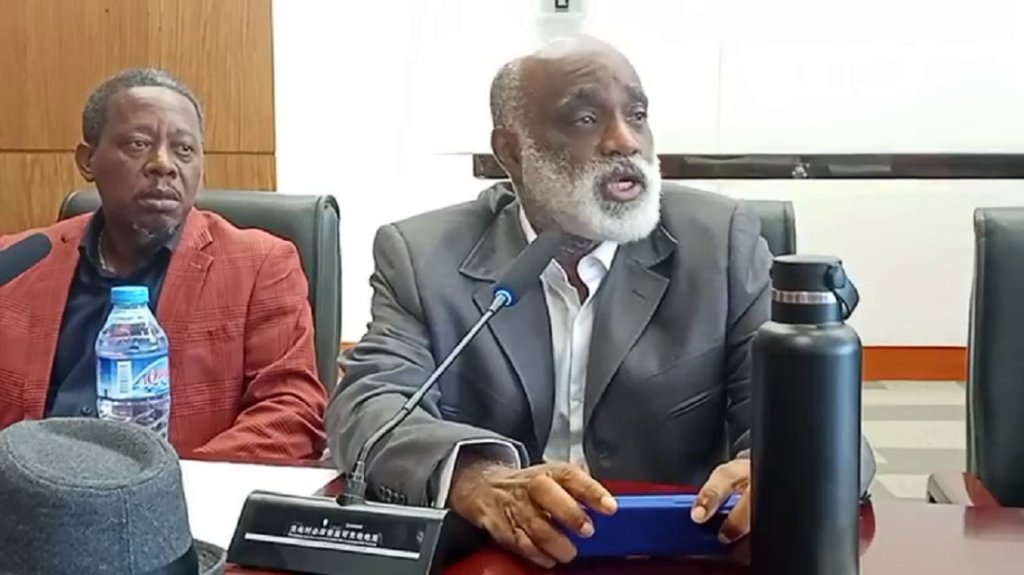
An election management body must be independent. But independence should never mean immunity from scrutiny. Public confidence in elections depends on transparency, judicial oversight, stakeholder participation, and clearly defined checks and balances.
Liberia’s democratic institutions are strongest when power is distributed, not concentrated.
Equally troubling are proposals that would shorten voting hours and drastically reduce the period available for filing election complaints.
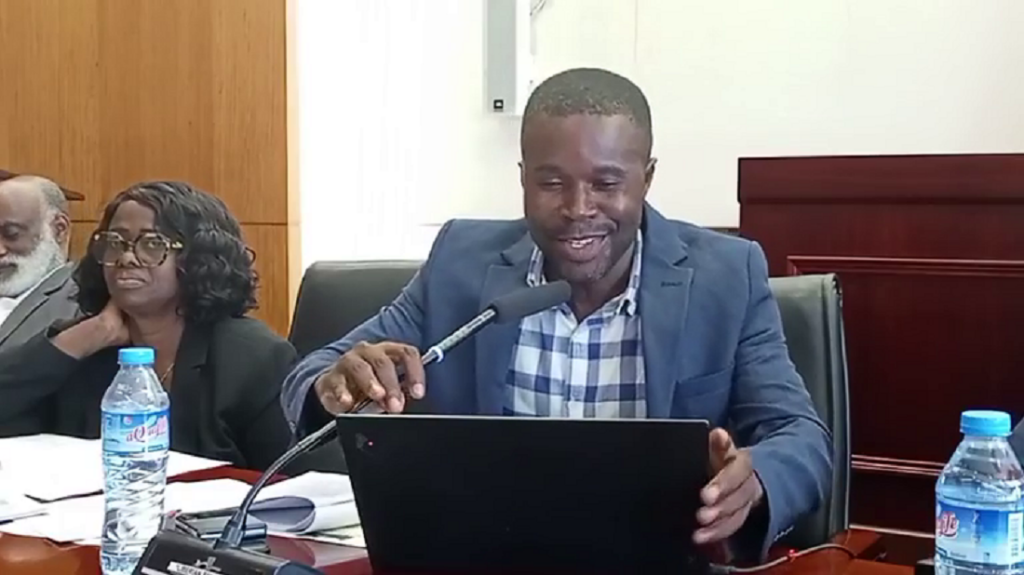
Liberia remains a country where many citizens travel long distances to reach polling centers. Roads remain poor in large parts of the country. Communication systems remain uneven. Transportation remains costly and unreliable.
Reducing voting hours may appear efficient on paper, but it risks disenfranchising precisely those citizens who already face the greatest barriers to participation.
Similarly, reducing complaint periods from seven days to forty-eight hours could create unnecessary obstacles for political parties, candidates, and voters seeking legal remedies.
The right to challenge election outcomes is not merely procedural; it is a cornerstone of democratic legitimacy.
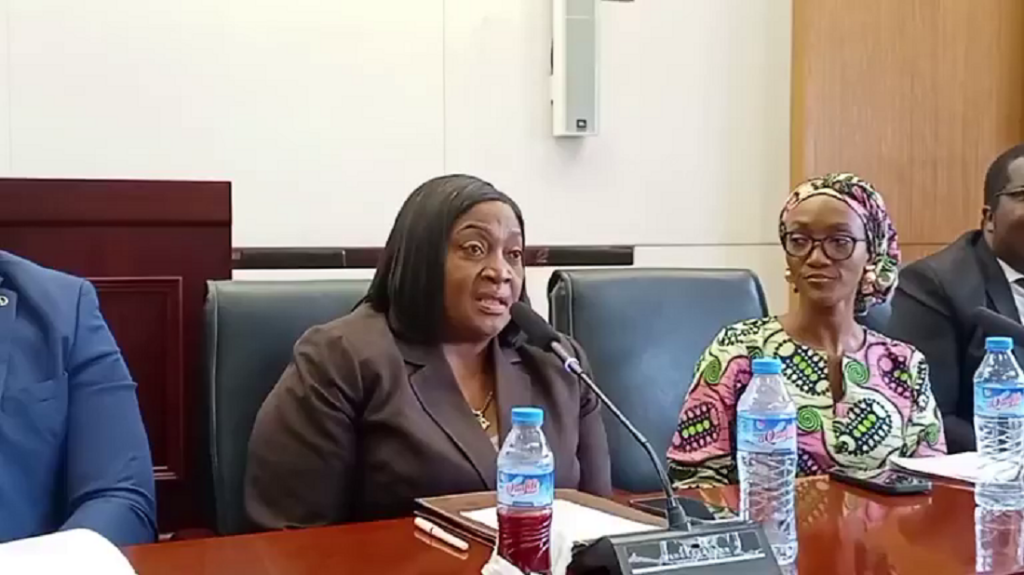
If citizens lose confidence in their ability to seek redress, they may lose confidence in the electoral process itself.
Yet the hearings were not defined solely by opposition and criticism.
There were also encouraging proposals that deserve serious support.
Among them is the growing momentum behind diaspora voting.
The Alternative National Congress (ANC) joined a chorus of voices supporting both diaspora registration and out-of-country voting, echoing years of advocacy by organizations such as the All-Liberian Conference on Dual Citizenship (ALCOD) and the Union of Liberian Associations in the Americas (ULAA).
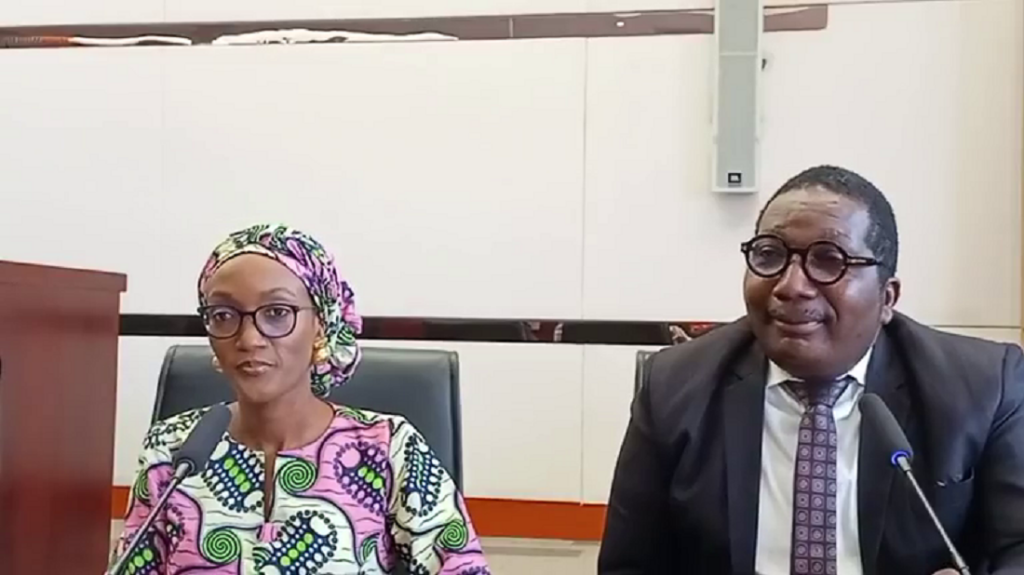
Their argument is compelling.
Liberians abroad contribute hundreds of millions of dollars annually through remittances, investments, skills transfer, and humanitarian support. They remain deeply connected to the country’s future. As Liberia continues to embrace dual citizenship, extending political participation to citizens abroad appears to be a logical next step.
Of course, any diaspora voting framework must include strong safeguards to protect electoral integrity.
But the debate should now focus on implementation rather than exclusion.
Another area where lawmakers should show courage is gender representation.
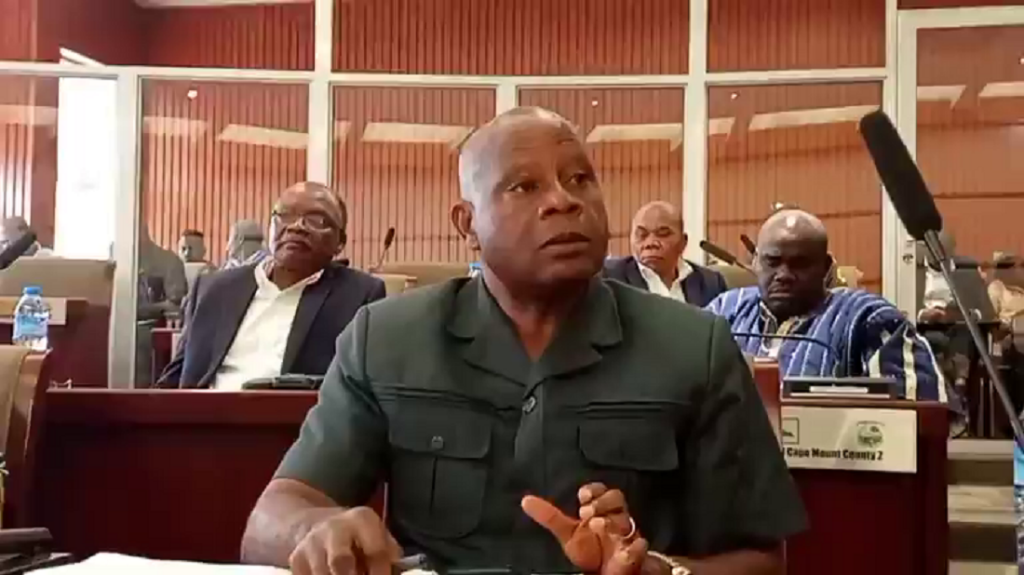
Liberia’s democratic progress cannot be fully realized while women remain significantly underrepresented in elected office.
The testimony offered during the Senate hearing served as a powerful reminder that gender quotas have worked before.
The issue is not whether women are capable of competing politically. They have repeatedly demonstrated that they are.
The issue is whether political systems create genuine opportunities for participation.
A meaningful gender quota, backed by enforceable provisions rather than symbolic language, would represent an important step toward achieving a more inclusive democracy.
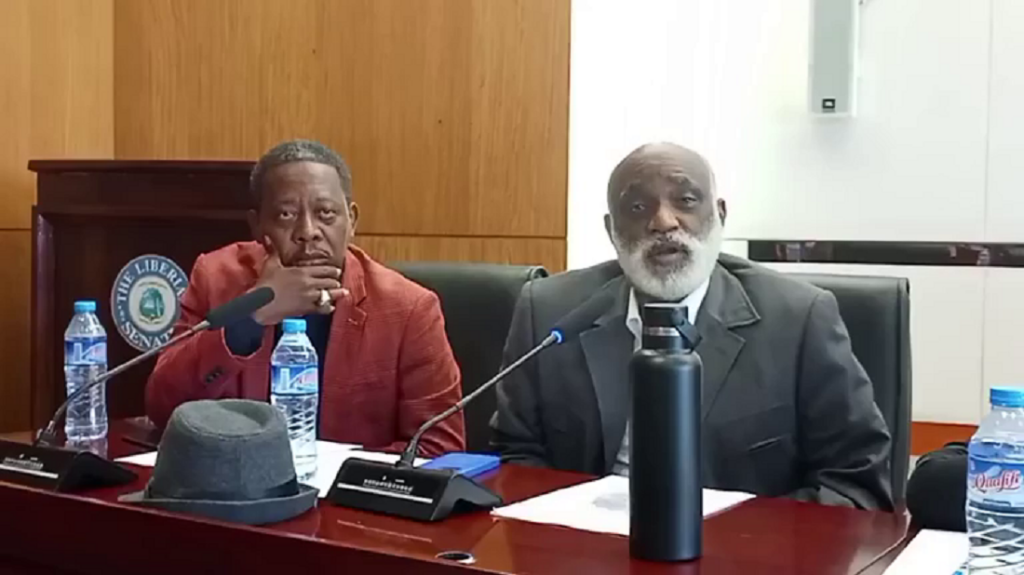
The Press Union of Liberia and other civil society voices also raised an equally important point: reform should be built through broad consultation and national consensus.
Election laws should never be viewed as the property of any one party, administration, or political interest group.
They belong to the Liberian people.
For that reason, the suggestion of a broader national conference on electoral reform deserves serious consideration. Such a process would allow political parties, civil society organizations, women’s groups, youth organizations, legal experts, religious leaders, persons with disabilities, and election professionals to collectively examine proposed reforms before they become law.
Consensus may take longer.
But consensus produces legitimacy.
And legitimacy is the foundation upon which successful elections are built.
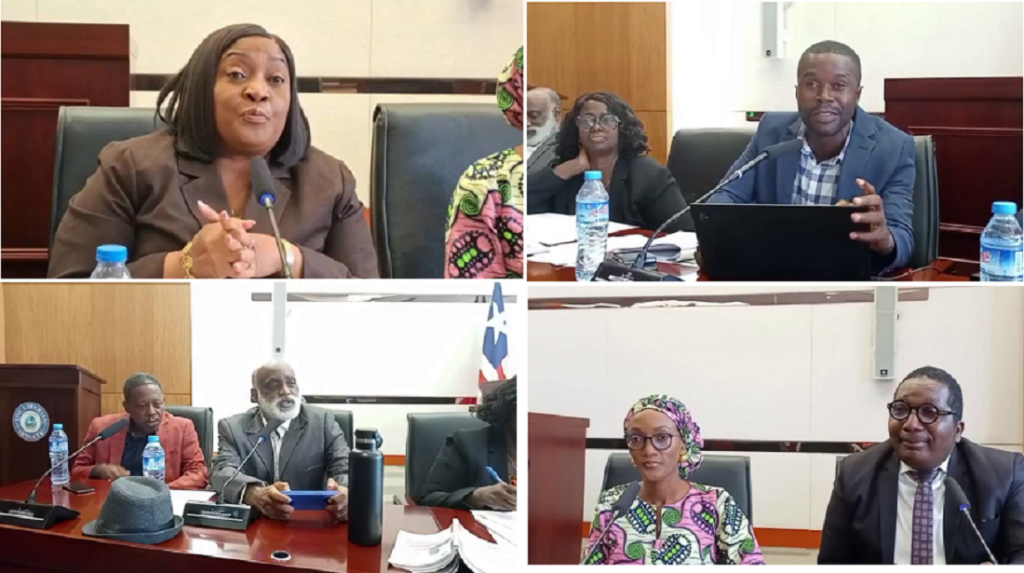
Liberia has time.
The 2029 elections remain several years away.
There is no compelling reason to rush reforms that could have profound constitutional and political consequences.
What lawmakers decide today will affect not only the next election but also public confidence in the democratic process itself.
The Senate therefore faces a historic responsibility.
It must resist the temptation to prioritize expediency over inclusion, speed over scrutiny, and politics over principle.
Election reform should strengthen democracy, not weaken it.
And if Liberia gets this process right, the nation will enter 2029 with stronger institutions, greater public confidence, and a more inclusive electoral system than ever before.
That is a goal worthy of bipartisan support.
For breaking news, in-depth analysis, and exclusive reports from Liberia and around the world, follow The Liberian Post on Facebook (https://web.facebook.com/profile.php?id=61576017166570) and X, formerly Twitter (https://x.com/LiberianPost).