-Opposition Party Urges Senate to Halt Current Reform Process, Warning That Proposed Amendments Could Weaken Transparency, Restrict Participation, and Undermine Constitutional Protections Ahead of the 2029 Elections
MONROVIA – The Congress for Democratic Change (CDC) has launched a sweeping attack on proposed amendments to Liberia’s election laws, warning senators that several provisions could undermine constitutional safeguards, weaken electoral transparency, and concentrate excessive authority in the National Elections Commission (NEC) ahead of the 2029 General and Presidential Elections.
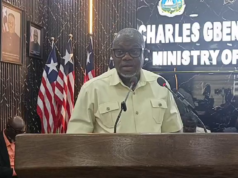
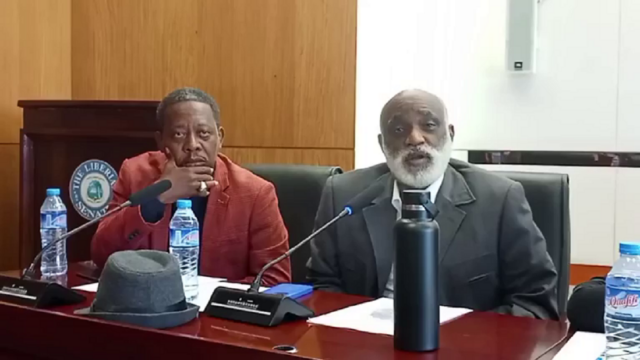
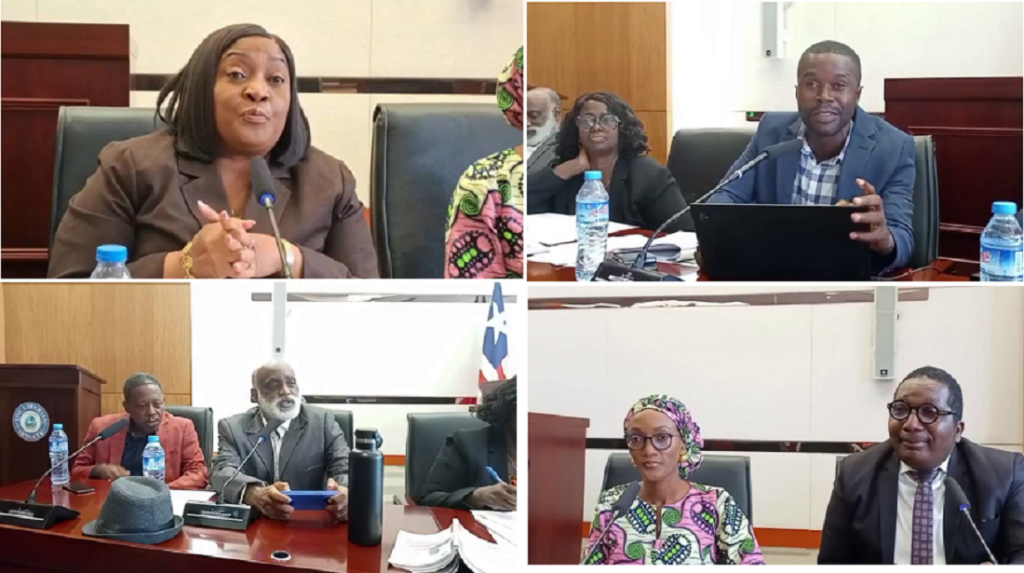
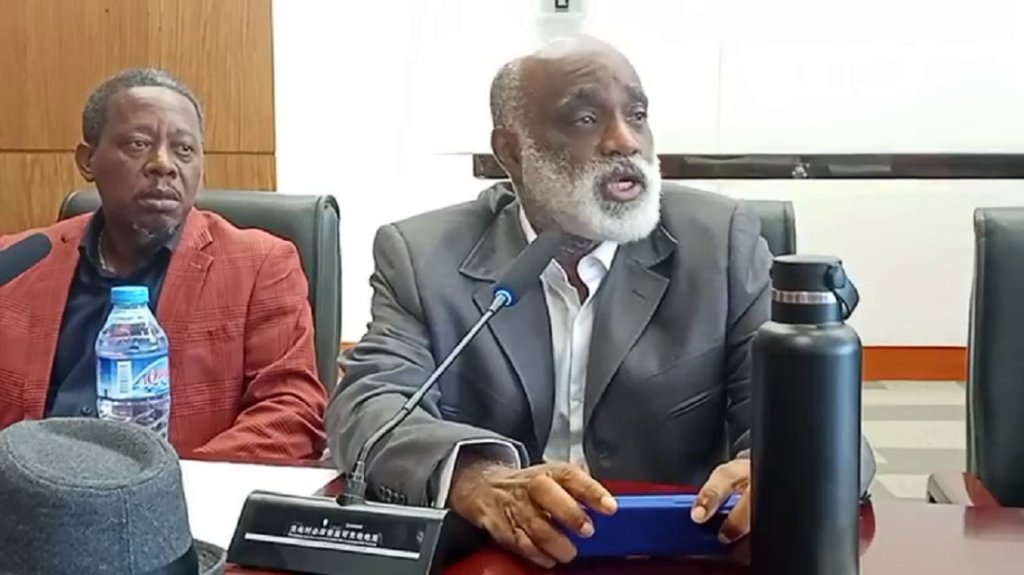
Presenting the party’s position during a Senate hearing on electoral reform Monday, CDC representatives argued that while genuine reforms are necessary to strengthen democracy, some of the proposed changes pose serious legal and democratic concerns. The opposition party’s strongest criticism centered on what it described as a dangerous transfer of authority to the NEC.
“The proposed amendment, viewed collectively, seeks to centralize substantial powers over voter registration, claims and objections, investigation, adjudicating, staffing, disciplinary actions, and electoral administration in the commission itself,” the CDC told senators.
The party warned that such an arrangement could allow the electoral body to function simultaneously as administrator, investigator, prosecutor, witness, and litigant.
“No institution in a constitutional democracy should be permitted to serve as judge of its own cause,” the CDC declared.
Battle Over Voting Hours
Another major point of contention is a proposal to reduce polling hours from the current 8:00 a.m. to 6:00 p.m. schedule to a shorter 8:00 a.m. to 4:00 p.m. voting period.

The CDC described the proposal as a direct threat to voter participation, particularly for rural voters, women, the elderly, persons with disabilities, and working-class citizens who often travel long distances to reach polling centers.
“Such reduction disproportionately affects rural communities, women, elderly citizens, persons with disabilities, and working-class voters,” the party argued. The CDC called on lawmakers to maintain existing polling hours or provide mechanisms for extending voting when necessary.
Constitutional Clash Over Election Complaints
The party also objected to a proposal that would reduce the period for filing election complaints from seven days to 48 hours. According to the CDC, such a change would directly conflict with Article 83(c) of the Liberian Constitution and deprive candidates and political parties of meaningful opportunities to gather evidence and pursue legal remedies.
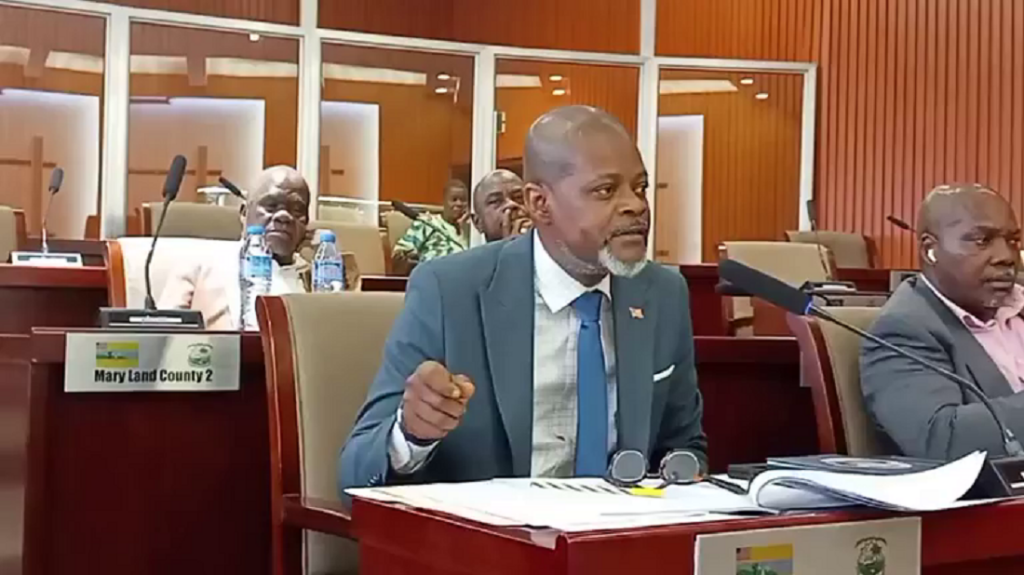
“Rights guaranteed by the Constitution cannot be rendered illusory through procedural barriers,” the CDC warned. The party demanded that the proposal be removed entirely.
Support for Diaspora Voting — With Conditions
Unlike several other aspects of the bill, the CDC expressed support for extending voting rights to Liberians residing abroad. However, the party insisted that any diaspora voting framework must include strict legal safeguards, including biometric verification, transparent voter rolls, secure transmission systems, party observers, judicial review, and public tabulation procedures.
Without those protections, the CDC cautioned that overseas voting could become vulnerable to abuse and controversy.
Call for National Election Reform Conference
Perhaps the most significant recommendation emerging from the CDC presentation was a call for a broad-based National Election Reform Conference before lawmakers proceed further with the proposed amendments.
The party urged the Legislature to temporarily suspend consideration of the current bill and convene a national dialogue involving political parties, civil society organizations, women and youth groups, religious institutions, disability advocates, and international election partners.
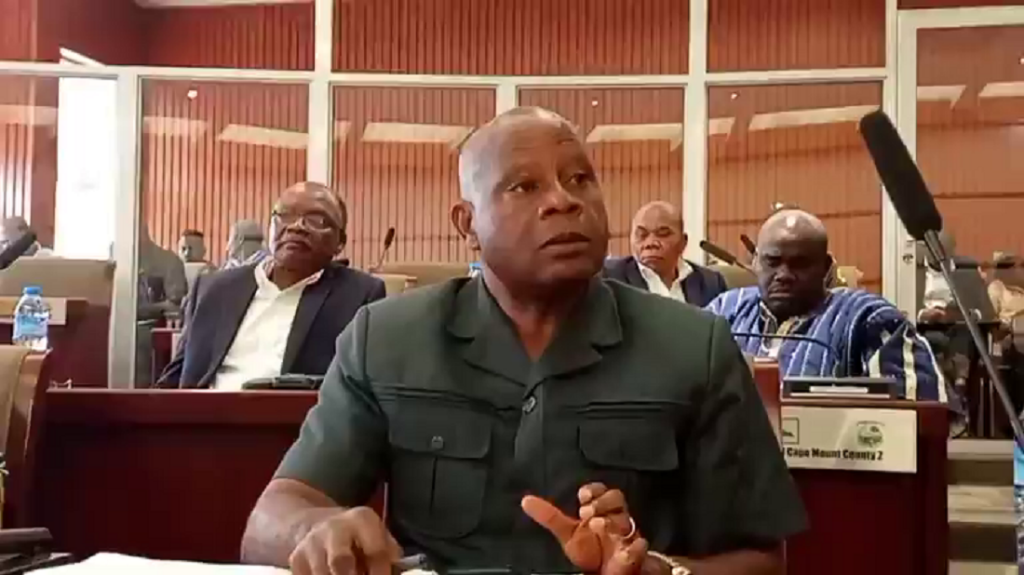
“Viewed collectively, the proposed amendments reveal a disturbing pattern aimed at concentrating authority, restricting participation, limiting remedies, weakening oversight, reducing transparency, and insulating electoral outcomes from meaningful judicial scrutiny,” the CDC concluded.
With political parties increasingly divided over the reform package, Monday’s hearing underscored what could become one of the most contentious legislative battles leading into the 2029 elections.
For breaking news, in-depth analysis, and exclusive reports from Liberia and around the world, follow The Liberian Post on Facebook (https://web.facebook.com/profile.php?id=61576017166570) and X, formerly Twitter (https://x.com/LiberianPost).