–Proposed Health Equity Fund Bill Seeks to Protect Liberians from Crippling Medical Costs through a Nationwide Insurance Scheme Financed by Payroll Contributions, VAT, Mobile Money Levy, Mining Companies and Other Dedicated Revenue Sources
MONROVIA, Liberia – President Joseph Nyuma Boakai Sr. has thrown his full support behind what could become one of Liberia’s most far-reaching healthcare reforms in decades after receiving a proposed national health insurance bill designed to guarantee affordable healthcare for every Liberian and legal resident.
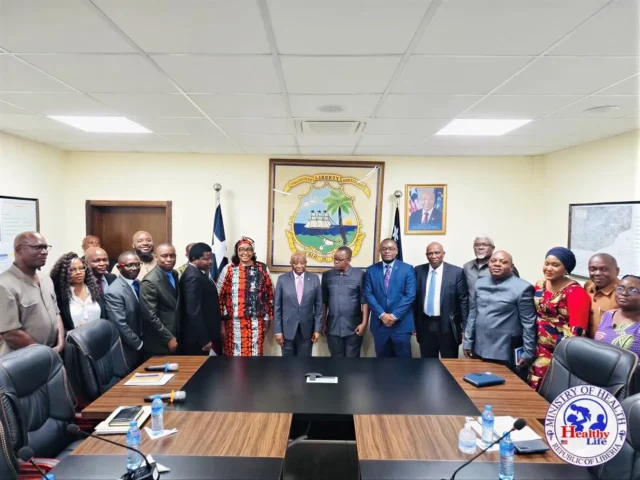
The proposed Liberia Health Equity Fund for Universal Health Coverage (LHEF) Bill, together with the framework establishing the Health Equity Authority of Liberia (HEAL), was formally presented to the President by the Ministry of Health at the Executive Mansion on Monday.
If enacted into law, the legislation will establish Liberia’s first comprehensive national health insurance system, creating a sustainable financing mechanism aimed at expanding access to quality healthcare while protecting families from catastrophic out-of-pocket medical expenses.
The initiative represents one of the flagship reforms under the health pillar of the ARREST Agenda for Inclusive Development (AAID) and is expected to significantly advance Liberia’s quest to achieve Universal Health Coverage (UHC) and Sustainable Development Goal Three (SDG 3), which seeks to ensure healthy lives and promote well-being for all.
“The Health of the People Is the Government’s Responsibility”
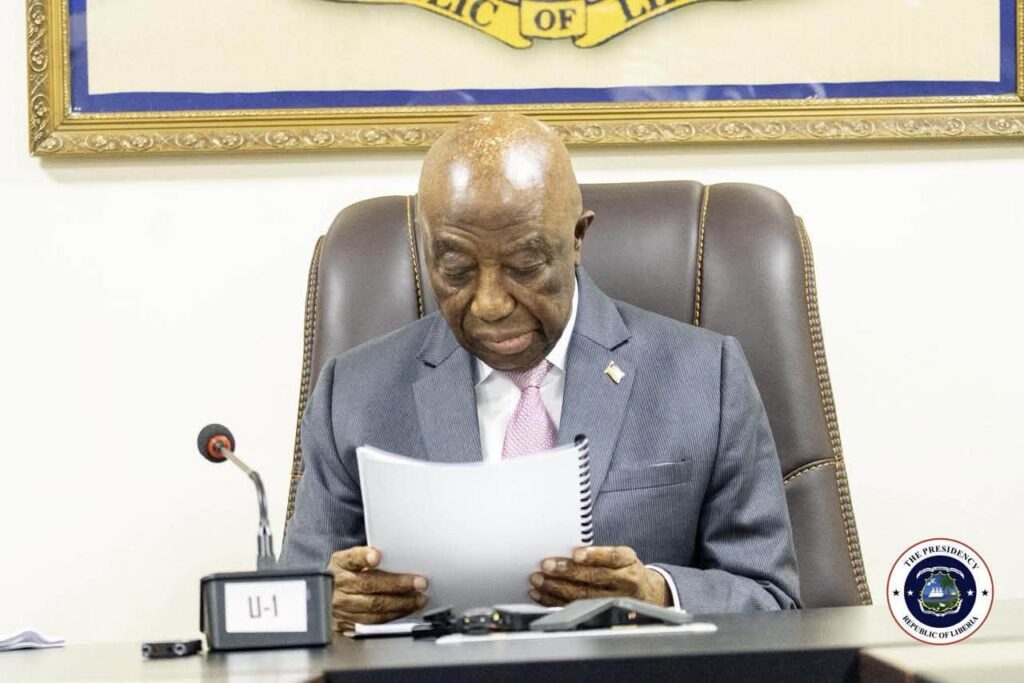
Receiving the proposal, President Boakai described the initiative as a transformative step toward ensuring equitable access to healthcare regardless of a person’s economic status.
“The health of the people is the responsibility of the Government,” President Boakai declared.
He said any government genuinely committed to serving its citizens must prioritize quality healthcare alongside education and other essential public services.
“If we give the people quality education and full access to healthcare, that country will be great,” the President said.
“Our transformation depends on investing in our human capital and making the best use of our resources.”
President Boakai praised the Ministry of Health for what he described as a carefully developed proposal capable of reshaping Liberia’s healthcare system.
“Thanks for this idea that will benefit our country,” he said.
“We need universal healthcare for our people. Some people claimed that the Ministry needs money; I am happy that you took your time to carefully look at it and put everything together.”
The President also urged Liberians to view healthcare as a shared national responsibility.
“What I know is that we have the competence right here, and what we need is for all of us to work for the country,” he said.
“Let’s show love and commitment to the country. Know that this country is yours, and only you can do it.”
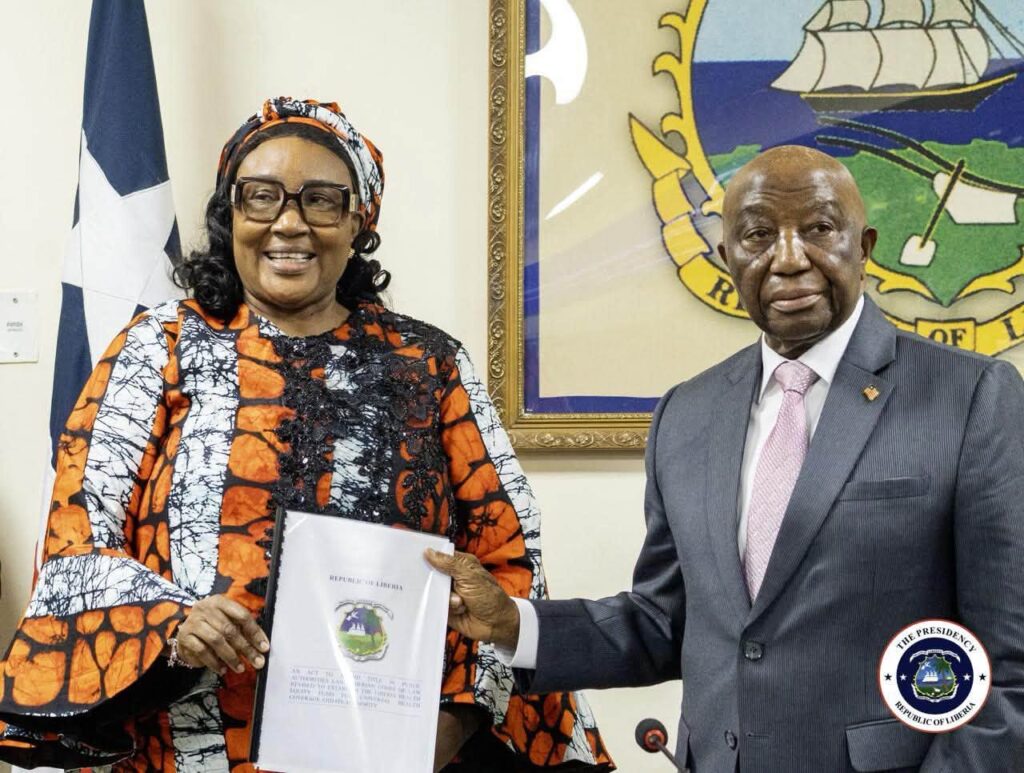
Health Minister Seeks Presidential Endorsement
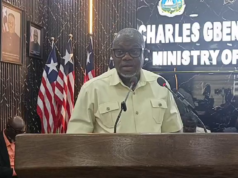
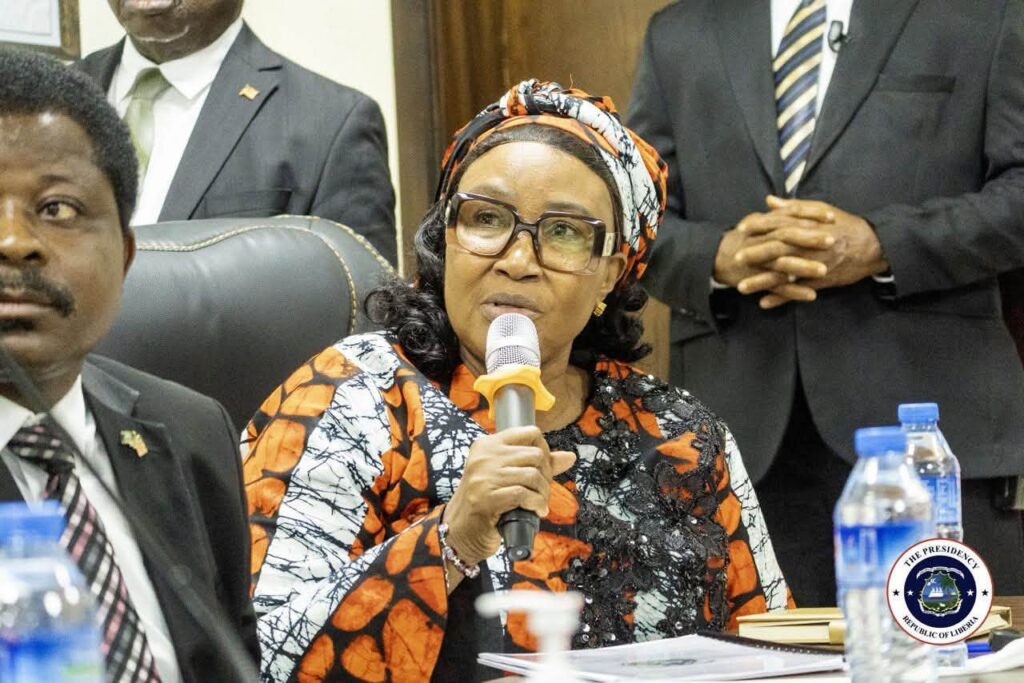
Presenting the documents, Health Minister Dr. Louise M. Kpoto appealed to the President to formally endorse the proposal so that the Ministry can begin the legislative process and prepare the necessary implementation framework.
“We have come to ask for your endorsement,” Dr. Kpoto said.
“We want to translate this bill into legislation and seek your authorization for the Ministry of Health to work along with the Ministry of Finance, the Liberia Revenue Authority, NASSCORP and other stakeholders to prepare the regulatory framework and fiscal transition plan.”
She also requested approval to launch nationwide public education on the proposed health insurance system.
“We also ask you to instruct us to communicate with the public on what we have presented and begin civic education around the Health Equity Fund,” the Health Minister added.
According to the Ministry, the proposed legislation is among the most ambitious healthcare financing reforms undertaken in Liberia in recent years.
It is intended to ensure that all Liberians and legal residents have equitable access to quality healthcare while dramatically reducing the financial hardship many families experience when seeking medical treatment.
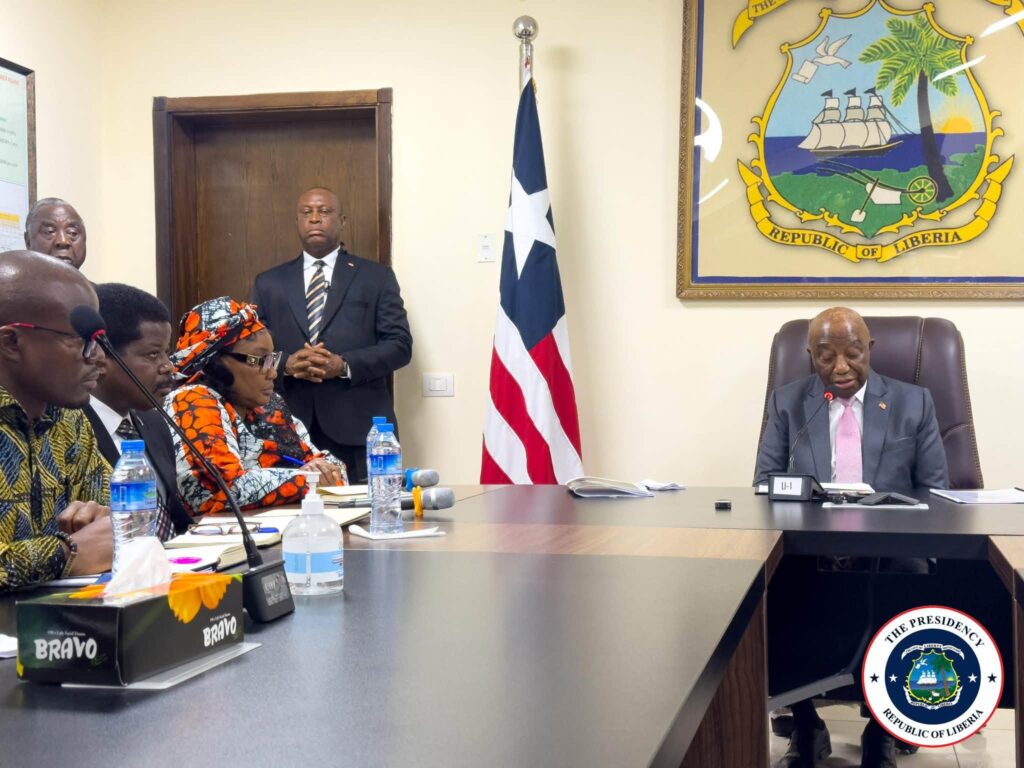
How the Health Equity Fund Will Be Financed
One of the proposal’s most significant features is the establishment of dedicated and sustainable funding sources to support the national health insurance scheme.
According to the Ministry of Health, financing for the Liberia Health Equity Fund will come from multiple revenue streams designed to spread responsibility across various sectors of the economy.
Among the proposed sources are:
- 0.5 to 1 percent salary contributions from employees and employers in the formal sector, administered through NASSCORP under regulations to be developed by HEAL;
- Between 1 and 3 percent of Value Added Tax (VAT) collections, with the final percentage to be determined through legislation;
- A one-cent surcharge on every mobile money transaction conducted in Liberia;
- Mandatory contributions from Class A and Class B mining concession companies, with contribution levels to be prescribed through regulations;
- Periodic contributions from workers in the informal sector, to be collected through unions, associations and other organized groups by the Liberia Revenue Authority;
- Ten percent of national excise tax collections;
- Five percent of revenues generated from environmental pollution-related taxes and levies imposed on manufacturers and distributors; and
- Levies on companies providing health and health-related insurance services.
Health authorities say these funding mechanisms are intended to establish a predictable and sustainable financing system capable of supporting universal healthcare over the long term.
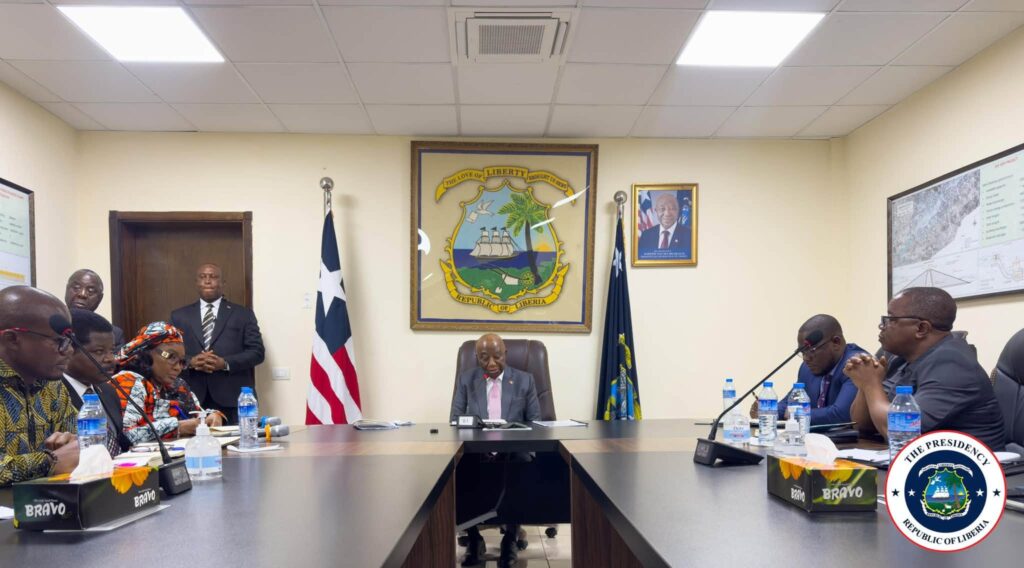
Protecting Families from Medical Poverty
The proposed legislation seeks to address one of Liberia’s longstanding healthcare challenges—the high cost of medical treatment borne directly by patients.
Under the proposed system, resources generated through the Health Equity Fund would be pooled to finance healthcare services, allowing citizens to receive treatment without facing devastating personal medical bills.
President Boakai explained that this model has been successfully implemented in numerous countries around the world.
He said Liberia should not hesitate to adopt proven approaches while adapting them to local realities.
“We do not need to reinvent the wheel,” the President observed.
He noted that health insurance systems function by pooling contributions so that financial resources are available whenever individuals require medical care.
The President added that such systems help protect families from catastrophic health expenditures that often push vulnerable households deeper into poverty.
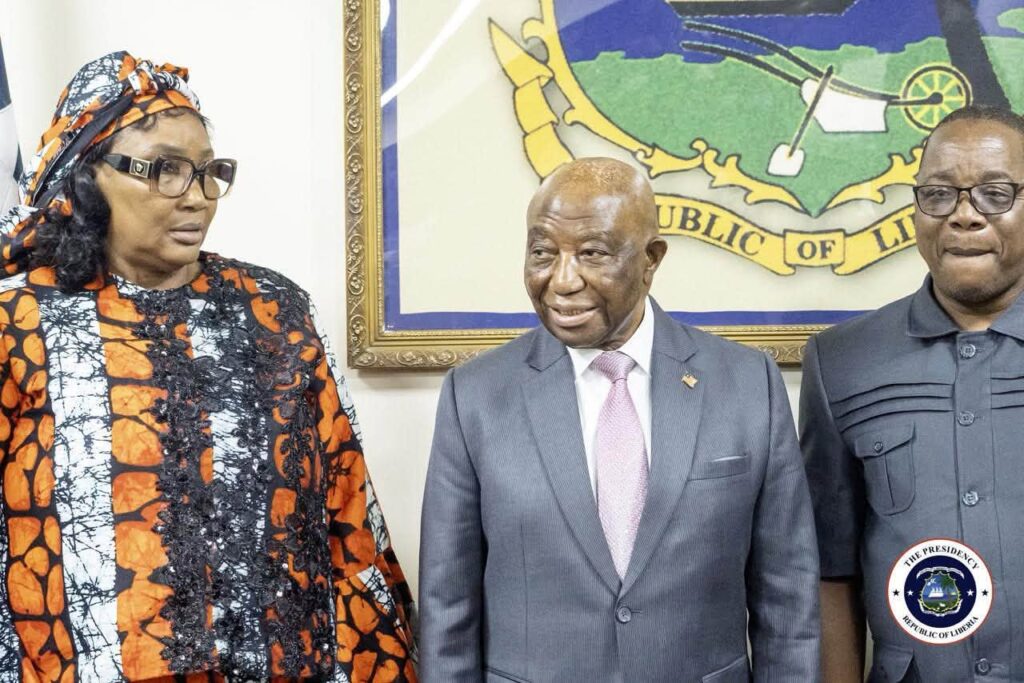
Public Awareness Critical to Success
Recognizing that health insurance remains a relatively new concept for many Liberians, President Boakai stressed that public education would be essential before implementation begins.
“We need to educate a lot of people because we want to make a law that will benefit us,” he said.
“This is a very good effort. I want to assure you that we are committed to it.”
He called for an aggressive nationwide civic education campaign to ensure citizens understand how the proposed scheme would operate and the benefits it is expected to provide.
According to the President, broad public participation and confidence will determine the long-term success of the initiative.
“Healthy people will make a good contribution to our country,” he added.
A New Era for Liberia’s Health Sector
The proposed legislation also establishes the Health Equity Authority of Liberia (HEAL), an independent institution that would oversee implementation of the insurance scheme, administer the Health Equity Fund, ensure accountability, and supervise beneficiary enrollment and service delivery.
Officials say the Authority would operate under a governance framework designed to promote transparency, accountability, and public confidence in the management of healthcare financing.
The proposal comes as Liberia continues efforts to strengthen its healthcare system following lessons learned from the Ebola epidemic, the COVID-19 pandemic, and longstanding challenges involving access to quality medical services, especially in rural communities.
If endorsed by the President and subsequently approved by the National Legislature, the Liberia Health Equity Fund would mark a historic turning point in the country’s healthcare system by shifting financing from predominantly out-of-pocket payments toward a structured national insurance model.
For many health experts, it would represent one of the most significant social protection reforms since the end of Liberia’s civil conflict, with the potential to improve healthcare access, reduce inequality, strengthen public confidence in the health sector, and ensure that no Liberian is denied essential medical care simply because of inability to pay.
For breaking news, in-depth analysis, and exclusive reports from Liberia and around the world, follow The Liberian Post on Facebook (https://web.facebook.com/profile.php?id=61576017166570) and X, formerly Twitter (https://x.com/LiberianPost).