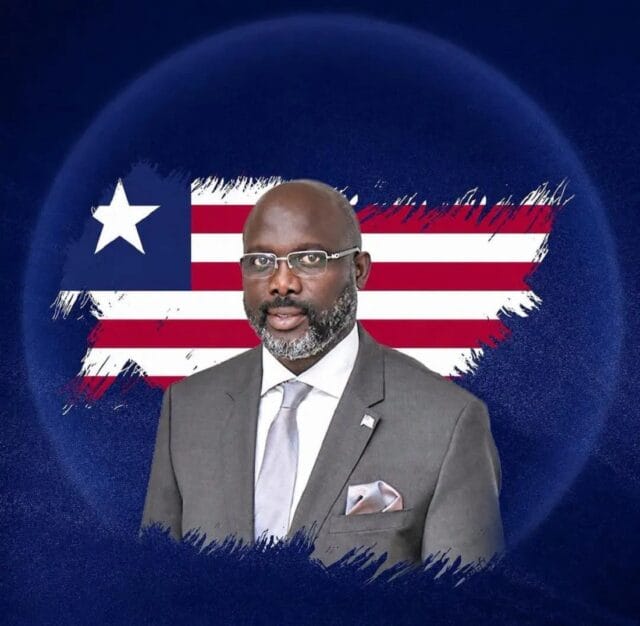
-Former President Declares CDC’s Political Comeback While Cummings Calls for Opposition Unity, Accountability, and a Common Front Against the Boakai Administration
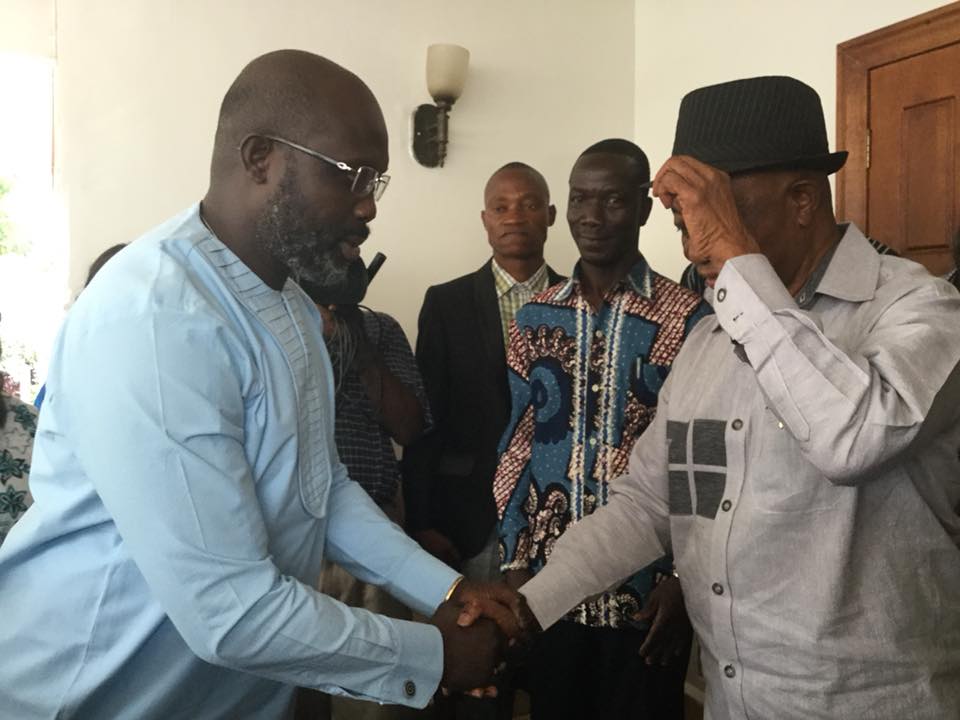
ZWEDRU, Grand Gedeh County – Former President George Manneh Weah on Saturday, June 27, 2026, declared the formal beginning of the Congress for Democratic Change (CDC)’s march toward reclaiming state power in 2029, using the party’s 22nd anniversary celebration to rally supporters, showcase growing opposition solidarity, and launch a blistering critique of President Joseph Nyuma Boakai’s administration.
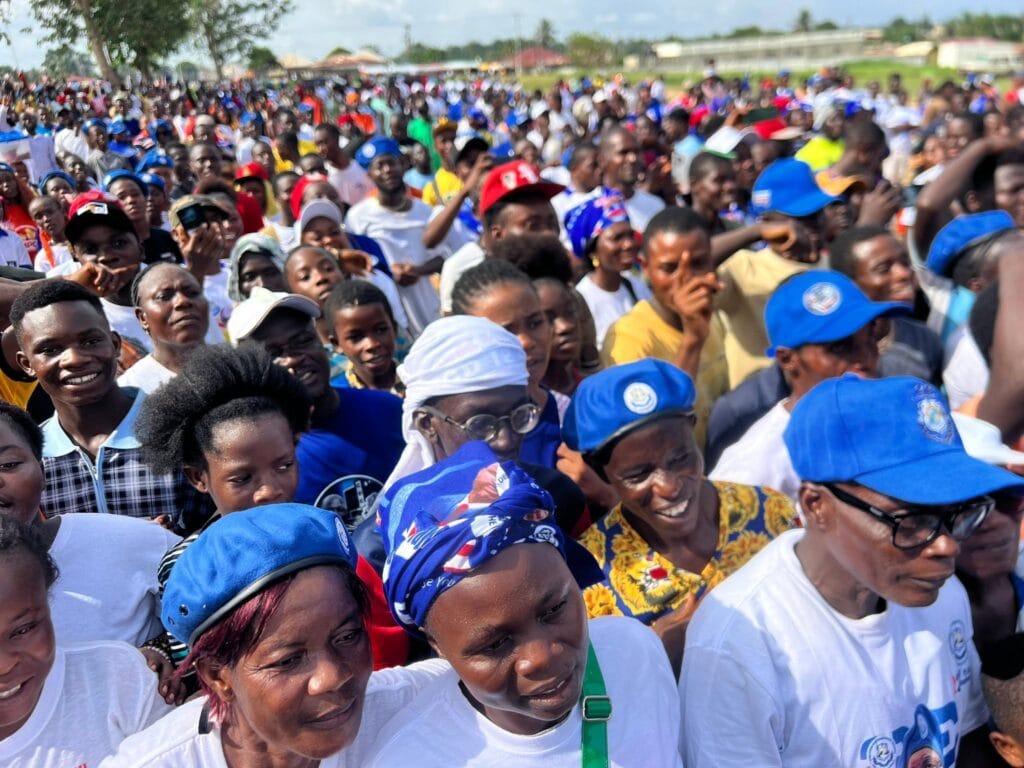
The anniversary celebration, held in Zwedru, Grand Gedeh County, drew an unusually broad cross-section of Liberia’s opposition leadership, transforming what was expected to be a party celebration into one of the most significant displays of opposition cooperation since the 2023 presidential elections.
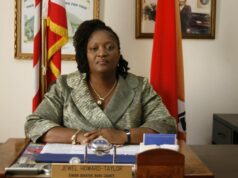
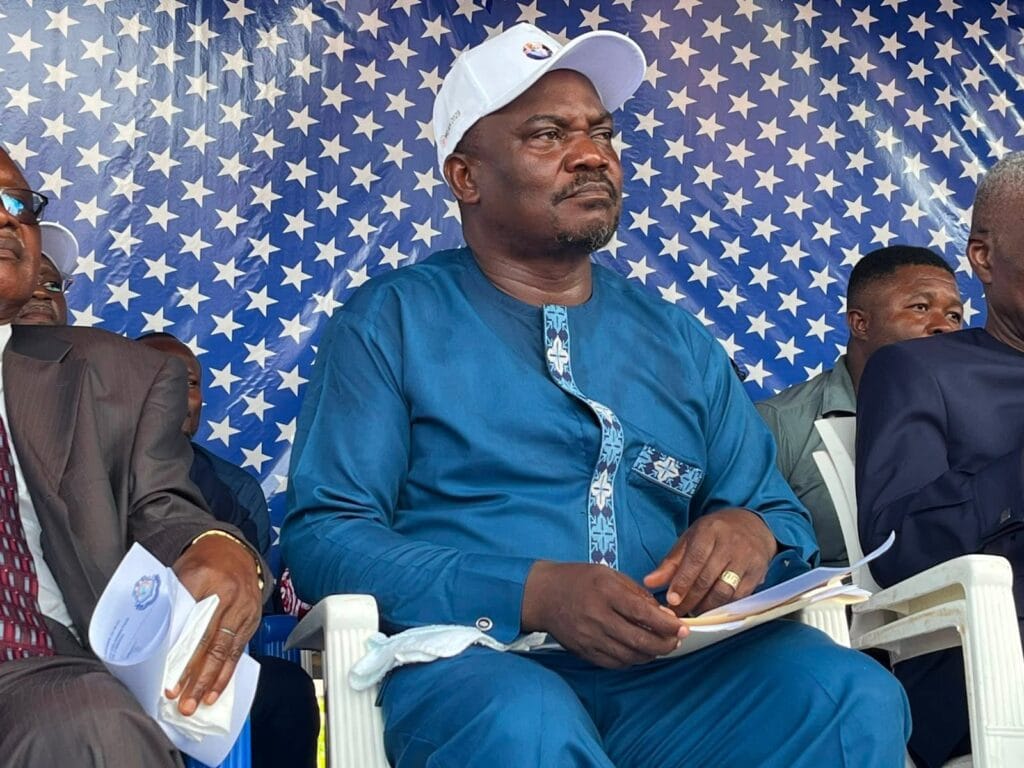
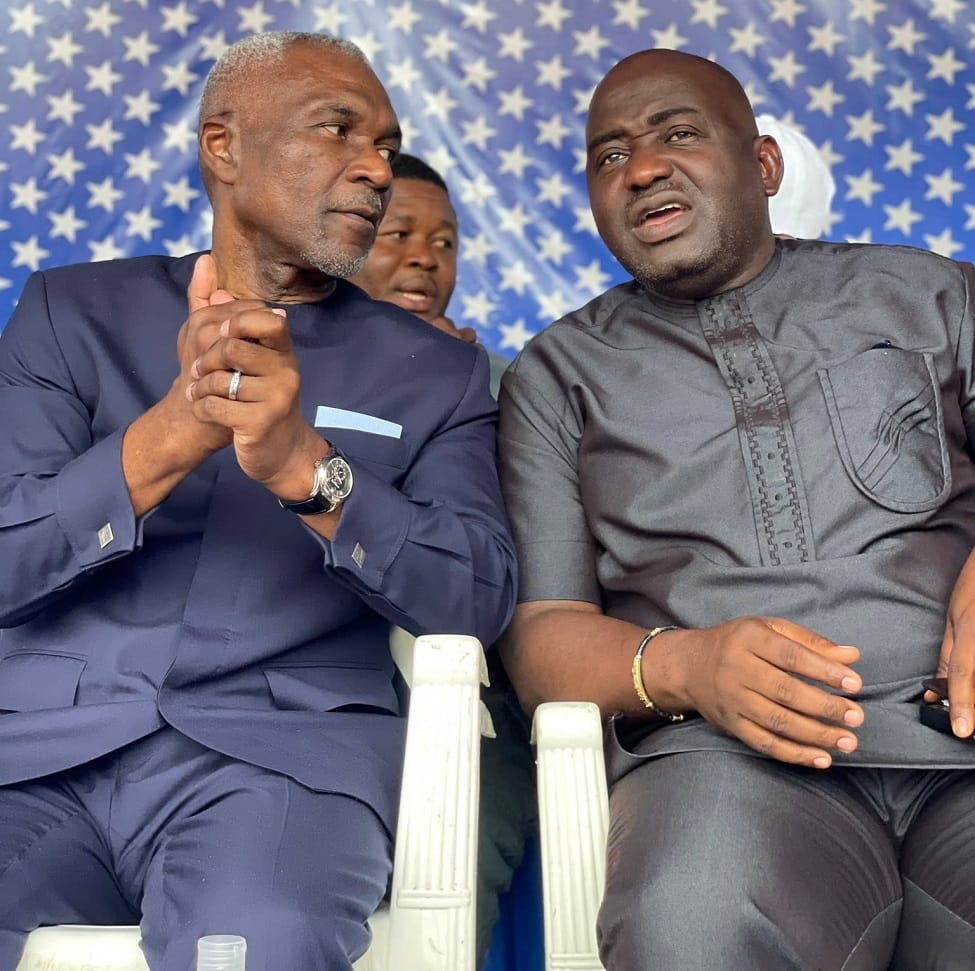
Among those in attendance were Alternative National Congress (ANC) Political Leader Alexander B. Cummings, Citizens Movement for Change (CMC) Political Leader Musa Hassan Bility, Movement for Progressive Change (MPC) Political Leader Simeon Freeman, All Liberian Party (ALP) Political Leader Benoni Urey, Movement for Economic Empowerment (MOVEE) Political Leader Dee-Maxwell Saah Kemayah, former Associate Justice Kabineh Ja’neh, former Finance Minister Amara Konneh, Senator Thomas Yaya Nimely, and several other prominent political figures. Former Vice President Jewel Howard-Taylor, Standard Bearer of the National Patriotic Party (NPP), also issued a statement endorsing the occasion.
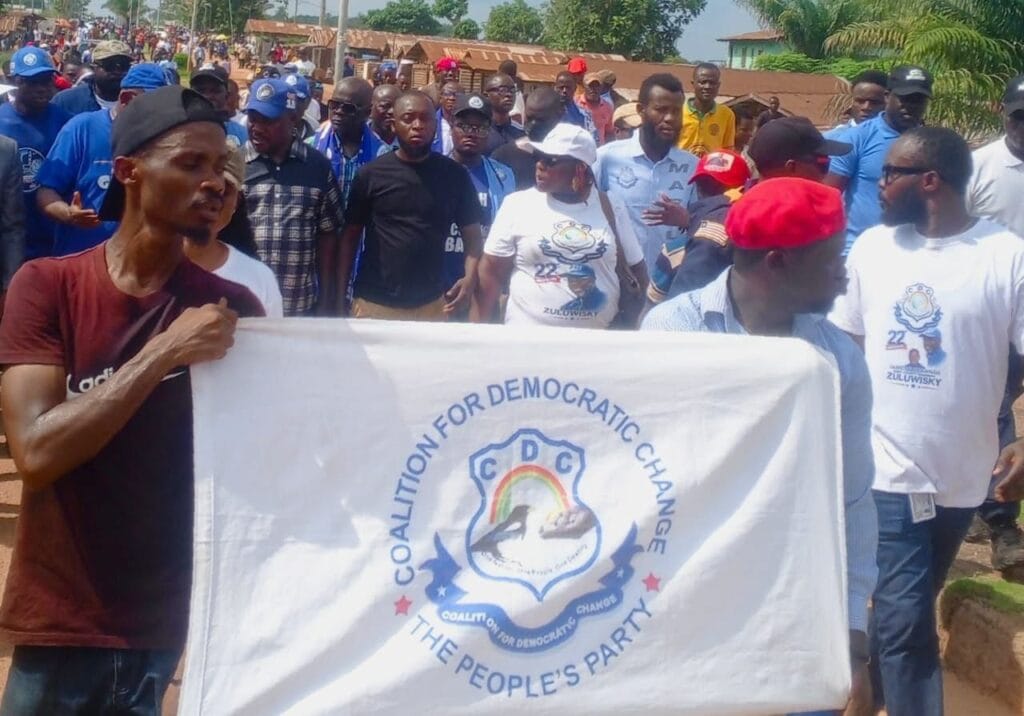
Their presence underscored growing calls for greater opposition collaboration as political parties begin positioning themselves for Liberia’s next presidential election.
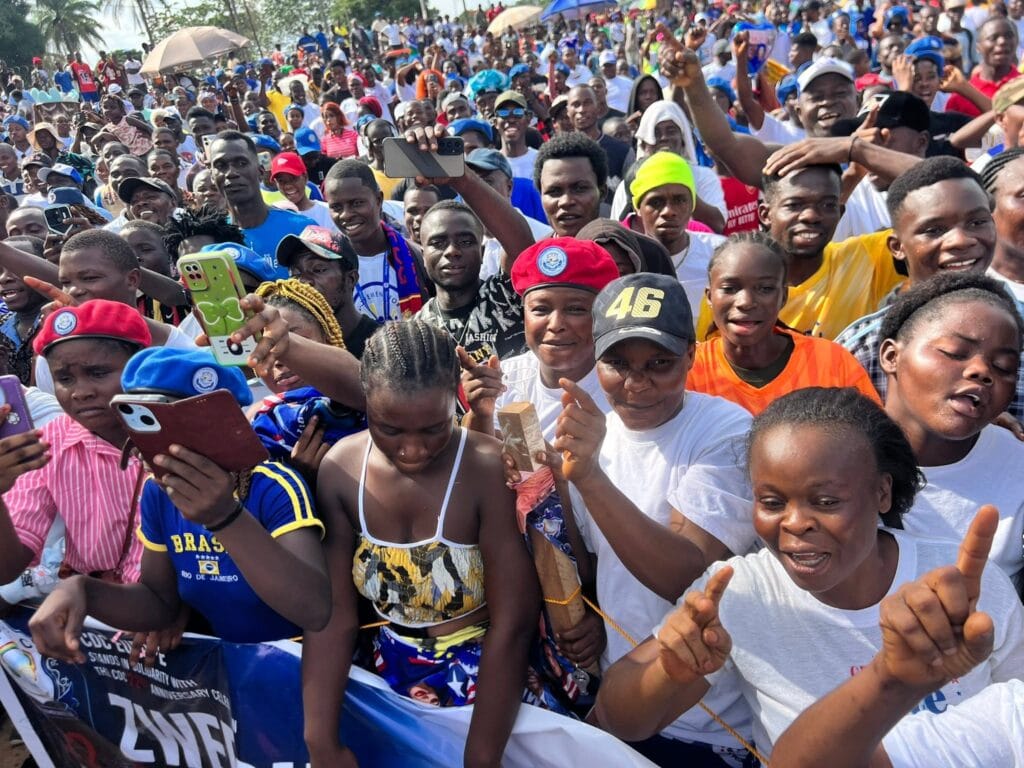
The Liberian President, who is in the US watching the World Cup, addressed the gathering via video link. He told hundreds of cheering supporters that the CDC remained united, energized and determined to return to power.
“The CDC is alive. The CDC is united. The CDC is organized. The CDC is energized. And the CDC is coming back to power,” Weah declared to loud applause.
Then came what many observers viewed as the defining political message of the day.
“The road to 2029 begins today.”
Opposition Unity Takes Center Stage
Although the event celebrated the founding of the CDC, much of the day’s significance lay in the visible show of unity among opposition leaders.
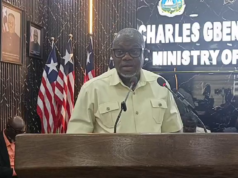
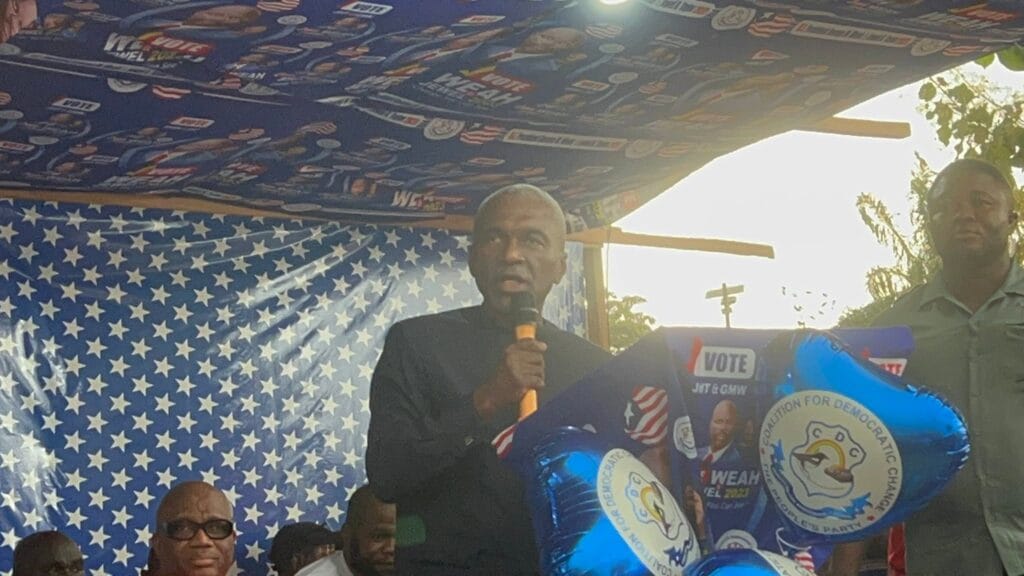
Delivering the keynote address, ANC Political Leader Alexander Cummings praised the CDC’s historical role in broadening political participation in Liberia while calling on opposition parties to move beyond individual ambitions and work collectively to rescue the country.
“The kind of change we seek is bigger than any one person,” Cummings declared.
He stressed that the strength of Liberia’s opposition would depend not on personalities but on unity.
“If I have to be the driver or the car boy to get us to our destination of a better Liberia, I will,” he said, drawing loud applause from the gathering.
The remark was widely interpreted as one of the clearest public indications yet that Cummings is willing to place broader opposition cooperation above personal political ambition if it improves the chances of defeating the ruling Unity Party in 2029.
Weah Defends CDC Legacy
Reflecting on the party’s 22-year journey, Weah described the CDC as a movement born not among political elites but within Liberia’s poorest communities.
He recalled that the party emerged from the aspirations of market women, students, motorcyclists, farmers, workers and young people who believed political leadership should be earned rather than inherited.
“The CDC was never just a political party,” he said. “It was—and remains—a revolution of hope.” Weah argued that his own rise from the Clara Town community to the Presidency demonstrated what the movement represented. “When I walked into the Executive Mansion, millions of Liberians walked through that door with me,” he said.
Founded in 2004 following Liberia’s civil conflict, the CDC rapidly grew into one of the country’s most formidable political movements. After several unsuccessful presidential bids, Weah led the party to victory in the historic 2017 elections before completing his six-year constitutional term. Although defeated by President Boakai in the closely contested 2023 runoff election, the CDC remains Liberia’s largest opposition party and continues to command a substantial grassroots following across the country.
Sharp Criticism of the Boakai Administration
Both Weah and Cummings devoted significant portions of their speeches to criticizing the Unity Party-led government.
Weah accused the administration of abandoning campaign promises, presiding over worsening economic hardship, weakening democratic institutions and failing to protect civil liberties.
He further alleged that political opponents were being persecuted, free speech undermined and security forces increasingly used against peaceful citizens.
The former President also criticized the government’s handling of the ongoing border dispute in Lofa County and alleged that Liberia’s international reputation had suffered amid the ongoing US$19 million cocaine trafficking investigation, which has dominated national headlines in recent weeks.
Cummings echoed many of those concerns.
He accused successive governments of failing to address poverty, inequality and weak public institutions while arguing that the current administration had continued rather than reversed many longstanding governance challenges.
He cited alleged political interference in public institutions, selective anti-corruption efforts, growing drug trafficking concerns, and what he described as increasing disregard for judicial independence.
Call for Accountability
One of Cummings’ strongest appeals centered on accountability.
He called for an independent investigation into the reported US$19 million cocaine seizure at Roberts International Airport and urged civil society, religious leaders and Liberia’s international partners to ensure that all those responsible are brought to justice regardless of status.
“The proliferation of drugs is no joke,” he warned.
He also called for an independent investigation into recent tensions surrounding the Liberia-Guinea border in Foya, emphasizing that accountability must remain central to democratic governance.
Zwedru’s Political Symbolism
The decision to host the anniversary in Zwedru carried significant political symbolism.
Grand Gedeh County has long occupied a special place in Liberia’s political history as the home county of former President Samuel Kanyon Doe and a traditional political stronghold for the National Patriotic Party, one of the CDC’s closest allies during the Coalition for Democratic Change government.
By choosing Zwedru for its anniversary celebration—and attracting leaders from across Liberia’s opposition spectrum—the CDC appeared intent on projecting both political resilience and expanding opposition cooperation ahead of the 2029 electoral cycle.
Preparing for the Next Contest
While Saturday’s event celebrated the CDC’s past achievements, nearly every major speech focused on the future.
Both Weah and Cummings urged opposition parties to close ranks, strengthen democratic institutions, and offer Liberians what they described as a credible alternative to the current government.
For Weah, the anniversary represented the opening chapter of another political campaign.
For Cummings, it was a reminder that no single party or politician could transform Liberia alone.
Together, their speeches suggested that Liberia’s opposition is beginning to shift from post-election reflection toward coordinated political mobilization.
Whether that unity can be sustained over the next three years may well become one of the defining questions of Liberia’s 2029 presidential race.
For breaking news, in-depth analysis, and exclusive reports from Liberia and around the world, follow The Liberian Post on Facebook (https://web.facebook.com/profile.php?id=61576017166570) and X, formerly Twitter (https://x.com/LiberianPost).