–Law Reform Commission Boss Says Landmark Legislation Will Boost Investment, Expand Trade, Create Jobs, and Modernize Governance of Liberia’s Railway Sector
MONROVIA – The Chairman and Chief Executive Officer of the Law Reform Commission (LRC), Cllr. Bornor M. Varmah, has described the proposed Liberia National Railways Authority (LNRA) Act of 2026 as a transformative piece of legislation that will reposition Liberia’s railway network from concession-specific infrastructure into a strategic national asset capable of driving economic growth, attracting investment and strengthening regional trade.
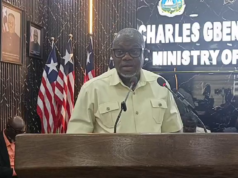
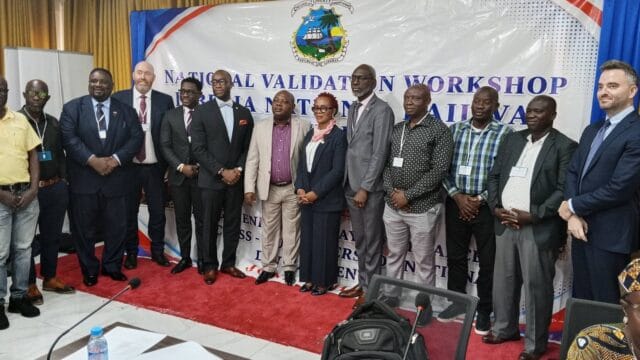
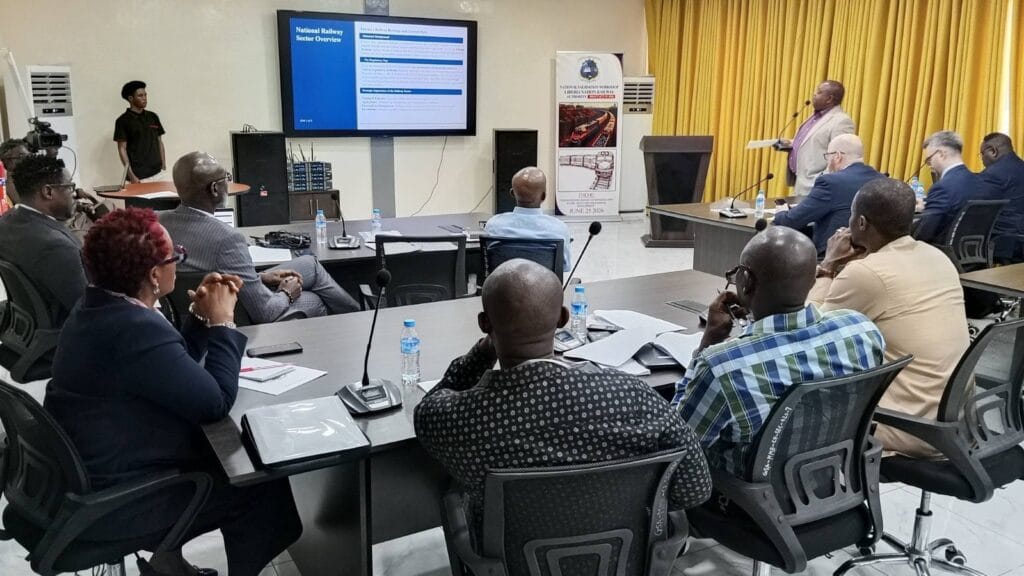
Speaking Thursday during a National Validation Workshop on the draft legislation held at the Ministry of Mines and Energy in Monrovia, Cllr. Varmah said the proposed law would establish a modern legal and regulatory framework that promotes transparency, competitive access, infrastructure expansion and long-term national development planning.
“The proposed legislation represents a fundamental paradigm shift in the governance of Liberia’s railway sector,” Varmah declared.
“Under this new framework, Liberia can move toward a system that promotes greater transparency, competitive access, regulatory certainty, infrastructure expansion and national development planning. This shift has the potential to unlock significant economic opportunities for our country.”
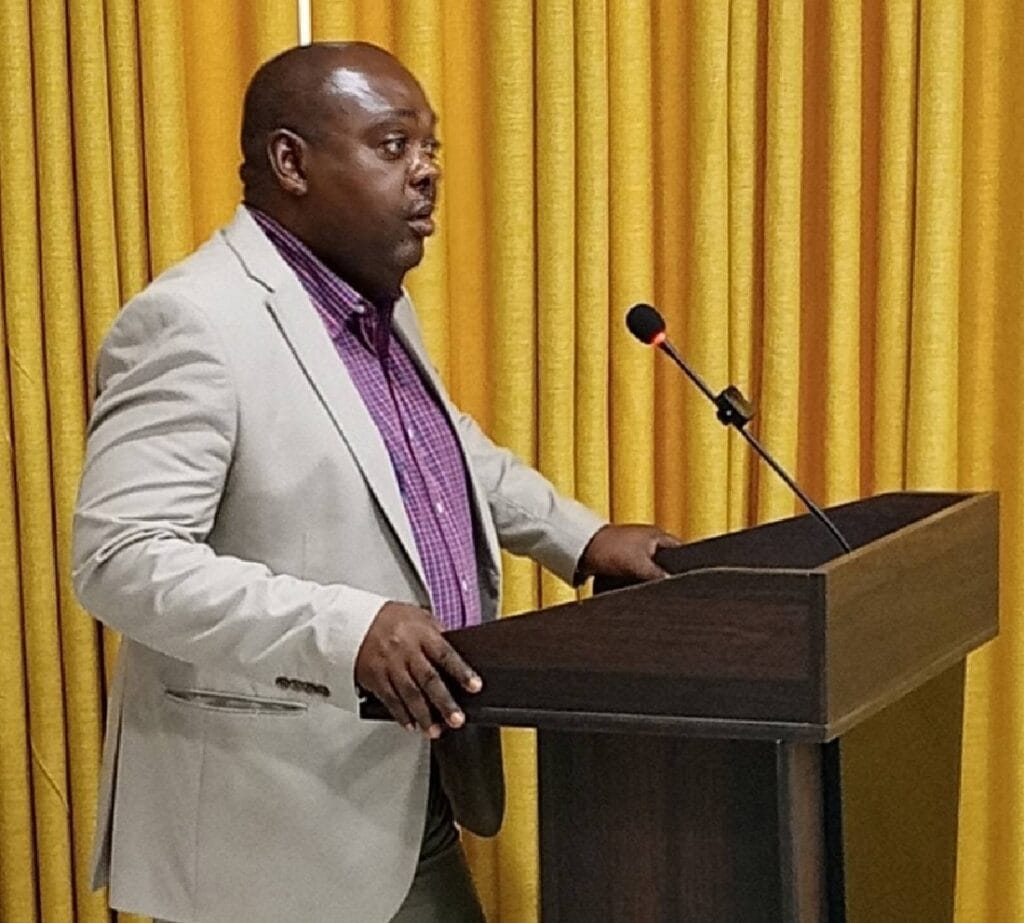
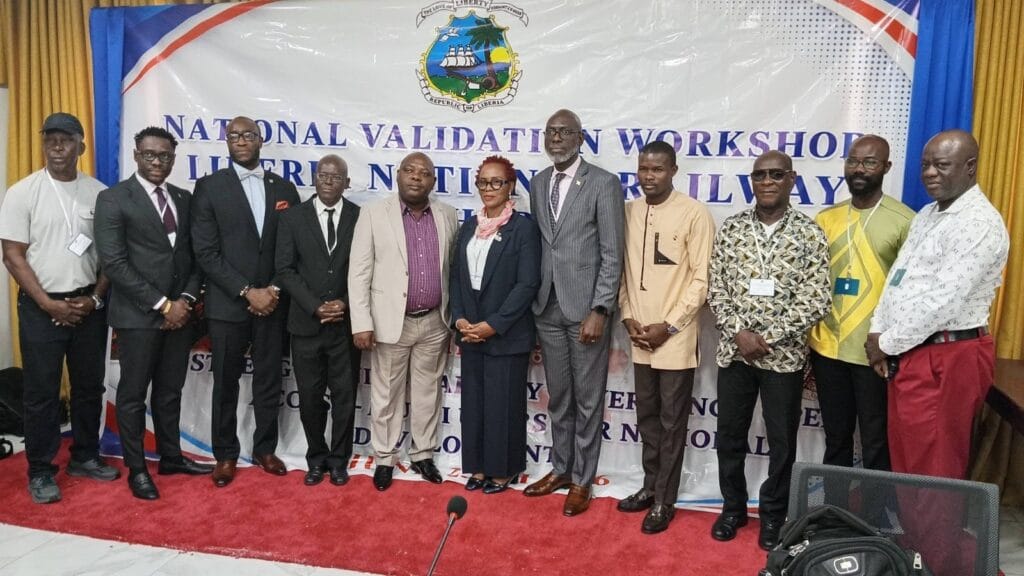
The one-day validation workshop brought together representatives of the Law Reform Commission, Ministry of Justice, Liberia National Railways Authority Liaison Office, Governance Commission, Ministry of Transport, National Investment Commission, Ministry of Finance and Development Planning, Environmental Protection Agency, Ministry of Mines and Energy, railway and mining experts, development partners and other key stakeholders to review the draft legislation before it is submitted for further consideration.
Five Major Economic Benefits
Outlining the expected impact of the proposed legislation, Cllr. Varmah identified five major economic dividends Liberia stands to gain once the Act is enacted.
First, he said the legislation would strengthen investor confidence by creating a predictable legal and regulatory environment for railway operations and infrastructure development.
Second, it would improve transportation efficiency, reduce logistical bottlenecks and support increased mining production and exports.
Third, the new legal framework would facilitate agricultural commercialization by enabling farmers and agribusinesses to transport produce more efficiently from production areas to domestic and international markets.
Fourth, he said, improved rail connectivity would stimulate industrial development by lowering transportation costs and linking resource-rich regions with key economic corridors.
Finally, the proposed Railway Authority would generate employment opportunities through railway construction, maintenance, operations and related value chains.
“Most importantly,” Varmah noted, “an effective railway system can strengthen regional integration, facilitate trade and position Liberia as a competitive destination for investment in West Africa.”
Moving Beyond Concession Railways
The LRC Chairman observed that Liberia’s railway infrastructure has historically been developed primarily to serve individual mining concessions, limiting broader national access and reducing opportunities for diversified economic development.
He argued that the proposed Liberia National Railways Authority Act seeks to change that model by creating an independent institution responsible for regulating and overseeing railway infrastructure in the national interest.
According to him, the legislation represents a significant milestone in Liberia’s ongoing efforts to strengthen its legal, regulatory and institutional framework for sustainable economic development.
“If enacted,” he said, “the proposed Act will reposition railways as strategic national assets serving multiple users and multiple sectors of the Liberian economy.”
Building on President Boakai’s Executive Orders
Varmah also praised President Joseph Nyuma Boakai for demonstrating what he described as a clear vision for transforming Liberia’s transportation and infrastructure sectors.
He noted that the President’s Executive Orders establishing and operationalizing the Liberia National Railways Authority provided an important interim framework while signaling the government’s commitment to modernizing railway governance.
“The Executive Orders recognized rail infrastructure as a critical driver of national development,” he explained.
“They underscored the urgency of establishing an independent regulatory and oversight institution capable of ensuring fairness, safety, efficiency, transparency and accountability in the management of Liberia’s railway assets.”
However, he emphasized that executive orders alone cannot provide the long-term legal certainty required for sustainable railway governance.
“Executive Orders are, by nature, temporary measures,” Varmah said.
“The long-term sustainability, legitimacy and effectiveness of the Authority require a comprehensive legislative foundation enacted by the National Legislature. This Draft Act seeks to provide that permanent legal framework.”
Stakeholder Input Critical
Varmah stressed that broad stakeholder participation is essential to producing legislation that reflects both international best practices and Liberia’s unique development priorities.
He encouraged participants to provide technical expertise, constructive criticism and practical recommendations throughout the validation process.
“As stakeholders representing different sectors and interests, your contributions will help strengthen the legal framework and ensure that the proposed Authority is equipped to fulfill its mandate effectively and responsibly,” he said.
He reaffirmed the Law Reform Commission’s commitment to a transparent, inclusive and participatory law reform process.
“We believe laws are most effective when they emerge from broad consultation and reflect the collective wisdom of the people they are intended to serve.”
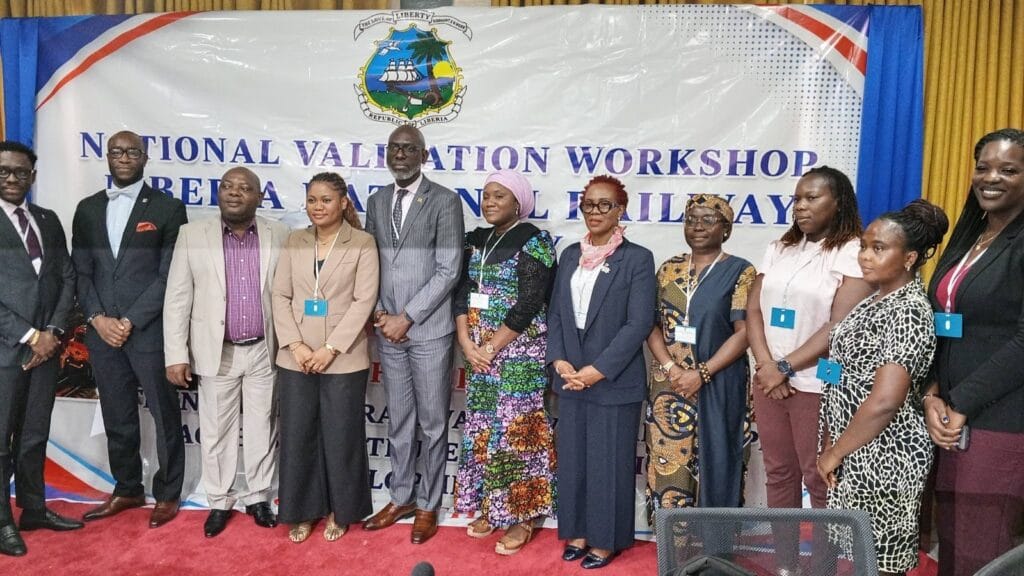
Calling for frank discussions and thoughtful engagement, Varmah urged stakeholders to work together to develop legislation that protects the public interest while promoting sustainable national development.
“Today,” he said, “we are not merely reviewing another piece of legislation. We are helping to shape a transformative legal instrument that will influence Liberia’s economic future for generations to come.”
Support for the Reform Process
Also speaking at the workshop, Liberia National Railways Authority Liaison Officer Ignatius Saymel Neepaye commended the Law Reform Commission, government institutions, development partners and technical experts for their collaboration in advancing the establishment of the Liberia National Railways Authority.
He expressed confidence that the proposed legislation would provide the institutional foundation necessary to modernize Liberia’s railway sector and maximize its contribution to national economic development.
If enacted by the National Legislature, the Liberia National Railways Authority Act of 2026 is expected to establish the country’s first comprehensive legal framework governing railway regulation, infrastructure management and multi-user access, laying the foundation for a more integrated, efficient and competitive rail transport system capable of supporting Liberia’s long-term economic transformation.
For breaking news, in-depth analysis, and exclusive reports from Liberia and around the world, follow The Liberian Post on Facebook (https://web.facebook.com/profile.php?id=61576017166570) and X, formerly Twitter (https://x.com/LiberianPost).