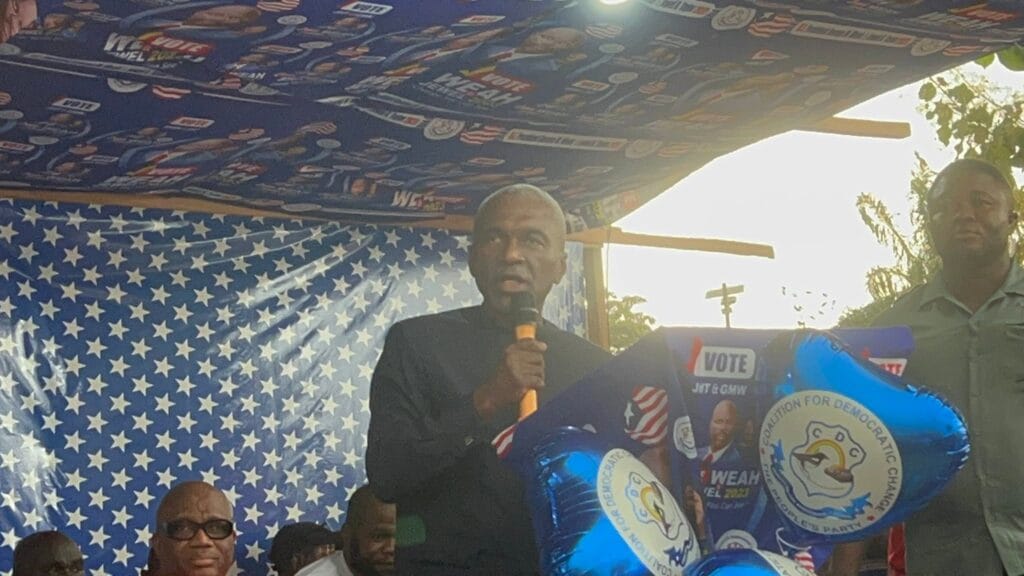
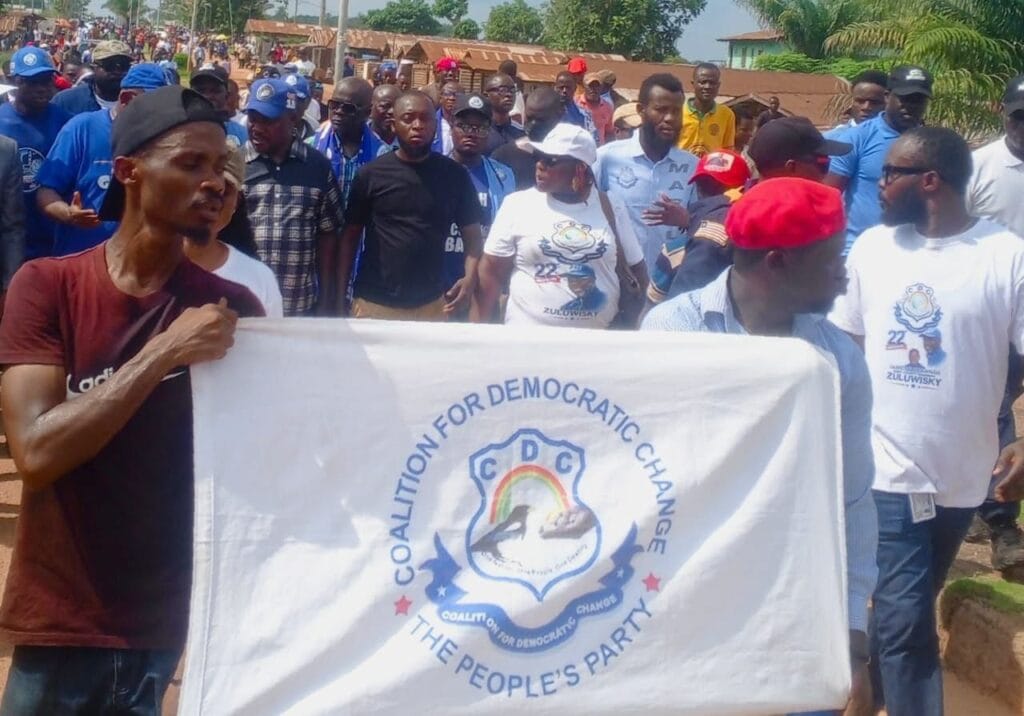
The Congress for Democratic Change’s (CDC) 22nd anniversary celebration in Zwedru, Grand Gedeh County, will almost certainly be remembered for more than speeches, party colors and anniversary festivities.
History may ultimately record June 2026 as one of the earliest public signals that Liberia’s opposition has begun repositioning itself for the political battle that lies ahead in 2029.
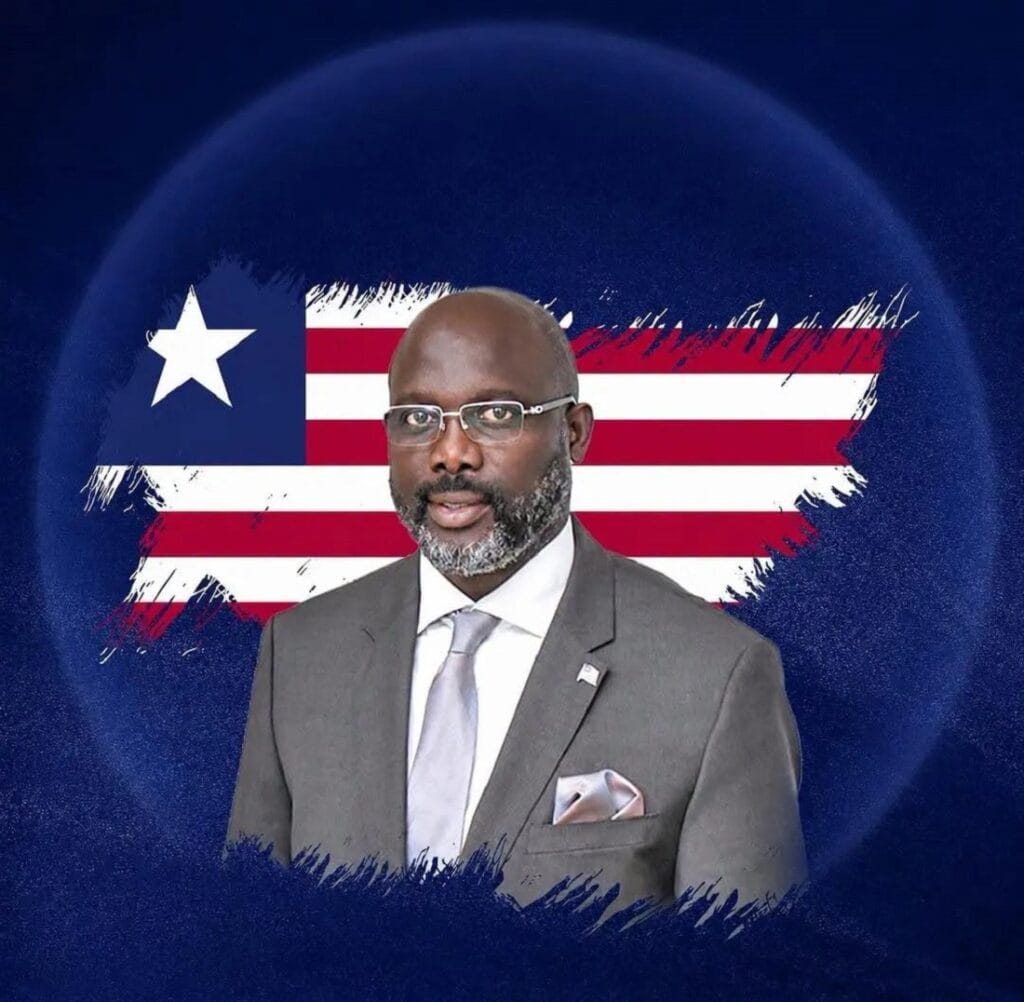
Former President George Manneh Weah’s declaration that “the road to 2029 begins today” was not merely a campaign slogan. It was a political announcement.
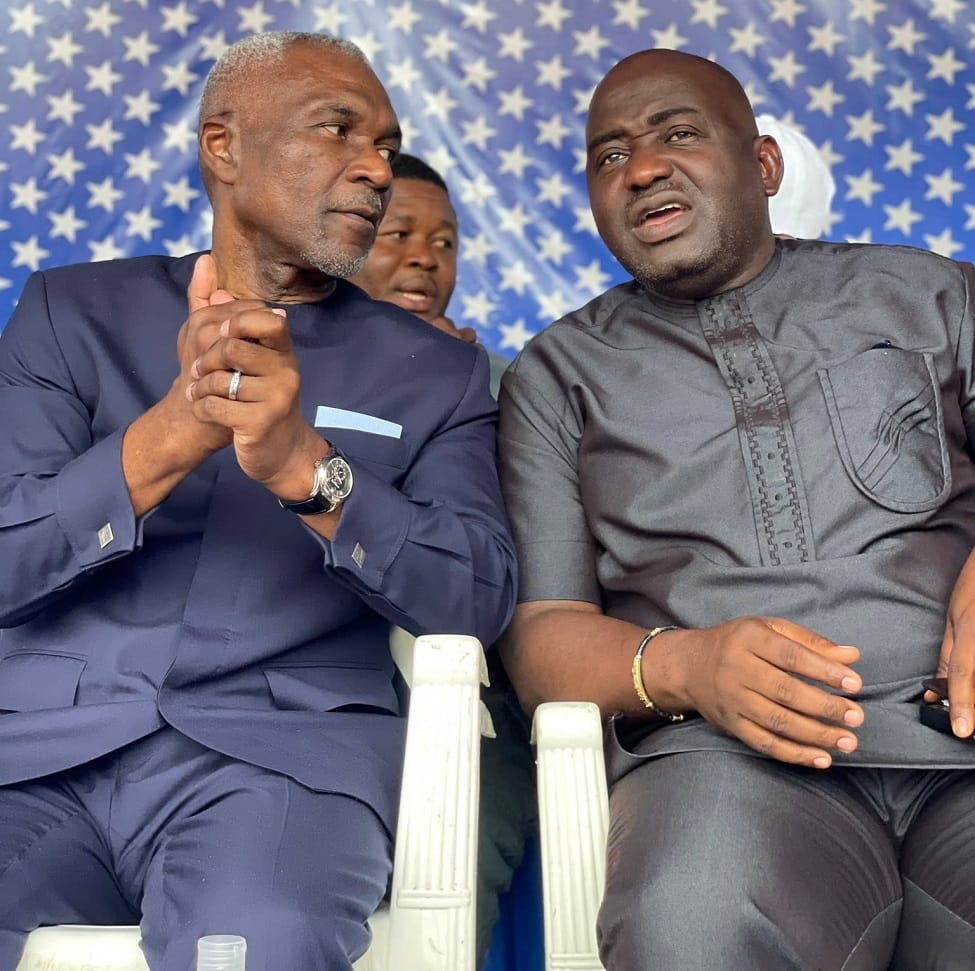
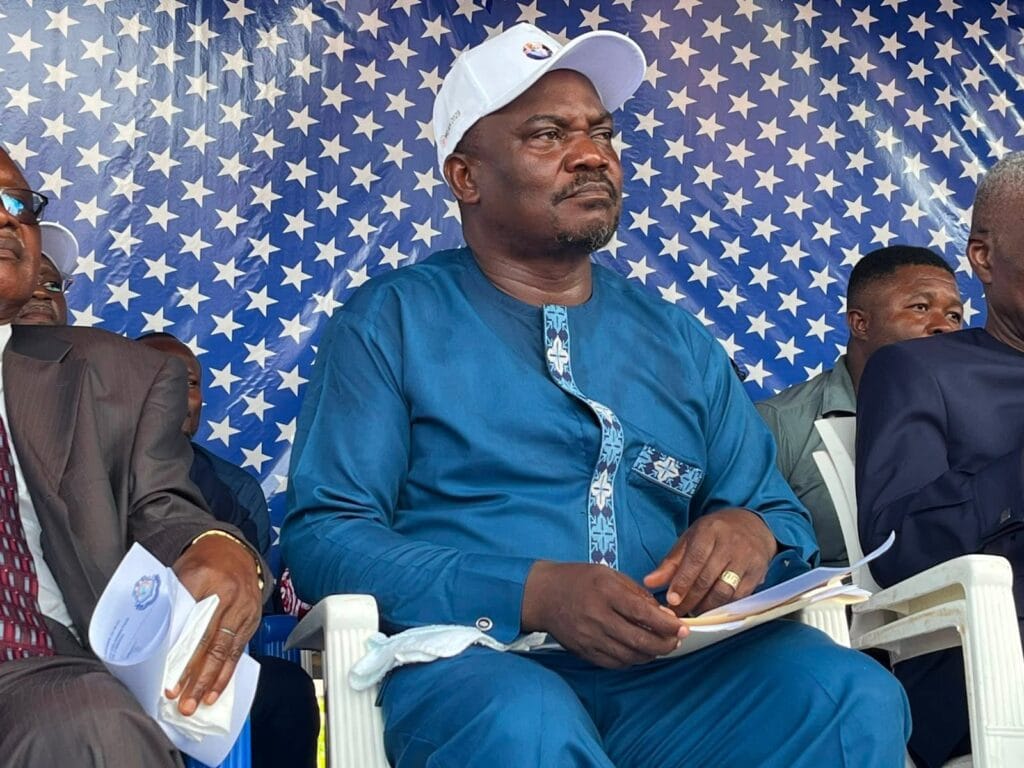
Equally significant was the presence of an unusually broad coalition of opposition figures—Alexander B. Cummings, Musa Hassan Bility, Benoni Urey, Simeon Freeman, Dee-Maxwell Saah Kemayah and others—who chose to stand on the same platform despite years of political rivalry.
In Liberian politics, symbolism often speaks louder than formal declarations.
No coalition agreement was signed. No presidential ticket was announced. No common manifesto was unveiled.
Yet the images from Zwedru told a story that every political observer understood: conversations about opposition cooperation are no longer theoretical. They have entered the public arena.
Perhaps the most revealing moment came not from George Weah, but from Alexander Cummings.
When he declared that he was willing to be “the driver or the car boy” if that was what it would take to move Liberia forward, he challenged one of the greatest weaknesses that has repeatedly undermined opposition politics in Liberia—personal ambition.
For years, opposition parties have excelled at criticizing governments while struggling to cooperate with one another.
Each election cycle has produced multiple presidential hopefuls, competing strategies and fractured alliances, often benefiting the incumbent.
Whether Cummings’ remarks represent a genuine shift in political thinking remains to be seen.
Words are important in politics.
But history judges politicians more by what they do than by what they say.
The ruling Unity Party would also be making a mistake if it dismisses the events in Zwedru as nothing more than partisan celebration.
Governments often become vulnerable when they underestimate the political significance of their opponents.
President Joseph Nyuma Boakai’s administration still has more than three years before Liberians return to the polls.
That is both a long time and a remarkably short one.
If the Government delivers on its promises—improving roads, expanding electricity, strengthening healthcare, tackling corruption, creating jobs and managing the economy effectively—the opposition will face a far more difficult campaign.
If, however, public frustration continues to grow over the rising cost of living, unemployment, drug trafficking, governance concerns and public confidence in state institutions, the political calculations may change rapidly.
Ultimately, elections are seldom won by opposition speeches alone.
They are often decided by the performance of those already in office.
The opposition, meanwhile, faces its own difficult questions.
Can parties with different ideologies, histories and ambitions sustain the spirit displayed in Zwedru?
Can leaders who have previously competed against one another genuinely agree on a common agenda?
Can personalities give way to principles? Can unity survive the inevitable debate over who should lead a future coalition?
Liberian politics offers reasons for both optimism and caution.
The country’s democratic journey has repeatedly shown that alliances are easier to announce than to maintain.
Political friendships formed in one election cycle have often dissolved before the next.
Trust remains one of the scarcest commodities in Liberian politics.
There is another lesson that should not be overlooked.
Healthy democracies require strong governments. But they also require strong, responsible and credible oppositions. An opposition’s duty is not merely to oppose.
It is to provide constructive alternatives, hold governments accountable, strengthen democratic debate and reassure citizens that democratic change remains possible through the ballot box rather than instability.
Likewise, governments should resist the temptation to view every criticism as hostility.
Democracy is healthiest when governments govern confidently, oppositions scrutinize responsibly and institutions remain independent.
The greatest beneficiaries of that balance are not politicians. They are citizens. As Liberia moves steadily toward another electoral cycle, the country deserves politics that rises above insults, intimidation and personality conflicts.
Liberians deserve serious debates about education, healthcare, agriculture, youth employment, infrastructure, national security, climate resilience and economic transformation.
They deserve competing visions—not competing insults. The gathering in Zwedru may or may not become the foundation of a united opposition. Only time will answer that question. But one fact is already beyond dispute.
Liberia’s political conversation has entered a new phase. The campaign for 2029 has quietly begun.
Whether that campaign ultimately strengthens Liberia’s democracy will depend not simply on who wins, but on how responsibly both government and opposition conduct themselves in the years ahead.
That, more than any anniversary celebration or political slogan, is the real challenge before the nation.
For breaking news, in-depth analysis, and exclusive reports from Liberia and around the world, follow The Liberian Post on Facebook (https://web.facebook.com/profile.php?id=61576017166570) and X, formerly Twitter (https://x.com/LiberianPost).