–RPAL Says Long-Awaited Policy Will End Exploitation of Farmers, Boost Local Processing, Create Jobs and Keep More Wealth Within Liberia
TODEE DISTRICT, Montserrado County – The Rubber Planters Association of Liberia (RPAL) has thrown its full support behind President Joseph Nyuma Boakai’s Executive Order No. 166, describing the Government’s decision to ban the export of unprocessed natural rubber as a historic policy shift that could transform Liberia’s rubber industry, revitalize rural communities, and accelerate industrial development.
The Executive Order, signed by President Boakai on June 26, 2026, takes effect on July 1, 2026, and imposes an indefinite ban on the export of unprocessed natural rubber, requiring that the commodity undergo value addition within Liberia before being exported.
According to the Executive Mansion, the policy forms part of the Boakai Administration’s ARREST Agenda for Inclusive Development (AAID), particularly its emphasis on agriculture, industrialization, job creation, and economic transformation through increased domestic value addition.
The Government said the continued export of raw natural rubber has denied Liberia billions of dollars in potential industrial investment, manufacturing jobs, government revenue, technology transfer, and foreign exchange earnings that could have been generated through local processing.
The Executive Order further noted that previous regulatory measures aimed at controlling the export of raw rubber were repeatedly undermined by widespread abuse, smuggling, and weak enforcement, necessitating stronger executive intervention.
RPAL Welcomes ‘Bold and Courageous Leadership’
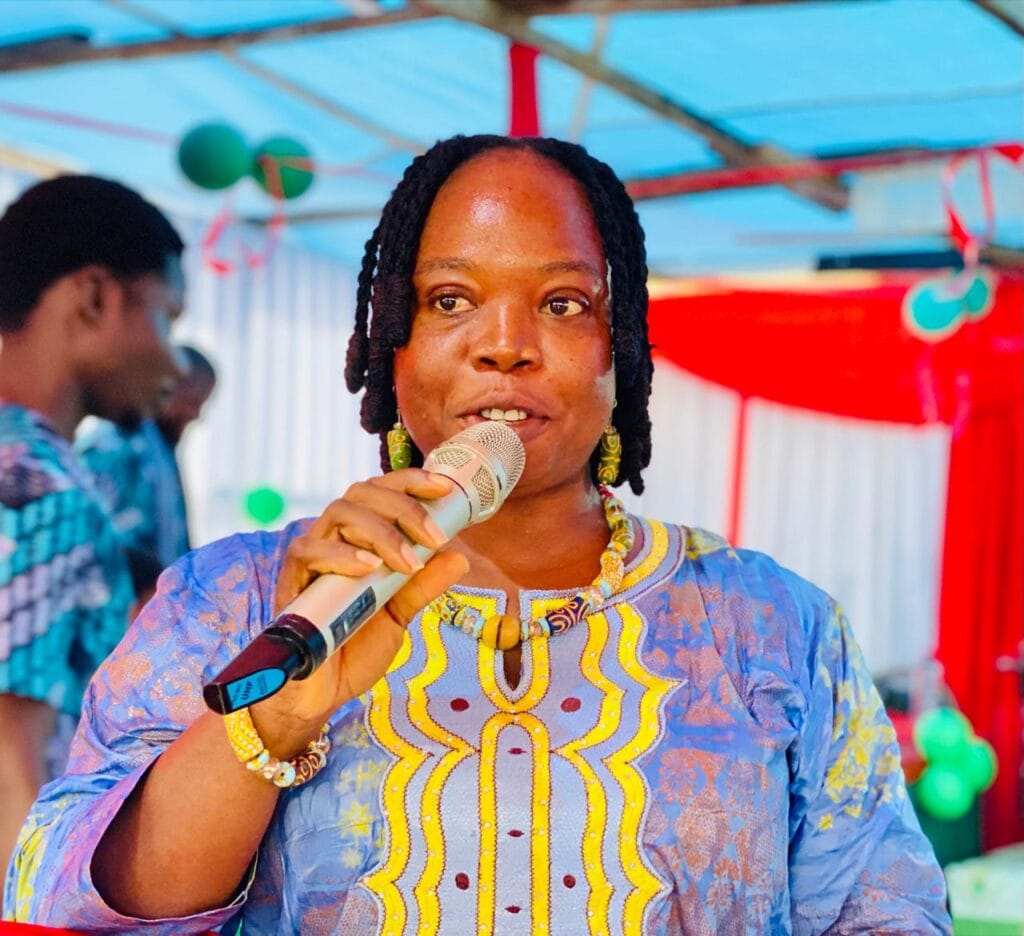
Reacting to the Executive Order on Tuesday, RPAL President Wilhelmina G. Mulbah-Siaway described President Boakai’s action as one of the most significant policy interventions affecting Liberia’s rubber sector in decades.
She said the decision demonstrates the President’s determination to ensure that Liberia’s abundant natural resources generate greater economic benefits for ordinary Liberians rather than continuing to enrich foreign processors.
“Executive Order No. 166 is a landmark policy that reflects President Boakai’s unwavering commitment to protecting the livelihoods of Liberia’s rubber farmers,” Madam Mulbah-Siaway declared.
According to her, the prohibition on exporting raw rubber will encourage industrial expansion while ensuring that more of the value generated from Liberia’s largest agricultural export remains within the country.
Ending Decades of Farmer Exploitation
The RPAL President said Liberia’s rubber farmers have long borne the burden of an export system that primarily benefits foreign industries while leaving local producers trapped in poverty.
“For decades, Liberian rubber farmers have endured unfairly low farm-gate prices, exploitation by illegal middlemen, and the continuous export of raw rubber without any meaningful value addition to the national economy,” she said.
She observed that while overseas manufacturers have transformed Liberian raw rubber into high-value finished and semi-finished products, thousands of Liberian farming families have continued to struggle despite supplying one of the country’s most important export commodities.
According to Mulbah-Siaway, Executive Order No. 166 signals a decisive break from that model.
“This policy sends a clear message that Liberia must begin deriving greater benefits from its own natural resources,” she said.
Economic Benefits Expected
The Rubber Planters Association believes the Executive Order will generate significant economic gains for both farmers and the national economy.
Among the anticipated benefits, Mulbah-Siaway said the policy is expected to stabilize farm-gate prices by reducing the influence of illegal middlemen and promoting fairer competition among licensed buyers.
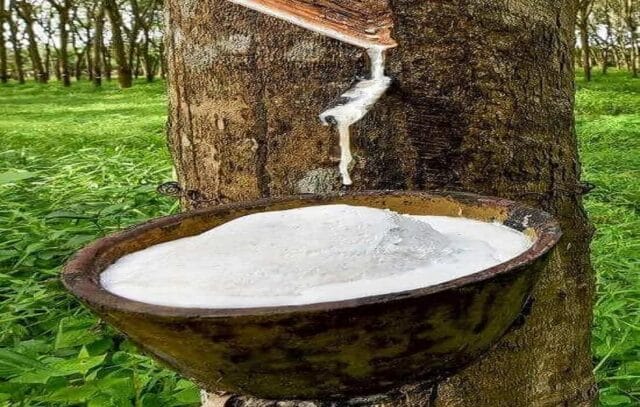
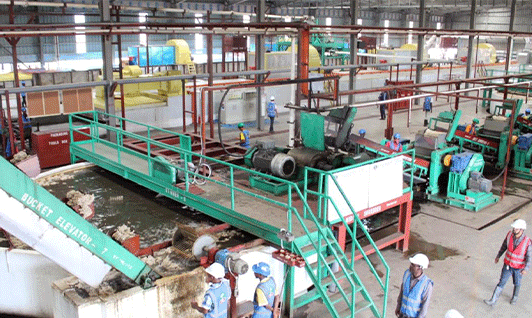
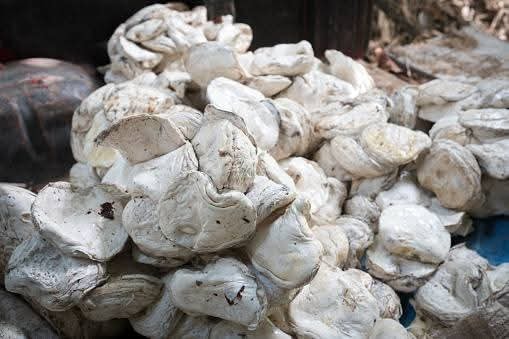
She also believes the measure will significantly expand local value addition by encouraging processors to convert raw latex into Ribbed Smoked Sheets (RSS) and other processed rubber products before export.
Such processing, she noted, increases export value while creating new economic opportunities throughout the rubber value chain.
The RPAL President further predicted that expanding domestic processing capacity would stimulate job creation for Liberian youth, university graduates, technicians, and skilled workers as factories increase production.
“This policy will increase the supply of raw materials to domestic processing factories, enabling these companies to expand production, employ more Liberians, and retain a larger share of the rubber value chain within the national economy,” she said.
Revenue, Industrial Growth and Rural Development
Beyond employment, Mulbah-Siaway argued that the Executive Order will strengthen government revenue by requiring companies purchasing rubber from farmers to operate through properly licensed channels and comply with withholding tax obligations and other statutory requirements.
She also expressed optimism that the policy would significantly reduce the illegal smuggling of raw rubber across Liberia’s borders, a practice that has deprived the Government of tax revenues while undermining legitimate businesses.
“As the recognized voice of Liberia’s rubber planters, RPAL considers this policy a direct investment in rural development, agricultural transformation, and national economic growth,” she stated.
According to her, encouraging local processing instead of exporting raw materials will help Liberia retain more foreign exchange, increase tax revenues, expand manufacturing, and strengthen the country’s industrial base.
Support for Government Implementation
The RPAL President commended the Ministry of Agriculture for moving swiftly to begin implementing the President’s directive and engaging stakeholders to ensure that the Executive Order is properly communicated and enforced.
She pledged the association’s full cooperation with the Government throughout the implementation process.
RPAL, she said, remains committed to working closely with the Ministry of Agriculture, licensed rubber processors, development partners, and other stakeholders to expand processing capacity, improve market opportunities for farmers, and build a more competitive rubber industry.
“We are confident that, with effective implementation and continued stakeholder collaboration, this policy will usher in a new era of prosperity for Liberia’s rubber sector and improve the lives of thousands of farming families whose primary source of income is rubber production,” Mulbah-Siaway said.
She concluded by expressing appreciation, on behalf of rubber farmers across Liberia, to President Boakai for listening to the concerns of rural communities and taking what she described as bold action in the national interest.
According to her, the Executive Order has renewed hope among Liberia’s rubber producers and reinforced confidence that the Government is committed to empowering local farmers while transforming Liberia from an exporter of raw commodities into a producer of higher-value manufactured products.
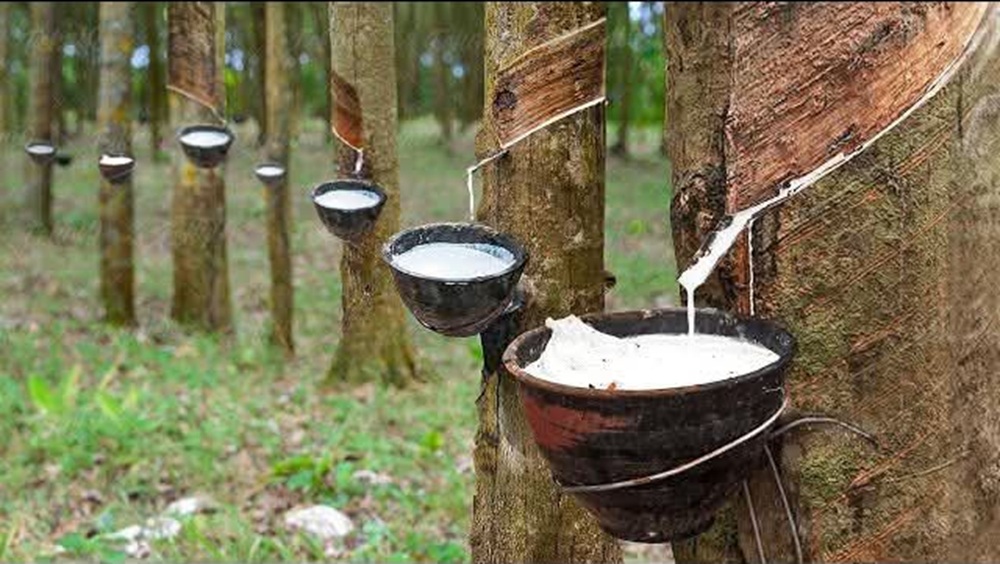
Background: A Longstanding Demand of Rubber Farmers
For years, the Rubber Planters Association of Liberia has advocated stronger government intervention to curb the export of unprocessed rubber, arguing that the practice deprived Liberia of substantial economic opportunities while exposing smallholder farmers to volatile prices and exploitation by unlicensed buyers.
Successive administrations acknowledged the need to promote domestic processing, but enforcement challenges and illegal exports limited the effectiveness of earlier regulatory efforts.
Executive Order No. 166 represents the Boakai administration’s most decisive intervention yet to restructure the sector. By requiring rubber to undergo local processing before export, the Government hopes to stimulate investment in processing facilities, expand manufacturing, create thousands of jobs, and retain a greater share of the value generated by one of Liberia’s most important agricultural commodities.
If effectively implemented, the policy could mark a significant turning point in Liberia’s broader efforts to industrialize its economy, diversify exports, and maximize the developmental benefits of its natural resources under the ARREST Agenda for Inclusive Development.
For breaking news, in-depth analysis, and exclusive reports from Liberia and around the world, follow The Liberian Post on Facebook (https://web.facebook.com/profile.php?id=61576017166570) and X, formerly Twitter (https://x.com/LiberianPost).