–Finance Minister Commits Increased Funding For IFAD, Says Liberia Must Move Beyond Subsistence Farming To Agro-Industrial Growth As Nation Deepens Investment In Rural Transformation
MONROVIA – Finance and Development Planning Minister Augustine Kpehe Ngafuan has declared that Liberia’s economic future will ultimately be determined not by the abundance of its natural resources, but by its ability to transform agriculture into a modern engine of inclusive growth, job creation and national prosperity.
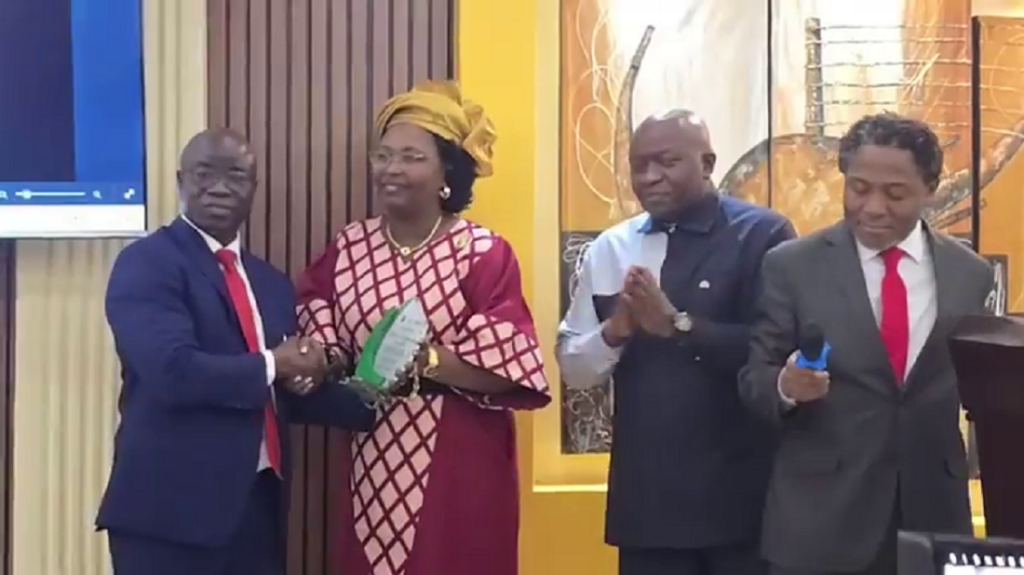
Delivering the keynote address during a farewell reception honoring outgoing International Fund for Agricultural Development (IFAD) Country Manager Madam Pascaline Barankeba, Minister Ngafuan used the occasion to reaffirm the Boakai Administration’s commitment to agricultural transformation, while announcing that Liberia will deepen its partnership with IFAD through increased financial contributions and expanded support for rural development.
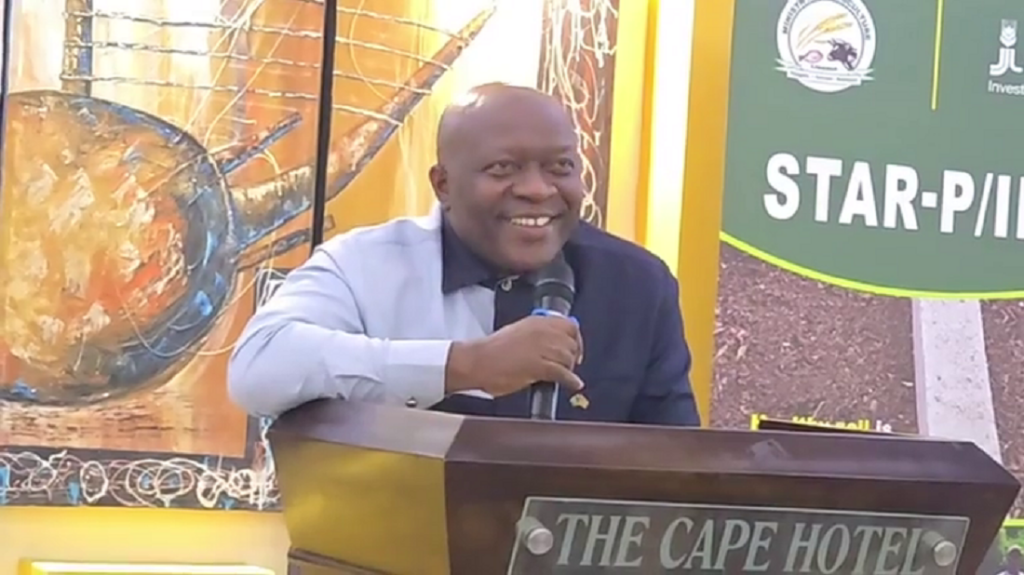
Rather than delivering what many expected to be a ceremonial farewell tribute, the Finance Minister turned the event into a broader reflection on Liberia’s development trajectory, arguing that the country’s greatest opportunity for sustainable economic growth lies in unlocking the enormous potential of its agriculture sector.
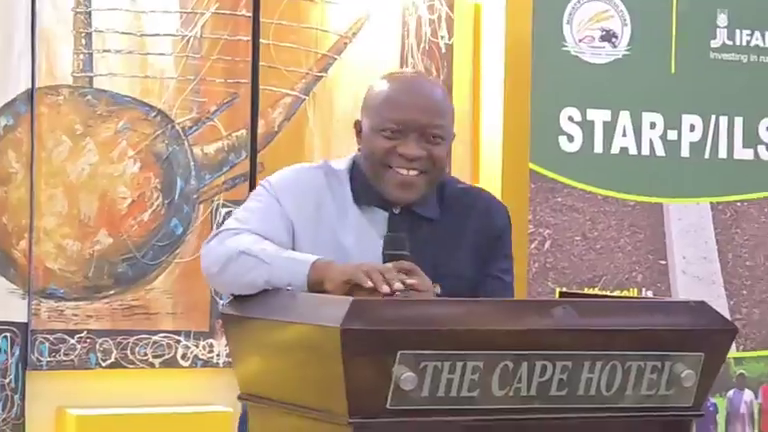
“Agriculture is not merely another sector of our economy,” Ngafuan declared. “It is the foundation upon which we must build Liberia’s economic transformation. If we are serious about creating jobs, reducing poverty, improving food security and strengthening our economy, agriculture must remain at the center of our national development agenda.”
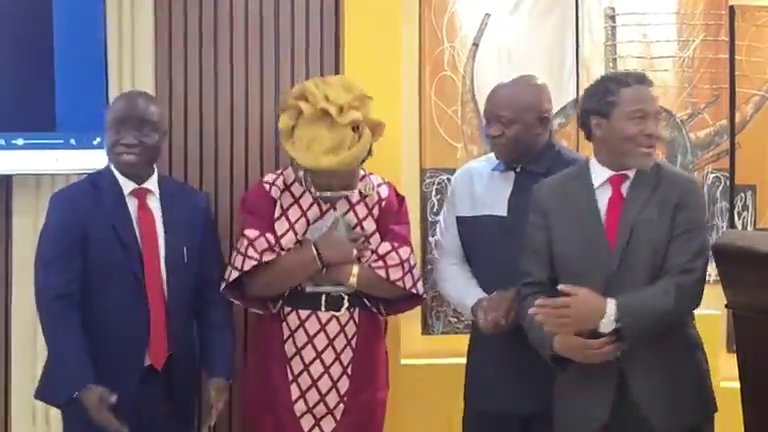
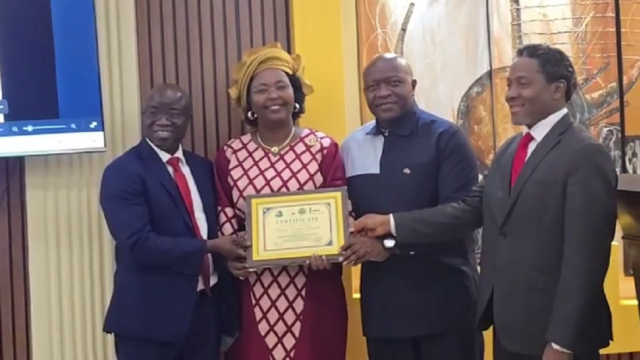
His remarks were greeted with sustained applause from cabinet ministers, diplomats, development partners, project beneficiaries, and representatives of farmers’ organizations gathered to celebrate Barankeba’s four-year tenure in Liberia.
Development Must Be Measured By People’s Lives
Ngafuan cautioned against evaluating development solely through political narratives or isolated infrastructure projects, insisting that the true measure of national progress lies in the lives of ordinary citizens.
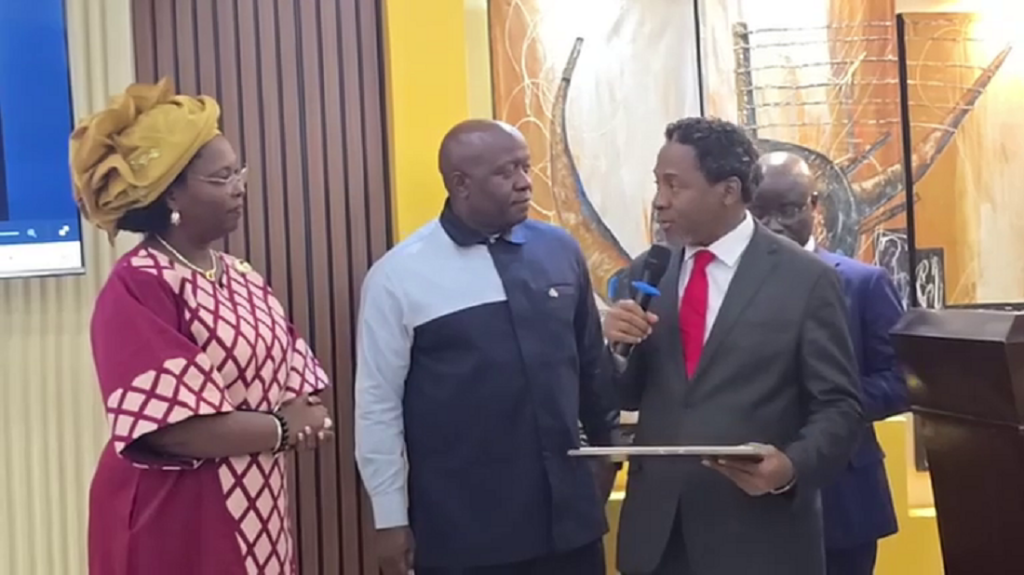
According to him, development should be assessed by whether farming families earn higher incomes, whether young people secure productive employment, whether rural communities gain access to markets, and whether agriculture becomes a profitable enterprise capable of lifting families out of poverty.
“The success of development cannot simply be measured by reports or speeches,” he said. “It must be reflected in the lives of our people.” He noted that Liberia’s partnership with IFAD has demonstrated precisely that principle by producing tangible improvements in rural livelihoods across several counties.
During Madam Barankeba’s tenure, IFAD’s investment portfolio expanded to more than US$200 million, reaching nearly 80,000 rural households, generating over 13,000 jobs, rehabilitating thousands of hectares of cocoa farms, expanding rice and vegetable production, strengthening farmer cooperatives, and improving market access through feeder road construction.
Ngafuan described those achievements as evidence that sustained investment in agriculture produces measurable social and economic returns.
Government Signals Greater Ownership
One of the Finance Minister’s most significant announcements came when he reaffirmed Liberia’s intention to increase its financial commitment to IFAD.

He disclosed that the Government sees its contribution to IFAD not as a symbolic gesture but as a demonstration of national ownership and confidence in agricultural development. “Liberia cannot continue depending entirely on development partners to finance its future,” he said. “We must increasingly invest our own resources in the transformation of our agriculture because the benefits ultimately belong to Liberians.”
His remarks complemented those of Agriculture Minister Dr. J. Alexander Nuetah, who announced during the ceremony that Liberia intends to increase its contribution to IFAD’s Fourteenth Replenishment to US$300,000—three times the amount committed during the previous replenishment cycle.
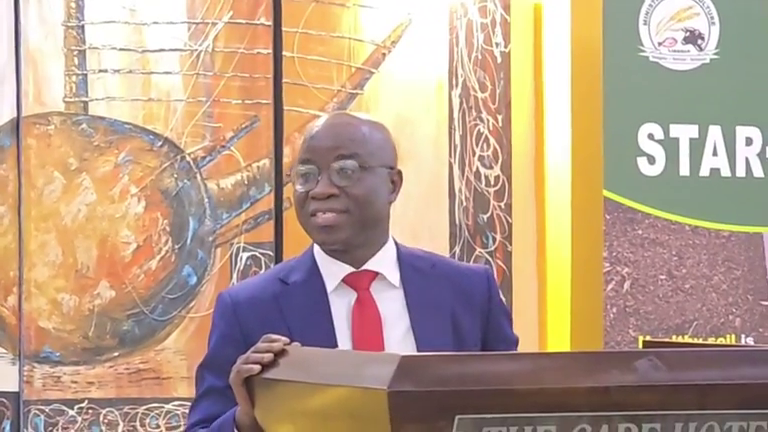
The proposed increase, participants noted, reflects growing government confidence in IFAD’s development model and Liberia’s determination to become a stronger financial partner rather than merely a beneficiary.
Paying Tribute To A Development Partner
While much of his address focused on national policy, Ngafuan also paid glowing tribute to Madam Pascaline Barankeba, describing her as a development professional whose leadership has left an enduring imprint on Liberia’s agricultural sector.

He praised her collaborative leadership style, commitment to rural communities, and ability to build strong partnerships across government, development institutions and farming organizations.
“Madam Pascaline did not simply manage projects,” he said.
“She built relationships. She listened to farmers. She worked alongside our ministries. She understood Liberia’s development aspirations, and she helped translate those aspirations into concrete results.”

According to Ngafuan, her tenure coincided with one of the most productive periods in Liberia’s partnership with IFAD.
He noted that under her leadership, IFAD strengthened institutional capacity, expanded investments in climate-smart agriculture, advanced cocoa rehabilitation, improved rural infrastructure, and laid the groundwork for new investments in livestock and coffee production.

Agriculture At The Heart Of The ARREST Agenda
The Finance Minister said the achievements realized through IFAD align directly with President Joseph Nyuma Boakai’s ARREST Agenda for Inclusive Development, which identifies agriculture as one of the principal drivers of economic recovery and structural transformation.
He argued that Liberia possesses abundant fertile land, favorable climatic conditions and a youthful population capable of transforming the country into one of West Africa’s leading agricultural producers.

What remains essential, he said, is sustained investment in value chains, rural infrastructure, extension services, access to finance, agro-processing and market integration.
“Our challenge is no longer identifying our comparative advantage,” Ngafuan observed. “Our challenge is executing the investments necessary to unlock it.”

He emphasized that agriculture must evolve beyond subsistence production toward commercial farming and agro-industrial development capable of generating exports, increasing government revenue and creating employment opportunities for thousands of young Liberians.
Building On A Strong Foundation
Throughout his remarks, Ngafuan repeatedly stressed that Liberia’s partnership with IFAD is entering a new phase rather than concluding one. He welcomed IFAD’s plans to launch a major livestock development programme, expand the Tree Crops Extension Project (TCEP II), decentralize cocoa seed production, and revive Liberia’s coffee industry.

According to him, those initiatives complement the Government’s broader development agenda and will help position agriculture as one of Liberia’s most competitive economic sectors.
“The work ahead is enormous,” he acknowledged.
“But tonight, as we celebrate Madam Pascaline’s remarkable service, we also celebrate the enduring partnership between Liberia and IFAD—a partnership that will continue producing results for generations to come.”
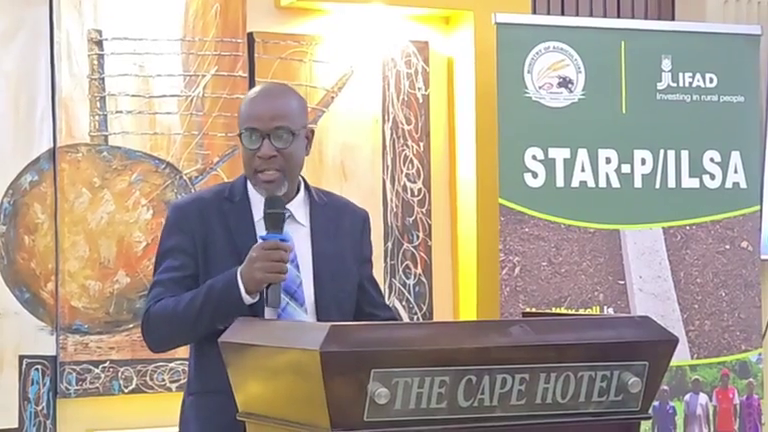
The Minister’s remarks set the tone for an evening that evolved beyond a farewell ceremony into a reaffirmation of Liberia’s determination to place agriculture at the center of its long-term economic transformation, with government, development partners and rural communities united behind a common vision of inclusive growth and shared prosperity.
For breaking news, in-depth analysis, and exclusive reports from Liberia and around the world, follow The Liberian Post on Facebook (https://web.facebook.com/profile.php?id=61576017166570) and X, formerly Twitter (https://x.com/LiberianPost).