–Disaster Agency Activates National Flood Response Plan, Urges Liberians To Leave Waterways, Keep Drainages Clear And Prepare For Weeks Of Intense Rainfall
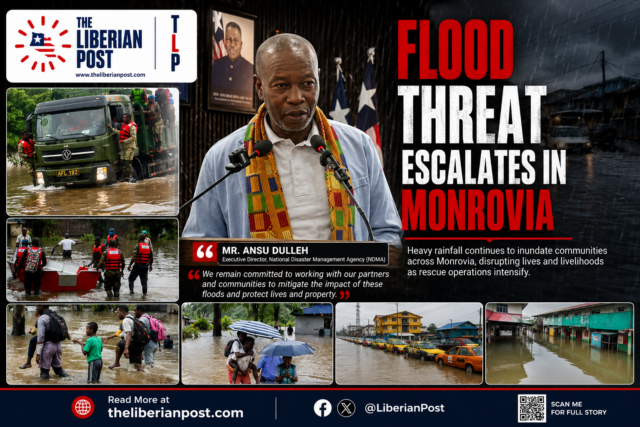
MONROVIA – Liberia’s National Disaster Management Agency (NDMA) has sounded a fresh nationwide alarm over escalating flood risks, warning that thousands of people have already been affected by heavy rains as meteorologists forecast weeks of continued downpours that could trigger more severe flooding across vulnerable communities.
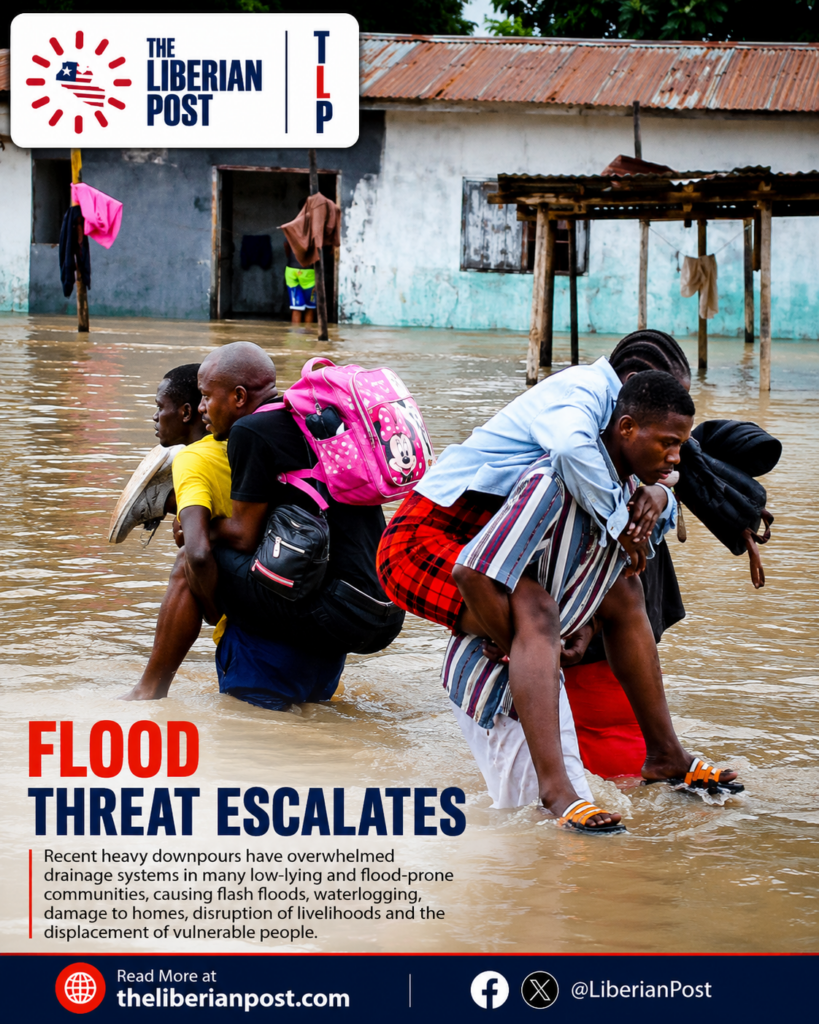
The warning comes as the country enters the peak of its rainy season, with low-lying communities in and around Monrovia already experiencing flash floods, waterlogged neighborhoods, damaged homes and disrupted livelihoods.
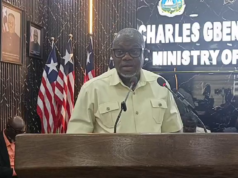
Speaking Tuesday during the Ministry of Information’s regular press briefing, NDMA Executive Director Ansu S. Dulleh disclosed that preliminary field assessments and drone surveillance indicate that several thousand residents have already been affected directly or indirectly by flooding, particularly across parts of Montserrado County.
“Recent heavy downpours have overwhelmed drainage systems in many low-lying and flood-prone communities,” Dulleh said.
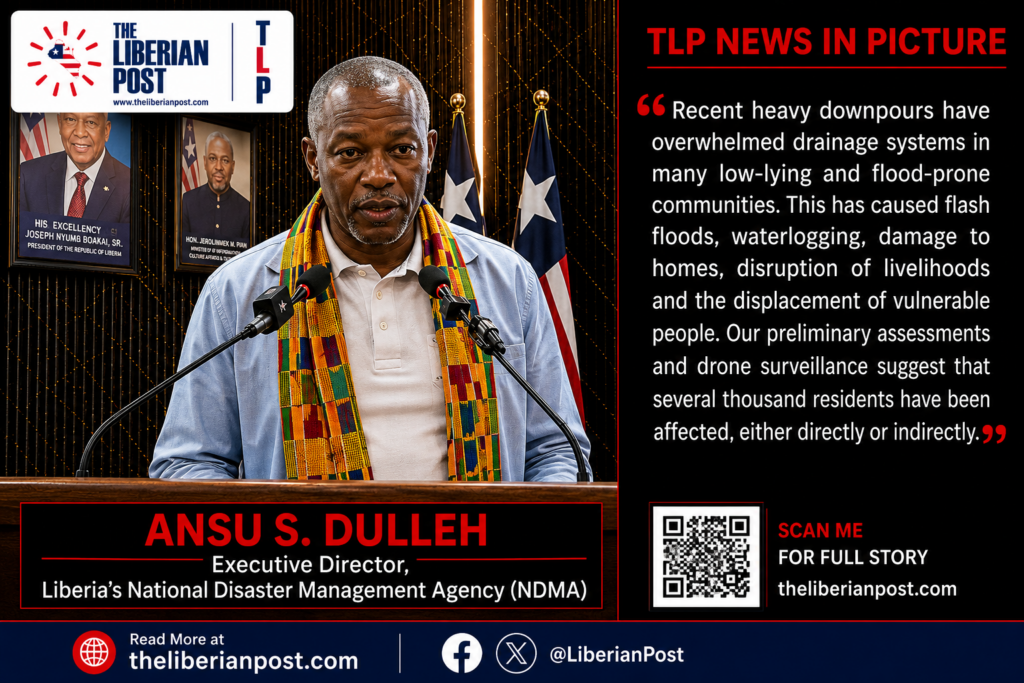
“This has caused flash floods, waterlogging, damage to homes, disruption of livelihoods and the displacement of vulnerable people.”
Although assessment teams are continuing to verify the full extent of the damage, he said early findings paint a troubling picture of a worsening humanitarian situation if rainfall intensifies in the coming weeks.
“Our preliminary assessments and drone surveillance suggest that several thousand residents have been affected, either directly or indirectly,” he said.
Women, children, older persons and people living with disabilities, he added, remain among the populations facing the greatest risk.
Heavy Rains Expected To Continue
The NDMA’s warning follows updated forecasts from the Liberia Meteorological Service indicating that significant rainfall will persist throughout much of the rainy season.
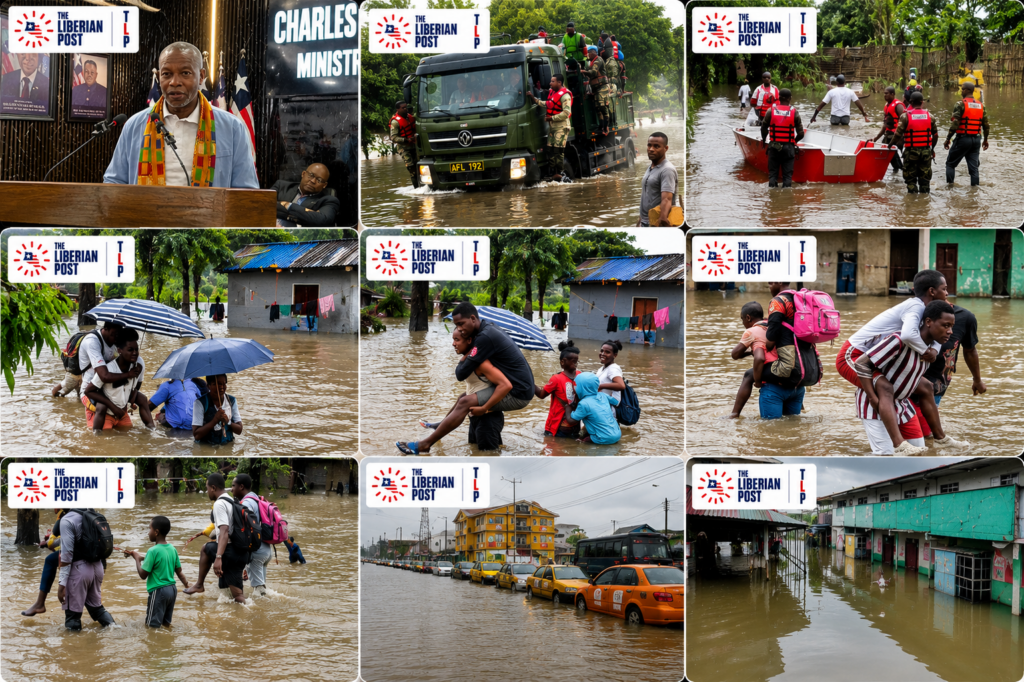
According to Dulleh, weather experts anticipate additional heavy rainfall across several parts of the country, increasing the likelihood of flooding in communities situated near rivers, wetlands, coastal areas and locations with inadequate drainage infrastructure.
“There is a high chance of more flooding, especially in low-lying coastal communities, wetlands, riverside settlements and areas with poor drainage,” he warned.
The agency is therefore urging residents in flood-prone communities to remain vigilant, closely monitor weather advisories and immediately report emerging hazards to local authorities.
Citizens were also advised against constructing buildings in waterways or blocking natural drainage channels, practices that authorities say continue to worsen flooding in many urban communities.
National Flood Response Activated
In anticipation of additional rainfall, the NDMA has activated its National Flood Preparedness and Response Plan, bringing together multiple government ministries, emergency responders and humanitarian organizations to coordinate nationwide disaster response efforts.
Dulleh said assessment teams have already been deployed to affected communities to collect data, identify vulnerable households and map high-risk locations.
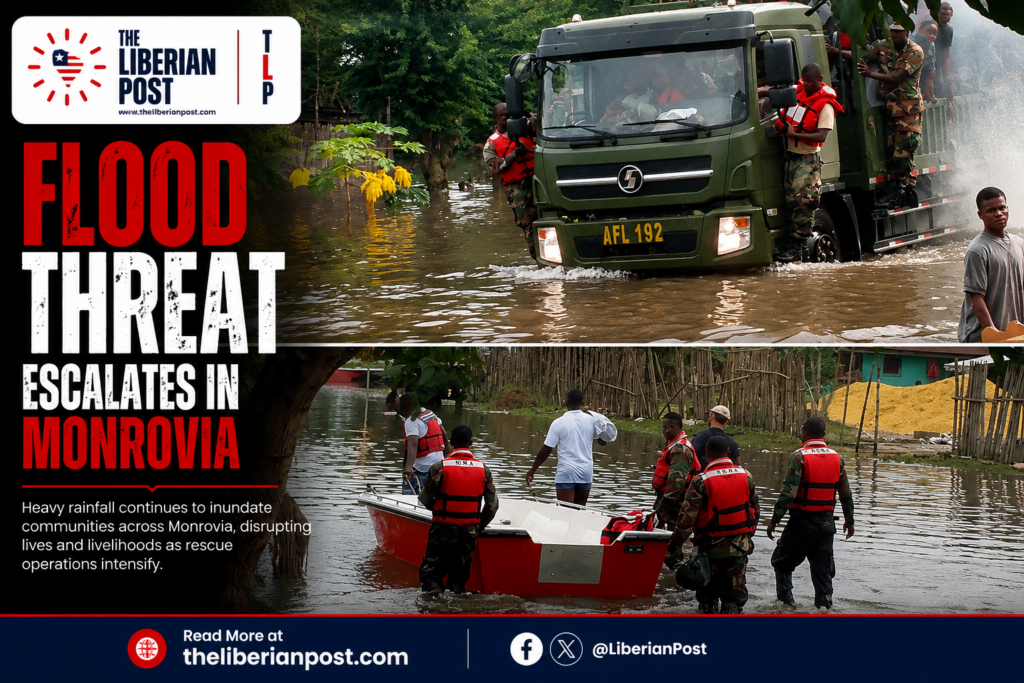
The agency is also working with county and district disaster management committees to improve coordination while intensifying public awareness campaigns on flood preparedness and evacuation procedures.
Emergency response efforts involve collaboration with the Ministry of Local Government, the Ministry of Public Works, the Ministry of Health, the Liberia Water and Sewer Corporation, the Liberia National Fire Service, the Armed Forces of Liberia, the Liberia National Police, the Liberia National Red Cross Society and several humanitarian partners.
In addition, the NDMA continues to engage international development partners, including United Nations agencies and other humanitarian organizations, to strengthen emergency preparedness and accelerate recovery efforts where needed.
Flooding Increasingly Linked To Human Activity
While acknowledging the impact of climate change on Liberia’s weather patterns, Dulleh argued that many flooding incidents are being intensified by preventable human activities.
He blamed the widespread construction of homes in wetlands and waterways, indiscriminate dumping of garbage into drainage systems and poor land-use practices for exacerbating seasonal flooding.
“We call on all citizens to help reduce flood risk by keeping drainage systems clean, avoiding improper waste disposal, following environmental regulations and complying with public safety guidelines,” he said.
The NDMA chief warned that communities built on reclaimed swamps and natural waterways remain particularly vulnerable whenever prolonged rainfall occurs.
He noted that the agency has been working alongside the Environmental Protection Agency, the Liberia Land Authority, the National Housing Authority and the Ministry of Public Works to discourage illegal construction in flood-prone areas while promoting safer land-use planning.
Long-Term Solutions Needed
Beyond emergency response, Dulleh said Liberia must invest in long-term disaster risk reduction if the country hopes to reduce the recurring destruction associated with annual flooding.
Among the priorities outlined by the NDMA are improved drainage infrastructure, stronger flood-control systems, climate-resilient community planning, expanded early warning systems and greater public education on disaster preparedness.
He also called for stronger collaboration among government institutions, local authorities, civil society organizations, development partners, the private sector and ordinary citizens.
“The increasing frequency and severity of flooding shows the growing impact of climate change on disaster risk in Liberia,” he said.
“Reducing flood risk must therefore become a shared responsibility.”
A Familiar National Challenge
Flooding has become one of Liberia’s most persistent natural hazards during the rainy season, particularly in densely populated sections of Monrovia where rapid urbanization, inadequate drainage infrastructure and unplanned settlement continue to heighten vulnerability.
Communities including New Kru Town, Clara Town, West Point, Duala, Chicken Soup Factory, Slipway and several neighborhoods along the Mesurado River have repeatedly experienced flooding during periods of sustained rainfall, often forcing families from their homes and disrupting businesses, schools and transportation.
In recent years, flooding has also contaminated wells, increased the risk of cholera and other waterborne diseases, damaged roads and bridges and placed additional pressure on already stretched emergency response agencies.
With meteorologists forecasting continued heavy rains in the weeks ahead, authorities are urging Liberians not to ignore early warning messages or underestimate the dangers posed by rising floodwaters.
For the NDMA, preparedness remains the country’s strongest line of defense.
“Together, through preparedness, coordination, resilience building and collective action, we can reduce the impact of flooding and strengthen Liberia’s ability to withstand future disasters,” Dulleh said.
For breaking news, in-depth analysis, and exclusive reports from Liberia and around the world, follow The Liberian Post on Facebook (https://web.facebook.com/profile.php?id=61576017166570) and X, formerly Twitter (https://x.com/LiberianPost).