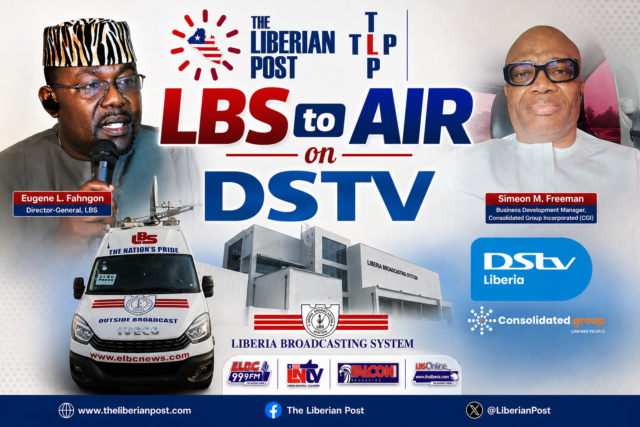
–CGI Invites National Broadcaster Back to Negotiating Table, Says LBS Will Pay No Carriage Fee as Partnership Could Bring Liberian Television to Millions of Viewers Across Africa
MONROVIA – Nearly two years after a highly publicized standoff between the Liberia Broadcasting System (LBS) and DStv Liberia over the carriage of Liberia National Television (LNTV), the country’s official DStv service provider has extended what could become a breakthrough olive branch aimed at ending one of Liberia’s most contentious broadcasting disputes.
In a letter dated July 8, 2026, Consolidated Group Incorporated (CGI)—the official DStv distributor in Liberia—formally invited LBS to begin the process of placing its television signal on the DStv satellite platform, reaffirming that the national broadcaster will not be required to pay any carriage fee for the service.
The proposal, addressed to LBS Director General Eugene L. Fahngon, represents a significant shift in public discourse surrounding the relationship between the two institutions, which deteriorated sharply in 2024 amid disagreements over the cost and technical requirements of carrying Liberia’s national television station on the continent’s largest satellite television platform.
Under the latest proposal, CGI said LBS would only be responsible for the cost of uplinking its television signal to the DStv satellite—a technical process necessary to distribute television programming across the platform.
According to the company, the cost of the uplink will be determined following a joint technical assessment by engineers from both institutions but will not exceed US$40,000.
CGI emphasized that once LBS formally accepts the proposal in writing, technical teams from both organizations will immediately begin assessing the infrastructure required to complete the integration.
The communication, signed by Business Development Manager Simeon Freeman, stated that once connected, LBS programming—including news, sports, entertainment, educational and cultural productions—would become available to DStv subscribers across Africa.
The company also noted that placing LBS on the platform would enable thousands of Liberians living abroad to remain connected to events at home while showcasing Liberian-produced television content to regional and international audiences.
A Dramatic Turnaround
The latest development marks a remarkable turnaround from the public confrontation that unfolded in 2024.
At the height of the dispute, LBS Director General Eugene Fahngon publicly accused DStv Liberia of refusing to carry Liberia National Television and argued that, as the country’s public broadcaster, LBS should not be required to pay for placement on the satellite platform. He even called for DStv Liberia’s operations to be shut down, alleging that the company was failing to adequately support local content and questioning aspects of its operations in Liberia.
The disagreement soon escalated beyond the media industry.
Lawmakers on the House of Representatives’ Committee on Post and Telecommunications summoned officials of Consolidated Group to explain the impasse after complaints from LBS.
In response, CGI rejected allegations that it had refused to work with the national broadcaster, insisting instead that the disagreement centered on the technical costs associated with satellite uplinking rather than a carriage fee.
Company officials maintained that, as Liberia’s DStv agent, CGI lacked the authority to unilaterally waive technical requirements or place channels on the MultiChoice satellite platform without following established procedures. They also accused LBS management of politicizing what they described as a commercial and technical matter.
At the time, CGI disclosed that it had invited LBS to discussions and encouraged the state broadcaster to engage MultiChoice through the proper channels regarding satellite distribution.

A Fresh Opportunity
The latest letter appears to substantially narrow the gap between the two sides.
Rather than debating whether LBS should pay to be carried, the proposal makes clear that no carriage fee will be charged, while limiting LBS’s financial responsibility to the one-time technical cost of connecting its signal to the satellite network.
Media analysts say the distinction is significant.
Unlike carriage fees, which involve recurring payments for channel placement, uplinking is a technical requirement involving specialized equipment and satellite transmission services necessary to deliver a broadcaster’s signal to viewers.
If the agreement is finalized, Liberia National Television would gain access to one of Africa’s largest pay television audiences, dramatically increasing its visibility beyond Liberia’s borders.
Expanding Liberia’s Voice
The proposed partnership also aligns with broader efforts to modernize the Liberia Broadcasting System.
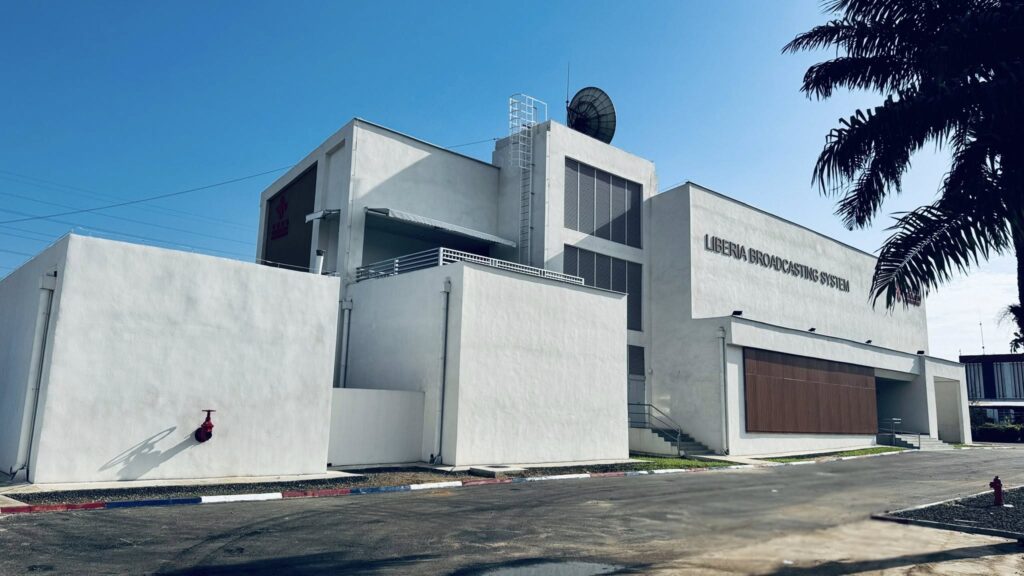
In recent months, LBS has inaugurated its new state-of-the-art broadcast complex, built with support from the People’s Republic of China, and has launched initiatives aimed at improving production quality, expanding nationwide coverage and strengthening professional broadcasting standards.
Government officials have repeatedly emphasized that modernizing the national broadcaster is central to improving public access to information while promoting Liberia’s culture, tourism, sports and creative industries.
Appearing on DStv could significantly advance those objectives.
Beyond giving Liberian audiences another avenue to access local programming, the move would provide unprecedented exposure for locally produced documentaries, entertainment programs, sporting events and cultural productions throughout Africa.
For Liberians living in the diaspora, the development could also provide easier access to news and programming from home, strengthening connections between overseas communities and the country.
The Ball Now Lies with LBS
While CGI’s proposal has reopened the door to cooperation, the next move rests with the Liberia Broadcasting System.
According to the company’s letter, the process cannot begin until LBS formally communicates its acceptance of the offer, after which engineers from both institutions will conduct a technical assessment to determine the precise uplinking requirements and associated costs.
If the agreement proceeds as proposed, it would bring an end to one of Liberia’s most visible broadcasting disputes and mark the beginning of a new chapter in the relationship between the national broadcaster and the country’s leading satellite television provider.
For viewers, content creators and Liberians abroad, the outcome could mean something even more significant: for the first time, Liberia’s national television channel would have the opportunity to broadcast its stories, culture and national conversations to millions of homes across Africa.
For more credible, balanced and impactful news, analysis and special reports, follow The Liberian Post on Facebook (https://web.facebook.com/profile.php?id=61576017166570) and on X, formerly Twitter (https://x.com/LiberianPost).