-Journalists’ Union Demands Evidence After Police Chief Claims Cocaine Network Funneled Money into Liberian Media to Influence Public Narrative
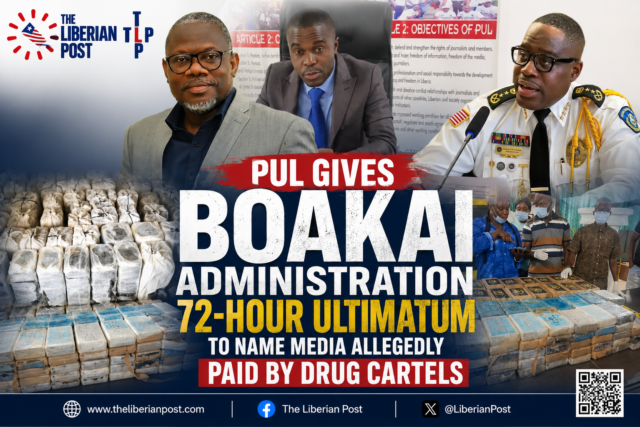
MONROVIA, Liberia – The Press Union of Liberia (PUL) has issued a 72-hour ultimatum to the Boakai administration to publicly identify media institutions and journalists allegedly financed by an international drug trafficking network or face what it described as “appropriate actions” to defend the integrity of Liberia’s media.
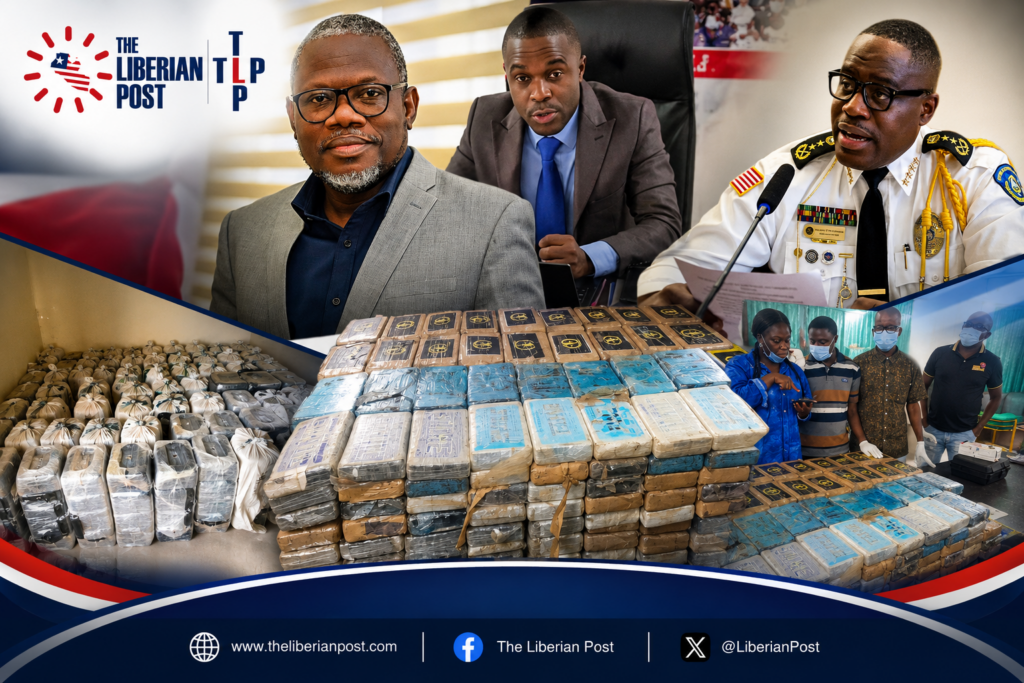
The strongly worded demand follows explosive remarks made Thursday, July 30th, by Inspector General of Police Gregory O. W. Coleman, who said investigators had established that members of the drug trafficking organization behind Liberia’s record US$317.68 million cocaine seizure had injected money into sections of the media to manipulate public opinion and derail ongoing investigations.
Coleman’s allegation, delivered during an official Joint National Security briefing at the Ministry of Information, Cultural Affairs and Tourism (MICAT), has ignited one of the most significant confrontations in recent years between Liberia’s security establishment and the country’s organized media community.
PUL: Produce the Evidence or Withdraw the Allegation
In a statement issued Thursday, the Press Union described the Inspector General’s assertion as a “reckless,” “dangerous,” and “blanket indictment” of journalism in Liberia, warning that such accusations cannot remain unsupported.
The Union demanded that the Government of Liberia release all evidence allegedly linking journalists or media institutions to drug trafficking organizations within 72 hours.
Failure to do so, the Union warned, would compel it to take unspecified actions to protect the credibility, independence and safety of Liberian journalists.
“The police IG, having made this grave claim, is under obligation to reveal the names of members of the drug cartel and the media allegedly involved in such pay-to-play transactions at the detriment of the public interest and the security of Liberia,” PUL President Julius Kanubah declared.
According to the Union, allegations of such magnitude—made during an official government press conference broadcast nationally and internationally—cannot remain based on undisclosed evidence.
The Statement That Triggered the Standoff
The controversy stems from remarks made by Inspector General Coleman while providing an update on the government’s investigation into Liberia’s largest-ever cocaine seizure.
Addressing journalists, Coleman alleged that investigators had uncovered evidence suggesting that the drug trafficking organization had used its vast financial resources to influence media coverage.
“It’s very disappointing to see those who we depend upon to inform the public falling very much prey to the same actions of the DTOs. DTOs are Drug Trafficking Organizations,” Coleman said.
He continued: “We’ve been able to verify and establish that they have infused monies into the media to change the narrative, distract the key players in the investigation, and just sow a serious seed of discord. And that is not just hurting the investigations; it is hurting the nation.”
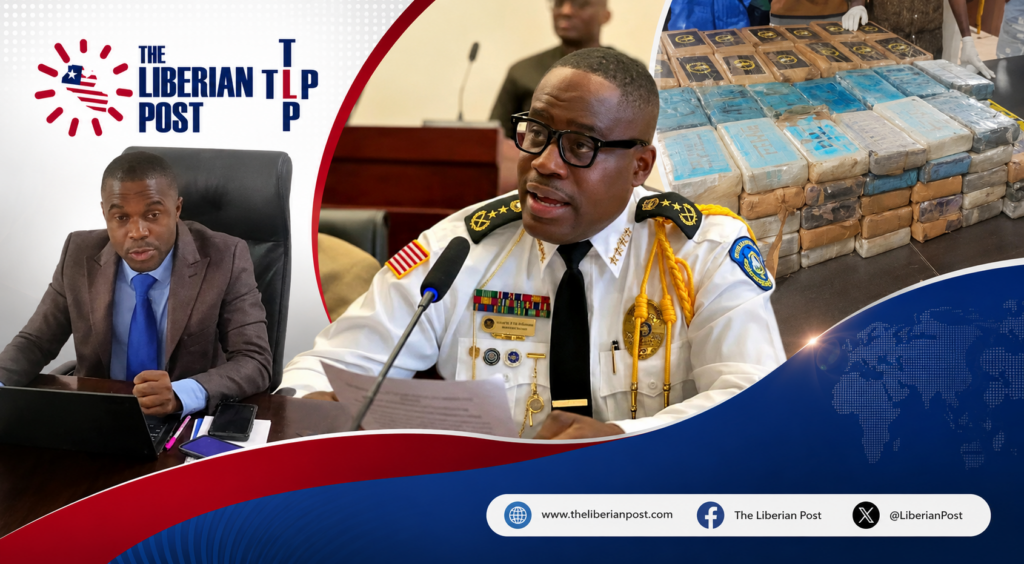
The comments immediately attracted widespread attention because they suggested that elements of Liberia’s media had become part of an active criminal operation aimed at obstructing one of the country’s most consequential narcotics investigations.
Information Minister Attempts Clarification
During the same press briefing, Information Minister Jerolinmek Matthew Piah sought to clarify the Inspector General’s remarks, emphasizing that the allegations were not directed at the Liberian media as a whole.
However, the Press Union says the clarification does not resolve the matter.
The Union argued that if government investigators possess credible evidence identifying specific journalists or media institutions allegedly compromised by drug traffickers, then those individuals should be publicly identified and prosecuted rather than leaving the entire profession under suspicion.
PUL also noted that Inspector General Coleman appeared to endorse Minister Piah’s clarification but did not retract his original assertion.
‘Why Haven’t They Been Arrested?’
President Kanubah questioned why authorities had not already arrested and prosecuted both the alleged members of the drug trafficking organization and any journalists purportedly involved if investigators indeed possess credible evidence.
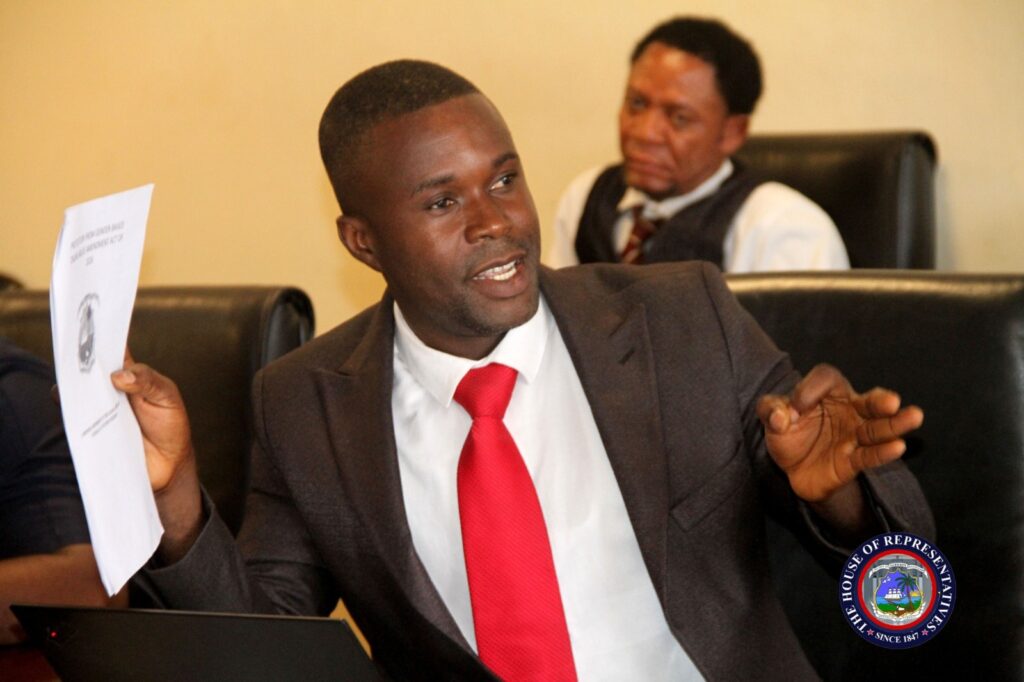
The Union warned that unsupported allegations against the media expose journalists to intimidation, damage public confidence in independent journalism and threaten Liberia’s democratic gains.
It argued that broad accusations against the press are particularly dangerous during a major national security investigation because they can discourage legitimate reporting and create an atmosphere of fear within the profession.
“The integrity of journalism cannot be undermined through generalized accusations unsupported by evidence,” the statement stressed.
Growing Tension Between Government and the Press
The latest dispute adds to an increasingly strained relationship between the Press Union and sections of the Boakai administration over issues relating to press freedom and government accountability.
In recent months, the PUL has repeatedly criticized what it considers official actions and rhetoric that threaten freedom of expression, including opposition to proposed changes affecting Liberia’s landmark Kamara Abdullah Kamara (KAK) Act of Press Freedom and public warnings about what it describes as shrinking civic space.
Earlier this month, the Union also cautioned government institutions against engaging in what it termed “attack dog politics,” urging officials to respond to public criticism with transparency rather than confrontation.
For its part, the Executive Mansion has consistently maintained that the Boakai administration remains committed to press freedom while urging journalists to verify sensitive allegations carefully, particularly those involving national security and ongoing criminal investigations.
Drug Investigation Intensifies
The media controversy comes as Liberia’s anti-narcotics investigation continues to expand following the seizure of approximately 3,971 plates (about 4.2 metric tons) of cocaine valued at an estimated US$317.68 million, the largest drug confiscation in the country’s history.
The investigation has already led to the dismissal, suspension and prosecution of several officials from the Liberia National Police, National Security Agency, Liberia Drug Enforcement Agency and Roberts International Airport, following President Joseph Nyuma Boakai’s directive that no public official implicated in narcotics trafficking should remain in government service.
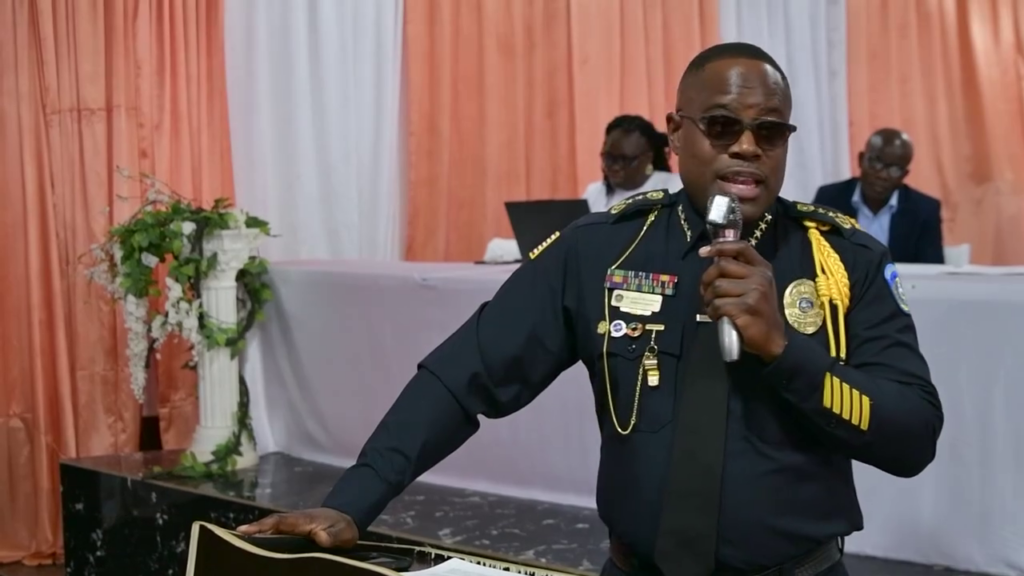
Authorities have described the case as involving a sophisticated transnational drug trafficking organization with extensive financial resources and international connections.
A Test for Transparency
The Press Union’s ultimatum now places the government under pressure to decide whether it will publicly disclose evidence supporting Inspector General Coleman’s allegations or clarify the basis upon which the claims were made.
At stake is more than a disagreement between government and the media. The outcome could shape public confidence in both Liberia’s anti-drug campaign and the country’s commitment to press freedom.
If evidence exists, observers say its disclosure could strengthen public trust in the investigation and allow law enforcement to pursue criminal charges against any compromised media actors.
If no evidence is presented, the controversy is likely to intensify, raising broader questions about official communication, institutional accountability and the balance between national security and freedom of the press in one of Liberia’s most significant criminal investigations.
For breaking news, in-depth analysis, and exclusive reports from Liberia and around the world, follow The Liberian Post on Facebook (https://web.facebook.com/profile.php?id=61576017166570) and X, formerly Twitter (https://x.com/LiberianPost).