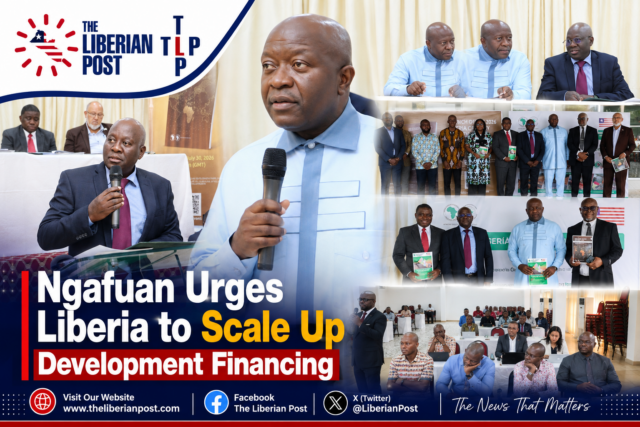
-Finance Minister Launches African Development Bank’s New Country Strategy, Says Liberia Has Proven Its Resilience Despite Losing Over US$300 Million in External Financing
MONROVIA, Liberia – Finance and Development Planning Minister Augustine Kpehe Ngafuan has declared that Liberia must dramatically expand its ability to mobilize development financing if it is to achieve sustainable economic transformation, arguing that public resources alone will never be sufficient to meet the country’s long-term development ambitions.
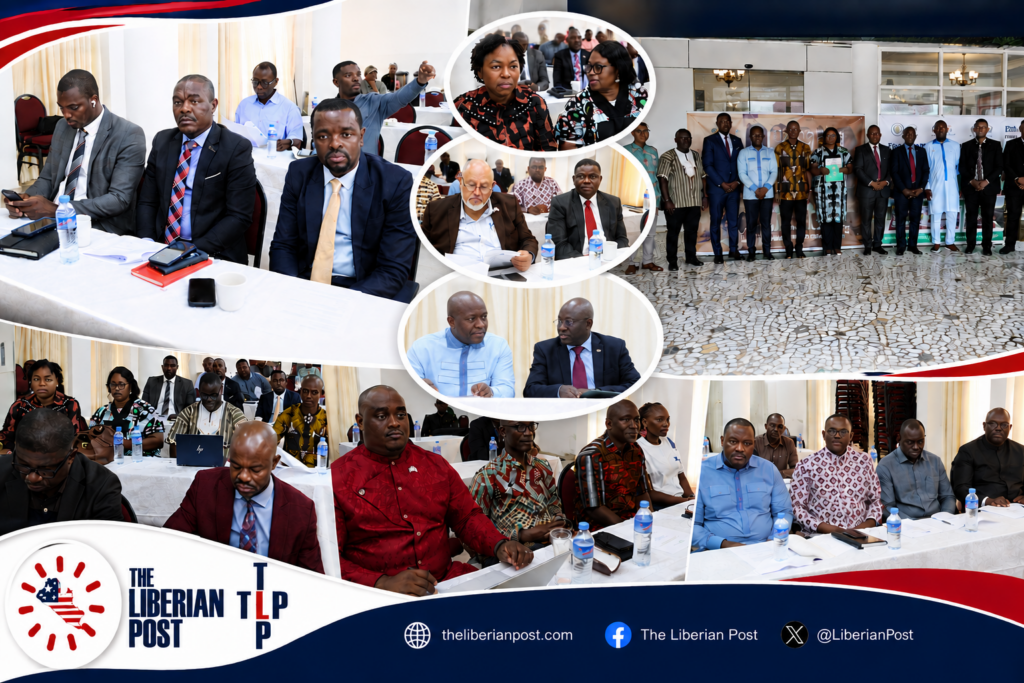
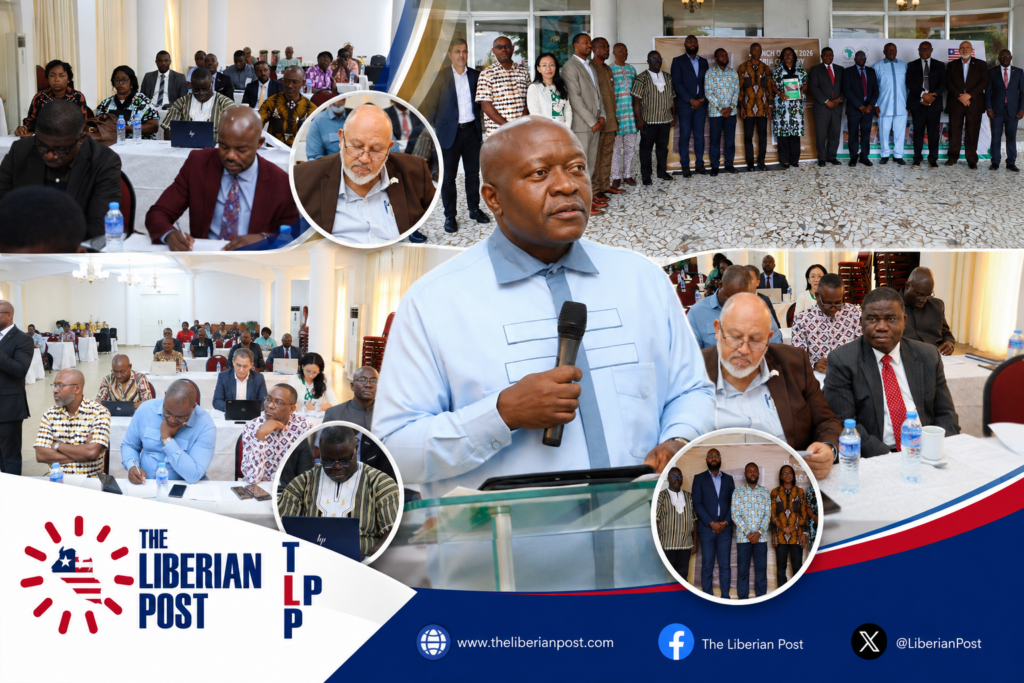
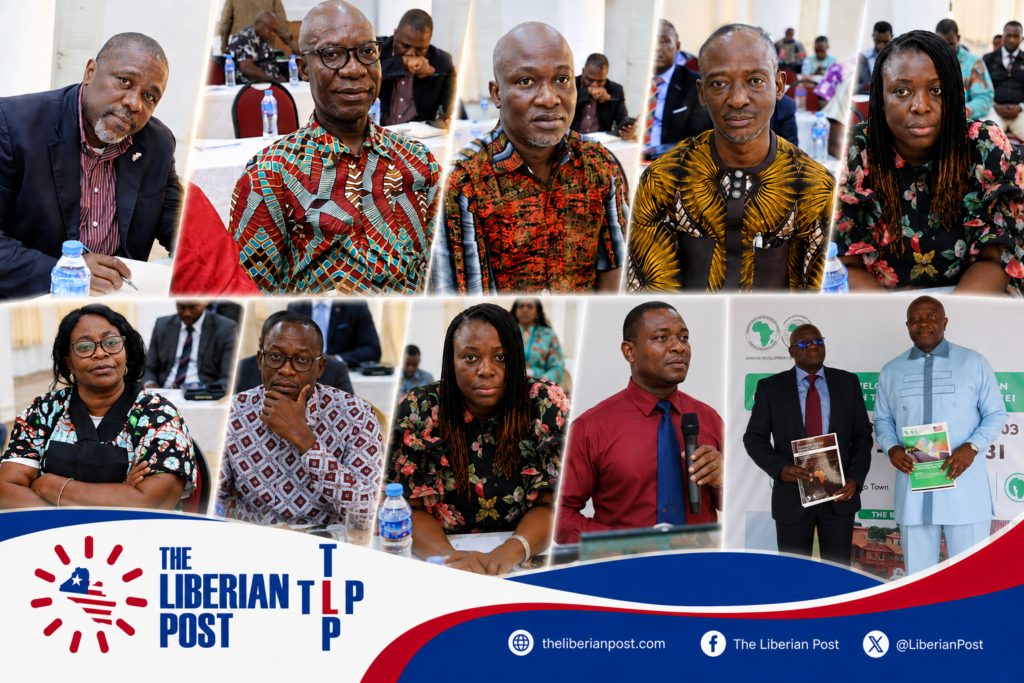
Speaking Friday at the official launch of the African Development Bank (AfDB) 2026 Liberia Country Focus Report and the 2026–2031 Country Strategy Paper, Ngafuan said Liberia’s future depends on strengthening domestic revenue mobilization, attracting greater private investment and forging stronger partnerships with development institutions.
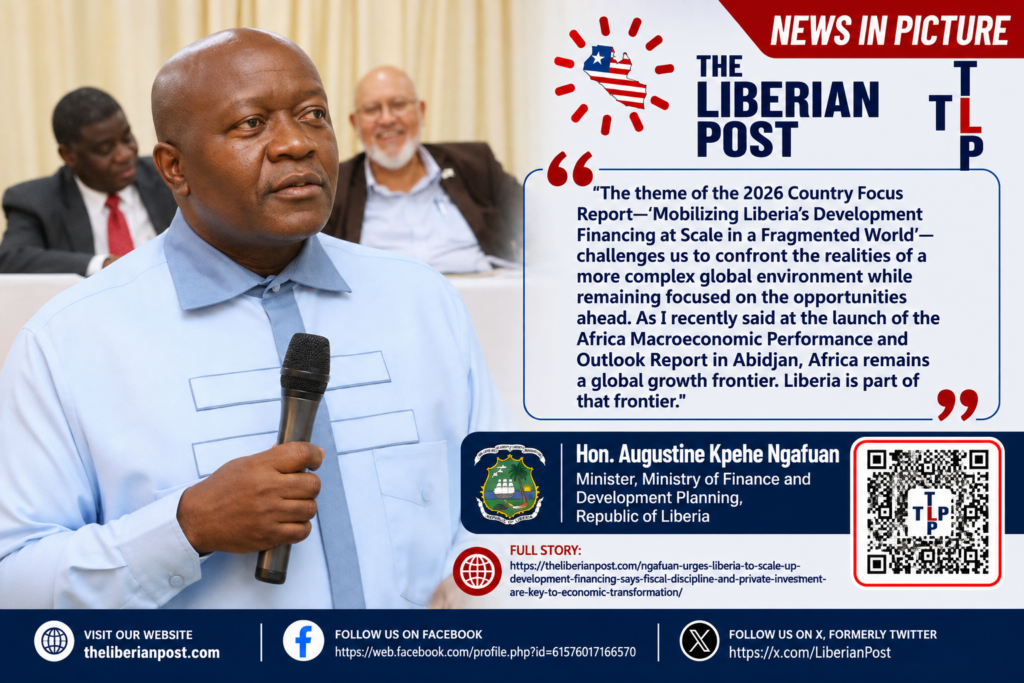
“The theme of the 2026 Country Focus Report—‘Mobilizing Liberia’s Development Financing at Scale in a Fragmented World’—challenges us to confront the realities of a more complex global environment while remaining focused on the opportunities ahead,” the Minister said.
‘Liberia Is Part of Africa’s Growth Frontier’
Ngafuan painted an optimistic picture of Africa’s economic trajectory, noting that despite mounting global challenges, the continent continues to demonstrate remarkable resilience.
Referencing the African Development Bank’s latest continental assessment, he said 32 African countries, including Liberia, recorded economic growth above five percent last year, reinforcing Africa’s position as one of the world’s most promising growth frontiers.
“As I recently said at the launch of the Africa Macroeconomic Performance and Outlook Report in Abidjan, Africa remains a global growth frontier. Liberia is part of that frontier,” he declared.
He emphasized that the continent’s recent economic performance is the result of resilience, policy reforms and sustained partnerships rather than coincidence.
Liberia Weathered Major Economic Shocks
The Finance Minister used the occasion to highlight Liberia’s ability to withstand successive economic crises over the past two decades.
He recalled that following the country’s civil conflict, Liberia inherited a debt burden exceeding 700 percent of Gross Domestic Product (GDP) before securing substantial international debt relief through sustained reforms and cooperation with development partners, including the African Development Bank.
Ngafuan also reflected on the devastating Ebola epidemic, which claimed more than 5,000 Liberian lives, saying the crisis ultimately strengthened the country’s institutional capacity and better prepared it to respond to future public health emergencies such as COVID-19.
Perhaps most significantly, he pointed to the government’s response after Liberia unexpectedly lost more than US$300 million in external project financing following the withdrawal of one of its largest development partners last year.
“The sky did not collapse over our heads,” Ngafuan remarked.
Instead, he said, the government maintained fiscal stability by intensifying domestic revenue mobilization, strengthening tax administration, accelerating digitization, enhancing transparency and closing revenue leakages.
Four Priorities for Liberia’s Future
According to Ngafuan, those experiences have shaped four key priorities that must guide Liberia’s economic policy going forward.
These include:
- mobilizing domestic resources more effectively;
- protecting fiscal and debt sustainability while financing high-impact development;
- using public resources to leverage private capital and development partner financing; and
- strengthening public institutions to ensure every dollar mobilized produces measurable economic and social returns.
He stressed that government resources alone cannot finance Liberia’s development ambitions.
Instead, he advocated what he described as a balanced financing strategy combining stronger domestic revenue collection, concessional financing, climate financing, regional funding mechanisms, private investment guarantees, risk-sharing instruments and carefully structured public-private partnerships.
Tax Reform and Fiscal Discipline Remain Central
The Minister reaffirmed the government’s commitment to continued macroeconomic reforms designed to create an environment conducive to inclusive and resilient growth.
Among the priorities he outlined were expanding domestic revenue, improving public financial management, strengthening expenditure controls, enhancing debt transparency, improving governance and creating a safer investment climate for businesses.
He also highlighted the planned introduction of Value Added Tax (VAT) as part of broader tax reforms aimed at broadening Liberia’s revenue base while improving fairness and predictability within the tax system.
“Their ultimate purpose is to improve public service, expand economic opportunity, and raise living standards across Liberia,” Ngafuan emphasized.
Infrastructure Must Drive Transformation
Welcoming the African Development Bank’s new five-year Country Strategy Paper, Ngafuan praised its emphasis on infrastructure, skills development and private sector growth.
He argued that investments in roads, energy and human capital should not be treated as isolated projects but as integrated drivers of structural transformation.
According to him, road projects must connect farms to markets, counties to economic centers and Liberia to regional trade corridors, while expanded electricity access should support households, hospitals, schools, farms, agro-processing facilities and businesses.
He stressed that infrastructure investments should ultimately be judged not simply by the number of projects completed, but by measurable improvements in travel times, production costs, trade, investment and job creation.

Young People Must Be Prepared for the Future
Ngafuan described Liberia’s youthful population as the country’s greatest national asset and said skills development must be directly aligned with labor market needs.
He pointed to government initiatives such as the Youth Apprenticeship and Internship Program and the expansion of Technical and Vocational Education and Training (TVET) as examples of efforts to prepare young Liberians for productive employment.
He called for increased investment in technical education, engineering, construction, agriculture, digital technology and entrepreneurship to support long-term economic growth.
Mining Reforms to Deliver Greater Benefits
The Finance Minister also acknowledged that while Liberia’s mining sector has been a major contributor to economic growth, public revenues from the sector have historically fallen short of their potential.
He noted that reforms currently being implemented with support from the African Development Bank’s Revenue Governance Project are intended to ensure that Liberia derives greater value from its natural resources for the benefit of its citizens.
AfDB Reaffirms Long-Term Partnership
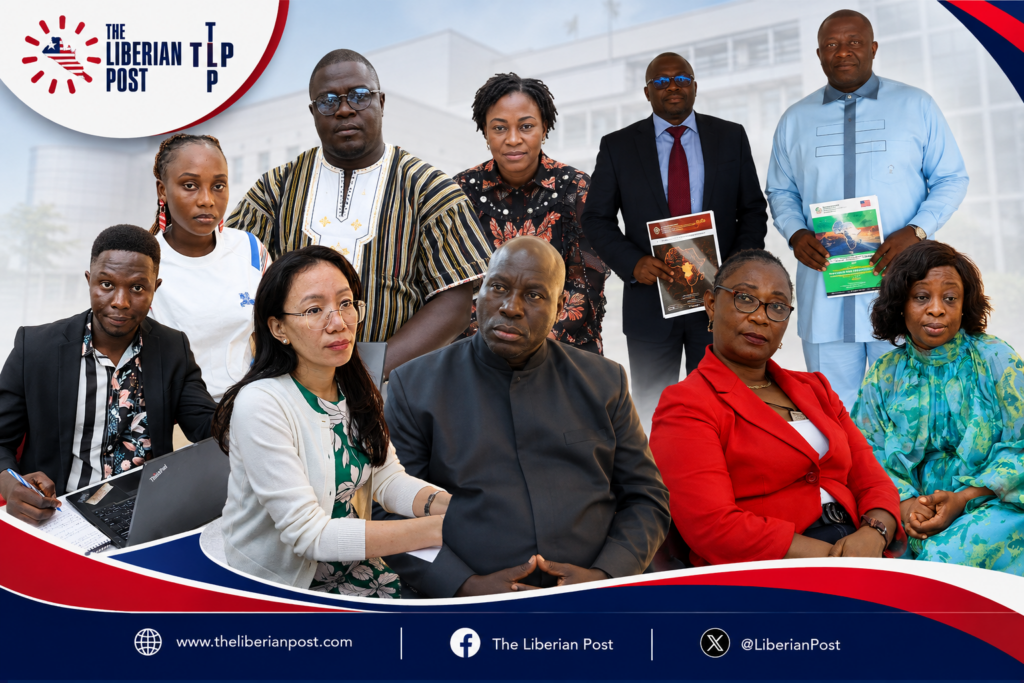
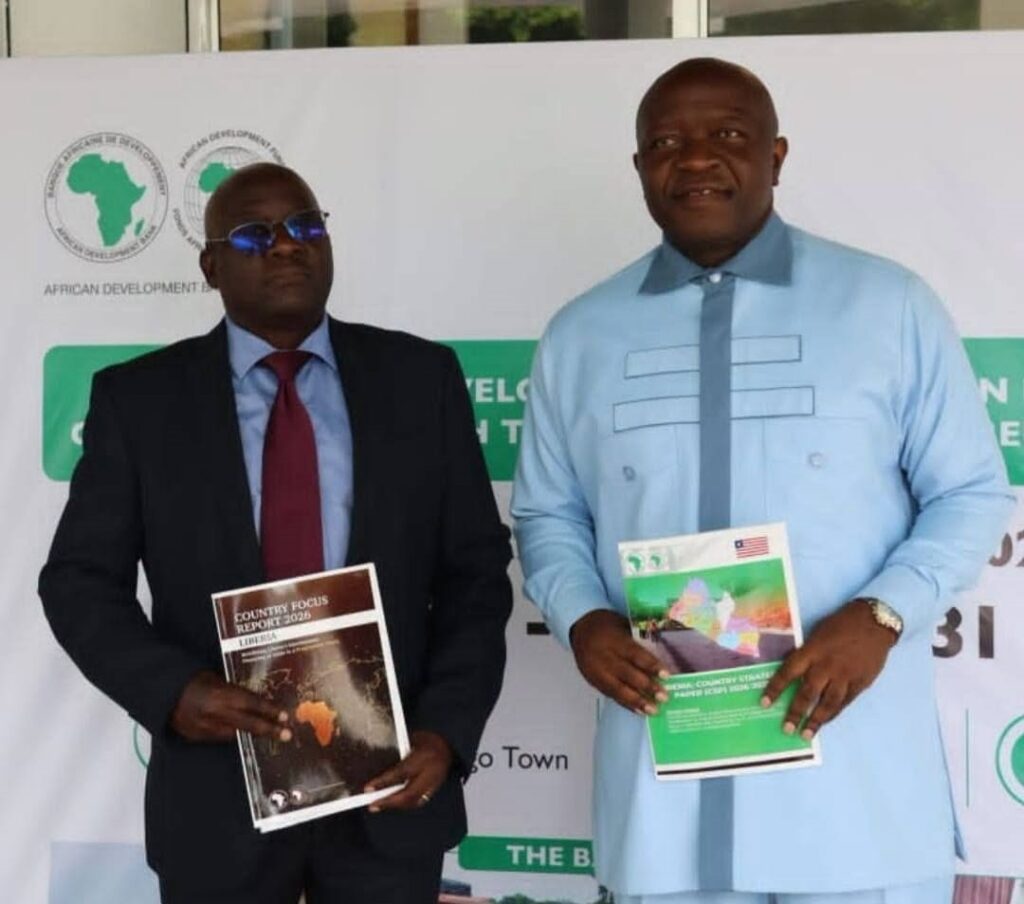
The event also marked the launch of the African Development Bank’s 2026 Country Focus Report, which analyzes Liberia’s macroeconomic performance and financing needs, alongside the 2026–2031 Country Strategy Paper, which outlines the Bank’s medium-term support for the country.
Earlier, John Bosco Bukenya, Officer-in-Charge of the African Development Bank’s Liberia Country Office, said the new strategy focuses on building a competitive and resilient private sector through investments in infrastructure, energy, skills development and inclusive growth.
He reaffirmed the Bank’s commitment to supporting Liberia’s development priorities through continued financing, technical assistance and policy engagement.
Declaring both publications officially launched, Ngafuan said the government remains committed to working closely with the African Development Bank, development partners, the private sector and civil society to translate the reports’ recommendations into concrete policies that improve the lives of Liberians.
“Together,” he concluded, “let us mobilize development financing at scale to strengthen economic resilience, accelerate structural transformation, and build a stronger, more inclusive and more prosperous Liberia.”
For breaking news, in-depth analysis, and exclusive reports from Liberia and around the world, follow The Liberian Post on Facebook (https://web.facebook.com/profile.php?id=61576017166570) and X, formerly Twitter (https://x.com/LiberianPost).