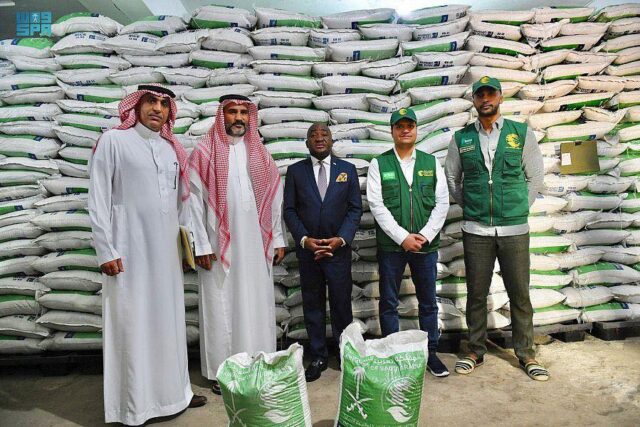
–13 Defendants Face Criminal Charges Over Alleged Misappropriation of US$500,000 Relief Donation
MONROVIA, LIBERIA — Liberia’s long-running Saudi Rice Case is set to enter a decisive new phase on Monday, August 17, when 13 former and current government officials and employees are expected to go on trial before Criminal Court “C” in Montserrado County over the alleged misappropriation of thousands of bags of rice donated by Saudi Arabia for disaster victims.
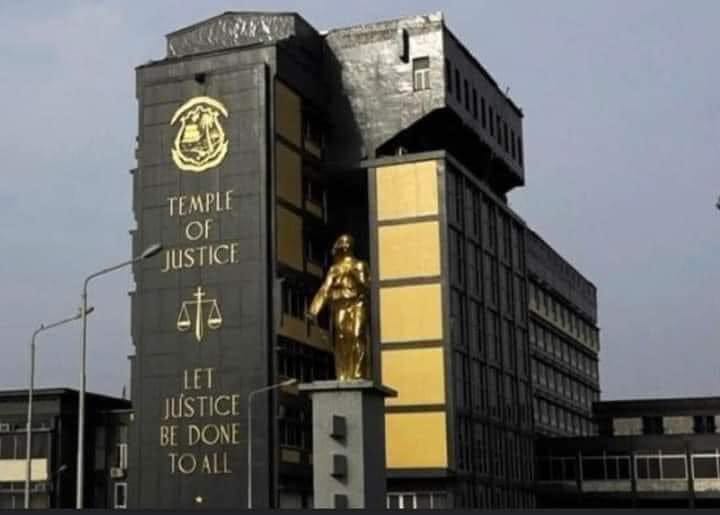
The trial, scheduled to begin at 9:00 a.m., follows a ruling by Criminal Court “C” on August 11 that the case should proceed after pretrial proceedings and discovery.
At the center of the case is a 2023 Saudi humanitarian donation of 29,412 bags of 25-kilogram rice, valued at approximately US$500,000, which was intended for distribution to disaster-affected communities and vulnerable Liberians.
According to the Asset Recovery and Property Retrieval Task Force (AREPT), investigators determined that 25,054 bags, valued at approximately US$425,918, were allegedly stolen, misapplied or otherwise improperly distributed.
The allegations have yet to be proven in court, and all defendants are presumed innocent unless found guilty.
Who Faces Trial
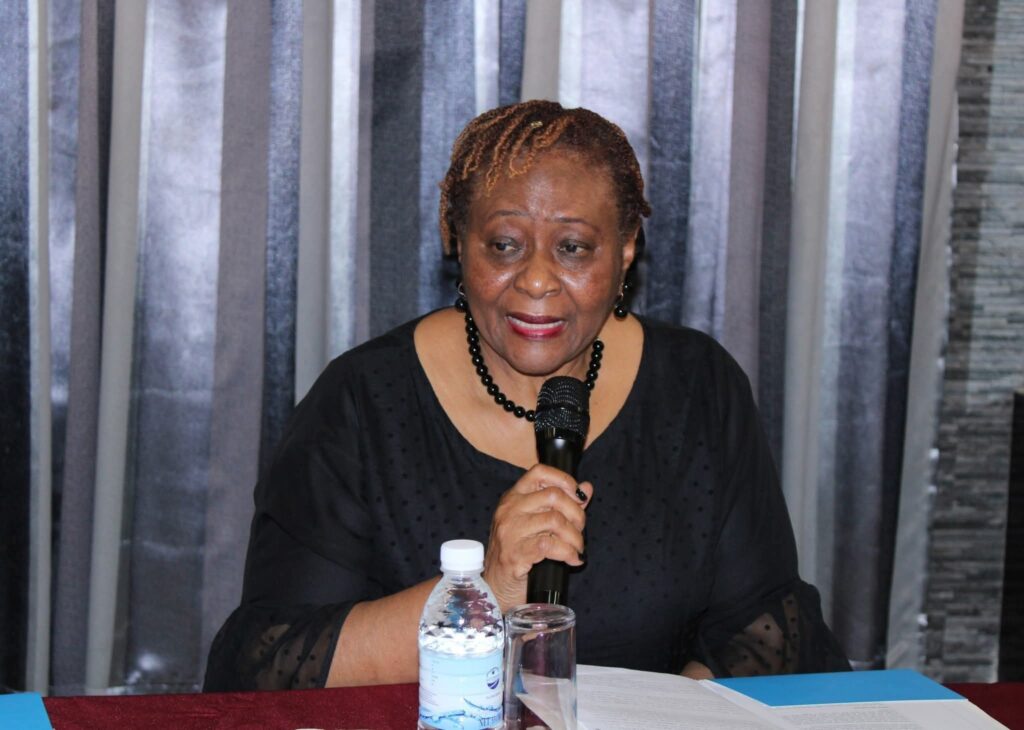
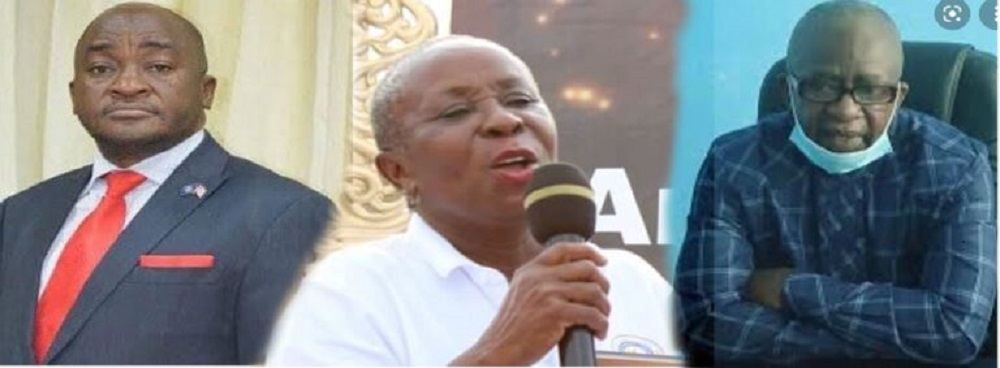
The 13 defendants scheduled to face trial include Dee-Maxwell Saah Kemayah, former Minister of Foreign Affairs; Varney A. Sirleaf, former Minister of Internal Affairs; Thelma Sawyer, former Deputy Minister of Foreign Affairs for Administration; Augustine Kollie, Director for Disaster Victims at the National Disaster Management Agency (NDMA); and Henry O. Williams, former Executive Director of the NDMA.
Others are Edward S. Konneh, an NDMA employee; Archievego M. Doe, NDMA Communications Director; Edris Bility, former Deputy Director for Operations at the General Services Agency (GSA); Mamie Davies, Assistant Director at GSA; Momolu Johnson, former Deputy Minister of Internal Affairs for Administration; Rosetta L. Gbassay Bowah, Logistics Officer at NDMA; Wayfa Ciapha, purported CEO of Group of Seventy-Seven; and Evelyn Gbee, Warehouse Manager.
The defendants face charges including Theft of Property, Economic Sabotage involving the Misuse of Public Money, Property or Records, Theft and/or Illegal Disbursement and Expenditure of Public Money, Misapplication of Entrusted Property, Abuse of Office, and Criminal Conspiracy.

How the Rice Disappeared
The case dates back to April 2023, when Saudi Arabia donated the rice to Liberia for distribution to victims of disasters and vulnerable communities.
The rice was subsequently placed in government-managed warehouses under the responsibility of relevant institutions, including the NDMA and GSA.
According to the indictment, investigators allege that 25,054 bags were subsequently diverted from their intended purpose.
AREPT’s earlier investigation said the alleged diversion involved unauthorized meetings, interference with the NDMA’s statutory responsibilities and the removal and distribution of rice without adequate documentation or legal procedures.
The allegations became public in June 2025 when the Government, through AREPT and the Ministry of Justice, secured indictments against former senior government officials and other individuals over the handling of the donated rice. The Liberian Post previously reported that the investigation centered on the alleged diversion of 25,054 bags valued at approximately US$425,918.

A Case With Political and Public Stakes
The Saudi Rice Case has become one of the most closely watched corruption-related prosecutions arising from Liberia’s ongoing efforts to recover allegedly misappropriated public assets.
The case has also attracted significant public attention because several defendants are former senior government officials, including a former Foreign Affairs Minister and former heads and senior officials of institutions responsible for public administration and disaster response.
The controversy is particularly sensitive because the rice was donated specifically for disaster victims and vulnerable Liberians.
Investigative reporting previously raised questions about how the rice was handled after it entered Liberia and why large quantities could not be accounted for. Court documents cited by multiple outlets allege that the defendants interfered with the distribution of the rice and that records were not adequately maintained to account for its disposition.
At the same time, some defendants have denied wrongdoing. Former officials named in the case have challenged aspects of the allegations, while reporting has also pointed to documentation concerning the original Saudi-funded transaction and the roles played by different government institutions.
Trial to Test Evidence
For AREPT, Monday’s proceedings represent a significant transition from investigation to judicial determination.
The Task Force says the trial will provide the opportunity for evidence gathered during its investigation to be presented and tested before a court, with criminal responsibility ultimately determined through the judicial process.
AREPT has also emphasized that asset recovery extends beyond investigation and indictment, with the courts providing the mechanism for determining criminal responsibility and, where warranted, pursuing restitution and recovery of public assets.
The Task Force says it remains committed to working with the Ministry of Justice while respecting due process, the rights of defendants and the independence of the Judiciary.
A Long-Awaited Day in Court
The opening of the trial also marks an important moment for a case that has faced scrutiny over the pace of judicial proceedings.
In March 2026, reporting on the case noted concerns that delays in prosecution could undermine public confidence in Liberia’s anti-corruption drive. AREPT spokesperson Joseph Daniels was quoted as describing delays in court proceedings as a key challenge in the fight against corruption.
Now, with Criminal Court “C” directing that proceedings begin Monday, the focus will shift from allegations contained in investigative reports and indictments to evidence presented before the court.
The trial is expected to determine whether the prosecution can establish the charges against the 13 defendants beyond the required legal standard—or whether the accused will prevail in their defense.
For the disaster victims and vulnerable communities for whom the Saudi donation was intended, the proceedings carry an added significance: the court will ultimately determine what happened to thousands of bags of rice meant to provide relief to Liberians in need.
For breaking news, in-depth analysis, and exclusive reports from Liberia and around the world, follow The Liberian Post on Facebook (https://web.facebook.com/profile.php?id=61576017166570) and X, formerly Twitter (https://x.com/LiberianPost).