MONROVIA – The Office for the Establishment of War and Economic Crimes and Anti-Corruption Court for Liberia (OWECC-L) recently organized a significant program to reflect on the Accra Comprehensive Peace Agreement (CPA), which was signed 22 years ago.
This event, targeting students from various schools in Monrovia, aimed to foster awareness about the ongoing need for accountability and rule of law in Liberia.
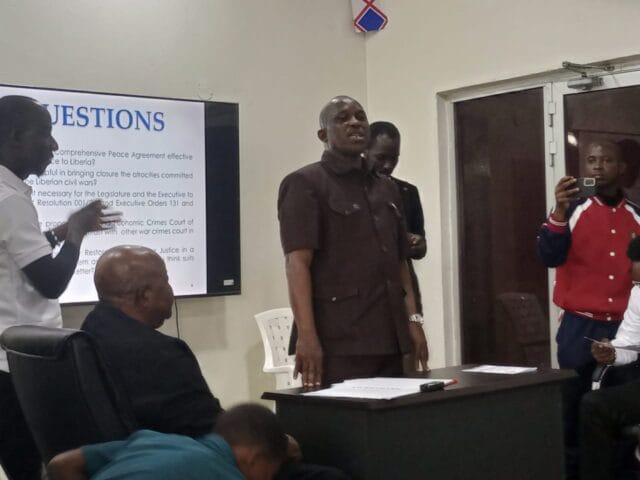
At the lecture series, Dr. Jallah A. Barbu, the Executive Director of OWECC-L, emphasized the necessity for nationwide participation in combatting impunity. “To address impunity, support the rule of law, and ensure accountability in the country, I now declare the lecture series of the national outreach program,” Dr. Barbu announced, underscoring the integral role that education and community engagement play in fostering a just society.
The program featured distinguished speakers, including Ambassador Maxim S. Kpakio, founder of Restoring Hope International, and Dr. Augustine Konneh, Senior Advisor to the President of Liberia. Their contributions outlined the critical elements of the peace agreement and the ongoing challenges faced by the nation.
In a thought-provoking lecture, Prof. Dr. Konneh reflected on the making of the CPA and its implications for contemporary Liberia.
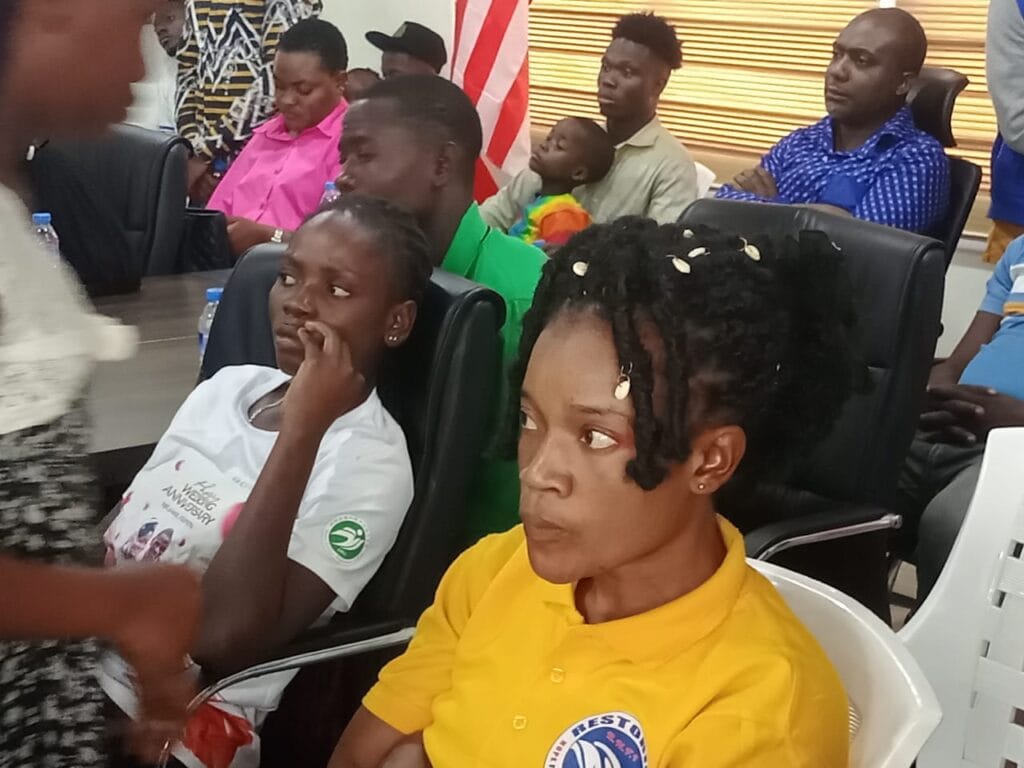
He highlighted that the establishment of the War and Economic Crimes Court, along with an Anti-Corruption Court, is a crucial step toward achieving accountability and healing for the nation.
As specified in the recommendations of the Truth and Reconciliation Commission (TRC), the proposed courts will focus on addressing corruption and economic crimes that occurred between 1979 and 2003.
The session concluded with an invitation for participants to engage in group discussions. Attendees were encouraged to use civil discourse and evidence-based arguments when reflecting on key aspects of the lecture.
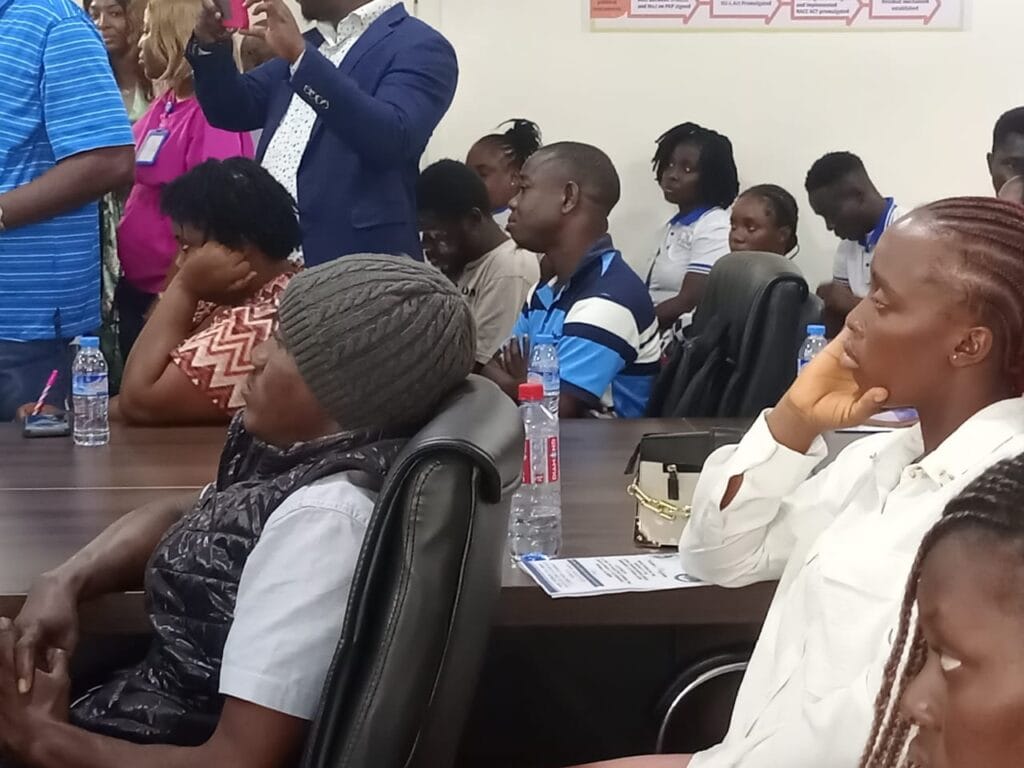
Among the topics explored were the creation of a Reparation Trust Fund for victims of conflict, which aims to provide direct financial assistance and development programs, as well as the construction of a national monument to honor the victims of wartime atrocities.
The reflections on the Accra Comprehensive Peace Agreement serve as a poignant reminder of Liberia’s tumultuous past and the ongoing efforts to build a future grounded in integrity and justice.
The establishment of these new judicial frameworks and community engagement initiatives signifies a commitment to ensuring that the lessons of the past guide the nation towards a more peaceful and accountable future.