-Enforce Judgments, Invest in Students and Everyday People
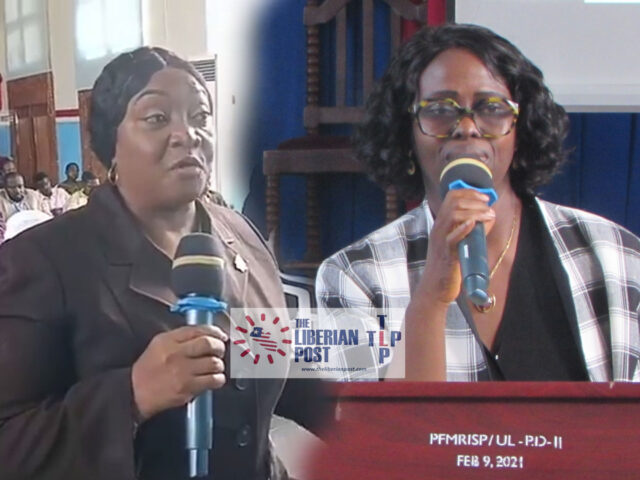
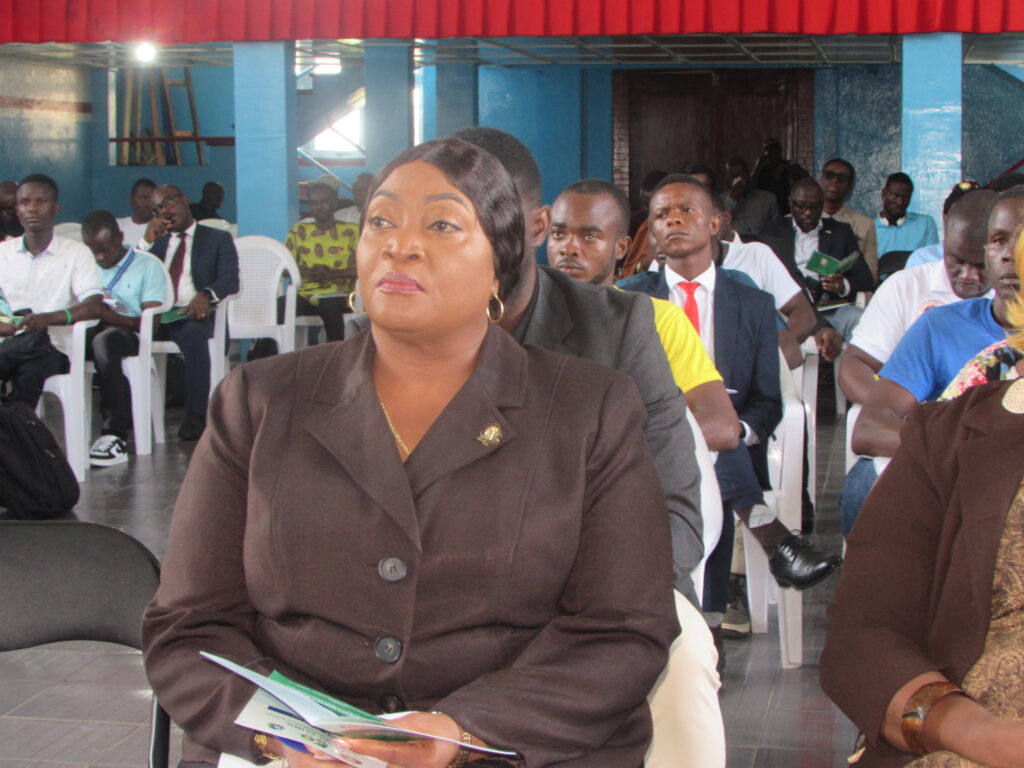
MONROVIA, Liberia — Cllr. Dr. Niveda Ricks, Assistant Professor and Dean of the Louis Arthur Grimes School of Law, and former Vice President Jewel Howard‑Taylor on Thursday, November 13, used the ECOWAS Community Court of Justice’s first outreach to Liberia to deliver a pointed, two‑pronged challenge: turn visibility into sustained impact and secure the political will needed to enforce the Court’s binding judgments across West Africa.
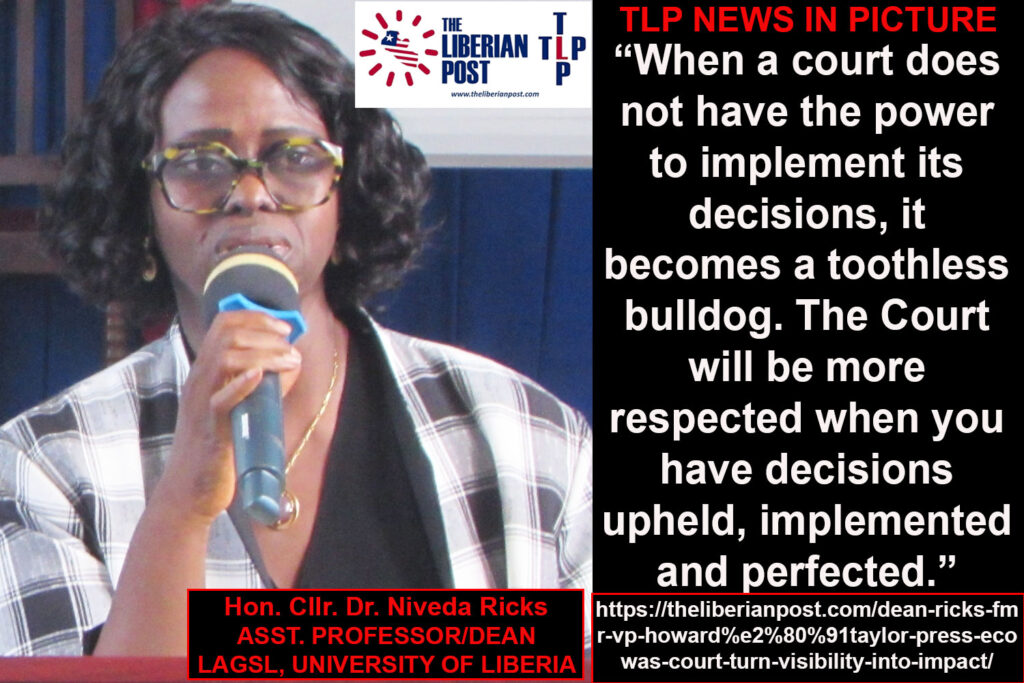
“This symbolizes another stage of interactions—a stage of involvement,” Dr. Ricks told a packed hall of lawyers, students, and members of the public at the University of Liberia. “Liberians are really being recognized in this Court, not only as one of the oldest and complying members, but also as a member that should benefit from all the possibilities—career, information, awareness.” But she warned that legitimacy rests on compliance. “When a court does not have the power to implement its decisions, it becomes a toothless bulldog,” she said. “The Court will be more respected when you have decisions upheld, implemented and perfected.”
Howard‑Taylor, speaking moments later, directly tied enforcement to political leadership. “The Court needs to work with the political leadership in the region so that it doesn’t become [a] toothless bulldog,” she said. “I know here in Liberia, people have taken advantage of the Court. They’ve gotten judgements and nothing has happened. But the fact is, there is another recourse beyond this Supreme Court which gives party litigants another level of comfort… If it doesn’t work out in this jurisdiction, I can still seek relief from the ECOWAS Court.”
A practical agenda for impact
Dr. Ricks offered concrete proposals to turn the Court’s more than two-decades visibility into everyday relevance:
- Put the Court in libraries: “Start distributing educational materials for libraries across member states… vital laws of member states, and other documents that will be vital for students. Let students find your presence there.”
- Sponsor and bond students for service: Create scholarships across West Africa with a training‑to‑service obligation. “These students will be trained with the intent of having the kind of personnel that the Court really needs.”
- Make engagement routine, not rare: “We see you today; we don’t see you again until the next 50 years. What happens between?… I’m a realist. We will forget about you.” She proposed annual programs that keep relationships alive.
- Engage police leadership: “Have some kind of contact with police commissioners around member states,” she urged, noting many rights violations begin at arrest. Regular check‑ins and updates on laws could prevent abuse at the source.
- Institutionalize a regional moot court: “Let’s try to start it,” she said—an annual Abuja moot with law schools from across the region to build the pipeline of ECOWAS‑ready advocates.
Howard‑Taylor framed the same ambition as a test of regional reintegration. “We hope we’ll go beyond the fact of concluding that the Court’s mandates are not heard into compliance because this is what the whole ECOWAS region is all about,” she said. “How do we live together in peace and unity with rights and responsibilities on both sides?”
Outreach meets enforcement gap
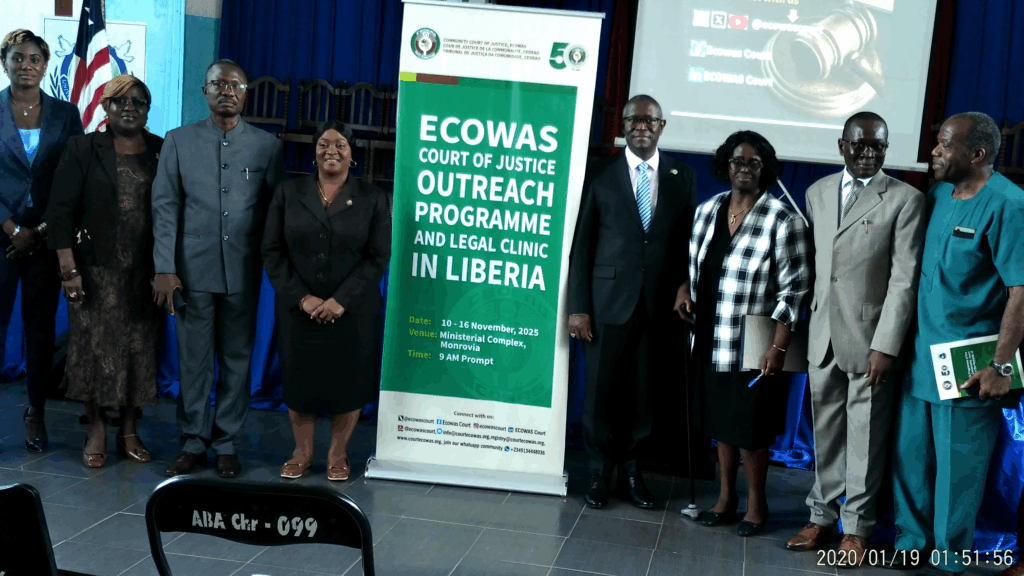
The ECOWAS Court delegation is in Liberia November 10–16, paying courtesy calls on President Joseph Nyuma Boakai, Foreign Minister Sara Beysolow‑Nyanti, Chief Justice Yamie Quiqui Gbeisay, Justice Minister N. Oswald Tweh, Vice President Jeremiah Kpan Koung, House Speaker Richard Nagbe Koon, the Liberia National Bar Association, and the Independent National Human Rights Commission. Liberia is the only ECOWAS state to have signed nearly all Court protocols.
During this first outreach workshop, the Court unveiled an Electronic Case Management System (ECMS) for 24/7 e‑filing and hybrid hearings, and promoted a regional moot competition—moves designed to widen access and legal capacity. Dr. Ricks welcomed the upgrades but said technology must be matched by politics. “Member states must ensure their commitment to the Court is also met,” she said. “Fifty years of existence, not really implementing your mandate… everybody just thinks that the Court is there.”
A court for everyday people
Both speakers insisted the Court must belong to ordinary citizens as much as to elites. “This Court is not a court only for one part of West Africa. It is for the whole of West Africa,” Dr. Ricks said. “Ensure your presence is not only seen but felt… not only [by] the upper class or those who have political powers.” Howard‑Taylor agreed the Court’s value lies in the comfort it gives litigants that a rights‑based forum exists “beyond this Supreme Court,” provided states ultimately comply.
Why it matters
Under the 2005 Supplementary Protocol, ECOWAS citizens can sue member states directly for human‑rights violations attributable to the state, and the Court’s judgments are binding. Liberia’s unique status—and past judgments that still draw scrutiny for partial compliance—puts the country in the spotlight to lead by example.
The closing note from both women mixed welcome with warning. “We are grateful. We are willing to work with you,” Dr. Ricks said. “We are looking forward to seeing you again, hearing about you again—and not waiting for the next 50 years.” Howard‑Taylor added a stateswoman’s thanks and a nudge: “Thank you so much for coming.” Now, she suggested, turn mandates into compliance—and visibility into impact.