MONROVIA – In a decisive move towards enhancing fiscal discipline and bolstering community empowerment, the House of Representatives (HOR) has mandated its joint committees on Judiciary, Ways and Means, Mines & Energy, Commerce, Banking & Currency to undertake a comprehensive review of two significant pieces of legislation.
The two bills in question are the Liberia Future Generations Extractive Savings Fund Act of 2025 and the National Community & MSME Stimulus Bill of 2026.
Lawmakers believe these initiatives are crucial for ensuring sustainable economic development and supporting the nation’s marginalized sectors.
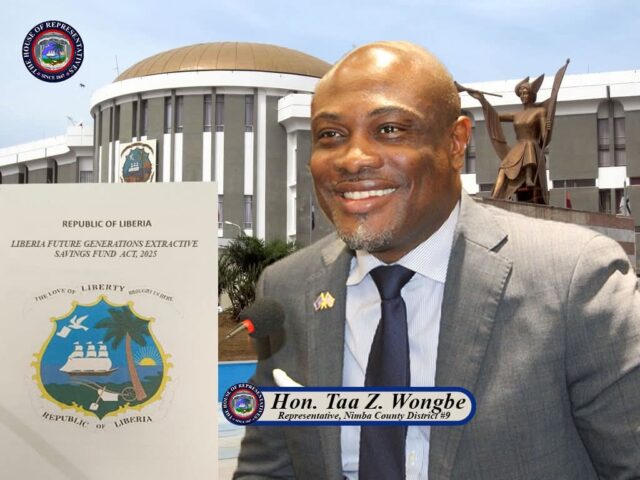
The Liberia Future Generations Extractive Savings Fund Act of 2025 seeks to safeguard the economic future of the country by mandating that 10 percent of all extractive revenues be allocated to a protected national fund.
This strategic initiative is designed to promote intergenerational equity and mitigate the potential adverse effects of commodity shocks, ensuring that the wealth generated from Liberia’s natural resources benefits not just the current population but also future generations.
In parallel, the National Community & MSME Stimulus Bill, introduced by Nimba County District #9 Representative Taa Wongbe, aims to allocate US $10 million in the Fiscal Year 2026 National Budget specifically to support micro, small, and medium enterprises (MSMEs), women’s groups, and farmer cooperatives across all 73 districts of Liberia.
This funding is expected to empower local communities, spur economic growth, and bolster resilience among grassroots businesses as they recover from recent economic challenges.
During the session, members of the HOR expressed unanimous support for both bills, highlighting the pressing need for legislative action that prioritizes the welfare of Liberians, particularly those in vulnerable sectors.
Representative Taa G Wongbe emphasized the importance of building a robust support system for entrepreneurs and community initiatives, which play a vital role in the nation’s economic landscape.
The joint committees are now tasked with dissecting the implications and frameworks of these bills, ensuring they align with the country’s broader economic goals.
The reviews are anticipated to generate recommendations that could strengthen the legislation before it is presented for a full House vote.
As Liberia continues to navigate its path towards sustainable development, these initiatives exemplify a commitment to responsible governance and proactive measures that seek to uplift communities and secure a prosperous future for all citizens.
The proceedings in the coming weeks will be closely monitored by a public eager to see tangible progress in legislative efforts aimed at fostering economic equity and resilience. The HOR’s swift action serves as a reaffirmation of its role in advocating for policies that resonate with the needs and aspirations of the Liberian populace, setting a precedent for collaborative governance focused on economic empowerment and sustainability.