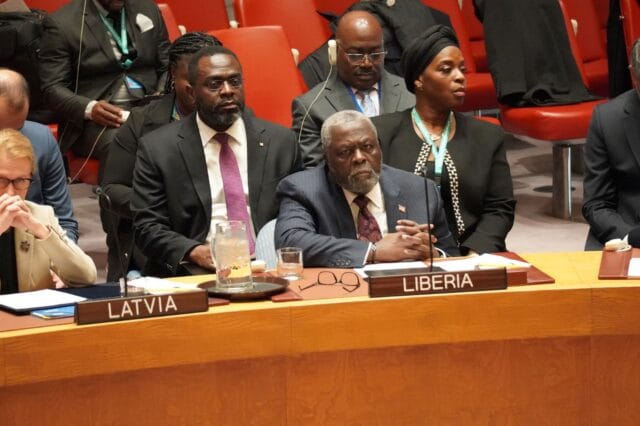
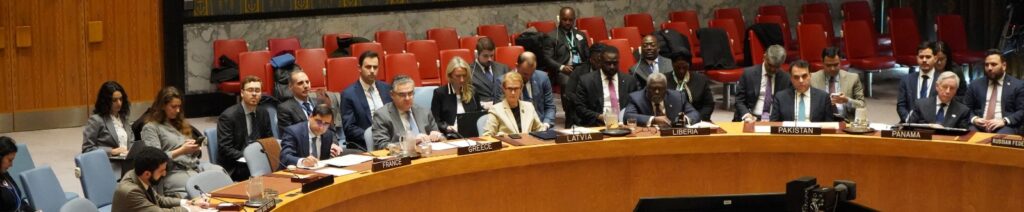
NEW YORK, USA — The A3 members of the United Nations Security Council—comprising the Democratic Republic of the Congo, Somalia, and Liberia—have reiterated their firm condemnation of the use of chemical weapons “anywhere, by anyone, and under any circumstances,” while welcoming recent signs of progress in cooperation between the Syrian authorities and the global chemical weapons watchdog.
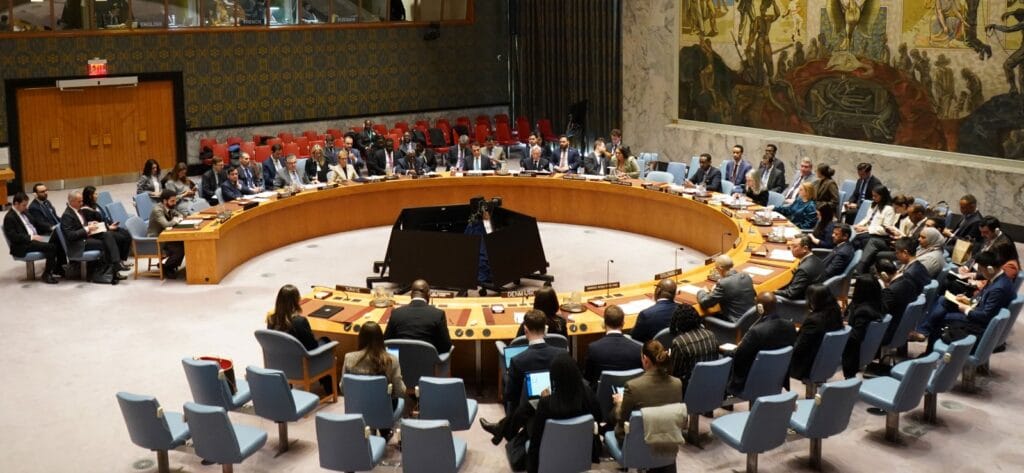
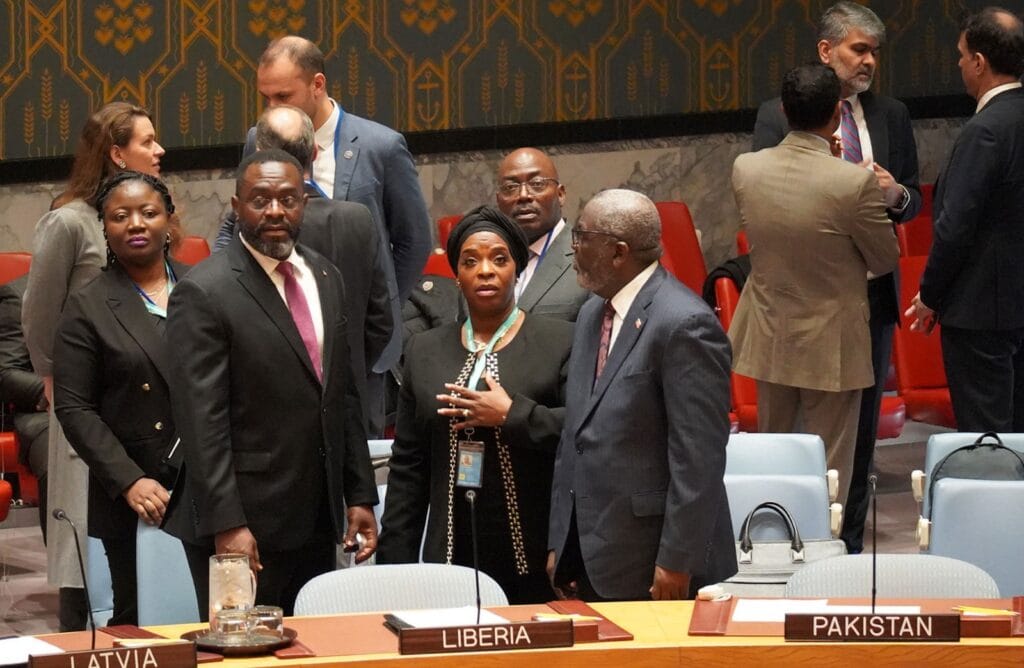
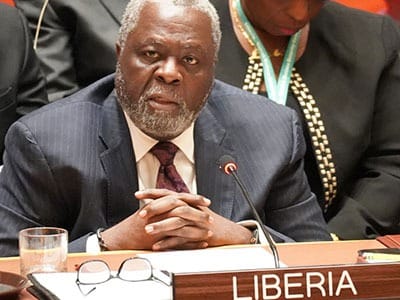
Delivering the statement on behalf of the A3 at the 10,086th meeting of the UN Security Council, Liberia’s Permanent Representative, Lewis G. Brown, underscored the group’s “unwavering commitment” to the full implementation of the Chemical Weapons Convention (CWC) under the Council’s agenda item on the situation in the Middle East.
The A3 thanked the Deputy High Representative for Disarmament Affairs, Adedeji Ebo, for his briefing and welcomed the broad participation of Council members and observers, stressing that accountability, cooperation, and verification remain central to upholding the integrity of the CWC.
Welcoming Confidence-Building Measures
In their statement, the A3 took note of the UN Secretary-General’s latest letter, which highlights continued progress in the implementation of Security Council Resolution 2118 (2013) and improved engagement between Syria and the Organisation for the Prohibition of Chemical Weapons.
Ambassador Brown said the A3 welcomed confidence-building developments referenced in the report, including the OPCW Director-General’s visit to Damascus, the reorganization of Secretariat activities through the Office of the Special Missions, and new agreements on privileges and immunities for OPCW personnel.
“These steps demonstrate the value of sustained engagement and pragmatic arrangements in advancing technical objectives,” the A3 noted, describing the measures as critical to rebuilding trust and facilitating effective verification work.
Progress and Outstanding Concerns
The A3 also welcomed recent OPCW deployments that reportedly enjoyed unprecedented access and cooperation, including the collection of new documents and samples. The group acknowledged the submission by Syrian authorities of a Concept Plan outlining the destruction and verification of remaining chemical weapons, describing it as a “constructive basis for further technical engagement.”
At the same time, the A3 stressed that significant work remains. The group voiced support for the ongoing efforts of the OPCW Technical Secretariat to address outstanding issues, including concerns over potentially undeclared chemical warfare agents, munitions, and additional sites that may have been involved in chemical weapons-related activities.
The A3 emphasized that these sensitive matters must be pursued through “professional, impartial, and technically grounded mechanisms,” including the Office of Special Missions.
Security Incidents and Regional Stability
Ambassador Brown conveyed the A3’s deep concern over recent security incidents—some reported as recently as July 2025—that disrupted OPCW activities on the ground. The group warned that such incidents undermine international verification efforts and risk prolonging a file that has remained open for more than a decade.
Calling for restraint, the A3 urged all parties to avoid actions that could escalate tensions or compromise verification work, stressing that respect for territorial integrity is essential to regional stability and the protection of civilians.
The group also highlighted the continuing threat posed by terrorist organizations such as Da’esh, cautioning that any lapse in control could risk chemical weapons falling into the hands of non-state actors.
Call for Sustained Cooperation
In closing, the A3 outlined four essential conditions for achieving the complete and irreversible elimination of chemical weapons in Syria: an end to actions that undermine verification; full and sustained cooperation between Syria and the OPCW; adequate international funding and technical support; and strict adherence to international humanitarian law, including the protection of civilians.
The A3 encouraged continued dialogue between Syria and the OPCW, backed by consistent international support, to permanently close the chemical weapons file and reinforce global norms against the use of such weapons.
The statement marked Liberia’s latest high-profile intervention on the Security Council, underscoring the role of African members in shaping discussions on international peace, security, and disarmament within the world’s top multilateral body.