-Government Hails 2025 MCC Scorecard Pass as Proof of Reform Momentum, Saying Failure Would Have Shut the Door on a Multi‑hundred‑million‑dollar U.S. Compact.
MONROVIA – Liberia has passed the 2025 Millennium Challenge Corporation (MCC) scorecard, putting the country back in serious contention for a second U.S. compact after years of stalled engagement and steep reductions in American aid.
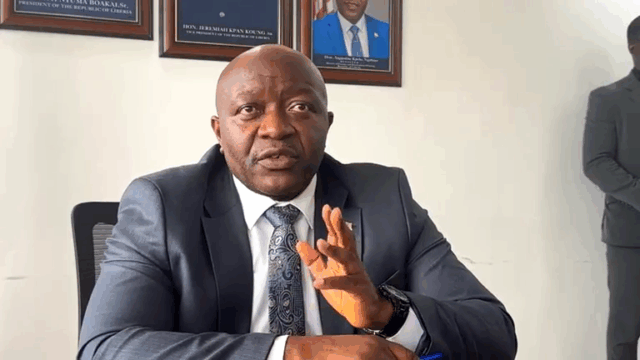
Finance and Development Planning Minister Augustine Kpehe Ngafuan (acting as chief spokesperson on the process) says the pass marks a decisive turnaround for a country that, until recently, was in danger of falling completely off the MCC’s radar.
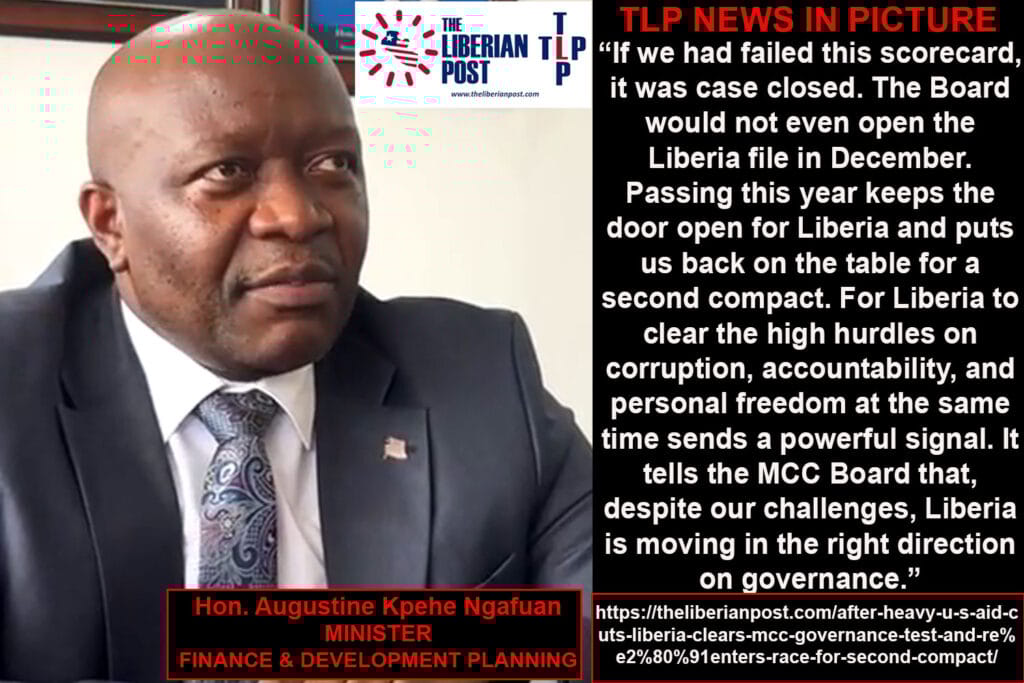
“If we had failed this scorecard, it was case closed,” Ngafuan warned. “The Board would not even open the Liberia file in December. Passing this year keeps the door open for Liberia and puts us back on the table for a second compact.”
Liberia Passes 12 of 22 Indicators – Including the “High Hurdles”
According to Min. Ngafuan, Liberia passed 12 out of 22 MCC indicators, including all three so‑called “high‑hurdle” benchmarks that heavily influence the MCC Board’s decisions:
- Control of Corruption
- Government Effectiveness / Accountability
- Political Rights & Civil Liberties / Personal Freedom
These governance and freedom indicators are widely viewed as the toughest tests for countries seeking large‑scale MCC grants.
“For Liberia to clear the high hurdles on corruption, accountability, and personal freedom at the same time sends a powerful signal,” Ngafuan said. “It tells the MCC Board that, despite our challenges, Liberia is moving in the right direction on governance.”
The 2025 scorecard is the key document the MCC Board of Directors will review at its December meeting, where it will decide which countries are newly selected, re‑selected, or dropped from consideration for compact funding.
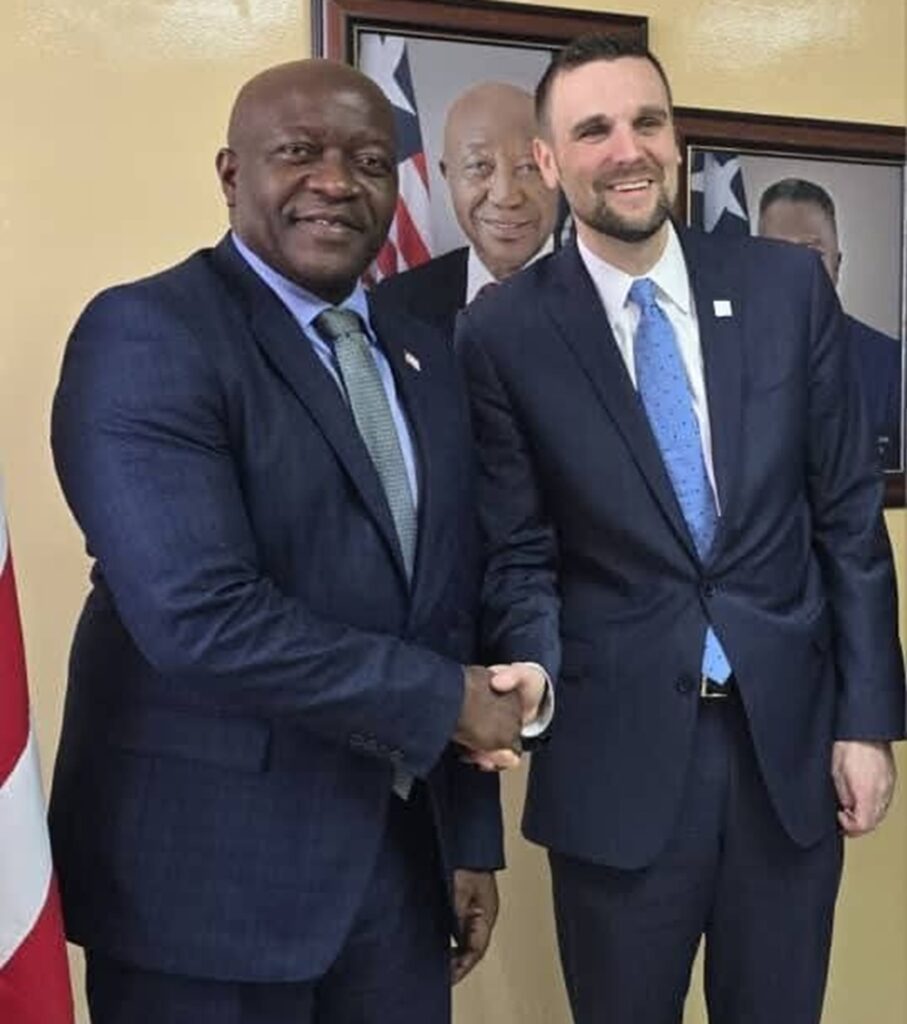
From Aid Slowdown to “Back on the Radar”
Ngafuan placed Liberia’s performance squarely against the backdrop of a sharp contraction in U.S. assistance and a years‑long pause in the second‑compact process.
He disclosed that, over the last few years, approximately US$300 million in U.S. development support was lost or wound down, and that the number of active USAID projects dropped from 29 to just 5.
“At one point, we were practically in a wind‑down phase with our traditional partner,” the Minister explained. “Programs were closing, new ones were not starting, and the MCC second compact process was effectively frozen.”
He said reversing that trajectory has been a priority for the Boakai administration from its first days in office.
“When this government came in January, we met a process that was almost dead,” Ngafuan said. “Our job was to bring Liberia back on the radar of serious partners like the MCC. Passing this scorecard is evidence that the work is paying off.”
Liberia previously benefited from a US$257 million first compact (2015–2021) that financed the rehabilitation of the Mount Coffee Hydropower Plant, upgrades to key transmission and distribution lines, and critical road and port interventions. A second compact, if approved, could be of comparable scale, focusing on growth‑enhancing infrastructure and reforms.
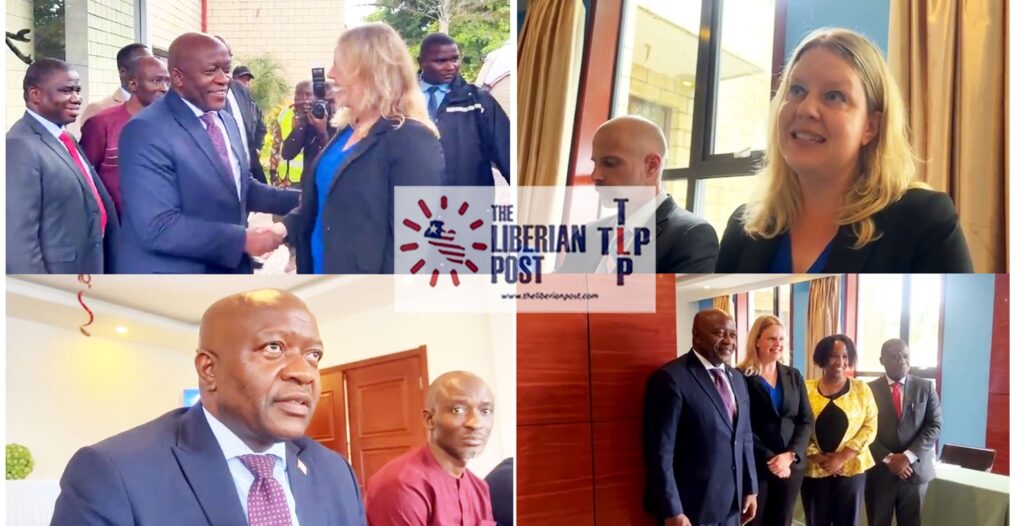
Lobbying in Washington and Monrovia
The Minister credited the improved scorecard to what he described as “sustained, high‑level engagement” with the MCC and broader U.S. government.
Over the past months, President Joseph Nyuma Boakai, Ngafuan, and Foreign Affairs Minister Sara Beysolow Nyanti have repeatedly raised the compact in meetings with MCC leadership, U.S. Treasury and State Department officials, and development partners at the World Bank/IMF Spring and Annual Meetings.
“We did not sit in Monrovia and hope for the best,” Ngafuan said. “We went to Washington, we engaged the MCC at every level, we answered hard questions, and we showed what this new administration is doing on governance, fiscal discipline, and anti‑corruption.”
He noted that, following those engagements, the MCC dispatched a two‑week technical mission to Liberia earlier this year to review reforms and potential sectors for a second compact. The MCC also maintains a country office in Monrovia, which has continued analytical work even while the compact decision was on hold.
“Their team has sat with our ministries, our state‑owned enterprises, our regulators,” he said. “They have seen the reform work from the inside, not just on paper. That matters when the Board sits in December.”

Not Selected Yet – But “Door Now Wide Open”
Ngafuan was careful to stress that passing the scorecard does not automatically mean Liberia has been awarded a compact. The final decision lies with the MCC Board, chaired by the U.S. Secretary of State, which weighs broader strategic and policy considerations.
“Let me be clear: we are not saying Liberia has received the second compact,” he cautioned. “We are saying that, by passing the scorecard, Liberia has met the minimum threshold to be seriously considered. The door that was almost closed is now wide open.”
He added that the government is preparing additional documentation and briefings to support Liberia’s case ahead of the Board’s December session.
“We are using every day between now and the Board meeting to strengthen our file—on fiscal responsibility, on reform momentum, on how a compact would transform our economy,” Ngafuan said. “We know we are competing with other countries in the region and beyond.”
Regional Context: Liberia Moves Up as Others Slip
Liberia’s pass comes at a time when several larger African economies have struggled to clear MCC governance hurdles, especially on corruption and rule of law. While Ngafuan declined to name specific countries, he suggested that Liberia’s relative performance improves its chances.
“There are countries with much bigger GDPs, bigger populations, even stronger armies that did not pass this year,” he said. “The scorecard is blind to size. It rewards seriousness about reform. On that front, Liberia has shown it is serious.”
Analysts note that, in previous years, even some long‑time U.S. partners in West Africa have failed MCC corruption and democratic governance indicators, complicating their bids for new or continued compacts.

What a Second Compact Could Mean
Although sectors have not been formally announced, Ngafuan hinted that a second compact would likely deepen investments in energy, transport, and economic transformation, building on the first compact’s infrastructure base but with stronger links to job creation and private‑sector growth.
“The MCC is not a charity fund; it is an investment fund,” he emphasized. “They want to see projects that remove the biggest obstacles to growth—whether that is power, roads, or key market infrastructure—and reforms that make those investments sustainable.”
He said the government is aligning its Medium‑Term Development Strategy and the FY2026 budget with potential compact priorities so that domestic resources and MCC financing “pull in the same direction.”
“Scorecard Is a Mirror, Not a Trophy”
While celebrating the pass, Ngafuan acknowledged that Liberia still failed 10 indicators and must avoid complacency.
“The scorecard is a mirror, not a trophy,” he said. “It shows where we are improving, but also where we are still weak—like health, education outcomes, and some regulatory areas. We have to keep pushing, whether or not the compact comes immediately.”
For now, the government is seizing on the result as both a diplomatic victory and a political vindication of its early governance push.
“This is not just about money,” Ngafuan concluded. “It is about credibility. When a rigorous institution like the MCC says Liberia is passing its corruption and governance tests, it strengthens our hand with every other partner. It tells the world: Liberia is back to serious business.”