For far too long in Liberia, menstruation has been whispered about, hidden, or treated as something shameful—especially for girls in public schools. It has quietly kept students out of classrooms, undermined confidence, and reinforced gender inequality, all while society looked the other way.
That silence is finally being challenged.
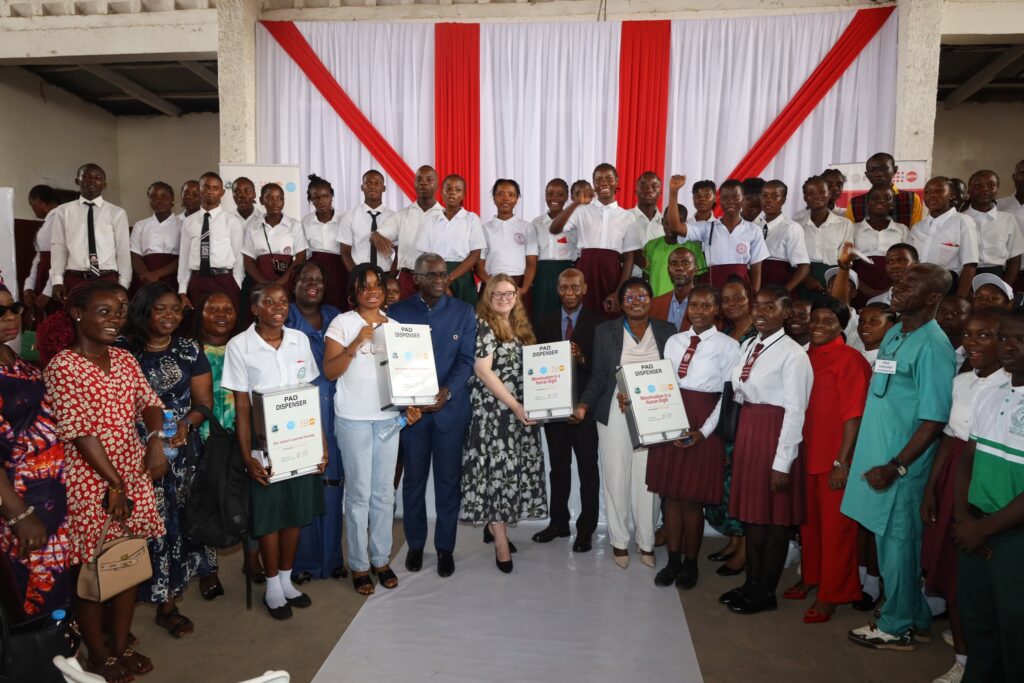
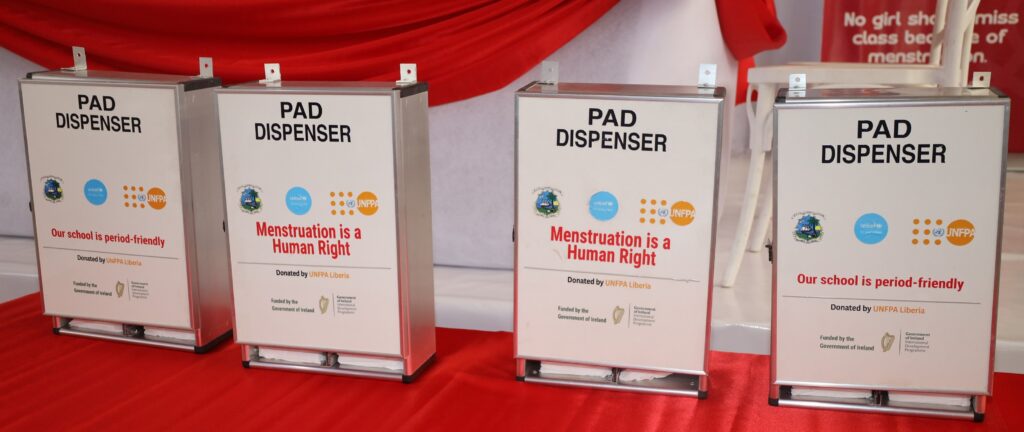
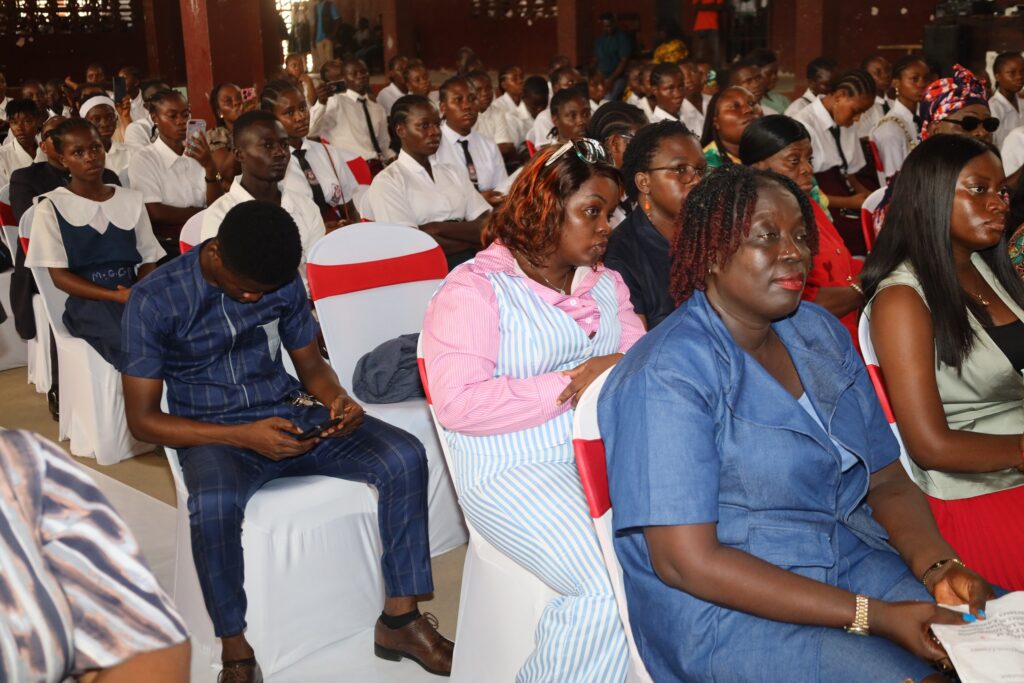
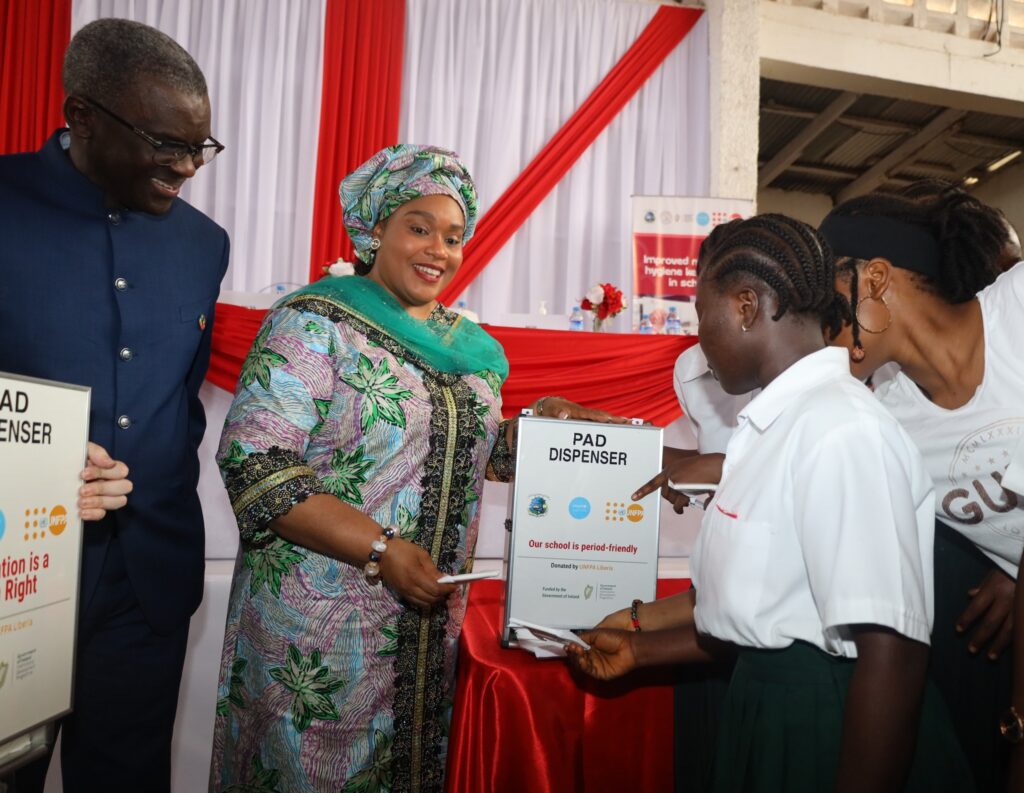
The launch of Menstrual Hygiene Management (MHM) Pad Banks in public schools by the Government of Liberia, in partnership with UNFPA, UNICEF, and with support from the Government of Ireland, is not just a development project. It is a moral statement. It says—clearly and unapologetically—that a girl’s biology must never determine her destiny.
Menstruation is not a choice. It is not a weakness. It is not a curse. It is a natural, biological reality experienced by half of the population. Yet in many Liberian communities, it has been allowed to function as an invisible barrier to education. Girls miss days of school every month because they lack access to sanitary products. Some fall behind academically. Others drop out entirely. All of this happens not because of inability or lack of ambition, but because society failed to plan for a basic human need.
That failure has consequences. When girls miss school, Liberia loses future doctors, teachers, engineers, entrepreneurs, and leaders. Period poverty is not a “girls’ issue”; it is a national development issue.
The pad bank initiative directly confronts this injustice. By ensuring discreet and reliable access to menstrual products in schools, Liberia is sending a powerful message: girls belong in classrooms every day of the month. The symbolism matters. When a state invests in menstrual dignity, it invests in equality, confidence, and opportunity.
But this moment must be more than ceremonial.
Pads alone will not end stigma. True progress requires education—open, honest conversations about menstruation that include boys, teachers, parents, and communities. Silence breeds shame. Knowledge breeds respect. If boys understand menstruation as normal, girls will no longer feel embarrassed. If parents speak openly, daughters will no longer suffer quietly. If schools plan intentionally, no student will be forced to choose between dignity and education.
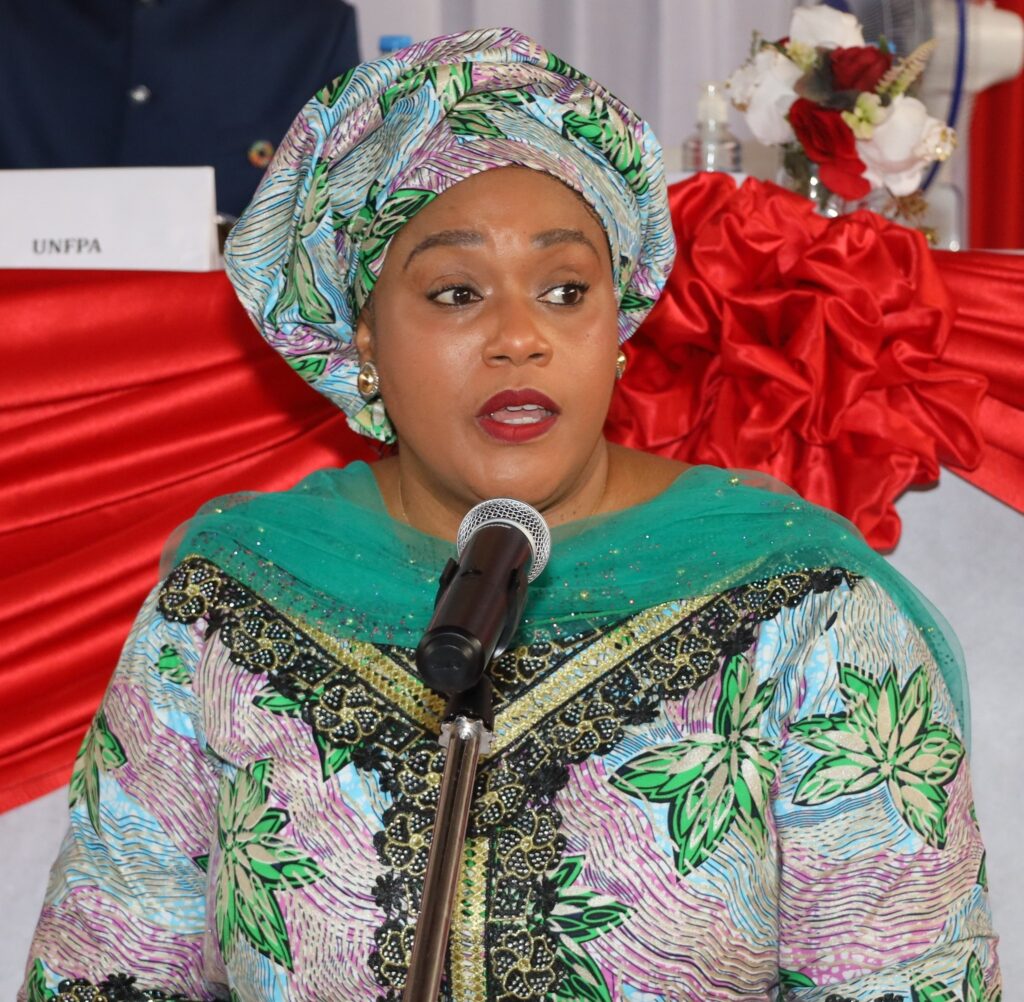
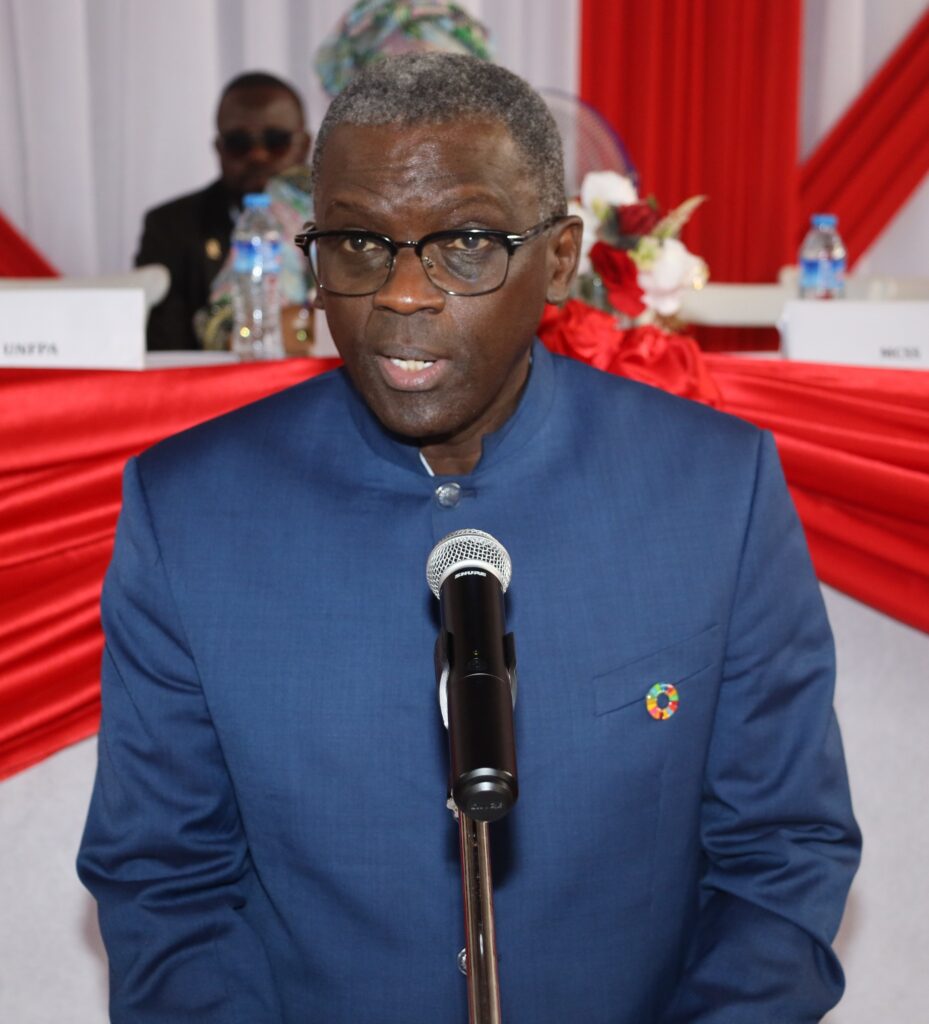
Minister of Education Jarso Jallah was right to emphasize that this initiative is not about machines on walls. It is about justice. It is about designing schools around the real lives of learners. And it is about acknowledging that equity sometimes requires targeted solutions.
Liberia’s cultural norms must evolve. Tradition should never be an excuse for harm. A society that cannot speak openly about menstruation cannot fully empower its girls.
The involvement of international partners is commendable, but the long-term responsibility rests with Liberia. Sustainability—through local production of reusable pads, consistent supply chains, and budgetary commitment—must be prioritized. Ending period poverty cannot depend solely on donor cycles; it must be embedded in national policy and school health systems.
This initiative also challenges us as citizens. Will we continue to joke, mock, or stay silent about menstruation? Or will we choose empathy, education, and action?
The launch of menstrual pad banks is a step forward—but it must be followed by many more steps. Steps toward openness. Steps toward dignity. Steps toward a Liberia where no girl’s future is disrupted by something so natural and so preventable.
Breaking taboos is never easy. But progress rarely is.
Liberia has started the conversation. Now it must finish the work.
Follow The Liberian Post on Facebook and X (formerly twitter)