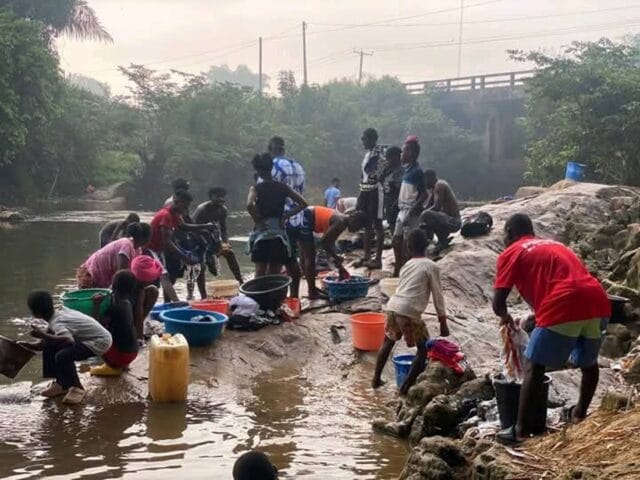
MORRIS’ FARM, TODEE DIST., Rural Montserrado County — For the more than 9,000 residents of Morris Farm, Todee District, Montserrado County, access to safe drinking water remains an everyday struggle, forcing families to depend on the Du River for survival and exposing the community to serious public health risks.
At dawn and again at dusk, long lines form along the riverbank as children, women, and the elderly collect water for drinking, cooking, bathing, and washing. With only a few aging hand pumps serving the entire community, most households have little choice but to rely on the river—despite widespread concerns about contamination and disease.
Residents say the situation has persisted for years, but frustration has deepened amid claims that campaign promises made by their lawmaker, Rugie Yatu Barry, have not translated into tangible improvements. Community members argue that access to clean water was a central pledge during elections, yet conditions on the ground remain unchanged.
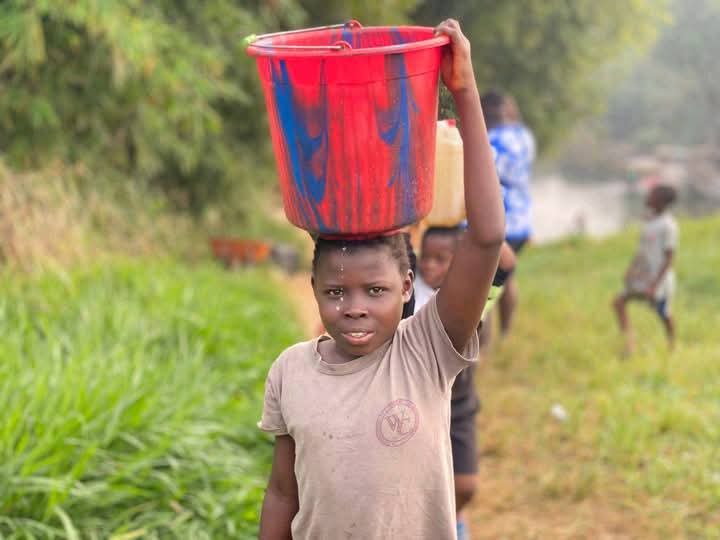
“The river is our only option,” said one mother of four, who walks several kilometers daily with her children to fetch water. “We know it is not safe, but what choice do we have?”
The health implications are stark. Using a single water source for multiple domestic activities increases the risk of waterborne illnesses such as diarrhea, typhoid, and cholera. Local residents report frequent sicknesses, particularly among children, pregnant women, and the elderly—those least able to withstand preventable diseases.
Beyond health concerns, the water crisis is taking a social toll. School-aged children often miss classes or arrive late after spending hours fetching water, undermining their education and future prospects. For women and girls, the burden of water collection consumes time that could otherwise be spent on income-generating activities or schooling.
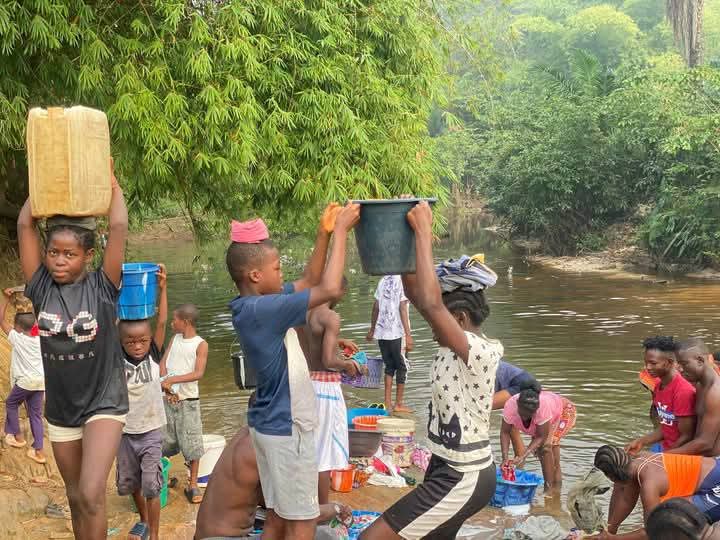
Community leaders are also questioning the response of the Water and Sanitation and Hygiene Commission, which is mandated to improve access to safe water nationwide. They say Morris Farm Todee has been overlooked despite its growing population and worsening conditions.
“This is not just an inconvenience—it is a humanitarian issue,” a community elder said. “Clean water is a basic right, not a privilege.”
Residents are now appealing directly to government authorities and development partners to intervene urgently. They are calling for sustainable solutions, including additional hand pumps, protected wells, or a modern water system that can meet the community’s needs.
As the dry taps persist and reliance on the Du River continues, Morris Farm Todee waits for action—hoping that long-standing promises will finally give way to clean, safe water and a healthier future for the community.