By Jacqueline L. Dennis
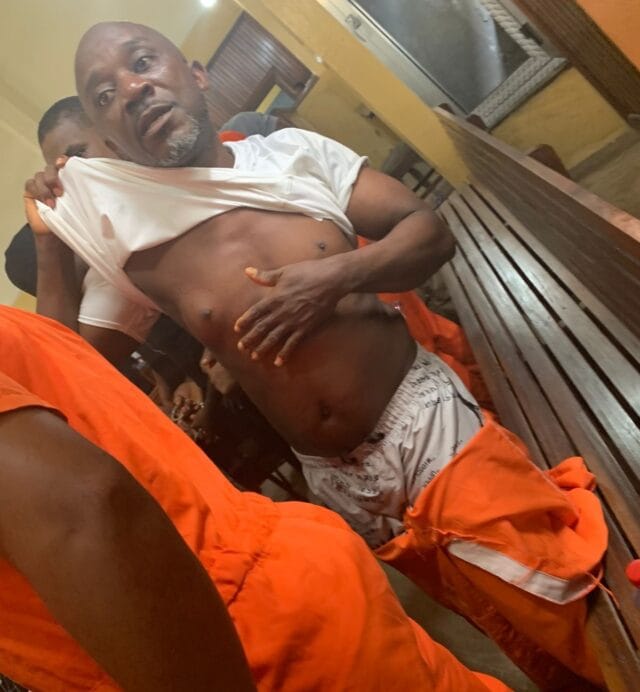
MONROVIA – In a dramatic turn in the high-profile Capitol arson case involving former House Speaker J. Fonati Kofa and five other defendants, Criminal Court “A” Judge Roosevelt Z. Willie has ordered that the other accused with them undergo medical examinations following allegations of torture and sodomy while in state custody.
At the same time, the court denied a defense motion for the trial to be live-streamed, citing established judicial protocols and potential reputational risks to the court.
Medical Exams Ordered Over Alleged Abuse in Custody
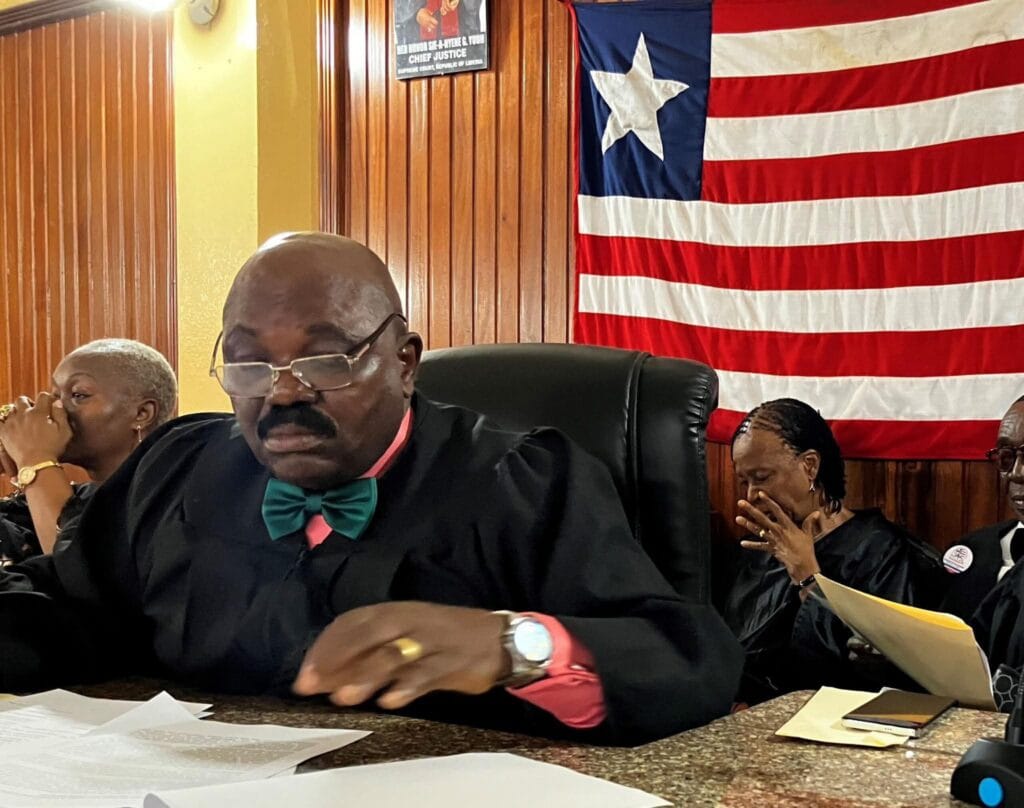
Judge Willie issued the ruling on Thursday, September 4, following a defense motion to suppress evidence, which included claims that the defendants were abused—both physically and sexually—while detained. The defense alleged that their clients were sodomized and subjected to torture, in violation of their fundamental rights.
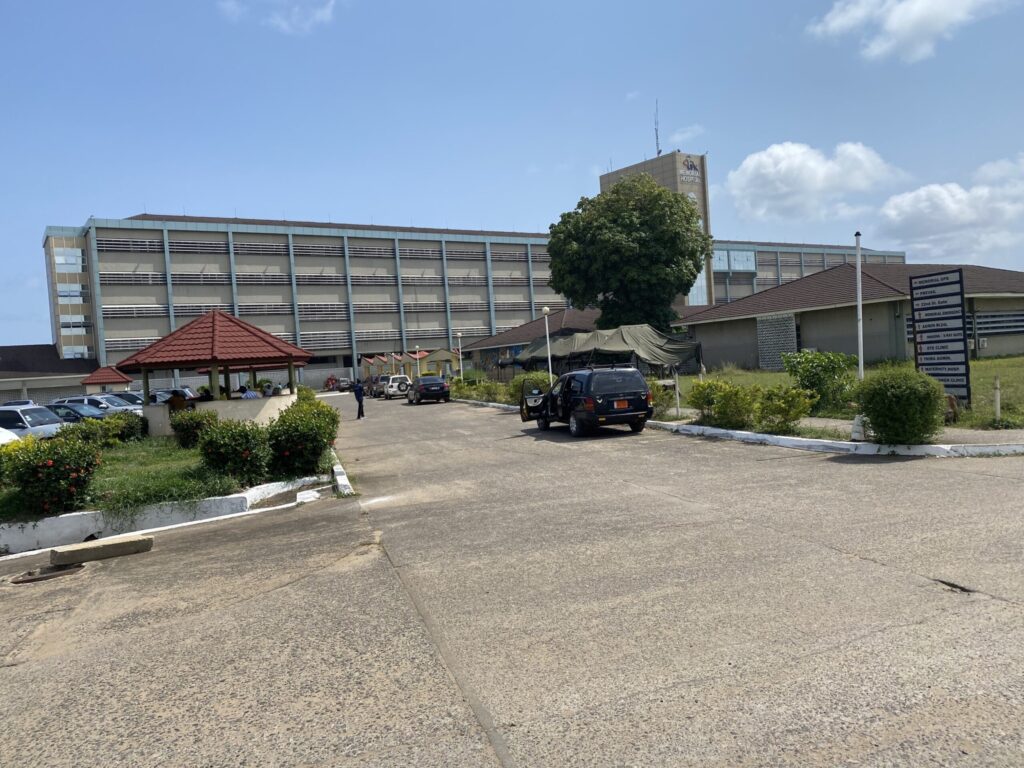
The court has instructed that medical examinations be conducted at the John F. Kennedy Medical Center (JFK), and, where applicable, at the Monrovia Central Prison, with the court mandating full cooperation from relevant authorities. The medical reports are to be submitted no later than Tuesday, September 9, 2025.
Defense Objects to Use of Government Hospital
While the court approved the medical examination, the defense counsel raised objections to the use of JFK, a government-run facility, arguing that it could compromise the impartiality of the results. They have called for the appointment of an independent medical examiner or psychiatrist, particularly to investigate the more serious allegations of sodomy and torture.
“The defense agrees to the medical examination but insists that an independent expert should conduct it,” Judge Willie acknowledged in court. The judge noted the defense request but did not change his order.
Live Streaming Request Denied
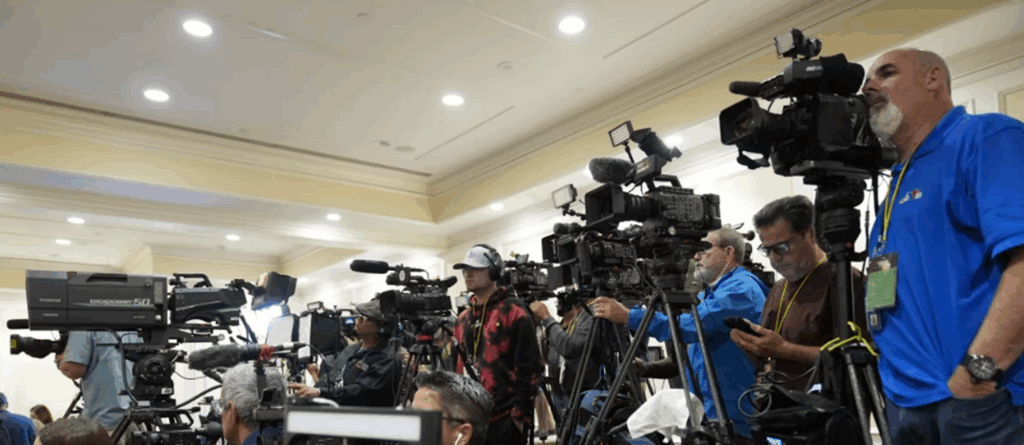
In a separate motion, the defense petitioned the court to permit live streaming or media recording of the entire trial, citing public interest and the need for transparency. They argued that the Supreme Court has previously allowed live broadcasts, especially during election-related cases, and that the same principle should apply in this landmark trial.
However, Judge Willie denied the application, referencing rules established under the Supreme Court during the tenure of former Chief Justice Gloria Musu Scott, which prohibit such media coverage in criminal trials.
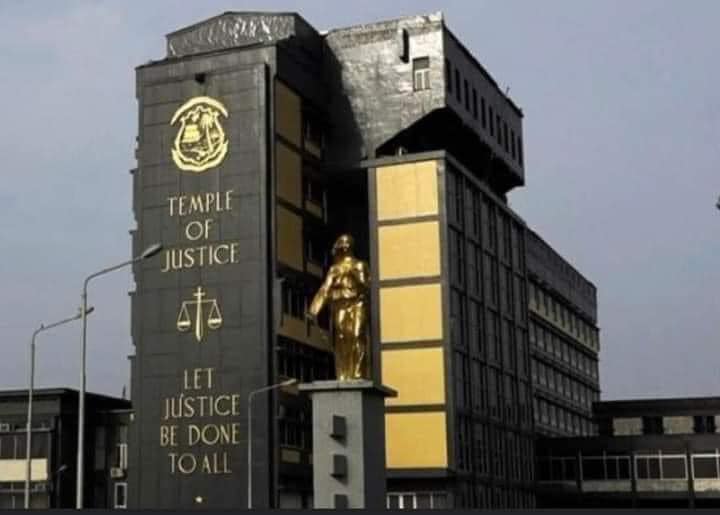
“To violate these rules would risk bringing the court into disrepute,” Judge Willie said, emphasizing the importance of judicial consistency over time.
Next Steps The court is expected to issue a final ruling on the defense’s motion to suppress evidence on Wednesday, September 10, 2025. That decision could significantly shape the trajectory of the case, which has attracted intense national scrutiny due to the stature of the defendants and the explosive nature of the charges.