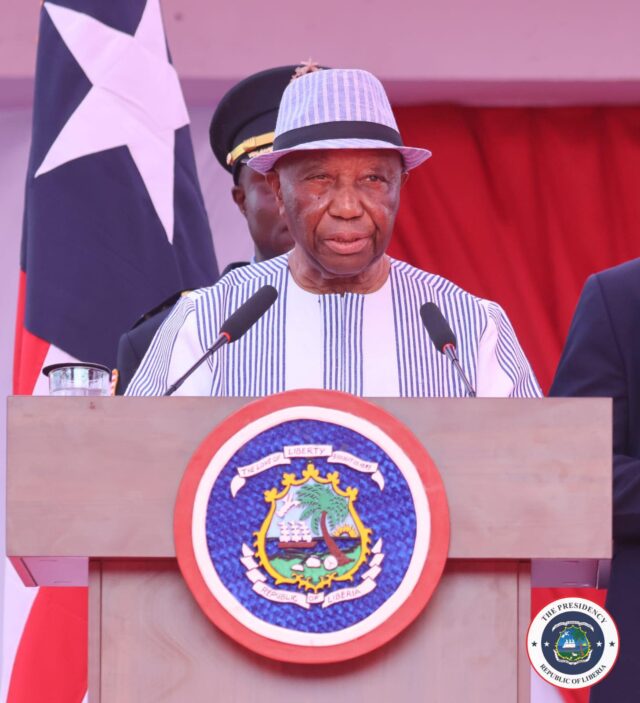
MONROVIA, Liberia — January 26, 2026 — President Joseph Nyuma Boakai Sr. delivered his 2026 Annual Message to the 55th Legislature on Monday against a backdrop of renewed legal uncertainty in the Capitol Building arson case—an emblematic test of his administration’s pledge to uphold accountability and the rule of law.
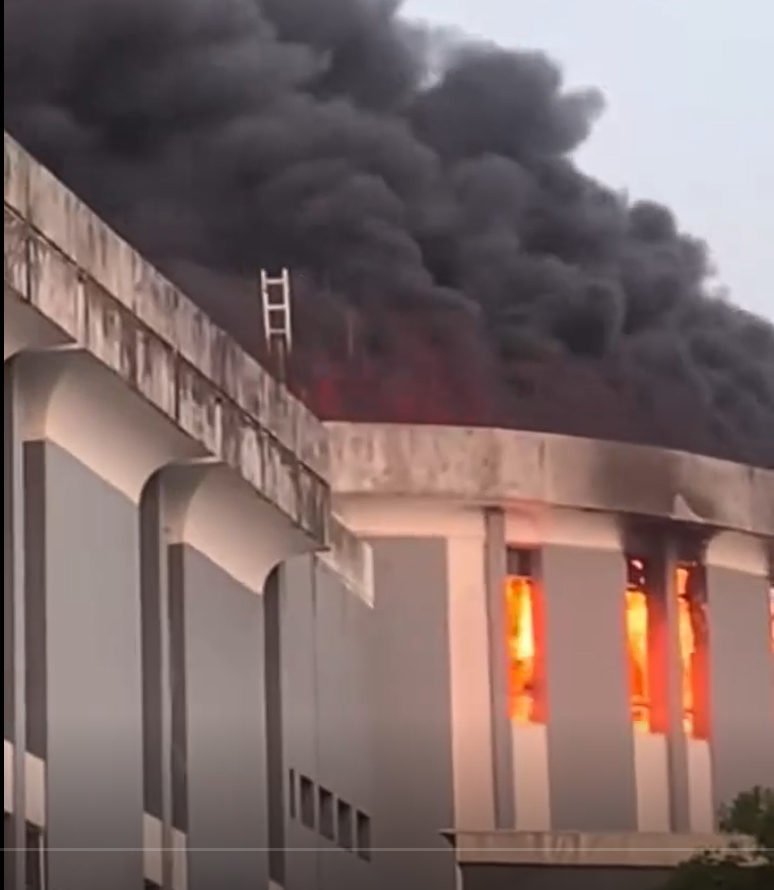
For a second consecutive year, the President addressed lawmakers outside the damaged Capitol, displaced since the December 2024 arson attack. Calling the site “a painful reminder of an attack not just on a building, but on Liberia’s democratic foundations,” Boakai vowed that anyone found guilty would “face the full force of the law,” seeking to steady public confidence amid court delays and setbacks.
Mistrial Resets High-Profile Case
The speech unfolded weeks after a major procedural disruption. On January 2, 2026, Criminal Court “A,” presided over by Resident Circuit Judge Roosevelt Z. Willie, declared a mistrial, citing “manifest necessity” following an emergency that interrupted proceedings. The ruling dissolved the jury panel and cleared the way for a new trial.
While the court underscored that a retrial is permitted, the decision effectively reset a case many Liberians view as a defining barometer of the government’s capacity to deliver justice in politically sensitive matters.
The mistrial followed a prosecution motion filed December 29, 2025, seeking dismissal of the jury over concerns of possible compromise. Prosecutors referenced an incident in which a juror—after requesting a replay of video evidence—posed a question to a prosecution witness about a defendant’s identity shown in the footage. The juror’s observation regarding the individual’s appearance raised concerns about improper discussions.
Defense counsel disputed the prosecution’s claims, arguing the questions did not amount to misconduct and that no evidence showed jurors violated law or court instructions. They accused the state of undermining the jury in the face of a weakening case. Judge Willie’s ruling did not adopt either side’s arguments, grounding the mistrial instead in procedural necessity—fueling debate over whether stricter courtroom management could have avoided the collapse of the trial.
Bail Bid and Judicial Restraint
Following the mistrial, defense lawyers petitioned the court to admit the defendants to bail, citing the termination of the trial, an approved criminal appearance bond, the prior vetting of human sureties, and the prosecution’s full disclosure of evidence during the aborted proceedings—factors they said reduce flight risk or obstruction.
President Boakai has maintained public restraint, emphasizing judicial independence and avoiding commentary on the specifics of the mistrial while reiterating his administration’s commitment to accountability. Framing his second-year priorities under the theme “From Resolve to Results,” he pledged reform, results-driven governance, and respect for constitutional order.
Why It Matters
The Capitol arson prosecution has become a crucible for Liberia’s justice system. The eventual retrial will be scrutinized not only for its verdict but for its fairness, efficiency, and transparency. Any further missteps could erode hard-won gains the administration claims in restoring trust in institutions.
For now, the continued use of the Capitol courtyard is a daily reminder of unfinished business—a democracy functioning under strain, awaiting closure. Whether Boakai’s pledge that Liberia is “moving forward” is judged credible may ultimately hinge on whether justice in the Capitol case is delivered decisively, impartially, and without further delay.
Follow The Liberian Post on Facebook and X (formerly twitter)