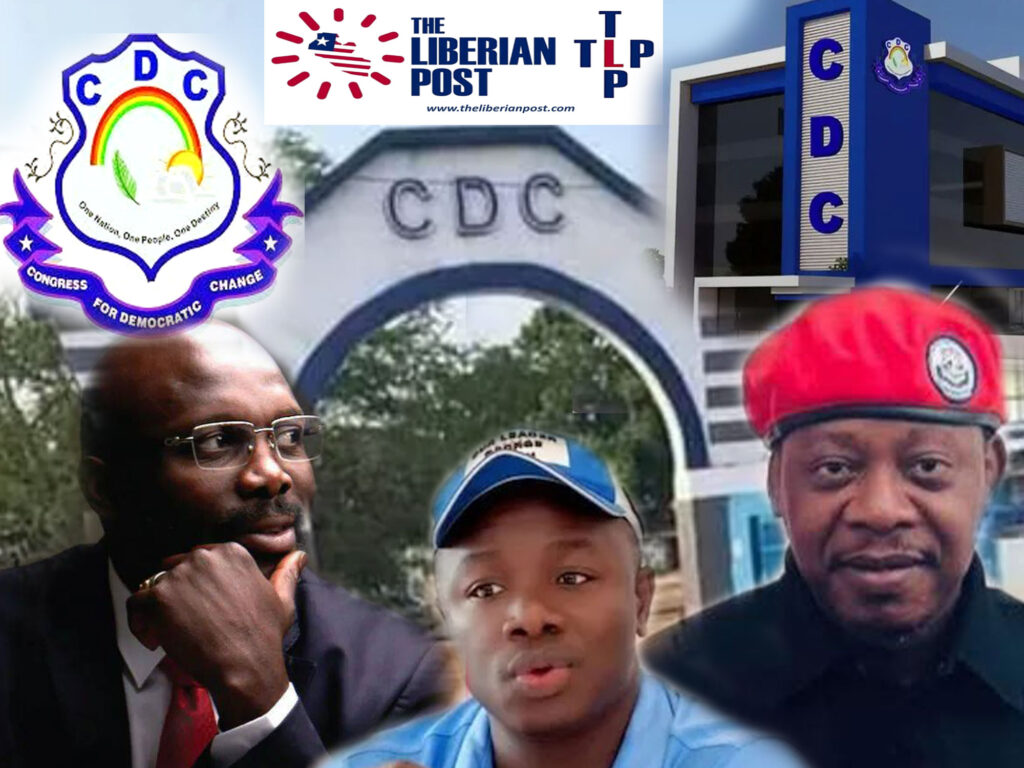
MONROVIA, Liberia — The opposition Coalition for Democratic Change (CDC) on Friday, November 7, escalated its criticisms of President Joseph Nyuma Boakai’s Unity Party (UP) administration, accusing it of “deceptive tactics,” weaponizing the justice system against opponents, and engaging in “extravagant” foreign travel while living costs remain high.
In a two‑page statement signed by National Chairman Janga A. Kowo and dated November 7, 2025, the CDC linked its warning to the anniversary of “Bloody Monday,” November 7, 2011, when security forces under a prior Unity Party government violently dispersed a CDC rally near party headquarters; rights monitors reported deaths and injuries. The CDC said it “stands vigilant” against what it called a resurgence of UP‑era excesses and demanded international attention from ECOWAS, the African Union, and the U.S. State Department.

Key CDC claims
- Justice and dissent: The CDC alleges “political weaponization” of the courts and “selective prosecution” of critics, citing student activists and opposition figures. It referenced “bogus charges” and “criminal indictments,” including against Rep. Yekeh Kolubah, and warned against using state power to silence dissent.
- Economy and travel: The statement criticizes what it calls “extravagant” international travel by the President and senior officials—naming recent trips to France and the Middle East with “over fifty individuals”—as “an irresponsible use of taxpayer money” while citizens face harsh conditions.
- Policy delivery: The CDC argues the UP has “failed to reverse harmonization, free tuition and free WASSCE” policies that the CDC says Unity criticized in opposition, calling that proof campaign attacks were “lies.” It also alleges “millions” are being spent on travel and events while basic services struggle.
- Contracts and concessions: The party claims the government is “illegally awarding” or mishandling contracts and concessions—citing references to road works, power equipment and oil‑related deals—asserting violations of the Public Procurement and Concessions Act (PPCA). It urged investors to avoid any engagement “that contravenes the laws of Liberia.”
- Call to action: The CDC says it will “not allow the willful weaponization of our courts,” vowing to resist “orchestrated disenfranchisement,” and urges supporters nationwide to stay mobilized against what it calls UP “deception.”
Government Context and Recent Defenses
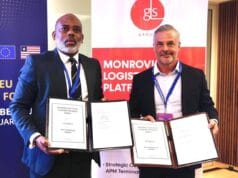
The Executive Mansion has framed the President’s recent travel as investment‑focused diplomacy that is already producing results. During and after the France leg, Liberia and France signed a General Cooperation Agreement across education, health, water/sanitation, renewable energy and forestry; the French Development Agency (AFD) briefed Liberia on reactivating stalled projects; and a Dec. 8 French mission to Monrovia was expanded into a broader peace and security dialogue. In the UAE, the President said a team would visit Liberia to advance investment discussions and job pathways.
Presidential Press Secretary Kula Fofana this week rejected the notion that foreign trips should be judged by “bags of money” returning home, saying the outcomes are partnerships, finance windows, security cooperation and employment pipelines abroad. She also pointed to the United States’ visa reciprocity change—extending certain B1/B2 visas for Liberians to three years—as evidence of strengthened ties.
On accountability, the Asset Recovery and Property Retrieval Task Force (AREPT) under Executive Orders 126 and 145 has announced indictments in an alleged US$6.7 million laundering scheme and a separate US$851,136 Foreign Affairs renovation shortfall; the task force insists cases are evidence‑driven, not political. CDC, however, characterizes the campaign as “selective” and warns of “political repression.”
What’s next
- The CDC says it will mobilize “against any form of political repression,” while insisting on peaceful, lawful advocacy. It called for vigilance from international partners “against orchestrated disenfranchisement.”
- The government has not immediately responded to the CDC’s latest release; in recent briefings, the Mansion has pledged to keep publishing travel outcomes and to channel asset‑recovery proceeds into visible public goods if courts convict.
Why It Matters
The statement underscores sharpening political lines two year into the Boakai administration: an opposition framing the government as wasteful and repressive, versus an Executive that argues it is rebuilding alliances, reactivating projects and pressing anti‑corruption cases through the courts. With inflation pressures and service delivery under public scrutiny, both narratives are likely to harden ahead of key legislative fights on contracts, concessions, and governance reforms.