MONROVIA – The Coalition for Democratic Change (CDC) has sharply rejected a defense of the draft 2026 National Budget issued by the Ministry of Information, Cultural Affairs and Tourism (MICAT), branding the US$1 billion–plus spending plan “a budget of self-interest while the citizens continue to suffer.”
The latest CDC statement, released Wednesday, is the party’s second major attack on the proposed FY2026 budget in less than a week and follows a detailed rebuttal from MICAT, which accused the former ruling party of misrepresenting Liberia’s budget laws and the structure of the draft.
The escalating war of words underscores mounting political tension around President Joseph Nyuma Boakai’s third national budget since taking office in January 2024, with the opposition framing the document as proof of “misplaced priorities” and the administration insisting it reflects “disciplined, forward‑looking fiscal strategy.”
CDC: “What Do the Liberian People Stand to Benefit?”
In its new press release signed by Deputy Secretary General for Press and Public Affairs, Anderson Slober Chea, the CDC dismisses MICAT’s earlier response as “faulty legal jargons and deliberate disinformation” that ducked the central issue.
“The Ministry… failed to address the realities confronting ordinary Liberians, the rising prices, the collapsing public services, the growing unemployment, and the widening gap between the comfort of officials and the suffering of the people,” the statement reads.

The party argues that after two full budget cycles under President Boakai, the lives of ordinary citizens have not improved:
- No salary increments for civil servants;
- No reversal of civil-service salary harmonization, despite years of Unity Party criticism while in opposition;
- No cost-of-living relief amid higher prices;
- No substantial youth employment programs; and
- No “meaningful improvements” in schools, hospitals, food security or public transport.
Citing recent U.S. State Department–reported indicators, the CDC highlights Liberia’s low scores in employment opportunities (9%), girls’ primary education completion (25%), child health (36%), civil liberties (27%), government effectiveness (33%) and access to justice (44%).
“These are not mere statistics, they represent the lived struggles of Liberian families,” the party says. “A government presiding over such dismal national scores should not be celebrating; it should be explaining how conditions became so desperate under its watch.”
Focus on Legislature’s Budget: “Entertainment and Discretionary Grants”
The CDC’s sharpest criticism targets spending increases at the top of the Legislature, which it says expose a political class “inflating their own budget lines with no restraint and no justification.”
The party points in particular to:
- Office of the Deputy Speaker
- FY2025 budget: US$1.28 million
- FY2026 request: US$1.42 million – a 10.1% jump
- Grants line rising from US$104,748 to US$575,000, which the CDC describes as largely discretionary funds “without clear guidelines or meaningful oversight.”
- Office of the Speaker
- FY2025 budget: US$1.5 million
- FY2025 spending reportedly overshot that allocation by nearly US$65,000;
- FY2026 request: US$1.8 million.
- Goods and services increasing from US$359,250 to US$869,242, driven, according to the party, by “entertainment, travel, and operational indulgences.”
“How does the principal oversight office of the Legislature exceed its own appropriation and then return to the public asking for even more?” the CDC asks. “What internal checks failed? Why should citizens celebrate and tolerate such behavior while they struggle daily just to survive?”
Framing the budget as a “people’s contract with their government,” the party insists: “A government that increases entertainment, travel, and discretionary grants while failing in education, child health, justice, and employment has abandoned the citizens it was elected to serve.”
MICAT: CDC Misreading the Law, Ignoring Reforms
In its earlier response – a written press release dated November 19 and signed by Deputy Minister for Press and Public Affairs Daniel O. Sando – MICAT said the CDC’s first critique of the draft 2026 budget was “misleading and without legal foundation.”
The ministry argued that:
- The Constitution and the Public Financial Management (PFM) Law give the Executive the authority to prepare and submit the draft national budget, but final approval lies with the Legislature;
- The draft FY2026 budget was framed “within existing revenue and fiscal realities,” and aligned with current laws;
- The CDC’s reading of budget provisions — particularly regarding contingent revenues and how ceilings are set — “seeks to arbitrarily re-interpret” the PFM framework to score political points.
The statement defended the inclusion of new and contingent revenue sources, including:
- The ArcelorMittal Liberia (AML) “signature bonus” and
- Proceeds from ongoing asset recovery efforts,
saying these follow standard procedures, rely on “ongoing negotiations and operational recovery timelines,” and are “rooted in evidence and established budgeting practice, not political wishful thinking.”
MICAT described the FY2026 submission as a “disciplined, forward‑looking fiscal strategy” anchored in:
- Ongoing economic gains;
- Strengthened public financial management systems;
- Improved governance in state‑owned enterprises; and
- A renewed commitment to transparency and accountability.
“The programs advanced over the past two years are real, measurable and rooted in openness and accountability values that were notably absent under the CDC,” the ministry wrote, asserting that the Boakai administration will “continue to lead with integrity, adherence to the law, and responsible fiscal management, not the misinformation or failed financial habits of the past.”
Battle Over Narrative: Technical Debate or Living Conditions?
The core divide between the government and the CDC is not only about legal interpretation, but about how Liberians should judge the 2026 budget.
MICAT stresses process, legality and incremental reforms — from tighter controls in the public financial management chain to attempts at broadening the tax base and improving collections from concessions and state enterprises.
The CDC insists the real test is whether ordinary people feel any change.
“The national budget is not a deflection lecture,” Wednesday’s statement says. “It must reflect [the people’s] priorities, their struggles, and their needs, not the appetites of a privileged few.”
The party accuses the administration of trying to “shift the debate to technicalities,” while remaining “completely silent” on stagnant public-sector wages, unrelenting youth unemployment and what many citizens describe as a punishing cost of living in Monrovia and the counties.
Wider Political Stakes
The confrontation over the FY2026 budget comes as the Boakai government seeks to consolidate its reform agenda under pressure from donors to maintain fiscal discipline, while the CDC – still the country’s largest single opposition force – looks to regain momentum after losing the 2023 elections.
The budget debate also touches sensitive areas:
- Legislative spending and oversight: With both the Speaker’s and Deputy Speaker’s offices under scrutiny, lawmakers face renewed questions about how closely they are willing to police their own expenditures.
- Public trust in institutions: Liberia continues to rank low on most global governance and human‑development indices, and public frustration with perceived waste and corruption remains high.
- Space for opposition: The CDC is framing its critique as a defense of citizens against elite excess; the administration argues that persistent “misinformation” by the former ruling party undermines confidence in the economy and the government’s reform drive.
“Answers, Not Excuses”
Concluding its statement, the CDC calls on Liberians to “pay close attention” as the draft budget moves through the Legislature.
“Liberia cannot afford another year where leaders grow comfortable while citizens grow hopeless,” the party says. “The people deserve answers, not excuses. They deserve relief, not rhetoric. They deserve a national budget that puts them first.”
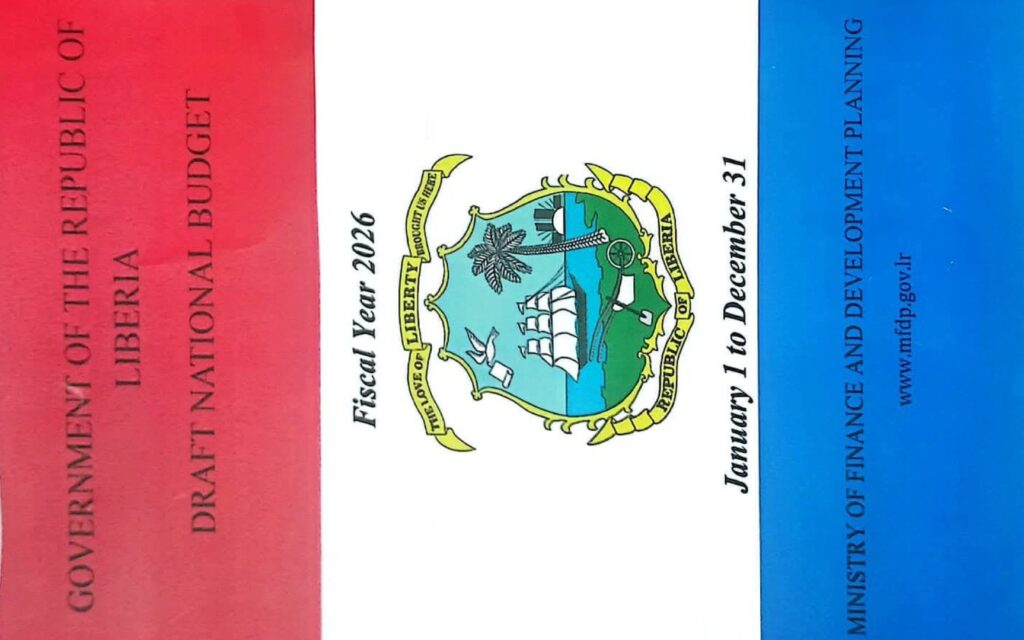
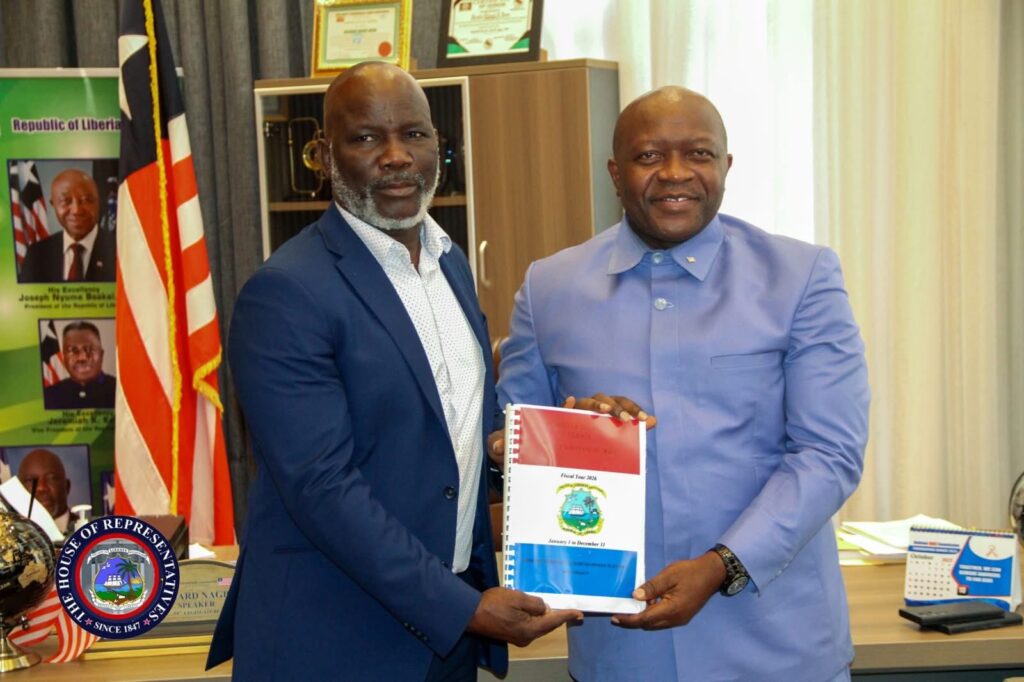
The draft FY2026 National Budget is now before the National Legislature, which must scrutinize, amend, and approve the document before it becomes law. As hearings get underway, the clash between MICAT and the CDC suggests that this year’s budget season will be as politically charged as it is economically consequential.