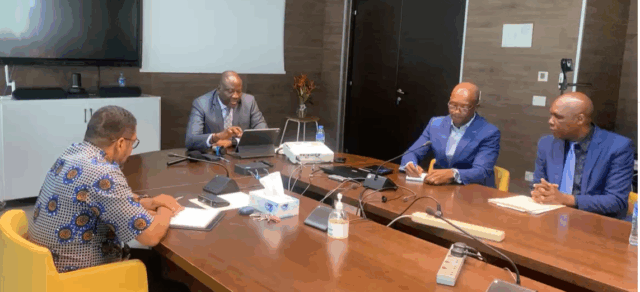
MONROVIA, Liberia — Liberia’s Monetary Policy Committee cut the Monetary Policy Rate by 100 basis points to 16.25%, citing faster‑than‑expected disinflation, a firmer currency and improving external balances.
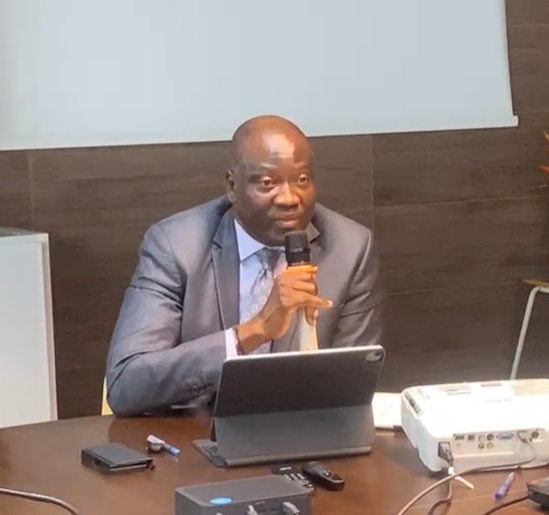
“We decided to reduce the Monetary Policy Rate by 100 basis points to 16.25 percent, reflecting confidence in the continued moderation in inflation and relative macroeconomic stability,” Executive Governor Henry F. Saamoi said Friday, October 10, reading Communiqué No. 24 after the MPC’s Oct. 6 meeting.
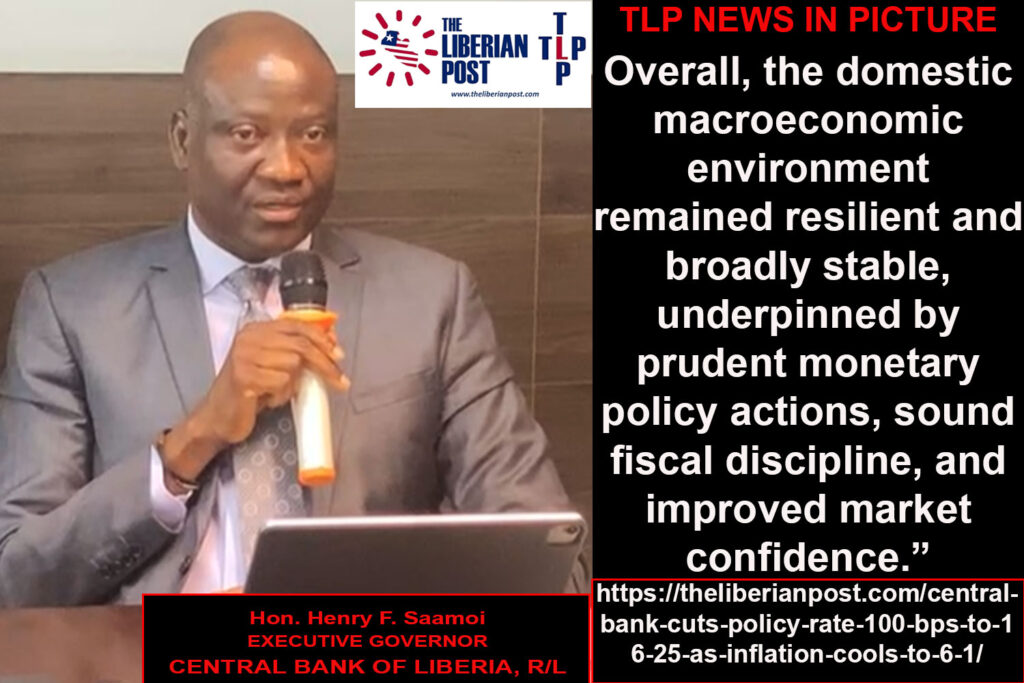
Headline inflation fell sharply to an estimated 6.1% in the third quarter from 11.1% in the second, driven by lower food prices and easing imported inflation, the Central Bank of Liberia (CBL) said. “Overall, the domestic macroeconomic environment remained resilient and broadly stable, underpinned by prudent monetary policy actions, sound fiscal discipline, and improved market confidence,” Saamoi said.
Outlook and Risks
The MPC expects a mild, seasonal uptick in prices in the fourth quarter but projects inflation to stay within its tolerance band, averaging about 6.3% ±2 percentage points, supported by a stable exchange rate, higher remittance inflows and better terms of trade. “We are optimistic that the global moderation in headline inflation will support further easing of domestic price pressures, mainly through lower imported food and fuel prices,” Saamoi said, while warning that geopolitical tensions and elevated sovereign debt risks in Sub‑Saharan Africa remain downside risks.
Growth and external position Economic activity kept Liberia on track to meet its 2025 growth forecast of 4.6%, the committee said, citing government spending alongside private‑sector production and consumption. The external position improved markedly: a merchandise trade surplus of 0.2% of GDP in the third quarter replaced a 4.1% deficit in the second, on higher export receipts and lower imports. Gross international reserves rose 0.6% to US$544.8 million, lifting import cover to 2.4 months from 2.1 months, while net personal remittance inflows increased an estimated 8.1% to US$228.2 million.
“The exchange rate recorded notable appreciation by 9.4 percent (end‑period) and 2.0 percent (average) during the quarter,” Saamoi said, adding that any depreciation pressures from import demand are expected to remain within the CBL’s tolerable limit and ECOWAS’s ±10% convergence threshold.
Banking Sector and Liquidity

The CBL said the banking system remains resilient: the capital adequacy ratio stood at a strong 34.9% (regulatory minimum 10%), and the sector’s liquidity ratio widened by 10.5 percentage points to 57.9%. Still, credit conditions softened and asset quality challenges persist. “Total loans and advances declined by 3.2 percent, and the industry’s non‑performing loans ratio stood at 15.8 percent as at end‑August 2025, remaining above the 10.0 percent regulatory threshold,” Saamoi noted, saying the ongoing NPL Resolution Framework should improve credit quality over time. Deposits and total assets eased 1.5% and 1.2%, respectively.
Monetary Transmission and Markets
Provisional data show net foreign assets improved while net domestic assets declined in the third quarter, producing a slight contraction in broad money (M2), mainly on lower domestic credit to both the private sector and government. The MPC flagged better monetary transmission through the interest‑rate corridor, with the interbank rate aligning closely to the Standing Deposit Facility (SDF). As of end‑August, interbank activity picked up—15 swap transactions totaling US$32.5 million and 11 placements (US$3.7 million in U.S. dollars; L$499.36 million in Liberian dollars)—with the average interbank rate at 10.25%, about 50 basis points above the corridor floor.
On liquidity management, CBL bills redemptions slightly outpaced issuance in the quarter without materially loosening conditions, as excess liquidity remained parked in the SDF. The committee said festive‑season liquidity demand may rise temporarily but sees limited and non‑permanent inflation impact.
Fiscal Coordination
Fiscal operations were expansionary in the third quarter, with a positive fiscal impulse estimated at 0.2% of GDP, up 10 basis points from the prior quarter. U.S.‑dollar injections helped offset Liberian‑dollar spending and supported currency stability, the MPC said, noting US$22.6 million in new Treasury bond issuance and interest payments of L$409.78 million and US$2.21 million. “Continued policy coordination between fiscal and monetary authorities remains essential to sustain stability,” Saamoi said.
Global Backdrop
Citing the IMF’s July 2025 World Economic Outlook, the MPC noted global growth is proving more resilient, with 2025 now projected at 3.0% versus 2.8% previously, and global inflation projected to decline to 4.2% in 2025 and 3.6% in 2026. The committee said easing energy and food prices and favorable gold prices have provided “moderate relief” to Liberia’s external position.
Next Steps
The communiqué emphasized ongoing vigilance amid external risks, even as domestic indicators improve. The CBL did not immediately publish additional MPC resolutions beyond the rate cut in materials released Friday. The next regular quarterly MPC meeting is expected in early 2026 unless conditions warrant earlier action.