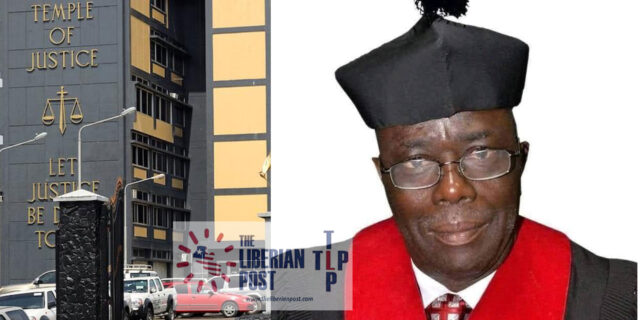
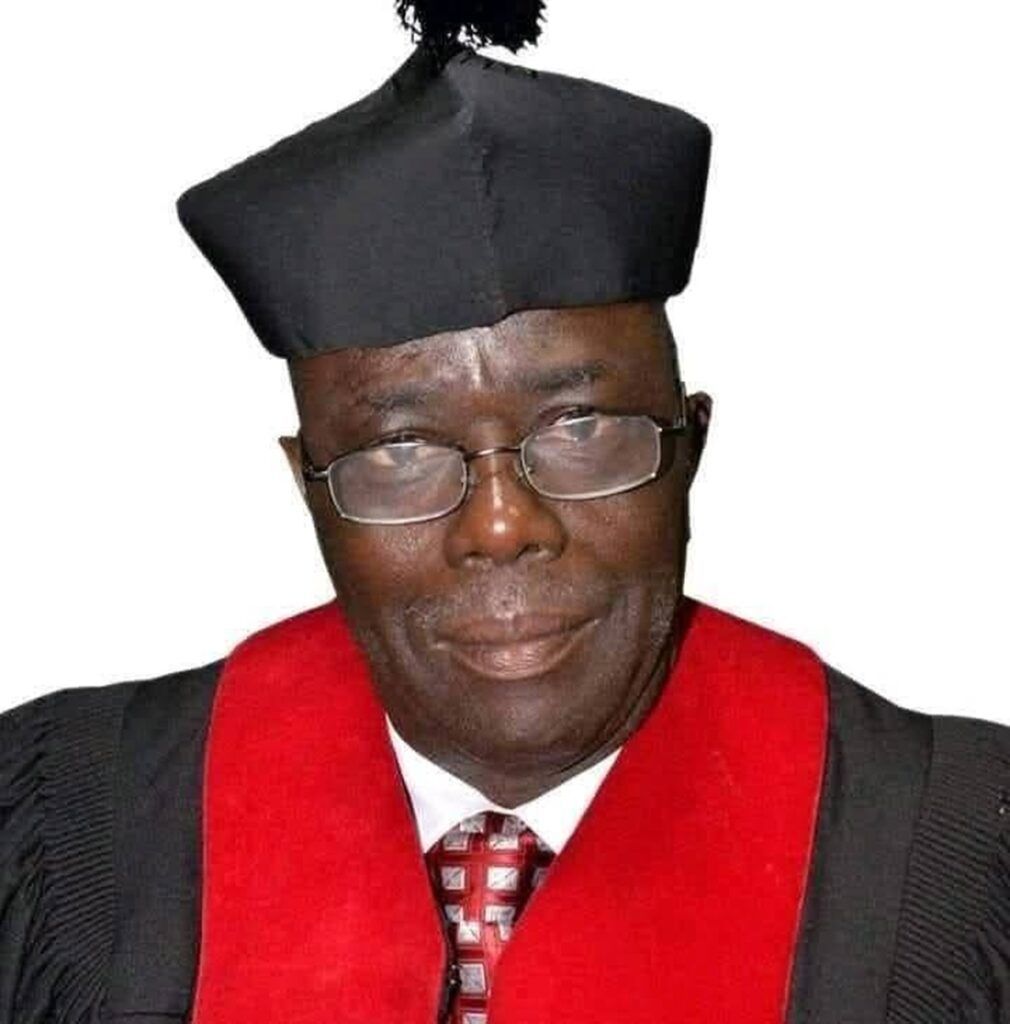
MONROVIA — Liberia’s Chief Justice, Yamie Quiqui Gbeisay, has announced a sweeping set of reforms aimed at tightening regulation, improving accountability, and enhancing professionalism within the country’s legal sector.
Speaking at the opening of the March Term of Court at the Supreme Court of Liberia, Chief Justice Gbeisay outlined new measures that will directly impact law firms, legal practitioners, and the broader administration of justice.
Mandatory Registration of Law Firms
At the center of the reforms is a directive requiring all law firms operating before Liberian courts to submit detailed operational information to the Clerk of the Supreme Court.
Under the new policy, law firms must provide:
- Full names and addresses of their firms
- Names and contact details of all lawyers
- Information on support staff, including roles and contact numbers
The data will be compiled into official directories and distributed to courts nationwide.

Chief Justice Gbeisay said the move is intended to address long-standing logistical challenges faced by court officers, particularly bailiffs, in serving legal documents.
“The absence of accurate contact information has often made the service of court precepts difficult,” he noted, stressing that the directive is mandatory and enforceable.
“We urge members of the Bar to take note that this is a policy, not a request,” he added.
The measure is also expected to curb the unauthorized practice of law, a growing concern within the legal community.
Standardization of Legal Filings
In a parallel reform, the Supreme Court has established a high-level committee to develop a uniform format for legal filings.
The committee is chaired by Pei Edwin Gausi and co-chaired by M. Wilkins Wright, both respected figures in Liberia’s legal system.
The initiative aims to eliminate inconsistencies in how lawyers prepare briefs and submissions—an issue that has often complicated judicial review.
According to the Chief Justice, the standardized format will align Liberia’s legal processes with international best practices, ensuring clarity, efficiency, and uniformity in court proceedings.
Review of Legal Education Requirements
Chief Justice Gbeisay also disclosed that the Court is reviewing cases involving individuals who obtained law degrees abroad without first earning undergraduate degrees—a prerequisite for admission to the Louis Arthur Grimes School of Law.
To address the issue, a 12-member committee headed by Emmanuel James has been constituted. The committee has already submitted its advisory report, with additional input requested from the Law School’s administration and other stakeholders.
The outcome of this review could have far-reaching implications for legal education standards and bar admission policies in Liberia.
Boosting Judicial Oversight and Accountability
As part of broader institutional reforms, the Chief Justice highlighted the establishment of a Judiciary Monitoring, Evaluation, and Accountability Department.
He said the unit is already producing measurable results, including:
- Improved punctuality among judges
- Increased collection of court fines and fees
- Strengthened internal oversight mechanisms
The judiciary is working in collaboration with the International Development Law Organization to further enhance the department’s effectiveness.
Call for Integrity in the Legal Profession
In concluding his remarks, Chief Justice Gbeisay called on members of the legal profession to play an active role in combating corruption within the judiciary.
He urged lawyers to report unethical conduct through established channels, emphasizing that legal practitioners must uphold the highest standards of integrity.
“As officers of the court, lawyers must lead by example in promoting transparency and accountability,” he said.
The reforms signal a determined push by Liberia’s highest court to modernize the legal system, enforce professional standards, and restore public confidence in the judiciary.
Follow The Liberian Post on Facebook and X (formerly twitter).